
Tag European Ski Resorts

European Ski Resorts: A Comprehensive Guide for the Discerning Skier
Europe boasts an unparalleled diversity of ski resorts, catering to every level of skier and snowboarder, from seasoned professionals seeking challenging off-piste terrain to families looking for gentle slopes and engaging activities. The sheer variety of landscapes, from the towering peaks of the Alps to the more modest but equally charming Pyrenees and Apennines, offers a unique experience for each visitor. Key factors to consider when selecting a European ski resort include the quality and reliability of snow, the extent of the ski area, the suitability of pistes for your skill level, the availability of off-piste opportunities, the presence of modern lift infrastructure, and the overall atmosphere and amenities. Altitude plays a crucial role in snow reliability; higher resorts generally guarantee better snow conditions throughout the season, particularly important for early or late season trips. The interconnectedness of ski areas, often referred to as "ski circuits" or "super domains," allows for extensive exploration without needing to remove skis, maximizing time on the slopes. Lift systems are a critical indicator of a resort’s modernity and efficiency, with high-speed gondolas and chairlifts significantly reducing waiting times and increasing access to vast areas. Beyond the skiing itself, the ambiance of a resort – be it a traditional alpine village, a purpose-built modern hub, or a vibrant après-ski town – can profoundly influence the holiday experience.
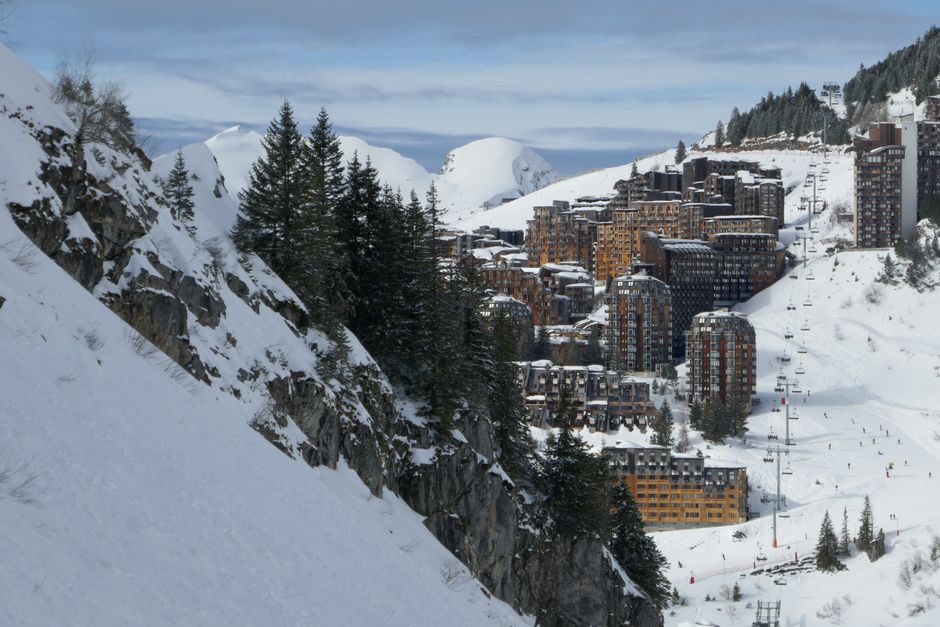
The French Alps are synonymous with world-class skiing, offering some of the largest and most interconnected ski areas on the planet. Chamonix, nestled at the foot of Mont Blanc, is a legendary destination for advanced skiers and snowboarders, renowned for its extreme terrain, including the Vallée Blanche, a vast off-piste descent. While it offers beginner areas, its primary appeal lies in its challenging natural snow and exhilarating descents. The Three Valleys (Les Trois Vallées), comprising Courchevel, Méribel, and Val Thorens, is the largest ski area in the world, boasting over 600 kilometers of groomed runs accessible by a modern and efficient lift network. Courchevel is known for its luxury chalets and Michelin-starred restaurants, while Méribel offers a more traditional alpine charm and excellent intermediate terrain. Val Thorens, Europe’s highest ski resort, guarantees snow from late November to early May, making it a consistently reliable choice. Its vast ski area, coupled with a vibrant après-ski scene, appeals to a broad spectrum of skiers. Other notable French resorts include Val d’Isère and Tignes, forming the Espace Killy, another extensive ski domain celebrated for its challenging pistes and excellent snow quality. La Plagne and Les Arcs, part of the Paradiski area, offer immense skiing for all abilities with a good mix of groomed runs and off-piste potential, linked by the impressive Vanoise Express cable car. For those seeking a more relaxed or family-friendly atmosphere, Avoriaz offers a car-free village experience and direct access to the Portes du Soleil ski area, which it shares with Switzerland. The Portes du Soleil, another vast cross-border ski domain, provides a network of over 650 kilometers of pistes across 12 interconnected resorts, offering incredible value and variety.
The Swiss Alps are celebrated for their pristine beauty, efficient infrastructure, and sophisticated resorts. Zermatt, with the iconic Matterhorn dominating the skyline, offers breathtaking scenery and a unique international skiing experience, as it links with Cervinia in Italy. The resort is known for its high-altitude skiing, excellent snow conditions, and gourmet dining options. Verbier, part of the Four Valleys ski area, is another magnet for advanced skiers and freeriders, famous for its steep slopes, challenging off-piste routes, and lively après-ski. St. Moritz, a glamorous resort with a rich history of hosting the Winter Olympics, offers a sophisticated atmosphere, immaculate grooming, and a wide range of luxury amenities, along with excellent skiing for all levels. Grindelwald, in the Jungfrau region, provides stunning views of the Eiger, Mönch, and Jungfrau mountains and offers a mix of challenging runs and more accessible slopes, complemented by charming traditional chalets and a friendly ambiance. Davos Klosters, a large interconnected resort, offers a diverse range of skiing and snowboarding, excellent facilities, and a lively town with a strong emphasis on wellness and events. Wengen, a car-free village accessed by cogwheel railway, provides a quintessential Swiss alpine experience with beautiful scenery and well-groomed slopes, ideal for families and intermediates.
The Austrian Alps are renowned for their traditional charm, hearty hospitality, and extensive, well-groomed ski areas, often combined with vibrant après-ski culture. St. Anton am Arlberg, part of the Ski Arlberg region, is arguably the birthplace of alpine skiing and a mecca for experienced skiers and snowboarders, boasting challenging mogul fields, steep descents, and legendary après-ski. The Ski Arlberg region, which also includes Lech, Zürs, Warth-Schröcken, and St. Christoph, is Austria’s largest interconnected ski area, offering over 300 kilometers of groomed runs and extensive off-piste opportunities, all accessible with a single lift pass. Lech and Zürs offer a more refined and exclusive experience, with impeccable grooming and a sophisticated atmosphere, often attracting royalty and celebrities. Sölden, located in the Ötztal valley, is known for its high altitude, guaranteeing snow reliability, and its two glaciers, offering skiing well into spring. It’s also famous for its modern lift infrastructure and its role as a filming location for the James Bond franchise. Ischgl, a lively resort in the Paznaun valley, is celebrated for its world-class après-ski, energetic nightlife, and a vast, modern ski area with excellent grooming and a good mix of terrain. Mayrhofen, in the Zillertal valley, offers something for everyone, from the challenging Harakiri piste (Austria’s steepest groomed run) to family-friendly areas, and is known for its vibrant music festivals and après-ski. Saalbach-Hinterglemm-Leogang-Fieberbrunn, another large interconnected ski area, offers a vast network of pistes and a lively atmosphere, making it a popular choice for those seeking variety and entertainment.
Italy’s ski resorts, particularly in the Dolomites, offer a unique blend of stunning natural beauty, rich culture, and exceptional cuisine. The Dolomiti Superski area is the largest interconnected ski carousel in the world, encompassing 12 ski regions with over 1,200 kilometers of groomed pistes accessible with a single lift pass. Cortina d’Ampezzo, often referred to as the "Queen of the Dolomites," is a glamorous resort with a rich sporting heritage, offering spectacular scenery and a sophisticated atmosphere, with skiing suitable for all levels. Val Gardena, with its charming villages of Selva, Santa Cristina, and Ortisei, provides access to some of the most iconic runs in the Dolomites, including the Sellaronda, a breathtaking panoramic ski tour. The Sellaronda is a circuit around the Sella massif, offering a full day of skiing with incredible vistas and accessible from several resorts in the region. Alta Badia is known for its culinary excellence and perfectly groomed pistes, offering a more relaxed and gourmet skiing experience, ideal for intermediates and food lovers. Livigno, a duty-free resort nestled in a high-altitude valley, offers excellent snow conditions, a long season, and a vibrant town with competitive prices, appealing to budget-conscious skiers and snowboarders looking for freestyle parks. Cervinia, linking with Zermatt in Switzerland, offers high-altitude skiing with incredible glacier skiing and stunning views of the Matterhorn. The Italian resorts are particularly appealing for their warm hospitality, delicious food and wine, and the unique charm of the Tyrolean culture.
Beyond the major alpine nations, other European countries offer compelling ski experiences. The Pyrenees, straddling France and Spain, provide a different, often less crowded, alpine atmosphere. Baqueira-Beret in Spain is the largest resort in the Iberian Peninsula, offering extensive terrain and excellent snow conditions, particularly appealing to those seeking a more exclusive experience. In France, resorts like Grandvalira in Andorra, Europe’s sixth-largest ski area, offer a vast and modern ski experience with competitive pricing and a duty-free shopping advantage. The Julian Alps of Slovenia are home to Kranjska Gora, a resort renowned for its World Cup races and family-friendly atmosphere, offering beautiful scenery and accessible skiing. The Scandinavian countries, particularly Norway and Sweden, offer unique skiing experiences with stunning fjords, northern lights, and challenging off-piste opportunities. Åre in Sweden is Scandinavia’s largest ski resort, offering a variety of terrain and excellent facilities.
The development of ski resorts across Europe has been driven by advancements in lift technology, snowmaking capabilities, and a growing demand for winter sports holidays. Modern lift systems, including high-speed gondolas, chairlifts with bubble enclosures, and magnetic ski passes, have revolutionized access and efficiency, significantly reducing queue times and expanding the accessible skiable terrain. Snowmaking technology has become increasingly sophisticated, allowing resorts to maintain consistent snow cover even during warmer periods or in lower-altitude areas, ensuring a more reliable skiing experience throughout the season. Sustainability is also becoming a growing concern, with many resorts investing in renewable energy sources, eco-friendly grooming practices, and initiatives to protect the alpine environment. The "ski pass" has evolved from a simple ticket to an integrated system that often includes access to public transport, discounts on activities, and digital mapping of slopes. The future of European ski resorts will likely involve a continued focus on innovation, sustainability, and providing diverse experiences that go beyond just skiing and snowboarding, incorporating activities like fat biking, snowshoeing, and eco-tourism. The emphasis on authentic experiences, from traditional mountain cuisine to cultural immersion, will continue to attract discerning travelers seeking more than just a day on the slopes.


