
Best Time To Visit Shikoku

Best Time to Visit Shikoku: A Comprehensive Guide to Experiencing Japan’s Undiscovered Island
Shikoku, Japan’s smallest of the four main islands, offers a distinct travel experience characterized by its rich spiritual heritage, stunning natural landscapes, and less crowded atmosphere compared to its mainland counterparts. Determining the best time to visit Shikoku hinges on prioritizing specific interests, whether it’s the vibrant colors of cherry blossoms, the refreshing embrace of summer, the breathtaking foliage of autumn, or the serene beauty of winter. Each season presents a unique facet of Shikoku’s charm, catering to diverse travel preferences and offering optimal conditions for various activities, from pilgrimage routes to coastal exploration.
Spring (March to May): The Season of Renewal and Cherry Blossoms
Spring in Shikoku is synonymous with the ephemeral beauty of sakura, or cherry blossoms. This period marks a significant shift from the cooler winter months to warmer, pleasant weather, making it an ideal time for outdoor exploration. The cherry blossoms typically begin to bloom in late March, with peak viewing often occurring in early to mid-April, though this can vary slightly by region within Shikoku. Cities like Matsuyama in Ehime Prefecture, with its iconic Matsuyama Castle, and Kōchi City, renowned for its historic castle and vibrant parks, become particularly picturesque. The Shikoku region boasts numerous renowned cherry blossom viewing spots, including Marugame City’s Genichiro-Fukuda Park and the Iya Valley, where delicate pink and white blooms contrast dramatically with the rugged terrain. Beyond the blossoms, spring weather in Shikoku is generally mild, with average temperatures ranging from 10°C to 20°C (50°F to 68°F). This comfortable climate is perfect for embarking on sections of the famous Shikoku Henro, the 88-temple pilgrimage route, allowing pilgrims and travelers to appreciate the awakening of nature without the harshness of extreme temperatures. Hiking trails and scenic drives are also highly enjoyable during this time. The blooming of various other flowers, such as tulips and azaleas, further enhances the visual appeal of Shikoku’s gardens and natural reserves. For those interested in cultural festivals, spring often hosts local celebrations marking the beginning of the warmer season, offering a glimpse into regional traditions and community life. The demand for accommodation and flights increases during the cherry blossom season, so booking in advance is highly recommended for popular destinations and dates. This period is also excellent for photographers, capturing the iconic Japanese spring scenery.
Summer (June to August): Lush Greenery, Festivals, and Coastal Adventures
Summer in Shikoku is characterized by its lush greenery, vibrant festivals, and opportunities for coastal and outdoor activities. While it can be hot and humid, particularly in July and August, this season offers a distinct energy and a wealth of experiences for those who can tolerate the heat. The average temperatures during summer range from 25°C to 30°C (77°F to 86°F), with higher humidity levels. The rainy season, tsuyu, typically occurs in June, bringing consistent rainfall that can temporarily disrupt outdoor plans. However, the rain also intensifies the verdant landscapes, making the island’s natural beauty exceptionally vivid. Following the rainy season, July and August are prime months for enjoying Shikoku’s extensive coastline. The beaches of Kōchi Prefecture, such as Katsurahama Beach, and the numerous islands off the coast of Ehime, like the Shimanami Kaido cycling route’s islands, offer refreshing escapes. Water sports, swimming, and simply relaxing by the sea are popular pastimes. Summer is also the peak season for traditional Japanese festivals, known as matsuri. Shikoku hosts a variety of these lively events, featuring parades, music, dancing, and local food stalls. The Awa Odori dance festival in Tokushima, though more famous on the mainland, has roots and related events that can be experienced. Smaller, local festivals throughout the island provide authentic cultural immersion. For hikers and nature enthusiasts, the higher elevations and mountainous regions, such as the Iya Valley, offer cooler respite from the coastal heat. The abundant rainfall during this period sustains the region’s numerous rivers and waterfalls, making them particularly impressive. While the heat and humidity can be a deterrent for some, summer is an excellent time to experience Shikoku’s lively atmosphere, engage in water-based activities, and witness its rich festival culture. The increased tourist numbers during summer mean that booking accommodations and popular tours should be done well in advance.
Autumn (September to November): Golden Hues, Comfortable Temperatures, and Harvest Delights
Autumn in Shikoku is widely considered one of the most enchanting times to visit, offering a perfect balance of comfortable weather and spectacular natural beauty. The oppressive heat and humidity of summer recede, replaced by crisp, clear air and a vibrant tapestry of autumn colors. The average temperatures during this season range from 15°C to 25°C (59°F to 77°F), making it ideal for extensive outdoor exploration. The iconic autumn foliage, or kōyō, typically begins to appear in the higher elevations of Shikoku’s mountains in mid-October and descends to the lower valleys and coastal areas through November. Popular destinations for witnessing this natural spectacle include the Iya Valley, Mount Tsurugi in Tokushima Prefecture, and the remote Kōchi mountains. The vibrant reds, oranges, and yellows of the changing leaves create breathtaking vistas that are perfect for photography, hiking, and scenic drives. The Shikoku Henro pilgrimage route is particularly enjoyable in autumn, as the cooler weather allows for longer walking days and the surrounding landscapes are at their most dramatic. Besides the foliage, autumn is also a time of harvest in Shikoku, with local markets and restaurants offering seasonal delicacies. Fresh seafood, mountain vegetables, and agricultural produce are abundant. The unique citrus fruits of Shikoku, such as sudachi and yuzu, are also in season, adding a zesty flavor to local cuisine. Several regional festivals are held during autumn, often celebrating the harvest and the changing seasons, providing opportunities to experience local culture and traditions. The comfortable weather and stunning scenery make autumn a highly sought-after period for tourism, so early booking for accommodations and popular activities is advisable. This season offers a serene and visually rewarding experience, appealing to those seeking both natural beauty and cultural immersion without the peak summer crowds.
Winter (December to February): Serene Landscapes, Fewer Crowds, and Cultural Immersion
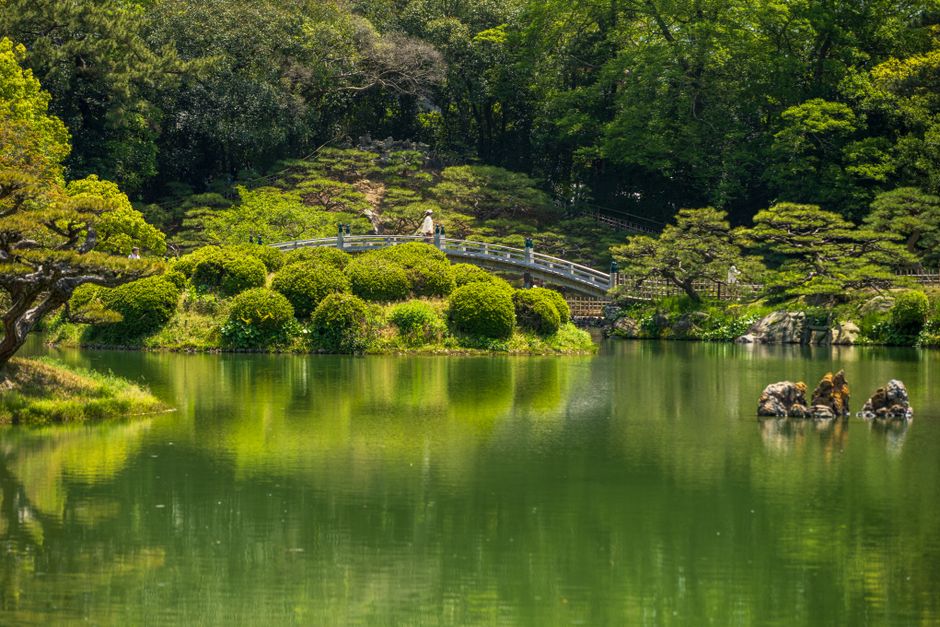
Winter in Shikoku presents a tranquil and less crowded alternative for travelers seeking a more serene experience. While temperatures can be cool, ranging from 3°C to 10°C (37°F to 50°F), and snowfall is possible in the mountainous interior, the island rarely experiences the extreme cold of mainland Japan. Coastal areas generally remain mild, making them accessible for exploration. This season is ideal for those interested in experiencing Shikoku’s cultural heritage without the bustle of peak tourist periods. The Shikoku Henro pilgrimage, though challenging due to colder weather, offers a deeply spiritual and introspective journey, with fewer fellow pilgrims on the path. The iconic 88 temples stand in solemn beauty against the winter backdrop. Cities like Takamatsu in Kagawa Prefecture, with its beautiful Ritsurin Garden, offer a peaceful escape, with the garden’s evergreen trees providing a striking contrast to the muted winter palette. The fewer crowds mean a more intimate experience with historical sites, local crafts, and traditional cuisine. Hot spring resorts (onsen) become particularly inviting during the winter months, offering a warm and relaxing sanctuary. Many onsen are located in picturesque natural settings, allowing visitors to soak in hot mineral waters while surrounded by serene winter landscapes. Winter cuisine in Shikoku often features hearty, warming dishes, including fresh seafood like oysters and buri (yellowtail), as well as seasonal vegetables. Local sake breweries are also at their most active during winter, and sampling regional brews can be a delightful experience. For winter sports enthusiasts, the mountainous interior of Shikoku, particularly in the Iya Valley region, may offer limited opportunities for skiing or snowboarding, though these are not primary attractions for the island. The visual appeal of winter in Shikoku lies in its stark beauty, the quietude of its landscapes, and the opportunity for a more authentic, unhurried cultural immersion. Travelers should pack warm clothing, and checking weather forecasts is essential, especially when planning excursions to higher altitudes. The lower tourist numbers translate to more affordable accommodation and greater availability, making winter an excellent choice for budget-conscious travelers or those seeking a more peaceful escape.
Shoulder Seasons: The Sweet Spot for Balanced Travel
The shoulder seasons in Shikoku, specifically late spring (May) and early autumn (September to October), often represent the sweet spot for many travelers, offering a compelling blend of pleasant weather, fewer crowds, and a wealth of activities. May benefits from the lingering warmth and vibrant greenery of spring, with most of the significant cherry blossom crowds having dispersed, yet the weather remains exceptionally agreeable for outdoor pursuits. This month is perfect for exploring the entire Shikoku Henro at a comfortable pace, hiking through its diverse landscapes, and enjoying the blooming flowers that follow the cherry blossoms. The average temperatures in May are typically between 18°C and 25°C (64°F to 77°F), with lower humidity than the peak summer months.
Similarly, September and October offer a continuation of favorable conditions. Following the intensity of the summer heat and the receding rainy season, September brings clear skies and comfortable temperatures, often in the low to mid-20s Celsius (70s Fahrenheit). This is an ideal time to enjoy the beaches before they become too cool, and to begin appreciating the early stages of autumn foliage in the higher elevations. October is arguably the prime month for autumn colors, with temperatures ranging from 15°C to 25°C (59°F to 77°F), making it perfect for enjoying the dramatic transformation of the island’s forests. The shoulder seasons strike a balance, allowing visitors to experience the best of Shikoku’s natural beauty and cultural offerings without the extremes of weather or the peak tourist influx, providing a more relaxed and often more affordable travel experience. Booking accommodations and transport during these periods is still recommended, especially for popular destinations, but generally offers more flexibility than the absolute peak months.


