
Best Time To Visit Pakistan

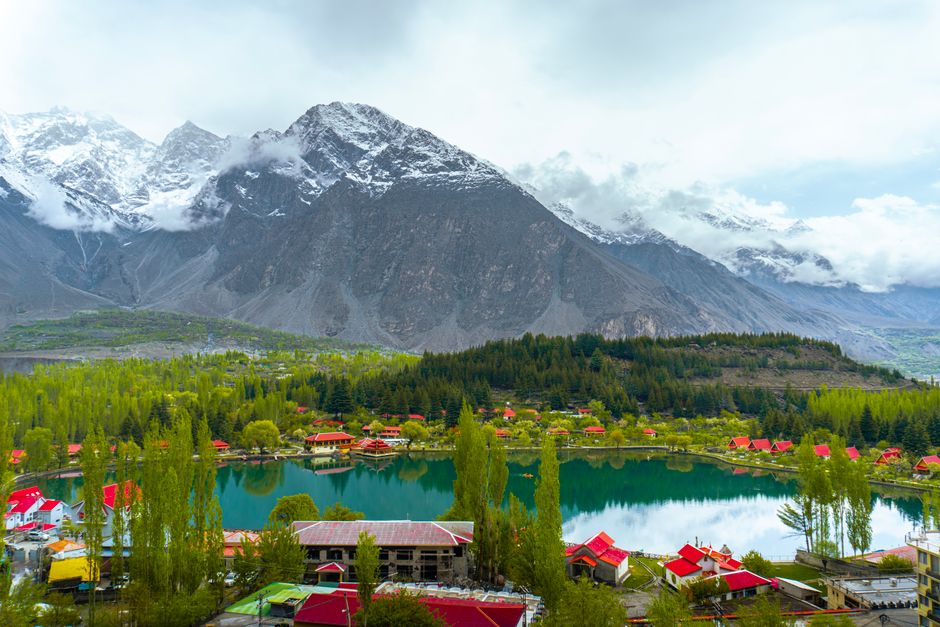
Pakistan: An In-Depth Guide to the Optimal Travel Seasons
Pakistan’s diverse geography, spanning from the arid plains of Punjab to the towering peaks of the Karakoram, dictates a distinct best time to visit, largely influenced by climate and regional attractions. Understanding these seasonal variations is crucial for travelers seeking to experience the country’s full spectrum of beauty and culture. Generally, the most favorable period for exploring Pakistan falls between October and March, offering a temperate climate across most of the country, particularly for the plains and southern regions. However, the mountainous north has a more limited window of accessibility and enjoyable weather, typically from April to October. This article will delve into the specifics of each season and region, providing a comprehensive guide for optimizing your Pakistani adventure.
Spring (March to May) marks the awakening of Pakistan’s landscapes. In the northern mountainous regions, this period signifies the melting of snow, opening up formerly inaccessible valleys and trekking routes. Temperatures begin to rise, making it an excellent time for exploring areas like Swat Valley, Kaghan Valley, and Gilgit-Baltistan, though higher altitudes can still experience snow. The iconic cherry blossoms in Hunza Valley often bloom in early to mid-spring, offering a breathtaking spectacle. For the plains, spring brings pleasant warmth, ideal for visiting historical sites in Lahore and exploring the deserts of Cholistan. Rainfall is generally moderate during this season, though unpredictable showers can occur. It’s a transitional period, so packing layers is essential for fluctuating temperatures, especially when traveling between different altitudes. The vibrant colors of blooming flowers across the country add to the visual appeal, making it a photographer’s delight. Adventure enthusiasts can begin planning their treks as trails become more accessible, and the days are long enough for extended exploration.
Summer (June to August) presents a dichotomy in Pakistan. While the plains, including cities like Karachi, Lahore, and Islamabad, experience intense heat and humidity, often exceeding 40°C (104°F), the northern mountainous regions become paradises. This is the prime season for high-altitude tourism in Gilgit-Baltistan, including destinations like Skardu, Hunza, and the Karakoram Highway. Temperatures in these areas are pleasantly cool, ranging from 15°C to 30°C (59°F to 86°F), making them perfect for trekking, mountaineering, and exploring glacial lakes like Deosai Plains and Attabad Lake. The popular Shandur Polo Festival typically takes place in July, a must-see cultural event. However, the monsoon season also affects parts of Pakistan, particularly the eastern and southern regions, bringing heavy rainfall and potential flooding from July to September. This can disrupt travel plans, especially in flood-prone areas. For those venturing north, summer offers the longest daylight hours and the most stable weather for high-altitude adventures. It’s crucial to stay hydrated and take precautions against the heat if traveling to the plains during this time.
Autumn (September to November) is widely considered the best time to visit Pakistan, especially for the majority of the country. The oppressive heat of summer subsides, and the post-monsoon air is clean and crisp. The northern regions continue to offer excellent weather for exploration, with clear skies and stunning autumnal foliage painting the valleys in hues of red, orange, and gold. Trekking routes remain open, and the views of snow-capped peaks become even more dramatic against the clear blue sky. This is an ideal period for visiting places like Naltar Valley, Fairy Meadows, and K2 Base Camp. In the plains, autumn brings comfortable temperatures, perfect for exploring historical cities like Lahore, with its Mughal-era architecture, and Islamabad, with its modern infrastructure and natural beauty. Cultural festivals and events often take place during this season, adding another layer of richness to the travel experience. The agricultural landscapes are also at their most vibrant, showcasing the bounty of the harvest. This season offers a balance of pleasant weather across diverse geographical regions, making it the most sought-after time for tourists.
Winter (December to February) transforms Pakistan into a land of snow and ice in the north, while offering mild, pleasant weather in the south. The mountainous regions experience freezing temperatures and heavy snowfall, making many high-altitude passes and roads impassable. However, this is the ideal time for winter sports enthusiasts to visit areas like Malam Jabba and Nathiagali for skiing and snowboarding. The snow-covered landscapes of Hunza and Skardu offer a unique, serene beauty, albeit with limited accessibility. For those preferring warmer climes, the southern plains and coastal areas, including Karachi, offer a respite from the cold, with temperatures ranging from 10°C to 25°C (50°F to 77°F). This is an excellent time to explore historical sites, enjoy local cuisine, and experience the vibrant culture of cities like Karachi and Hyderabad without the intense heat of other seasons. Desert safaris in areas like Thar can also be enjoyable during these cooler months. While access to the extreme north is significantly restricted, the accessible winter destinations offer a dramatically different yet equally captivating experience of Pakistan.
Regional Considerations: A Deeper Dive
Northern Pakistan (Gilgit-Baltistan, Khyber Pakhtunkhwa’s Northern Areas): This region’s climate is dictated by its extreme altitudes. The best time for extensive exploration, including trekking and high-altitude adventures, is from April to October. April and May offer beautiful spring blooms and the opening of mountain passes. June to August are peak summer months, providing ideal warm temperatures and long daylight hours for exploring areas like Deosai, Fairy Meadows, and the Karakoram Highway. September and October offer stunning autumn colors and clear skies, making it excellent for trekking. November to March is generally winter, with heavy snowfall and road closures, though certain accessible valleys and ski resorts are operational for winter sports enthusiasts.
Central Pakistan (Punjab, Islamabad Capital Territory): The plains of Punjab experience distinct seasons. Spring (March to May) and Autumn (September to November) are the most pleasant. During these periods, temperatures are mild and conducive to exploring historical sites like Lahore Fort, Badshahi Mosque, and the vibrant bazaars. Summers (June to August) are scorching hot, making daytime sightseeing challenging, though early mornings and evenings can be more bearable. Winters (December to February) are cool to cold, with occasional fog, but generally comfortable for city exploration.
Southern Pakistan (Sindh, Balochistan): The southern regions are characterized by arid and semi-arid climates. Summers (May to August) are extremely hot and humid, especially in coastal Karachi. Spring (March to May) and Autumn (September to November) offer the most comfortable temperatures for visiting cities like Karachi, Hyderabad, and exploring archaeological sites. Winters (December to February) are mild and pleasant, making it an excellent time to visit, especially for those seeking to escape the cold of other regions. Balochistan’s diverse topography means temperatures can vary, but generally, spring and autumn are best for exploring its unique landscapes and coastal areas.
Karakoram Highway and High-Altitude Treks: For those specifically planning to traverse the Karakoram Highway or embark on classic treks like K2 Base Camp, Concordia, or Nanga Parbat Base Camp, the optimal window is generally late May to early October. Outside this period, snow and ice can make sections of the highway impassable, and trekking routes can be hazardous. Shoulder seasons like May and September often offer a good balance of accessibility, stable weather, and fewer crowds.
Monsoon and Travel Disruptions: It’s important to be aware of the monsoon season, which typically runs from July to September in eastern and southern Pakistan. Heavy rainfall can lead to landslides, road closures, and flooding, particularly in vulnerable areas. Travelers should monitor weather forecasts and local advisories closely if their travel plans coincide with this period, especially if venturing into the foothills or plains. Northern Pakistan is generally less affected by the monsoon but can experience localized thunderstorms.
Visa and Entry Requirements: While not directly related to the best time to visit, it’s a practical consideration for any traveler. Ensure you have the necessary visa and travel permits well in advance of your trip. Visa policies can change, so checking official government sources or your local embassy is crucial.
Health and Safety: Regardless of the season, it is advisable to consult with your doctor regarding necessary vaccinations and health precautions. Pack a basic first-aid kit and be mindful of food and water hygiene. For trekking and high-altitude travel, acclimatization is essential to prevent altitude sickness.
Cultural Etiquette: Pakistan is a Muslim-majority country, and respecting local customs and traditions is paramount. This includes dressing modestly, especially when visiting religious sites, and being mindful of local sensitivities. Learning a few basic Urdu phrases can also enhance your interactions with locals.
Specific Event-Based Travel: Beyond general climate, certain events might influence your travel dates. The aforementioned Shandur Polo Festival in July is a major draw. Other cultural festivals, religious observances (like Eid al-Fitr and Eid al-Adha, whose dates change annually based on the lunar calendar), and local celebrations can offer unique experiences. Researching these events and aligning them with your travel interests can further enrich your trip.
Conclusion: The best time to visit Pakistan is a nuanced decision, heavily dependent on the specific regions you intend to explore and the activities you wish to pursue. For a comprehensive experience encompassing both the plains and the accessible mountains, autumn (September to November) offers the most balanced and pleasant weather across the country. However, for dedicated mountain adventures, the window extends from April to October, with summer (June to August) being the peak period for high-altitude exploration. Conversely, winter (December to February) offers a unique charm for those seeking snow-covered landscapes in the north or mild, pleasant weather in the south. By carefully considering these seasonal variations and regional characteristics, travelers can meticulously plan their journey to Pakistan, ensuring an unforgettable and rewarding experience.


