Lake Tititaca Peru Bolivia Inca
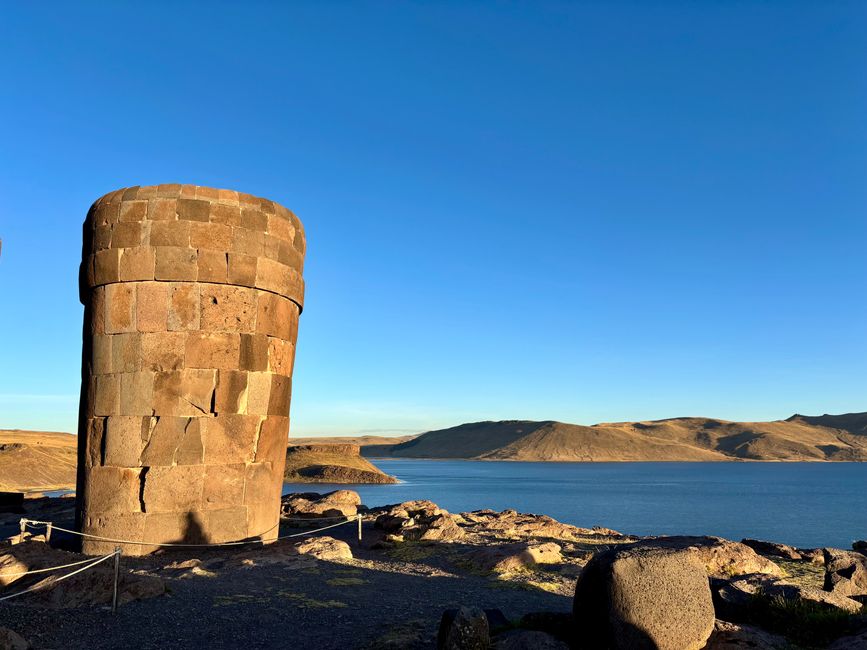
Lake Titicaca: Peru Bolivia Inca Heartlands of the Andes
Lake Titicaca, straddling the border of Peru and Bolivia, is a geographical marvel and a cultural cornerstone of the Andean world, deeply intertwined with the history and mythology of the Inca Empire. Its staggering altitude, reaching over 3,800 meters (12,500 feet) above sea level, makes it the highest navigable lake on Earth, a vast expanse of sapphire blue cradled by the towering peaks of the Andes. More than just a breathtaking natural wonder, Titicaca is a living museum, a testament to the enduring legacy of the Inca and the vibrant cultures that continue to thrive on its shores and islands. For travelers and history enthusiasts, the lake represents a journey into the heart of ancient civilizations, offering a unique glimpse into a world where myth and reality converge.
The sheer scale of Lake Titicaca is impressive. Spanning approximately 8,372 square kilometers (3,232 square miles), its immense surface area reflects the dramatic Andean sky, creating an ever-changing spectacle of light and shadow. The lake is fed by numerous rivers, but its primary water source is rainfall and glacial melt from the surrounding mountains. Its depth varies, reaching a maximum of around 281 meters (922 feet) in the Estrecho de Tiquina, the narrowest point dividing its two main basins: the larger Chucuito and the smaller Wiñaymarka. This vastness has shaped the lives of the communities who inhabit its shores for millennia, fostering unique agricultural practices, fishing traditions, and intricate social structures.
The historical significance of Lake Titicaca to the Inca is paramount. According to Inca mythology, the lake was the birthplace of their civilization. Viracocha, the creator god, emerged from its waters, and from Lake Titicaca, Manco Cápac and Mama Ocllo, the first Inca rulers, were sent forth by the sun god Inti to establish their empire. This divine origin story imbued the lake with sacredness, making it a central site for religious ceremonies and pilgrimage. The islands within the lake, particularly Isla del Sol (Island of the Sun) and Isla de la Luna (Island of the Moon) in Bolivia, are dotted with ancient Inca ruins, including temples, palaces, and agricultural terraces, offering tangible evidence of their presence and reverence.
The Inca civilization, at its zenith, was a vast empire that stretched across western South America. Their mastery of engineering, administration, and agriculture allowed them to thrive in the challenging Andean environment. Lake Titicaca was not merely a symbolic center; it played a vital role in their economy and sustenance. The lake provided a rich source of fish, and its surrounding fertile lands, enhanced by sophisticated Inca irrigation systems and terracing, supported agricultural communities. The Inca also utilized the lake for transportation, connecting their settlements and facilitating trade. Their architectural prowess is evident in the well-preserved Inca sites on the islands, constructed with the characteristic precision of fitted stones that have withstood centuries of seismic activity.
The islands of Lake Titicaca are repositories of Inca history and culture. Isla del Sol, the largest island, is considered the principal sacred site. Here, visitors can explore the ruins of Pilko Kaina, a significant Inca temple complex, and the Chincana labyrinth, believed to have been a royal retreat. The Inca believed that the sun itself was born on Isla del Sol, and the energy and spiritual aura of the place are palpable. Isla de la Luna, smaller and less populated, was dedicated to the moon goddess, Mama Killa. The ruins of Iñak Uyu, a temple believed to have housed virgins dedicated to the moon, stand as a testament to this ancient worship. Exploring these islands is like stepping back in time, walking in the footsteps of Inca emperors and priests.
Beyond the Inca legacy, Lake Titicaca is also home to the Uros people, who have inhabited floating islands made entirely from totora reeds for centuries. These ingenious artificial islands, anchored to the lakebed, are a remarkable adaptation to life on the water. The Uros people harvest the reeds to build their homes, boats, and even their distinctive floating islands. Their traditional way of life, while increasingly influenced by tourism, offers a fascinating contrast to the monumental architecture of the Inca. Visitors can experience the Uros culture firsthand, learning about their weaving techniques, their unique diet, and their vibrant traditions. Their resilience and resourcefulness are a powerful reminder of the diverse human stories woven into the fabric of Lake Titicaca.
The Peruvian side of Lake Titicaca offers its own unique cultural tapestry. The city of Puno, situated on the southern shore, serves as the primary gateway to the Peruvian islands. Puno itself is a bustling city with a rich history, having been a significant port during the Spanish colonial era. From Puno, boat tours depart for islands like Taquile and Amantaní. Taquile is renowned for its skilled textile artisans, particularly its male weavers, who produce intricately patterned fabrics that are prized worldwide. The Taquileños maintain a strong sense of community and a traditional way of life, largely untouched by modern conveniences. Amantaní, a larger island, offers homestay opportunities, allowing visitors to experience authentic rural life and participate in agricultural activities. The inhabitants of these islands speak Quechua, the ancient language of the Inca, further connecting visitors to the region’s historical roots.
The geography of Lake Titicaca has also influenced its unique ecosystems. The high altitude and cold climate create a distinct environment for flora and fauna. The totora reeds, essential for the Uros islands, are a dominant feature of the lake’s shallower areas. Various fish species, including the endemic Titicaca water frog and the Orestias species, are found in its waters, though some have been impacted by introduced species and pollution. Birdlife is abundant, with species like Andean gulls, Andean ducks, and various waders frequenting the lake and its shores. The stark beauty of the Andean landscape, with its snow-capped mountains and vast skies, provides a dramatic backdrop to the lake’s ecological richness.
The journey to Lake Titicaca is often an adventure in itself. For travelers arriving from Peru, a scenic train journey from Cusco to Puno is a popular option, offering breathtaking views of the Andean altiplano. From Bolivia, travelers typically arrive via La Paz, a city perched precariously on the edge of a canyon, from where they can travel to Copacabana, a charming town on the shores of the lake, and then take a ferry to Isla del Sol. The high altitude can be a factor for visitors, and acclimatization is often recommended. The crisp, thin air and the intense sun are characteristic of this high-altitude environment.
The cultural practices surrounding Lake Titicaca are deeply rooted in ancient traditions. The Aymara people, who have a long history in the region, share the shores and islands with the Quechua-speaking communities. Their languages, customs, and beliefs are a vital part of the lake’s cultural heritage. Festivals, often tied to agricultural cycles and ancient Inca and Aymara deities, are celebrated with vibrant music, traditional dress, and elaborate ceremonies. The "Fiesta de la Virgen de la Candelaria" in Puno, held annually in February, is one of the most significant cultural events, showcasing traditional dances and music, and drawing thousands of visitors.
For travelers interested in an immersive experience, staying on one of the islands, either through a homestay on Amantaní or by booking accommodation on Taquile or Isla del Sol, provides unparalleled insights into the local way of life. These experiences offer a chance to interact directly with the communities, learn about their daily routines, and gain a deeper appreciation for their cultural heritage. The simplicity of life on the islands, the warmth of the people, and the profound connection to the land and water create a truly unforgettable travel experience.
The conservation of Lake Titicaca’s natural and cultural heritage is an ongoing challenge. As tourism grows, there is an increasing need to manage its impact responsibly. Efforts are underway to protect the lake’s fragile ecosystem, combat pollution, and ensure that tourism benefits the local communities without compromising their traditional ways of life. The preservation of the Inca ruins and the cultural integrity of the indigenous communities are vital to maintaining the unique essence of this extraordinary region. Sustainable tourism practices are crucial to ensuring that Lake Titicaca remains a vibrant cultural and ecological treasure for generations to come.
In conclusion, Lake Titicaca stands as a profound intersection of natural grandeur and human history. Its azure waters, set against the dramatic Andean landscape, are a constant reminder of its geological significance. However, it is the deep-seated connection to the Inca Empire and the vibrant indigenous cultures that truly define Lake Titicaca. From the sacred Inca ruins on its islands to the ingenious floating communities of the Uros, the lake is a living testament to human ingenuity, resilience, and spiritual devotion. It is a destination that offers not just breathtaking vistas, but a profound journey into the heart of ancient civilizations and the enduring spirit of the Andes.