Tag Low Cost Carriers
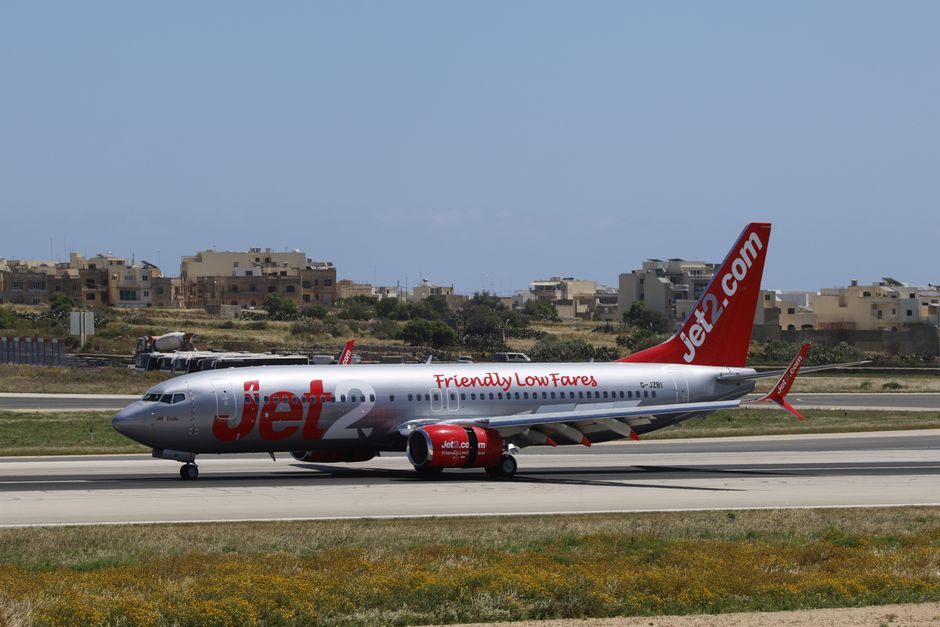
Low-Cost Carriers: Navigating the Affordable Air Travel Landscape
Low-cost carriers (LCCs), also known as budget airlines, represent a significant segment of the global aviation industry, catering to a growing demand for affordable air travel. Their business model is fundamentally different from traditional full-service airlines, prioritizing cost reduction and operational efficiency to offer significantly lower fares. This often translates to a no-frills experience, where ancillary services and amenities are either not included or offered as optional add-ons. Understanding the core tenets of LCC operations is crucial for travelers seeking to maximize savings. These airlines typically achieve lower costs through a variety of strategic decisions. A primary driver is the utilization of a standardized, often younger, fleet of aircraft, predominantly narrow-body jets like the Boeing 737 or Airbus A320 family. This standardization simplifies maintenance, pilot training, and spare parts inventory, leading to considerable operational economies. Furthermore, LCCs often operate from secondary airports, which typically have lower landing fees and operational costs compared to major international hubs. While these airports may be less convenient for some travelers, the cost savings are passed on in the form of cheaper tickets. Aircraft turnaround times are also a critical factor. LCCs aim for rapid boarding and deplaning, minimizing the time an aircraft spends on the ground, thereby maximizing its utilization and revenue-generating potential. This is often facilitated by a single class cabin configuration, eliminating the complexities and slower processes associated with boarding premium cabins. Pricing strategies are another cornerstone of the LCC model. Fares are highly dynamic and often tiered, with the cheapest tickets released well in advance and increasing in price as the departure date approaches or as demand grows. This incentivizes early booking and rewards price-sensitive travelers. The base fare typically covers only the seat and the right to carry a small personal item onboard. All other services – checked baggage, seat selection, in-flight meals, entertainment, and even printing a boarding pass at the airport – are usually subject to additional fees. This unbundling of services allows LCCs to offer extremely low headline prices, attracting a broad customer base. However, it is imperative for travelers to meticulously calculate the total cost of their journey, factoring in all potential ancillary charges, before booking. Hidden costs can quickly erode the perceived savings if not carefully managed. The direct sales model, relying heavily on online bookings through their own websites and mobile apps, also contributes to cost reduction by bypassing traditional travel agents and their associated commissions. This direct relationship with customers allows LCCs to manage bookings, communicate with passengers, and offer ancillary products more efficiently. The operational focus is on efficiency and minimizing every possible expense. This includes a lean staffing model, often with flight attendants cross-trained in various roles. Marketing efforts are typically digital and data-driven, targeting specific demographics and travel needs with personalized offers. The LCC sector has experienced substantial growth over the past few decades, transforming the accessibility of air travel for millions worldwide. From their origins in the late 20th century, they have evolved into a dominant force, challenging established carriers and forcing them to adapt their own strategies. The proliferation of LCCs has democratized air travel, making it a viable option for leisure trips, short breaks, and even business travel for cost-conscious individuals and smaller enterprises.
The operational efficiency of low-cost carriers is paramount to their success. A key element is the simplification of the product offering. Unlike full-service airlines that provide a range of cabins, amenities, and services, LCCs typically operate with a single-class cabin. This streamlined approach reduces complexity in cabin configuration, catering, and service delivery. The aircraft fleet is also a critical factor; LCCs tend to operate a homogeneous fleet, meaning they primarily use one or two types of aircraft, such as the Airbus A320 family or the Boeing 737. This standardization offers significant advantages in terms of maintenance, pilot training, spare parts inventory, and operational procedures. When an airline can rely on a single aircraft type, its maintenance costs are reduced, pilots require less type-specific training, and the logistics of managing spare parts become much simpler. Furthermore, this standardization often leads to higher aircraft utilization. LCCs are renowned for their aggressive turnaround times at airports. The objective is to minimize the time an aircraft spends on the ground between flights, thereby maximizing its flying hours and revenue-generating potential. This is achieved through efficient boarding and deplaning processes, often facilitated by a high proportion of aisle seats and the absence of complex seating arrangements. Ground staff are highly optimized, and passengers are encouraged to be prepared for boarding when announced. The choice of airports also plays a significant role. Many LCCs strategically select secondary airports, which are often located further from city centers but offer substantially lower landing fees, handling charges, and gate usage costs. While this may involve additional transportation time and expense for passengers to reach their final destination, the overall savings on operational costs for the airline can be substantial and are reflected in ticket prices. The direct sales model is another crucial cost-saving mechanism. LCCs heavily rely on online bookings through their own websites and mobile applications. This direct-to-consumer approach bypasses intermediaries such as travel agents and Global Distribution Systems (GDS), which charge commissions and fees. By controlling the booking channel, LCCs can reduce distribution costs and maintain a direct relationship with their customers, facilitating targeted marketing and the sale of ancillary services. The in-flight experience is deliberately pared down to essentials. The base fare typically includes only the transportation from point A to point B and the carriage of a single, small personal item that can fit under the seat. All other services are unbundled and available for purchase. This includes checked baggage, which is often priced per bag and per leg of the journey, with higher fees for heavier bags or for booking at the airport. Seat selection is another common ancillary charge, allowing passengers to choose their preferred seat for a fee. In-flight food and beverages are generally not complimentary; passengers can purchase a limited selection of snacks, sandwiches, and drinks. Entertainment systems are typically absent, with passengers encouraged to download their own content or purchase Wi-Fi access. This revenue stream from ancillary services is a vital component of the LCC business model, often contributing a significant percentage of their overall revenue. The low-cost carrier model is characterized by a relentless focus on cost control across all aspects of its operations. This includes lean staffing, with employees often performing multiple roles. Flight attendants, for instance, are not only responsible for passenger safety and service but may also be involved in cabin cleaning and other ground duties. The marketing and advertising budgets are also carefully managed, with a strong emphasis on digital marketing, social media, and targeted online advertising to reach specific customer segments more cost-effectively than traditional mass advertising. The dynamic pricing strategy is a cornerstone of revenue management. LCCs implement sophisticated algorithms to adjust fares based on demand, time of booking, day of the week, season, and other factors. This allows them to maximize revenue by selling the cheapest seats to early bookers and charging premium prices to last-minute travelers or those with less flexibility. This price elasticity is a key enabler of their ability to attract a broad customer base, from ultra-price-sensitive leisure travelers to those seeking the most economical option for business trips.
The unbundling of services is a defining characteristic of the low-cost carrier model and a primary driver of their ability to offer extremely competitive base fares. Passengers are presented with a base ticket price that typically covers only the flight itself and the carriage of a small personal item that must fit under the seat in front of them. Every other amenity or service that was once considered standard on traditional airlines is now an optional, paid-for extra. This approach fundamentally shifts the customer’s perception of value, forcing them to actively curate their travel experience and budget for individual components. Checked baggage is perhaps the most common ancillary charge. LCCs rarely include any free checked baggage allowance in their base fare. Instead, passengers are charged per bag, with fees often increasing based on the weight of the luggage and the number of bags. Booking checked baggage online in advance is almost always cheaper than purchasing it at the airport check-in desk or at the gate. This incentivizes passengers to pack light and consolidate their belongings. Seat selection is another significant revenue stream. While some LCCs might assign a seat randomly at check-in for free, passengers who wish to guarantee a specific seat – such as a window seat, an aisle seat, or a seat with extra legroom – must pay a fee. These fees can vary considerably depending on the seat’s location in the cabin. The "extra legroom" seats, often located in the front rows or in emergency exit rows, command the highest prices. In-flight food and beverages are also typically not included. LCCs offer a limited menu of snacks, sandwiches, hot meals, and beverages for purchase. Prices for these items can be higher than what one might expect to pay at a supermarket or a restaurant on the ground, but they serve as a convenient option for passengers who have not brought their own provisions or who booked a flight that is long enough to warrant refreshments. For passengers who require inflight entertainment, LCCs generally do not provide it as part of the base fare. Instead, they may offer Wi-Fi access for purchase, allowing passengers to stream content from their own devices or access the internet. Some LCCs are also experimenting with offering in-flight entertainment systems via streaming to passengers’ personal devices, which is a more cost-effective solution than installing individual screens. Printing a boarding pass at the airport is another service that LCCs often charge for. Passengers are strongly encouraged to download their boarding passes to their mobile devices or print them at home to avoid these fees. The rationale behind this is to reduce the workload for ground staff and streamline the check-in process. Priority boarding is also a common ancillary product. For an additional fee, passengers can be among the first to board the aircraft, allowing them to secure overhead bin space more easily and settle in before the main boarding rush. This is particularly appealing to passengers who are carrying carry-on luggage that might not fit if they board later. The sale of ancillary services is not merely an opportunistic revenue stream; it is an integral part of the LCC financial model. These additional charges allow the airlines to maintain their incredibly low base fares, making air travel accessible to a wider audience. For the discerning traveler, successfully navigating the LCC landscape requires careful planning and a clear understanding of all potential costs. It is essential to meticulously review the fare rules and ancillary fee structures before booking. Websites and apps often present these options clearly during the booking process, but it is the traveler’s responsibility to add up the costs of all desired services to arrive at the true total price of their journey. Travelers who are adept at packing light, are comfortable with minimal amenities, and are willing to forgo specific seating preferences can indeed achieve significant savings by choosing LCCs. Conversely, those who require multiple checked bags, prefer guaranteed seating, or expect complimentary food and entertainment may find that the final cost of an LCC journey approaches or even exceeds that of a traditional carrier, especially when considering the added convenience and included services offered by the latter.
The impact of low-cost carriers on the broader aviation industry has been profound. Initially met with skepticism and resistance from established full-service carriers, LCCs have, over time, forced a significant shift in industry dynamics. The success of the LCC model demonstrated a substantial untapped market for affordable air travel, prompting traditional airlines to react in several ways. Many legacy carriers have launched their own LCC subsidiaries or adopted aspects of the LCC model for specific routes or market segments. This includes introducing unbundled fares, charging for baggage, and optimizing aircraft utilization. The competitive pressure exerted by LCCs has also driven down fares across the board, benefiting consumers by making air travel more accessible and affordable than ever before. This increased accessibility has fueled growth in tourism, business travel, and inter-regional connectivity. The proliferation of LCCs has also led to the development of new routes and the revitalization of smaller airports that might not have been served by larger carriers. These secondary airports often benefit from increased traffic and economic activity due to the LCC presence. The LCC model has also influenced passenger expectations. Travelers have become more accustomed to the unbundled fare structure and are more willing to make trade-offs to secure lower prices. This has led to a greater emphasis on price as a primary decision-making factor for many travelers. However, the rise of LCCs has not been without its challenges and criticisms. Concerns have been raised about the potential for a "race to the bottom" in terms of service quality, labor standards, and environmental impact. The intense cost-cutting measures employed by some LCCs have sometimes led to issues with reliability, customer service, and even safety concerns, although regulatory oversight and industry best practices generally mitigate these risks. The environmental impact of increased air travel, facilitated by cheaper fares, is also a growing concern, prompting discussions about sustainable aviation practices and potential carbon taxes. Despite these challenges, the low-cost carrier model has undeniably revolutionized air travel, making it a more democratic and accessible mode of transportation for a global population. As the industry continues to evolve, LCCs are likely to remain a dominant force, continually innovating and adapting to meet the ever-changing demands of the modern traveler. The ability to adapt to new technologies, such as sustainable aviation fuels and advanced route planning, will be crucial for their continued success and for addressing the broader environmental considerations of air travel. The ongoing competition between LCCs and traditional carriers will likely lead to further fare reductions and an even wider range of travel options for consumers. The future of air travel will undoubtedly continue to be shaped by the innovative and cost-conscious strategies pioneered by low-cost carriers.