Category Ski Trip Planning
Mastering Your Ski Trip: Comprehensive Planning for Unforgettable Mountain Adventures
Effective ski trip planning is paramount to maximizing enjoyment, minimizing stress, and ensuring a cost-effective mountain escape. This involves a multi-faceted approach, beginning with defining the core parameters of your trip: destination, duration, and budget. The choice of destination dictates everything from snow quality and terrain variety to accommodation options and available activities. Consider your group’s skill level – beginner-friendly resorts with extensive learning areas differ vastly from expert-focused mountains boasting challenging steeps and off-piste opportunities. Research snow reliability for your chosen dates; some regions consistently offer better snowfall earlier or later in the season. Lift ticket pricing, accommodation costs, and the general expense of dining and activities vary significantly by resort. Early booking, especially for flights and popular lodging, can yield substantial savings.
Determining the optimal duration of your ski trip depends on factors like travel time, desired relaxation versus activity balance, and budget. A long weekend might suffice for a quick escape to a nearby resort, while a week or more allows for deeper exploration of a larger mountain or a multi-resort itinerary. Consider travel days when calculating your effective skiing time. For example, a four-day trip with two full travel days offers only two days on the slopes. Factor in potential for weather delays, especially when flying, and build in buffer days if possible, particularly for longer trips. A well-structured itinerary, even a loose one, prevents wasted time and ensures you experience the highlights of your chosen destination.
Budgeting is arguably the most critical element of ski trip planning. Create a detailed spreadsheet itemizing all potential expenses: travel (flights, car rental, gas, tolls), accommodation, lift tickets, equipment rental or purchase, lessons, food and beverages (dining out vs. groceries), après-ski activities, souvenirs, and an emergency fund. Be realistic about costs; ski resorts are notoriously expensive. Research package deals that bundle accommodation and lift tickets, as these can often offer significant discounts compared to booking separately. Consider the time of year for booking; booking flights and lodging well in advance (6-12 months) generally secures better rates, but last-minute deals can sometimes be found if you’re flexible. Mid-week travel and off-peak dates (avoiding holidays and school breaks) will also significantly reduce costs for accommodation and sometimes lift tickets.
Choosing the right ski resort is a foundational element of successful trip planning. Research the resort’s terrain suitability for your group’s abilities. Look for resorts with a good mix of beginner, intermediate, and advanced runs. Consider vertical drop, the amount of groomed terrain, and the availability of off-piste or backcountry opportunities if that appeals to your group. Snow quality and reliability are crucial. Investigate historical snowfall data and the resort’s snowmaking capabilities. Proximity to major airports and ease of transportation from the airport to the resort are important practical considerations, especially if you are not driving. Research the resort’s vibe; some are family-focused, others are known for their vibrant après-ski scene, and some cater to a more laid-back, scenic experience. Online reviews, ski forums, and guidebooks are invaluable resources for gathering this information.
Accommodation selection significantly impacts both comfort and budget. Options range from luxurious ski-in/ski-out hotels offering unparalleled convenience to budget-friendly condos or vacation rentals that provide more space and kitchen facilities, allowing for cost savings on meals. Proximity to the slopes and village amenities is a key factor. Ski-in/ski-out properties offer the ultimate convenience, eliminating the need for shuttle buses or driving to the lifts, but they come at a premium. Condos and rental homes are ideal for families or groups, providing common living areas and the ability to prepare some meals. Budget hotels or hostels can be a good option for solo travelers or those prioritizing affordability. Always check for included amenities such as Wi-Fi, parking, hot tubs, and laundry facilities. Reading recent guest reviews can highlight potential issues or unexpected benefits.
Lift ticket strategies can lead to substantial savings. Directly purchasing lift tickets at the resort window is almost always the most expensive option. Look for multi-day passes, which offer a lower per-day cost than single-day tickets. Many resorts offer discounts for purchasing lift tickets in advance online, often several weeks or months ahead of your trip. Consider the Ikon Pass or Epic Pass if you plan to ski at multiple resorts within their networks throughout the season; these passes can be incredibly cost-effective for avid skiers. Research whether your chosen resort is part of any pass programs. Some credit cards or travel rewards programs offer benefits or discounts on lift tickets. Finally, inquire about group rates if you are traveling with a larger party.
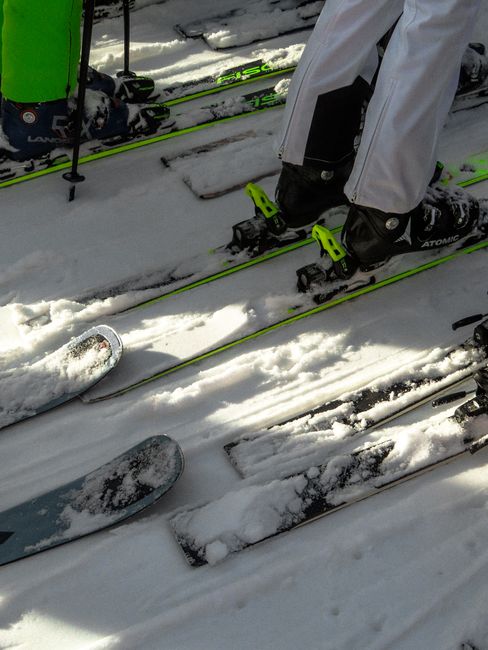
Equipment is a vital consideration for any ski trip. Decide whether to rent or buy. For occasional skiers, renting is usually more economical. Most resorts offer rental shops on-site or nearby, providing a convenient option for skis, boots, poles, and helmets. Booking rental equipment in advance can sometimes secure better prices and ensure availability, especially during peak season. If you are a frequent skier and plan to ski more than a few days a season, investing in your own equipment might be a wise long-term decision. Consider the type of skiing you plan to do when selecting rental or purchase options; all-mountain skis are versatile, while powder skis are designed for deep snow.
Ski lessons are highly recommended for beginners and beneficial for intermediate skiers looking to refine their technique or tackle more challenging terrain. Most resorts offer a range of lesson types, from group lessons for beginners to private lessons for personalized instruction. Booking lessons in advance is crucial, as they often fill up quickly. Consider the age and skill level of your group when choosing lessons. Many resorts have dedicated ski schools for children, offering a safe and engaging learning environment. Even experienced skiers can benefit from a refresher lesson, particularly if transitioning to a new type of terrain or if they haven’t skied in a while.
Packing efficiently for a ski trip is essential for comfort and practicality. Layering is key to managing body temperature. Essential clothing includes a waterproof and windproof outer layer (jacket and pants), a warm insulating layer (fleece or down jacket), and a moisture-wicking base layer (long underwear). Don’t forget warm socks (wool or synthetic), waterproof gloves or mittens, a warm hat that covers your ears, and a neck gaiter or balaclava. Goggles are essential for protecting your eyes from sun, wind, and snow. Sunscreen and lip balm with SPF are critical, as the sun’s rays are amplified at altitude. Pack comfortable après-ski wear for relaxing after a day on the slopes. Consider bringing a small backpack for carrying water, snacks, and extra layers on the mountain.
Pre-trip research into local dining and grocery options can significantly impact your budget and culinary experience. Many ski resorts offer a wide range of dining, from casual cafeterias and pub fare to upscale fine dining. Research restaurant reviews and make reservations for popular establishments, especially for dinner. If your accommodation has a kitchen, planning to prepare some meals can lead to substantial cost savings. Grocery stores in ski towns can be more expensive than in urban areas, so consider stocking up on non-perishable items before you leave home if possible, or factor in the cost of resort-town groceries.
Understanding resort rules and etiquette is vital for a safe and enjoyable experience. Familiarize yourself with the Skier’s Responsibility Code, which outlines safety guidelines for slope use. This includes maintaining control, yielding to skiers downhill, and obeying signage. Be aware of lift line etiquette and common courtesy on the slopes. Respecting other skiers and snowboarders contributes to a positive atmosphere. Familiarize yourself with the resort’s trail map before you start skiing each day.
Transportation to and around the resort requires careful planning. If flying, book flights well in advance for the best prices. Research shuttle services or rental car options from the airport to the resort. Once at the resort, consider its walkability and the availability of local shuttle services. Many resorts offer free shuttle buses that connect various parts of the village and access different base areas, reducing the need for a personal vehicle once you arrive. If you do rent a car, be prepared for winter driving conditions and ensure you have appropriate tires.
Considering off-slope activities can enhance your ski trip beyond just skiing. Many resorts offer a variety of other winter pursuits, such as snowshoeing, cross-country skiing, ice skating, tubing, and sleigh rides. Some destinations also have hot springs, museums, or vibrant village centers with shops and entertainment. Research these options to cater to diverse interests within your group or to provide a change of pace from skiing.
Creating a detailed itinerary, even a flexible one, helps organize your days and ensure you make the most of your time. Outline which runs you want to explore, potential lunch spots, and any planned evening activities. This reduces decision fatigue on the mountain and allows for efficient use of your time. However, remain flexible and adapt to weather conditions or unexpected opportunities.
Travel insurance is a crucial, often overlooked, aspect of ski trip planning. It can cover unexpected medical emergencies, trip cancellations or interruptions due to weather or illness, and lost or damaged luggage. Given the inherent risks associated with skiing and the potentially high costs of medical care in remote locations, comprehensive travel insurance is a wise investment. Read the policy carefully to understand what is covered and any exclusions.
Pre-trip physical preparation can significantly improve your comfort and performance on the slopes. Engage in cardiovascular exercises and strength training, focusing on legs and core muscles. Stretching regularly can help prevent injuries. Even a few weeks of preparation can make a noticeable difference in your stamina and ability to handle the physical demands of skiing.
Familiarize yourself with the latest snow reports and weather forecasts closer to your departure date and throughout your trip. This information is vital for making informed decisions about where to ski, what to wear, and potential safety concerns. Many resort websites and ski apps provide real-time snow depth, recent snowfall, and detailed weather predictions.
Post-trip, take time to review your expenses, reflect on what worked well, and identify areas for improvement for future ski trips. This continuous improvement process will ensure subsequent mountain adventures are even more successful. Documenting key decisions and costs can be invaluable for future planning.