Electric Safari Car Maasai
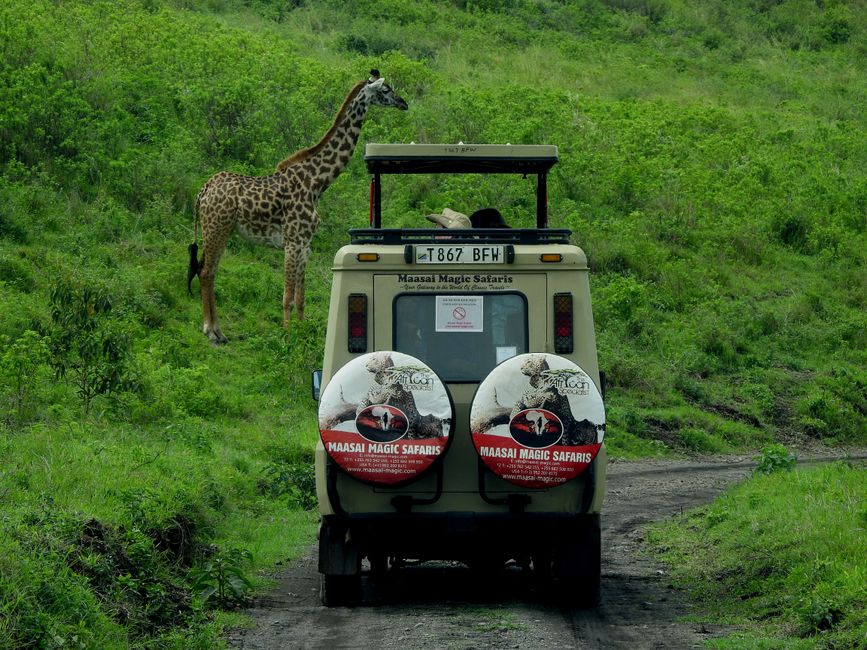
The Future of African Safaris: Electric Vehicles and the Maasai Experience
The iconic safari, a cornerstone of African tourism, is undergoing a transformative shift, and at the forefront of this evolution stands the electric safari car, increasingly intertwined with the rich cultural heritage of the Maasai people. This article delves into the profound implications of adopting electric vehicles (EVs) for safari operations, focusing on their environmental benefits, operational advantages, and the unique synergy they are fostering with the Maasai communities who are central to the safari experience.
The traditional safari vehicle, typically a robust four-wheel-drive gasoline or diesel engine behemoth, has long been a symbol of adventure. However, its environmental footprint, characterized by noise pollution, exhaust emissions, and reliance on fossil fuels, is becoming increasingly unsustainable. Electric safari cars offer a compelling alternative, promising a quieter, cleaner, and more immersive wildlife viewing experience. Their near-silent operation minimizes disturbance to animals, allowing for closer, more natural encounters. This reduction in noise pollution is particularly crucial in sensitive ecosystems, where the stress caused by loud engines can disrupt animal behavior, breeding patterns, and migratory routes. Furthermore, eliminating tailpipe emissions directly combats air pollution, contributing to healthier environments for both wildlife and the human populations that inhabit these regions, including the Maasai. The long-term economic benefits of transitioning to electric vehicles also hold significant appeal. While the initial investment in an EV might be higher, the reduced operational costs, stemming from lower fuel expenses and less frequent maintenance due to fewer moving parts, can lead to substantial savings over the vehicle’s lifespan. This economic advantage can be reinvested into conservation efforts or directly benefit local communities.
The Maasai, indigenous pastoralists of Kenya and Tanzania, have been guardians of their ancestral lands and wildlife for centuries. Their deep understanding of the environment and their intimate connection with the natural world make them invaluable partners in the modern safari industry. The introduction of electric safari cars presents a unique opportunity to deepen this partnership and empower Maasai communities. Historically, Maasai involvement in tourism has often been limited to providing cultural demonstrations or acting as guides. However, with the advent of EVs, there’s a growing potential for them to become integral to the operational and technological aspects of safaris. This can include training Maasai individuals as EV mechanics, charging station technicians, and even EV tour guides, equipping them with valuable skills for a future-oriented industry. This not only diversifies employment opportunities within Maasai communities but also fosters a sense of ownership and stewardship over the tourism sector that relies on their land and culture. The quiet nature of electric vehicles also enhances the authenticity of the safari experience, aligning more closely with traditional Maasai methods of observing wildlife, which often involved stealth and minimal disturbance.
The technical advantages of electric safari cars are multifaceted. Unlike their combustion engine counterparts, EVs offer instant torque, providing smooth and responsive acceleration, which is beneficial for navigating challenging terrain. The regenerative braking system in EVs captures energy that would otherwise be lost as heat, converting it back into electrical energy to recharge the battery. This not only increases efficiency but also reduces wear and tear on traditional braking components. The reduced complexity of EV powertrains – fewer moving parts, no need for oil changes, and simpler cooling systems – translates to significantly lower maintenance requirements. This is a crucial factor for safari vehicles operating in remote locations where access to specialized mechanics and spare parts can be challenging. The robust design and construction of safari-grade EVs are paramount. They must be built to withstand the rigors of off-road driving, variable weather conditions, and the constant demands of transporting tourists. Manufacturers are increasingly focusing on developing specialized electric powertrains and battery management systems that can deliver the necessary power and range for extended game drives, often in areas with limited charging infrastructure. Battery technology is rapidly advancing, with improvements in energy density and charging speeds making EVs increasingly viable for demanding applications like safaris.
The environmental impact of electric safari cars is arguably their most significant advantage. By eliminating tailpipe emissions, they contribute to cleaner air and a healthier ecosystem. This is particularly important in fragile environments where air quality is crucial for the well-being of both wildlife and local populations. The reduction in noise pollution is also a major boon for wildlife. Many animal species are sensitive to sound, and the disruptive noise of internal combustion engines can cause stress, alter behavior, and even lead to animals fleeing from prime viewing areas. Electric vehicles, operating at a fraction of the noise level, allow for a more peaceful and natural observation of wildlife, leading to more authentic and less intrusive encounters. This also benefits the overall visitor experience, as the serenity of the bush is better preserved. Furthermore, the shift to electricity can be powered by renewable energy sources. Many safari lodges and conservancies are investing in solar power, which can then be used to charge the electric safari fleets. This creates a closed-loop system, further minimizing the carbon footprint of the entire safari operation and demonstrating a commitment to sustainable tourism practices. The financial aspect of reducing reliance on fossil fuels is also a significant incentive. Fluctuations in global oil prices can directly impact the operational costs of traditional safari vehicles. By switching to electricity, operators can achieve greater price stability and predictability in their running expenses.
The integration of electric vehicles into safari operations necessitates a thoughtful approach to charging infrastructure. This involves establishing charging stations at lodges, strategically placed within conservancies, and potentially developing mobile charging solutions for extended expeditions. The development of robust and reliable charging solutions is paramount for ensuring the operational continuity of electric safari fleets. This includes considering the availability of reliable electricity sources in remote areas, the speed of charging, and the durability of charging equipment in harsh environmental conditions. Many forward-thinking safari operators are investing in off-grid charging solutions powered by solar energy, further enhancing the sustainability of their operations. The training of local staff, including members of the Maasai community, in the maintenance and operation of charging infrastructure is crucial for long-term success and community empowerment. This creates local expertise and reduces reliance on external technicians, fostering self-sufficiency. The management of battery life and replacement is another important consideration. While EV batteries are designed for longevity, eventual replacement will be necessary. Responsible battery disposal and recycling programs are essential to mitigate any potential environmental impact associated with end-of-life batteries. Manufacturers and operators must collaborate to establish sustainable end-of-life battery management strategies.
The economic benefits for Maasai communities are a critical component of the electric safari revolution. As mentioned earlier, the transition to EVs opens up new avenues for employment and skills development. Beyond technical roles, Maasai guides can leverage the enhanced, unobtrusive wildlife viewing experiences offered by electric vehicles to provide even richer narratives and insights into the natural world. Their traditional knowledge, combined with the quiet operation of EVs, creates an unparalleled safari experience that is both educational and deeply respectful of the environment. Furthermore, the reduced operational costs for safari operators can translate into greater profitability, allowing for increased investment in community development projects, conservation initiatives, and improved infrastructure within Maasai lands. This creates a virtuous cycle where sustainable tourism directly benefits the people and the environment. The development of bespoke electric safari vehicles tailored to the specific needs and terrains of East African safaris is also a burgeoning area. These vehicles are designed for durability, passenger comfort, and optimal wildlife viewing, often incorporating features that blend modern technology with traditional safari aesthetics. The involvement of Maasai communities in the design and testing phases can ensure that these vehicles are not only technologically advanced but also culturally relevant and practical for their intended use.
The narrative of the Maasai and their ancestral lands is deeply intertwined with the future of African wildlife conservation. As the custodians of vast tracts of land that are home to iconic species, their involvement and benefit from tourism are paramount. Electric safari cars, by offering a more sustainable and less disruptive mode of wildlife viewing, align perfectly with the Maasai’s long-held principles of coexisting with nature. The economic empowerment derived from operating and maintaining these vehicles, coupled with the enhanced visitor experience they facilitate, strengthens the case for continued conservation efforts. When local communities see tangible economic benefits from protecting wildlife and their habitats, they become more invested in their preservation. The noise and pollution associated with traditional safari vehicles can inadvertently create a disconnect between the visitor experience and the natural environment, potentially undermining conservation messages. Electric vehicles, by promoting a quieter, more immersive connection with nature, foster a deeper appreciation for the wildlife and the delicate ecosystems they inhabit. This, in turn, can translate into greater support for conservation initiatives from tourists and stakeholders alike.
The development and deployment of electric safari cars are not without their challenges. The availability and reliability of charging infrastructure in remote areas remain a significant hurdle. The initial cost of electric vehicles and charging equipment can also be a barrier to entry for smaller operators. However, ongoing technological advancements, decreasing battery costs, and increasing government incentives are steadily addressing these challenges. The adaptation of existing vehicle fleets to electric powertrains, where feasible, is also an option being explored. The training and upskilling of mechanics and technicians to service and maintain electric vehicles are crucial for the long-term sustainability of this transition. The Maasai communities, with their inherent resilience and adaptability, are well-positioned to embrace these new opportunities and contribute significantly to the evolving landscape of African safari tourism. Their active participation in training programs and their role in managing charging infrastructure will be vital for the successful widespread adoption of electric safari cars. The future of the African safari is undeniably electric, and the Maasai are integral to its sustainable and enriching evolution.
The global shift towards electric mobility is accelerating, and the tourism sector is a key area where this transition can have a profound positive impact. For African safaris, the adoption of electric vehicles represents more than just a technological upgrade; it signifies a commitment to a more responsible and sustainable form of tourism. This shift aligns with the growing demand from eco-conscious travelers who seek authentic experiences that minimize their environmental footprint. The unique partnership between electric safari car technology and the Maasai people is a powerful testament to how innovation can be harmonized with tradition to create a truly exceptional and beneficial outcome. By embracing electric vehicles, safari operators can not only reduce their environmental impact but also enhance the quality of the wildlife viewing experience, foster stronger relationships with local communities, and contribute to the long-term preservation of Africa’s invaluable natural heritage. The quiet hum of an electric motor replacing the roar of a combustion engine symbolizes a new era for African safaris, an era defined by sustainability, respect for nature, and a deep, enriching connection with the land and its people, particularly the esteemed Maasai.