Joshua Tree Guide Where To Stay What To Do
Joshua Tree Guide: Where to Stay & What to Do
Joshua Tree National Park, a desert wonderland in Southern California, beckons with its surreal landscapes, iconic flora, and stargazing opportunities. Planning a trip requires understanding the best accommodations and activities to maximize your desert adventure. This guide provides a comprehensive overview, covering everything from lodging options to essential park experiences, ensuring a memorable visit to this unique national park.
Where to Stay: Lodging Options for Every Traveler
Joshua Tree National Park’s popularity necessitates advance booking, especially during peak seasons (spring and fall). Lodging options range from rustic camping within the park to comfortable hotels and unique rentals in surrounding towns.
Camping Inside Joshua Tree National Park: For an immersive experience, camping within the park is unparalleled. Reservations are highly recommended and can be made through Recreation.gov.
- Jumbo Rocks Campground: Offers stunning rock formations and ample space for RVs and tents. Popular for its proximity to hiking trails and climbing routes. Amenities include flush toilets and picnic tables. No water is available.
- Hidden Valley Campground: Nestled amongst towering rock formations, this campground is a hub for rock climbers and hikers. It’s first-come, first-served during certain periods but reservations are often required. Flush toilets and picnic tables are available. No water.
- Ryan Campground: Offers a more serene camping experience with beautiful desert vistas. Amenities include flush toilets and picnic tables. No water.
- Indian Cove Campground: Located in a separate section of the park, this campground is known for its impressive rock formations and bouldering opportunities. Flush toilets and picnic tables provided. No water.
- Belle Campground: Offers a more primitive camping experience with fewer amenities but incredible stargazing opportunities. Flush toilets and picnic tables are available. No water.
- Black Rock Campground: The only campground in the park with potable water, flush toilets, and a dump station, making it ideal for RV travelers. It also offers equestrian sites. Reservations are highly recommended.
Lodging in Joshua Tree and Nearby Towns: For those preferring amenities and a roof over their heads, the towns of Joshua Tree, Twentynine Palms, and Yucca Valley offer a range of accommodations.
- Joshua Tree Town: This charming town is closest to the park’s west entrance and offers a bohemian vibe. You’ll find numerous vacation rentals, including unique desert homes, geodesic domes, and renovated Airstreams, often featuring hot tubs and stunning desert views. Boutique hotels and motels are also available, catering to various budgets.
- Twentynine Palms: Located east of the park, Twentynine Palms provides a more laid-back atmosphere. It offers a wider selection of standard hotel chains, motels, and also boasts a growing number of unique vacation rentals. It’s a convenient base for exploring the park’s north and east entrances.
- Yucca Valley: Situated between Joshua Tree town and Twentynine Palms, Yucca Valley is a larger town with more conventional lodging options, including hotels, motels, and a good selection of Airbnb and VRBO rentals. It’s a good option if you’re looking for more dining and shopping conveniences.
Unique Stays & Glamping: The Joshua Tree area is renowned for its creative and unique accommodations, offering an unforgettable experience beyond traditional hotels.
- Airbnb/VRBO Desert Homes: This is arguably the most popular lodging choice. Search for "Joshua Tree Airbnb" or "Joshua Tree VRBO" to discover architecturally unique homes, cabins, yurts, and domes, many with private pools, hot tubs, outdoor fire pits, and spectacular desert views. Look for listings that emphasize stargazing potential.
- Glamping Sites: Several glamping options offer a more comfortable camping experience with pre-pitched tents, comfortable bedding, and sometimes even private bathrooms. These are ideal for those who want to be close to nature without the hassle of setting up camp.
What to Do: Exploring the Wonders of Joshua Tree
Joshua Tree National Park offers a diverse range of activities for nature enthusiasts, hikers, climbers, and photographers.
Hiking: The park is crisscrossed with trails catering to all fitness levels.
- Barker Dam Nature Trail (1.1 miles, easy): A classic loop leading to a historic dam and often offering a chance to see desert wildlife, including bighorn sheep. Features interpretive signs detailing the area’s history and ecology.
- Hidden Valley Nature Trail (1 mile, easy): A picturesque loop winding through a boulder-strewn canyon, popular with rock climbers and offering stunning views of rock formations.
- Ryan Ranch Hike (3 miles, moderate): Leads to the ruins of a historic ranch, providing a glimpse into the area’s past. The trail offers expansive views of the surrounding desert landscape.
- Skull Rock Nature Trail (1.7 miles, easy): A loop that takes you past the iconic Skull Rock, a naturally formed rock resembling a skull. It’s a relatively flat and accessible trail.
- Wall Street Mill Trail (2.4 miles, easy): Follows the remnants of an old mining operation, showcasing historical artifacts and offering insight into the area’s mining past.
- Lost Horse Mine Trail (4 miles, moderate): A rewarding hike to a remarkably well-preserved gold mine from the late 19th century. Offers panoramic views of the park.
- Fortynine Palms Oasis Trail (3 miles, moderate): A more challenging hike leading to a lush oasis, offering a stark contrast to the surrounding desert. This trail is known for its steep sections and requires good fitness.
- Boy Scout Trail (8 miles, strenuous): A longer, more challenging trail for experienced hikers, offering a true wilderness experience through diverse Joshua Tree landscapes. It’s a point-to-point trail, so plan for transportation.
Rock Climbing and Bouldering: Joshua Tree is a world-renowned destination for rock climbers and boulderers, with thousands of established routes and problems catering to all skill levels.
- Hall of Horrors: A popular area with numerous bouldering problems and some trad climbing routes.
- Blob Rock: A prominent boulder offering a variety of challenging bouldering opportunities.
- Hidden Valley: Offers a great introduction to bouldering with accessible problems.
- The Trash Can: A distinctive rock formation with numerous climbing routes.
- The Arch: Features impressive arches and challenging climbs.
Scenic Drives and Viewpoints: Even if hiking isn’t your primary focus, the park’s scenic drives offer breathtaking vistas.
- Park Boulevard: The main artery of the park, connecting major points of interest and offering numerous pull-offs for photos.
- Keys View: The highest viewpoint in the park, offering panoramic views of the Coachella Valley, Salton Sea, and on a clear day, even Mexico. This is a must-visit, especially at sunset.
- Cap Rock: A distinctive rock formation that serves as a central landmark and a great spot for photos.
- Cholla Cactus Garden: A unique and stunning landscape dominated by dense clusters of cholla cacti, also known as "jumping cactus." Visit during sunrise or sunset for a magical experience, but admire from a safe distance.
Stargazing: Joshua Tree National Park is an International Dark Sky Park, meaning it has exceptionally dark skies free from significant light pollution. This makes it an unparalleled destination for stargazing.
- Best Viewing Locations: Anywhere away from the few developed areas. Campgrounds like Belle, Black Rock, and Indian Cove are excellent. Pull-offs along Park Boulevard also offer good viewing opportunities.
- What to Look For: The Milky Way, constellations, planets, meteors (especially during meteor shower periods).
- Tips: Bring a red-light headlamp to preserve night vision, download a stargazing app, and check the moon phase calendar for optimal viewing (new moon is best).
Wildlife Viewing: While not as abundant as in some other national parks, Joshua Tree is home to a variety of desert creatures.
- Common Sightings: Desert bighorn sheep (especially near water sources like Barker Dam), coyotes, jackrabbits, desert tortoises, various lizards, and numerous bird species.
- Best Times: Dawn and dusk are generally the most active times for wildlife.
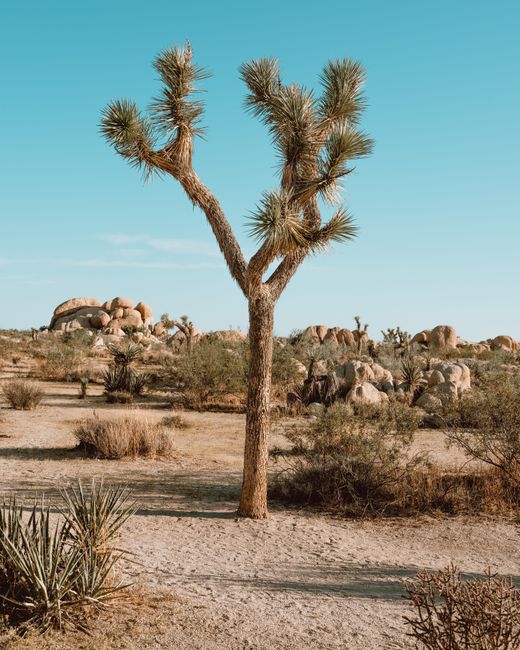
Visiting the Joshua Trees: The iconic Joshua trees themselves are a primary attraction.
- Where to Find Them: They are most abundant in the western and central portions of the park, particularly in the Joshua Tree, Hidden Valley, and Queen Valley areas.
- Photography: The surreal landscape dotted with Joshua trees makes for incredible photographic opportunities, especially during the golden hours of sunrise and sunset.
Exploring the Surrounding Towns: The towns of Joshua Tree, Twentynine Palms, and Yucca Valley offer more than just lodging.
- Joshua Tree Art Scene: Discover local art galleries, quirky shops, and a vibrant community of artists.
- Pioneertown: A historic "Old West" movie set town that has been preserved and now hosts live music and events.
- 29 Palms Inn: A historic desert oasis with a restaurant and charming accommodations, often featuring local art.
- Desert Christ Park: Features a collection of large concrete sculptures depicting the Stations of the Cross.
Practical Tips for Your Joshua Tree Visit:
- Entrance Fees: Check the official Joshua Tree National Park website for current entrance fees and pass options.
- Water: Carry more water than you think you’ll need. There is no potable water available inside the park except at Black Rock Campground.
- Sun Protection: Hats, sunscreen, and sunglasses are essential due to the intense desert sun.
- Footwear: Sturdy, closed-toe hiking shoes are recommended for all trails.
- Weather: Desert temperatures can fluctuate dramatically. Be prepared for both hot days and cool nights, especially in spring and fall. Summer months are extremely hot.
- Leave No Trace: Pack out everything you pack in, stay on designated trails, and respect wildlife.
- Cell Service: Cell service is very limited within the park. Download offline maps and information before you arrive.
- Gas: Fill up your gas tank before entering the park, as there are no gas stations within the park boundaries.
- Ranger Programs: Check the park’s visitor center for schedules of ranger-led programs, which can enhance your understanding of the park’s ecology and history.
- Visitor Centers: Stop by the Joshua Tree Visitor Center or the Oasis Visitor Center in Twentynine Palms for maps, information, and to speak with park rangers.
By understanding the diverse lodging options and planning your activities in advance, you can fully immerse yourself in the awe-inspiring beauty of Joshua Tree National Park.