Japan Hiking Oku Matsushima Trail
Oku Matsushima Trail: An Immersive Guide to Japan’s Coastal Hiking Gem
The Oku Matsushima Trail, nestled within the Matsushima Bay National Park in Miyagi Prefecture, Japan, offers a compelling alternative to the more conventionally celebrated viewpoints of Matsushima. This meticulously maintained hiking path winds through a lesser-explored, yet equally captivating, section of the bay, providing an intimate encounter with the region’s unique island topography and coastal flora. Unlike the crowded ferry tours that skirt the prominent islands, the Oku Matsushima Trail allows for a deeper, more personal connection with the landscape, revealing hidden coves, secluded beaches, and panoramic vistas that unfold with each step. The trail’s strategic placement ensures a constant dialogue between the hiker and the sea, with the gentle lapping of waves and the cry of gulls providing a constant soundtrack. It is an experience that appeals to seasoned hikers seeking challenging terrain and to nature lovers yearning for tranquility and an authentic glimpse into the natural beauty of Japan’s Pacific coast.
The Oku Matsushima Trail’s accessibility is a significant factor in its appeal. While it requires a degree of planning, it is not an insurmountable undertaking for the average traveler. The nearest major transportation hub is Sendai, Miyagi’s prefectural capital. From Sendai Station, one can take a JR Senseki Line rapid train to Matsushima-Kaigan Station. This journey typically takes around 30 to 40 minutes and offers scenic glimpses of the countryside. Upon arrival at Matsushima-Kaigan Station, a short bus ride or a moderately paced walk will bring you to the trailhead. For those opting for a bus, local routes connect the station to various points around Matsushima Bay, and inquiries at the tourist information center can clarify which bus best serves the Oku Matsushima Trail starting points. Alternatively, taxis are readily available, offering a more direct but pricier option. Understanding these transit logistics beforehand is crucial for a seamless beginning to your Oku Matsushima hiking adventure, setting the stage for an uninterrupted immersion in its natural splendor.
The Oku Matsushima Trail itself is a well-marked network of paths, varying in difficulty and length, catering to a spectrum of hiking preferences. The primary Oku Matsushima Trail, often considered the core experience, typically takes between 2 to 3 hours to complete at a leisurely pace, covering approximately 5 to 7 kilometers. However, the trail system branches out, offering shorter loop options or the possibility of extending the hike by connecting with adjacent coastal paths. The terrain is predominantly a mix of well-trodden dirt paths, wooden boardwalks that gracefully traverse marshy areas, and occasional sections of rocky, uneven ground. Hikers should anticipate some inclines and declines, particularly as the trail navigates the undulating coastline and the smaller hills that punctuate the landscape. The presence of numerous viewing platforms and rest stops strategically placed along the route ensures that even those who prefer a less strenuous pace can fully appreciate the breathtaking scenery.
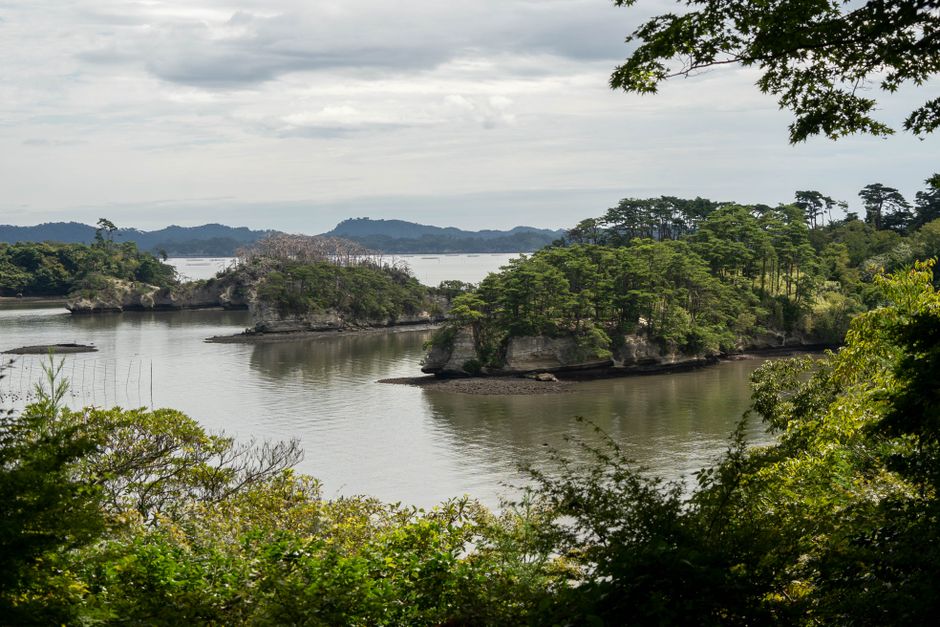
The ecological significance of the Oku Matsushima Trail is profoundly tied to its location within Matsushima Bay, one of Japan’s Three Most Scenic Views. The bay’s unique ecosystem, characterized by a multitude of pine-clad islands and nutrient-rich waters, supports a diverse array of flora and fauna. As you traverse the Oku Matsushima Trail, you will encounter a rich tapestry of coastal vegetation. Dominant are the iconic Japanese black pines (Pinus thunbergii), their gnarled branches reaching out towards the sea, providing a characteristic silhouette against the azure backdrop. Beneath the pines, various shrubs and wildflowers bloom, their colors shifting with the seasons. In spring and summer, expect to see vibrant displays of azaleas and hydrangeas, while autumn brings a more muted palette of earthy tones. The salty air, laden with the scent of pine needles and sea spray, is invigorating and contributes to the trail’s unique sensory experience. Birdlife is also abundant, with various species of seabirds, including seagulls and cormorants, being common sights. The quieter, more secluded nature of the Oku Matsushima Trail, compared to the main Matsushima tourist areas, often allows for closer and more undisturbed wildlife observation.
Geologically, the Oku Matsushima Trail showcases the erosional forces that have shaped this remarkable coastline over millennia. The countless islands dotting the bay are the remnants of ancient volcanic activity and subsequent weathering. The trail often follows the contours of the mainland, offering intimate views of these eroded formations. You’ll observe sea caves, wave-cut platforms, and sheer cliffs that have been sculpted by the relentless action of the sea. The distinctive shapes of the islands, often likened to mythical creatures or everyday objects, are a testament to this ongoing geological drama. The Oku Matsushima Trail provides a unique vantage point to appreciate these natural sculptures, allowing for a detailed examination of their textures and formations that a distant ferry view cannot replicate. The varied geological features also contribute to the microclimates found along the trail, influencing the distribution of plant life.
The Oku Matsushima Trail is not merely a physical journey; it’s a cultural and historical immersion. While the primary focus is natural beauty, the region surrounding Matsushima Bay boasts a rich history, particularly related to samurai lords and the famed poet Matsuo Bashō. Though the Oku Matsushima Trail itself may not feature prominent historical ruins, its proximity to historical sites and its tranquil setting evoke a sense of timelessness. The contemplative atmosphere of the trail lends itself to reflection on the cultural significance of this bay. Hikers might ponder Bashō’s famous haiku, inspired by Matsushima, and how the tranquil, less-traveled paths of Oku Matsushima offer a different, perhaps more intimate, perspective on the very scenery that moved the master poet. Local lore speaks of hidden coves that may have once served as clandestine meeting points or shelters, adding an intriguing layer of mystery to the landscape.
For optimal enjoyment and safety, proper preparation for hiking the Oku Matsushima Trail is paramount. The best times to visit are during the spring (April to May) and autumn (September to October). These seasons offer pleasant temperatures, reduced humidity, and beautiful natural displays – cherry blossoms in spring and vibrant foliage in autumn. Summer can be quite hot and humid, making hiking more challenging, while winter, though offering clear skies, can be chilly and windswept.
Essential gear includes comfortable, sturdy hiking shoes with good ankle support, as the terrain can be uneven. Lightweight, breathable clothing is recommended, and layering is wise to adapt to changing weather conditions. A waterproof and windproof jacket is advisable, especially given the coastal location. Sun protection is crucial, even on cloudy days; this includes sunscreen, a hat, and sunglasses. Plenty of water is a must, as rehydration points are scarce along the trail. Carrying energy-boosting snacks like trail mix or energy bars will also be beneficial. A basic first-aid kit, including antiseptic wipes, bandages, and pain relievers, is a prudent addition. A map of the Oku Matsushima Trail, even though it is well-marked, can provide reassurance and help with navigation, especially if you choose to explore the more intricate sections of the trail system. A fully charged mobile phone is essential for communication and potential emergency use.
Navigational aids on the Oku Matsushima Trail are generally excellent. Signposts are clearly marked in Japanese and often include English translations, indicating trail names, distances, and estimated times to various points. These signs are usually accompanied by diagrams showing the trail network, which can be helpful for planning your route and understanding connectivity with other paths. The paths themselves are well-maintained, minimizing the risk of getting lost. However, as with any hiking, remaining aware of your surroundings and occasionally checking your map or GPS device is always a good practice, especially when venturing onto less-traveled spurs.
The Oku Matsushima Trail offers a diverse range of visual experiences. As you ascend slightly, panoramic views of Matsushima Bay unfold, revealing the iconic island formations from a unique perspective. The interplay of light and shadow on the water, the vibrant green of the pines against the blue sea, and the distant horizon create a constantly shifting tableau. Secluded beaches, accessible via short detours from the main trail, provide opportunities for quiet contemplation or a refreshing break. Look for the distinctive shapes of the islands, some appearing sharp and rugged, others smooth and rounded, each a testament to the power of nature. The trail also winds through dense pine forests, offering a shaded respite from the sun and a different, more intimate sensory experience – the scent of pine, the rustling of leaves, and the dappled sunlight filtering through the canopy. Keep an eye out for local flora and fauna; the subtle beauty of wildflowers or the quick dart of a small animal can add unexpected delights to your hike.
For photographers, the Oku Matsushima Trail presents an abundance of opportunities. The iconic Matsushima Bay scenery is best captured from elevated viewpoints along the trail, offering sweeping vistas. The interplay of light on the water, particularly during the golden hours of sunrise and sunset, can produce dramatic and beautiful images. The gnarled pines, with their unique forms, are compelling subjects, especially when framed against the sea or sky. Don’t overlook the details: the texture of weathered rocks, the delicate petals of wildflowers, or the patterns of the waves on a secluded beach can all make for striking photographs. Experiment with different focal lengths and perspectives to capture the breadth of the landscape and its intricate details. The less crowded nature of the Oku Matsushima Trail also allows for more unhurried photography sessions, giving you the time to compose your shots perfectly.
While the Oku Matsushima Trail is primarily a self-guided experience, guided tours focusing on the natural aspects of Matsushima Bay can sometimes be found in the main Matsushima tourist areas. These tours might offer a more in-depth understanding of the local ecology and geology. However, for those who prefer the freedom and solitude of independent exploration, the Oku Matsushima Trail is perfectly suited. Tourist information centers in Matsushima, particularly near the train station, are valuable resources for obtaining maps, local information, and advice on trail conditions. They can also provide insights into seasonal events or local recommendations.
In conclusion, the Oku Matsushima Trail offers a profound and rewarding hiking experience for those seeking to connect with the natural beauty of Japan’s coast beyond the well-trodden tourist paths. Its well-maintained trails, diverse scenery, and tranquil atmosphere make it an ideal destination for nature lovers, hikers, and photographers alike. By understanding the accessibility, ecological significance, geological features, and practical preparation required, visitors can fully immerse themselves in the captivating allure of Oku Matsushima, discovering a deeper appreciation for this UNESCO World Heritage-listed bay. The trail serves as a gentle yet impactful reminder of the enduring beauty of Japan’s natural landscapes, offering a unique perspective on one of the nation’s most celebrated views.