Mammoth Cave National Park
Mammoth Cave National Park: A Subterranean Wonderland of Limestone and History
Mammoth Cave National Park, nestled within the rolling hills of south-central Kentucky, protects the longest known cave system in the world. Its sprawling limestone corridors, sculpted over millennia by the slow, persistent work of water, offer a glimpse into a subterranean realm unlike any other. This UNESCO World Heritage Site is not merely a geological marvel; it is a living testament to the adaptive ingenuity of both nature and humanity, boasting a rich history that spans from ancient indigenous peoples to the modern era of conservation and exploration. The park’s primary draw is, of course, its immense cave system, a labyrinth of passageways, vast chambers, and intricate formations that beckon exploration. While much of the system remains unmapped and undiscovered, the accessible portions offer a diverse range of experiences, from gentle strolls through illuminated pathways to strenuous expeditions into the undeveloped wilderness of the cave.
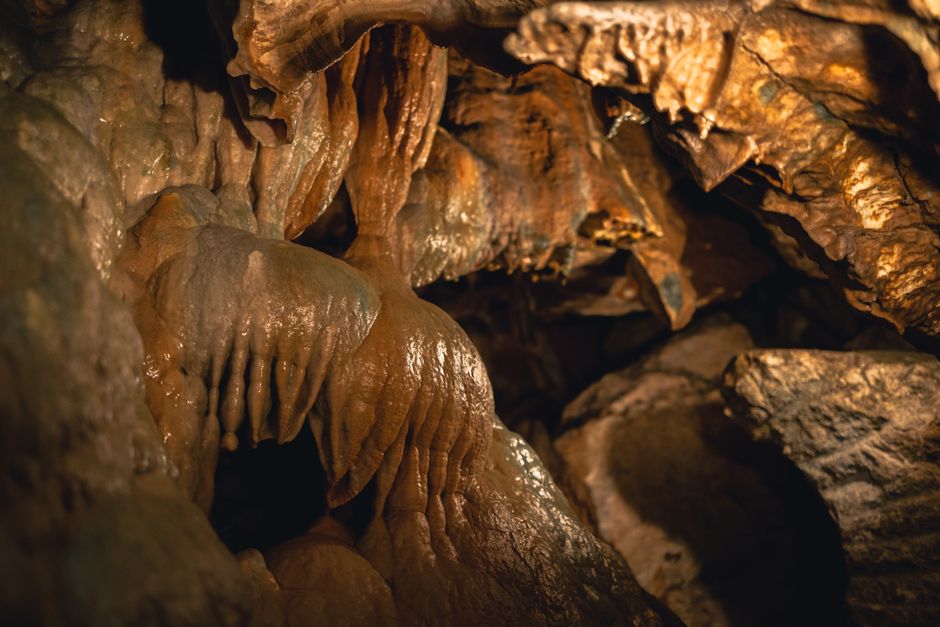
The geological story of Mammoth Cave is one of patient artistry. Over millions of years, slightly acidic groundwater has dissolved the soluble Mississippian-era limestone, carving out a network of conduits that form the cave’s impressive scale. This process, known as karst topography, is evident both above and below ground. On the surface, sinkholes, disappearing streams, and underground rivers are characteristic features. Within the cave, the results of this dissolution are breathtaking. Stalactites, hanging like frozen icicles from the ceiling, and stalagmites, rising from the floor, are the most iconic cave formations, formed by the slow drip of mineral-rich water. Beyond these, however, lie a multitude of other geological wonders: delicate soda straws, shimmering helictites that defy gravity, massive flowstone draperies, and gypsum flowers, all contributing to the cave’s visual spectacle. The sheer size of some of the chambers, such as the Grand Avenue, is awe-inspiring, hinting at the immense power of erosion and the vastness of the hidden world.
Beyond its geological significance, Mammoth Cave boasts a remarkable human history. Evidence suggests that Native Americans began exploring and utilizing the cave as early as 4,000 years ago. They used the cave for shelter, hunting game that ventured inside, and, most notably, for saltpeter mining. Saltpeter, a key ingredient in gunpowder, was extracted from the guano of bats that inhabited the cave. Archeological finds, including mummified remains and ancient tools, provide tangible links to these early inhabitants, underscoring the cave’s long-standing importance to human life in the region. Later, during the 19th century, the cave gained notoriety as a tourist attraction. Entrepreneurs recognized its commercial potential, offering tours and capitalizing on its natural wonders. This early tourism, though sometimes exploitative, laid the groundwork for the park’s eventual designation and the development of regulated access to its depths.
Mammoth Cave National Park is divided into distinct zones, each offering a unique perspective on the cave and its surrounding environment. The Historic Entrance area provides access to some of the oldest and most well-known tours, allowing visitors to walk in the footsteps of early explorers and tourists. Here, the iconic Historic Tour takes visitors through passages first explored in the early 1800s, showcasing remnants of saltpeter mining operations and offering glimpses of the cave’s early commercial history. The Frozen Niagara Tour, while shorter, is renowned for its spectacular formations, particularly the "Frozen Niagara" drapery, a massive sheet of flowstone that resembles a frozen waterfall. This tour is an excellent introduction to the cave’s aesthetic beauty.
Moving deeper into the cave system, the Deeper Tours offer a more immersive experience. The River Styx Tour delves into a lower level of the cave, where the subterranean River Styx flows, adding an element of mystery and an opportunity to see how water continues to shape the cave. For the more adventurous, the Wild Cave Tour is a rigorous, multi-hour expedition that involves crawling, climbing, and wading through undeveloped passages. This tour demands a high level of physical fitness and a spirit of exploration, allowing participants to experience the cave as true spelunkers. The park also offers various ranger-led programs that delve into specific aspects of the cave’s natural and human history, catering to diverse interests and age groups.
The surface environment of Mammoth Cave National Park is equally vital, though often overshadowed by its subterranean counterpart. The park encompasses over 52,000 acres of diverse habitats, including hardwood forests, rolling hills, and riparian areas along the Green River and its tributaries. This surface landscape is an integral part of the karst ecosystem, providing the crucial link between the atmosphere and the cave below. The porous limestone allows rainwater to infiltrate the ground, becoming the primary source of water for the cave system. The health of the surface forests plays a direct role in the quality of the water that seeps into the caves, influencing the rate of dissolution and the types of cave formations that develop.
Wildlife in the park is abundant and varied. White-tailed deer are commonly seen grazing in meadows and along forest edges. Smaller mammals like squirrels, chipmunks, and raccoons are also present. The park is a haven for a diverse array of bird species, with opportunities for birdwatching year-round. However, the most unique and vulnerable inhabitants reside within the cave itself. The park is home to several species of bats, including the endangered Indiana bat and gray bat, which rely on the cave for hibernation and roosting. The health of these bat populations is a significant conservation concern, and park efforts are focused on protecting their habitats and minimizing human disturbance. The underground rivers also harbor unique aquatic life, including blind cave fish and crayfish, species that have adapted to the perpetual darkness and scarcity of food.
Conservation and research are cornerstones of Mammoth Cave National Park’s mission. The park actively monitors the health of the cave environment, including air quality, water flow, and the populations of its unique inhabitants. Scientific research continues to uncover new aspects of the cave system, from its complex hydrology to its ancient biological history. Understanding the intricate connections between the surface and the subsurface is crucial for effective long-term management. The park collaborates with scientists and researchers from various institutions to expand our knowledge of this extraordinary ecosystem. Protecting the delicate balance of the cave environment from external threats, such as pollution and invasive species, is a constant challenge and a primary focus of the park’s management plan.
Planning a visit to Mammoth Cave National Park requires careful consideration of the vast array of options available. The park offers a range of guided cave tours, varying in length, difficulty, and the specific areas of the cave they explore. It is highly recommended to book tours in advance, especially during peak seasons, as popular tours often sell out. The park also provides opportunities for hiking on its extensive network of surface trails, offering scenic views of the karst landscape and the Green River. Camping facilities are available, providing an immersive experience in the park’s natural beauty. Visitor centers offer educational exhibits, information about ranger-led programs, and the opportunity to speak with park staff who can provide personalized recommendations.
The economic impact of Mammoth Cave National Park extends beyond its immediate region. As a major tourist destination, it draws visitors from across the nation and around the world, contributing significantly to the local and state economies through tourism-related spending. This economic benefit underscores the importance of maintaining and protecting this natural treasure for future generations, not only for its intrinsic value but also for its role in sustainable tourism and economic development. The park serves as an educational resource, inspiring appreciation for geology, natural history, and the importance of conservation.
In summary, Mammoth Cave National Park is a multifaceted destination that offers a profound connection with the natural world. Its immense cave system, a testament to the power of geological processes, is complemented by a rich human history and a vibrant surface ecosystem. From the ancient whispers of indigenous peoples to the ongoing scientific endeavors, the park is a dynamic entity that continues to reveal its secrets. Whether you are an avid spelunker, a history enthusiast, a nature lover, or simply seeking an experience that transcends the ordinary, Mammoth Cave National Park promises an unforgettable journey into the heart of a subterranean wonderland. The ongoing preservation efforts ensure that this irreplaceable natural and cultural heritage will continue to inspire and educate for centuries to come.