Chattanooga Tennessee First Us National Park City
Chattanooga, Tennessee: America’s First National Park City
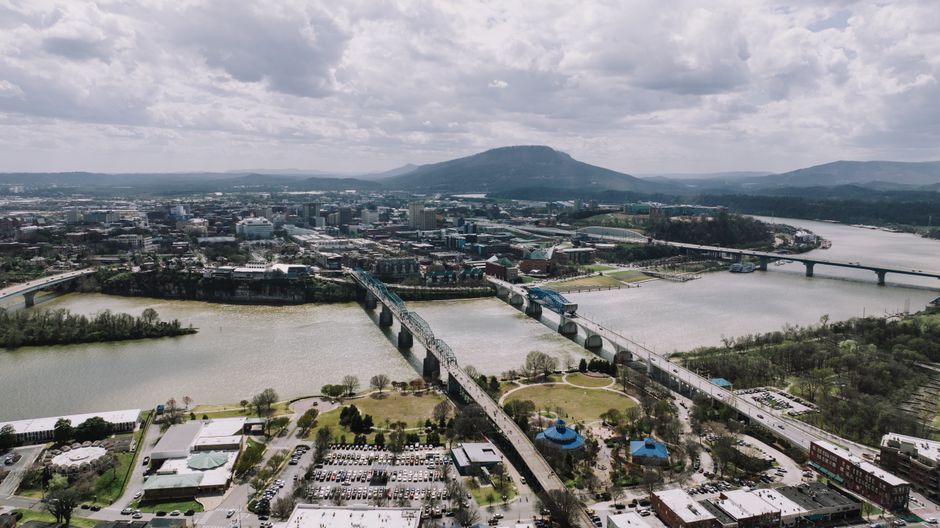
Chattanooga, Tennessee, has officially earned the prestigious designation of America’s First National Park City. This groundbreaking recognition celebrates a city deeply intertwined with its surrounding natural wonders, a testament to decades of dedication towards conservation, outdoor recreation, and accessible green spaces for all its residents and visitors. The National Park City Foundation bestowed this honor, acknowledging Chattanooga’s unwavering commitment to preserving and promoting its extensive network of parks, trails, and waterways, effectively transforming the urban landscape into an extension of the national park experience. This designation is not merely a title; it signifies a paradigm shift in urban planning and community engagement, positioning Chattanooga as a leading example for other cities striving to integrate nature into their core identity and daily lives. The city’s journey to this status is a rich narrative of environmental stewardship, community activism, and strategic vision, transforming a formerly industrial hub into a vibrant outdoor playground.
The foundation’s criteria for designating a National Park City are rigorous, requiring a city to demonstrate a robust commitment to creating and maintaining accessible green spaces, promoting outdoor recreation, and fostering a culture of conservation. Chattanooga not only met but exceeded these benchmarks. Its urban core is interwoven with over 50 miles of greenways and hiking trails, connecting neighborhoods, parks, and natural attractions. The Tennessee River, a central artery flowing through the city, is a vital component of this network, offering opportunities for kayaking, paddleboarding, fishing, and scenic boat tours. The proximity of world-renowned natural landmarks like Lookout Mountain, Signal Mountain, and the Chickamauga and Chattanooga National Military Park further solidifies Chattanooga’s claim as a National Park City. These areas, rich in both natural beauty and historical significance, are seamlessly integrated into the city’s recreational fabric, providing residents with unparalleled access to diverse outdoor experiences. The designation underscores the city’s success in bridging the gap between urban living and the restorative power of nature, making the outdoors an integral part of the Chattanooga lifestyle.
One of the cornerstones of Chattanooga’s National Park City status is its extensive and well-maintained park system. The city boasts numerous parks, from sprawling urban oases like Coolidge Park, with its iconic carousel and pedestrian bridge, to smaller neighborhood green spaces that serve as vital community hubs. Coolidge Park, situated on the north shore of the Tennessee River, is a prime example of how the city has revitalized its waterfront, transforming it into a vibrant public space that attracts locals and tourists alike. Its expansive lawn, interactive fountains, and direct access to the riverfront trail make it a focal point for recreation and community events. Similarly, Point Park on Lookout Mountain offers breathtaking panoramic views of the city and the Tennessee River Gorge, providing crucial access to historical sites and hiking trails managed by the National Park Service. The city’s commitment extends to preserving natural habitats within its limits, with initiatives focused on native plant restoration and wildlife corridor protection. This comprehensive approach ensures that green spaces are not just aesthetically pleasing but are functional ecosystems that contribute to biodiversity and environmental health.
The accessibility of these natural resources is a key factor in Chattanooga’s National Park City designation. The city has invested heavily in creating a network of trails and pathways that are inclusive and accessible to people of all ages and abilities. The Tennessee Riverwalk, a 13-mile paved pathway, meanders along the south bank of the river, providing a safe and scenic route for walking, jogging, cycling, and rollerblading. It connects various parks, attractions, and neighborhoods, offering convenient access to the river and its surrounding natural beauty. Beyond the Riverwalk, a growing network of multi-use trails, including those within the historic Civilian Conservation Corps-era parks, further enhances this accessibility. The city’s public transportation system also plays a role, with routes designed to connect residents to key parks and trailheads, reducing reliance on personal vehicles and promoting sustainable transportation. This commitment to accessibility ensures that the benefits of being a National Park City are truly available to everyone, fostering a sense of ownership and engagement with the natural environment.
The historical significance of Chattanooga’s natural landscapes cannot be overstated. The region played a pivotal role in the Civil War, and many of its most iconic natural features are also hallowed grounds. The Chickamauga and Chattanooga National Military Park, the nation’s first military park, preserves battlefields and historic sites across Georgia and Tennessee, including significant areas within Chattanooga. Lookout Mountain, famous for its "Battle Above the Clouds," offers not only stunning vistas but also a tangible connection to American history. The National Park Service’s stewardship of these areas ensures their preservation for future generations, while their integration into Chattanooga’s outdoor recreation scene allows for a unique blend of historical education and physical activity. This duality – the profound historical weight and the immense recreational potential – sets Chattanooga apart and is a defining characteristic of its National Park City identity. Visitors can hike trails that were once troop movements, explore fortifications, and then, just a short distance away, enjoy the tranquility of a riverfront park.
Environmental stewardship and conservation efforts are deeply ingrained in Chattanooga’s identity as a National Park City. Following a period of significant industrial pollution in the mid-20th century, the city embarked on a remarkable environmental recovery. The "Clean Air Act" lawsuit in the 1960s, initiated by the Chattanooga community, became a catalyst for change, leading to a dramatic improvement in air quality and a renewed focus on environmental protection. This legacy of resilience and commitment to a healthier environment continues today. Numerous organizations and city initiatives are dedicated to preserving natural habitats, protecting water quality in the Tennessee River, and promoting sustainable practices. Efforts include invasive species management, reforestation projects, and the creation of wildlife sanctuaries. The city’s active engagement with these issues demonstrates that being a National Park City is not just about enjoying nature, but also about actively protecting and enhancing it for the long term.
The economic and social benefits of becoming a National Park City are substantial. The designation is a powerful draw for tourism, attracting outdoor enthusiasts, history buffs, and families seeking unique recreational experiences. This influx of visitors supports local businesses, creates jobs, and stimulates economic growth. Beyond tourism, the emphasis on outdoor recreation and accessible green spaces contributes to a higher quality of life for residents. Studies have shown that access to nature can improve physical and mental health, reduce stress, and foster stronger community bonds. The interconnectedness of parks, trails, and waterways encourages social interaction and provides opportunities for community events and gatherings. This has fostered a vibrant outdoor culture in Chattanooga, with a thriving scene for activities like rock climbing, mountain biking, and paddling. The city has become a destination not just for its attractions, but for its lifestyle.
Looking ahead, Chattanooga’s commitment to its National Park City status is ongoing. The city continues to invest in expanding and improving its green infrastructure, with ambitious plans for further trail development, park enhancements, and conservation initiatives. The goal is to continually strengthen the connection between the urban environment and the natural world, ensuring that the National Park City designation remains a dynamic and evolving reflection of the community’s values. This includes ongoing efforts to ensure equitable access to these resources for all communities within Chattanooga, addressing any historical disparities in park access and amenities. The city recognizes that a true National Park City is one where everyone can enjoy the benefits of its natural treasures. This forward-looking approach ensures that Chattanooga will continue to be a model for urban sustainability and outdoor living for years to come.
The National Park City designation is a testament to Chattanooga’s transformation and its dedication to a future where nature and urban life coexist harmoniously. It is a recognition of the collective efforts of its citizens, government, and various organizations who have championed environmental protection and outdoor recreation. As America’s first National Park City, Chattanooga sets a precedent, inspiring a national conversation about how cities can become stewards of their natural surroundings and provide unparalleled access to the restorative power of the outdoors for all. The ongoing development and commitment to this vision solidify Chattanooga’s position not just as a tourist destination, but as a thriving, healthy, and sustainable urban environment deeply connected to the wild heart of its surrounding landscape. The impact of this designation extends far beyond the city limits, offering a blueprint for urban development that prioritizes ecological well-being and the enrichment of human lives through direct engagement with nature.