
Tag Ho Chi Minh City

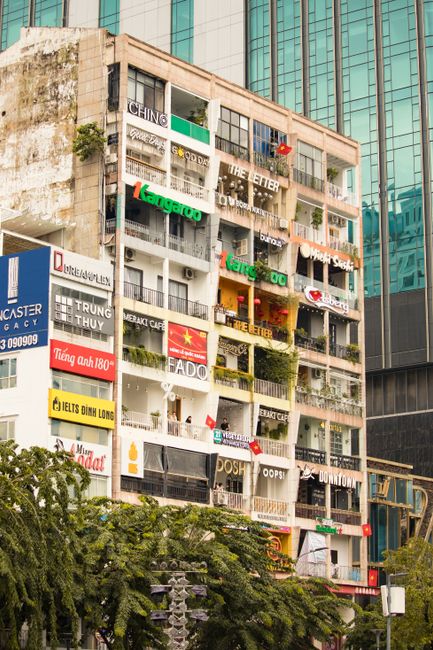
Ho Chi Minh City: A Deep Dive into Vietnam’s Economic and Cultural Epicenter
Ho Chi Minh City (HCMC), formerly known as Saigon, stands as Vietnam’s largest metropolis and its undisputed economic engine. Situated in the southern part of the country, HCMC is a dynamic fusion of history, culture, and modernity, offering a compelling destination for tourists, business travelers, and investors alike. Its strategic location on the Saigon River, part of the Mekong Delta, has historically been a crucial factor in its development as a major port and commercial hub. Today, it’s a vibrant city characterized by a bustling street life, a burgeoning culinary scene, and a palpable sense of energy that reflects Vietnam’s rapid economic growth. Understanding HCMC involves exploring its historical layers, its modern economic prowess, its diverse cultural offerings, and the practicalities of navigating this sprawling urban landscape.
Historical Significance and Transformation
The history of Ho Chi Minh City is deeply intertwined with the broader narrative of Vietnam. Originally a small Khmer fishing village named Prey Nokor, it rose to prominence under Vietnamese rule as Gia Dinh. In the 17th century, it became the administrative center of the Nguyen Lords and later, under French colonial rule, was renamed Saigon and designated as the capital of French Cochinchina. This colonial period left an indelible mark on the city’s architecture, with many grand French colonial buildings still standing as testaments to this era. Following the First Indochina War and the partition of Vietnam, Saigon became the capital of South Vietnam. The city was famously the site of the fall of Saigon in 1975, marking the end of the Vietnam War and the country’s reunification. In 1976, it was renamed Ho Chi Minh City in honor of the Vietnamese revolutionary leader. This renaming symbolized a new era, yet the spirit of Saigon, with its echoes of a bygone colonial and post-colonial past, continues to resonate within the city’s identity. The War Remnants Museum offers a poignant and often harrowing glimpse into the conflict’s impact, while landmarks like the Reunification Palace (formerly the Presidential Palace of South Vietnam) stand as physical reminders of pivotal historical moments. Exploring these sites provides essential context for understanding the resilience and transformation of the city and the nation.
Economic Powerhouse and Business Hub
Ho Chi Minh City is unequivocally Vietnam’s economic powerhouse. It accounts for a significant portion of the nation’s GDP, industrial output, and foreign direct investment. The city’s economy is characterized by its diverse sectors, with manufacturing, services, tourism, and technology all playing crucial roles. Key industries include textiles and garments, electronics, food processing, and petroleum. The city is a magnet for foreign investment, attracting businesses from around the globe seeking to tap into Vietnam’s growing market and its competitive labor force. The establishment of numerous industrial parks and export processing zones around the city has further fueled its manufacturing capabilities. Beyond traditional industries, HCMC is rapidly emerging as a hub for startups and innovation, particularly in the tech sector. Districts like District 1, with its impressive skyline of modern office towers, symbolize this economic dynamism. The presence of multinational corporations, financial institutions, and a burgeoning entrepreneurial ecosystem makes HCMC a critical player in Southeast Asian commerce. For business travelers, understanding the local business etiquette, the regulatory environment, and the logistical considerations is paramount to success. The city’s infrastructure, while continually improving, can present challenges, but its economic vitality and strategic importance remain undeniable.
Cultural Tapestry and Lifestyle
The cultural landscape of Ho Chi Minh City is a rich and complex tapestry woven from centuries of history, diverse influences, and a vibrant contemporary scene. While the echoes of French colonialism are evident in its architecture, the city’s soul is deeply rooted in Vietnamese traditions. The omnipresent aroma of street food, the symphony of motorbike horns, and the lively chatter of street vendors create an immersive sensory experience. Religious sites, such as the Notre Dame Cathedral (a remnant of French influence) and the Jade Emperor Pagoda, showcase the spiritual devotion of its people. The War Remnants Museum, while historical, also offers insights into the resilience and spirit of the Vietnamese people. Beyond the historical and religious, HCMC boasts a thriving contemporary arts and culture scene. Galleries showcasing modern Vietnamese art, independent theaters, and live music venues are increasingly prevalent. The city’s culinary scene is legendary, ranging from humble street food stalls serving pho and banh mi to upscale restaurants offering refined Vietnamese and international cuisine. Exploring the local markets, like Ben Thanh Market, is not just about shopping but also about experiencing the daily life and vibrant social interactions of the city. The energy of HCMC is palpable; it’s a city that never sleeps, with a youthful population driving its modern cultural evolution. Understanding the local customs, the importance of family, and the respect for elders is key to navigating social interactions. The emphasis on communal living and shared experiences is a cornerstone of Vietnamese culture, and this is vividly reflected in the daily life of HCMC.
Navigating Ho Chi Minh City: Practical Considerations
Successfully navigating Ho Chi Minh City requires an understanding of its unique logistical landscape. The city is vast and densely populated, with traffic being a significant consideration. Motorbikes are the dominant mode of transport, and while riding one can be an exhilarating experience, it’s also a challenging and potentially risky endeavor for inexperienced riders. Taxis and ride-sharing services (like Grab) are widely available and offer a more convenient, albeit sometimes slower, alternative. Public transportation, including buses, is an option for budget-conscious travelers, but routes can be complex, and English-speaking assistance may be limited. For short distances within central districts, walking can be a pleasant way to explore, but be prepared for the heat and humidity, especially during the summer months. Accommodation options are diverse, ranging from budget-friendly hostels and guesthouses to luxurious five-star hotels, catering to every type of traveler. Districts like District 1 are central and offer easy access to many attractions, while other districts provide a more local experience at potentially lower price points. Currency is the Vietnamese Dong (VND). While credit cards are accepted in many hotels, larger establishments, and some restaurants, cash is still king for smaller vendors and street food stalls. Learning a few basic Vietnamese phrases, such as greetings and expressions of gratitude, will greatly enhance interactions with locals. Visas are required for many nationalities, so it’s crucial to check visa requirements well in advance of travel.
Key Attractions and Experiences
Ho Chi Minh City offers a wealth of attractions and experiences catering to diverse interests. The Reunification Palace is a must-visit for its historical significance, offering a glimpse into the final days of the Vietnam War. The War Remnants Museum provides a sobering and impactful perspective on the conflict, featuring exhibits of wartime artifacts and photographs. The Notre Dame Cathedral and the Saigon Central Post Office, both striking examples of French colonial architecture, are located in close proximity and are popular landmarks. For a taste of local life and shopping, Ben Thanh Market is an iconic destination, though it’s important to be prepared for bustling crowds and to engage in polite bargaining. The Jade Emperor Pagoda, a beautiful Taoist temple, offers a serene escape with its intricate carvings and incense-laden atmosphere. For panoramic views of the city, the Bitexco Financial Tower boasts an observation deck that provides a stunning vantage point. Exploring the vibrant street art scene, particularly in areas like District 1, reveals the city’s contemporary creative pulse. A culinary tour, whether self-guided or with a local guide, is an essential experience, allowing visitors to sample the diverse and delicious flavors of HCMC. Visiting the Cu Chi Tunnels, a network of underground tunnels used by the Viet Cong during the war, located just outside the city, provides a fascinating historical and tactical understanding of the conflict. Day trips to the Mekong Delta from HCMC offer a chance to experience the lush waterways, floating markets, and rural life of southern Vietnam.
Food and Drink in Ho Chi Minh City
The culinary scene in Ho Chi Minh City is a major draw, offering an explosion of flavors and aromas. Pho, the iconic Vietnamese noodle soup, is a staple, with countless variations available from street stalls to sophisticated restaurants. Banh Mi, a French-inspired baguette sandwich filled with various savory ingredients, is another ubiquitous and delicious street food option. Goi Cuon (fresh spring rolls) and Cha Gio (fried spring rolls) are popular appetizers. Bun Thit Nuong, grilled pork with vermicelli noodles, is a flavorful and satisfying dish. For seafood lovers, the coastal proximity ensures fresh and diverse offerings. Com Tam, broken rice with grilled pork chops, is a hearty and popular local meal. The city also boasts a growing number of international restaurants, reflecting its global connectivity. Vietnamese coffee is an experience in itself, with its strong flavor, often served with condensed milk (ca phe sua da). Exploring the numerous street food vendors is an adventure, offering authentic flavors at incredibly affordable prices. However, it’s advisable to choose vendors that appear busy and have good hygiene practices. The night markets are also excellent places to sample a wide array of local delicacies.
Modern Development and Future Outlook
Ho Chi Minh City is on a trajectory of continuous development and modernization. Its skyline is increasingly punctuated by skyscrapers, reflecting its ambition to become a leading economic center in Asia. Significant investments are being made in infrastructure, including the development of a metro system aimed at alleviating traffic congestion and improving public transportation. The city is also focusing on sustainable development initiatives, addressing environmental concerns that come with rapid urbanization. Its role as a major trading port and its strategic location continue to attract foreign investment, promising further economic growth. The government is actively promoting HCMC as a destination for tourism, business, and innovation. The young, dynamic population is a key asset, driving entrepreneurialism and embracing new technologies. The ongoing digital transformation is evident across various sectors, from e-commerce to smart city initiatives. The future of Ho Chi Minh City appears bright, characterized by its continued economic expansion, its growing international profile, and its evolving cultural landscape, all while striving to balance progress with the preservation of its rich heritage.


