Tag San Juan Mountains
Tag: San Juan Mountains: Colorado’s Rugged Alpine Jewel
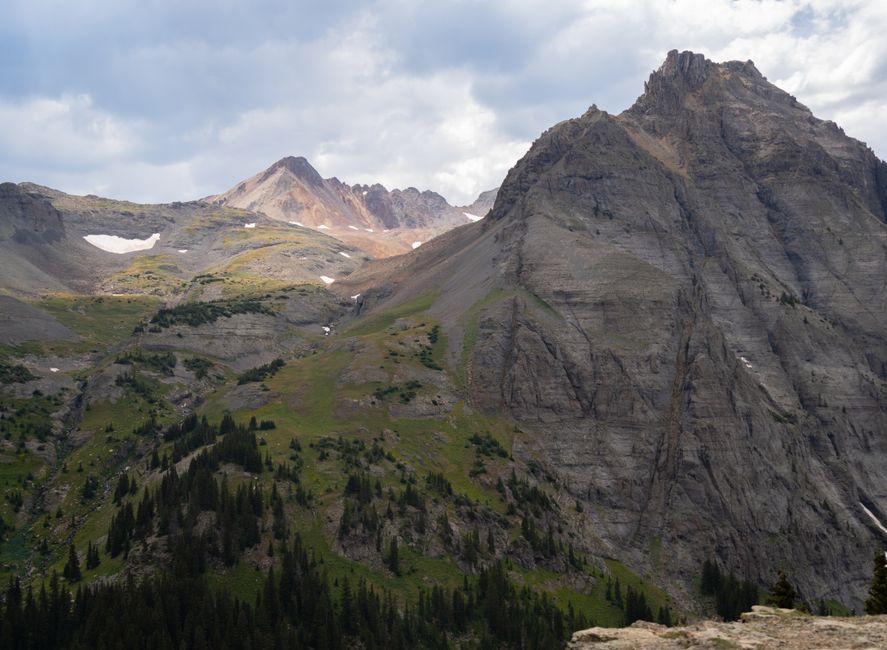
The San Juan Mountains, a majestic range gracing southwestern Colorado, represent a pinnacle of North American alpine scenery. Characterized by dramatic peaks, deep canyons, and an abundance of natural beauty, this region offers unparalleled opportunities for outdoor recreation and exploration. Its geological history is a testament to powerful volcanic activity and glacial sculpting, resulting in the towering fourteen-thousand-foot summits, including iconic peaks like Uncompahgre Peak, Mount Sneffels, and Handies Peak, that define the skyline. The San Juans are not merely a collection of mountains; they are a dynamic ecosystem supporting diverse flora and fauna, from hardy alpine wildflowers to elusive mountain goats and elk. The region’s rich mining history, particularly the boom and bust of silver and gold, has left an indelible mark, with ghost towns and remnants of old mining operations scattered throughout the landscape. For adventurers, the San Juans are a prime destination, offering world-class hiking, challenging climbs, exhilarating mountain biking, and scenic drives that traverse some of the most breathtaking terrain in the United States. Understanding the geography, climate, and recreational opportunities is crucial for anyone planning a visit to this extraordinary mountain range.
The San Juan Mountains are a subrange of the larger Rocky Mountains, extending roughly 150 miles in an east-west direction and 100 miles in a north-south direction. They are bordered by the Uncompahgre Valley to the north, the San Luis Valley to the east, the Animas River Valley to the west, and the San Juan River watershed to the south. This vast area encompasses several distinct geological provinces, each contributing to the unique character of the range. The western San Juans are known for their rugged, volcanic plateaus, while the eastern sections are characterized by more deeply dissected alpine peaks. The range is bisected by the Continental Divide, with rivers and streams flowing eastward towards the Atlantic Ocean and westward towards the Pacific. Key geographical features include the San Juan National Forest, which protects a significant portion of the range, and the Weminuche Wilderness, the largest wilderness area in Colorado, offering true backcountry solitude. The elevation within the San Juans varies dramatically, from valley floors around 6,000 feet to the summits exceeding 14,000 feet. This extreme elevation change contributes to a wide range of microclimates and ecological zones.
The climate of the San Juan Mountains is characterized by its alpine nature: long, cold winters with heavy snowfall and short, mild summers with frequent afternoon thunderstorms. Winter conditions typically begin in late October or November and can persist through April or even May at higher elevations. Snowfall is abundant, making the San Juans a prime destination for winter sports like skiing and snowboarding, particularly in areas like Telluride and Silverton. Avalanche risk is a significant consideration during winter and spring, and backcountry users must be well-informed and equipped. Spring in the San Juans is a transitional period, with snowmelt feeding spectacular wildflower displays as the weather warms. The monsoon season, usually from July to September, brings increased humidity and frequent electrical storms, often developing in the afternoon. These storms can be intense, with heavy rain, hail, and lightning, necessitating careful planning for outdoor activities. Summer temperatures at higher elevations are generally cool, with daytime highs rarely exceeding 70°F, while nighttime temperatures can drop significantly. The growing season is short, but it is during this time that the alpine meadows burst with vibrant colors. Autumn offers a spectacular display of fall foliage, as aspen and other deciduous trees turn brilliant shades of yellow and gold, typically from mid-September to early October. This season is often characterized by clear skies and crisp, cool air, making it ideal for hiking and photography.
The San Juan Mountains are a paradise for outdoor enthusiasts, offering a diverse array of activities throughout the year. Hiking and Backpacking are arguably the most popular pursuits. The Colorado Fourteeners Initiative maintains trails to many of the peaks, providing challenging ascents for experienced hikers. The Colorado Trail, a long-distance hiking trail, traverses a significant portion of the San Juans, offering multi-day backpacking adventures. Numerous day hikes cater to all skill levels, from gentle strolls through subalpine meadows to strenuous climbs to panoramic overlooks. Popular trailheads include those near Crested Butte, Ouray, and Silverton. For those seeking true wilderness immersion, the Weminuche Wilderness offers unparalleled opportunities for remote backpacking and camping.
Mountain Biking is another major draw. The region boasts an extensive network of trails, from flowy singletrack to technical descents. Crested Butte, known as the "Wildflower Capital of Colorado," is also renowned for its mountain biking scene, with trails like the Lupine Trail and the 401 Trail offering iconic rides. Durango also features excellent mountain biking, with the Colorado Trail and the Horse Gulch trail system providing varied terrain. The annual Leadville Trail 100 MTB race, a legendary endurance event, highlights the challenging nature of riding in this high-altitude environment.
Climbing and Mountaineering are for the most experienced adventurers. The San Juans are home to numerous technical climbing routes, including multi-pitch rock climbs and challenging alpine ascents. Peaks like the Sneffels Range offer a variety of climbing challenges, from moderate scrambles to demanding ice and mixed climbing routes in winter. The Ouray Ice Park, a man-made ice climbing venue, attracts climbers from around the world during the winter months.
Scenic Drives are a quintessential San Juan experience. The Million Dollar Highway (US Highway 550) between Durango and Ouray is perhaps the most famous, winding precariously through the mountains with breathtaking vistas and steep drop-offs. Other notable scenic byways include the San Juan Skyway, which loops through the entire region, and the Kebler Pass road near Crested Butte, known for its spectacular fall colors. These drives offer accessible ways to experience the grandeur of the San Juans for those who may not be able to hike or bike.
Winter Sports enthusiasts find a haven in the San Juans. World-class ski resorts like Telluride Ski Resort and Purgatory Resort offer exceptional skiing and snowboarding, with diverse terrain catering to all abilities. The smaller, but equally charming, Silverton Mountain caters to expert skiers seeking extreme backcountry-style terrain. Cross-country skiing and snowshoeing are popular on groomed trails and in the vast backcountry, providing a quieter way to experience the winter landscape. Avalanche safety is paramount in the San Juan backcountry during winter.
Fishing and Boating are popular in the many lakes and reservoirs scattered throughout the San Juans. Rivers like the Animas and the Gunnison offer world-class whitewater rafting and kayaking, particularly during the spring snowmelt. Fly fishing for trout is excellent in many of the high-altitude streams and lakes.
The San Juan Mountains are a treasure trove of natural attractions, offering diverse ecosystems and geological wonders. Black Canyon of the Gunnison National Park lies on the northern edge of the range, a breathtaking chasm carved by the Gunnison River, featuring sheer cliff faces and extreme depths. The park offers hiking, scenic drives, and challenging rock climbing opportunities. Mesa Verde National Park, while technically south of the main range, is a crucial historical and cultural landmark in the broader San Juan region, showcasing well-preserved Ancestral Puebloan cliff dwellings.
The San Juans are also known for their abundant hot springs, offering natural relaxation amidst the rugged mountain scenery. Popular hot springs include those in Ouray, Durango, and Pagosa Springs, providing a welcome respite after a day of outdoor activity.
The region’s rich geological history is evident everywhere. The San Juan Mountains are part of the vast San Juan Volcanic Field, one of the largest volcanic fields in the United States. Evidence of past eruptions can be seen in the volcanic rock formations, calderas, and ash deposits that litter the landscape. Glacial activity has also played a significant role in shaping the mountains, carving out U-shaped valleys, cirques, and alpine lakes. The iconic Ice Lake Basin, near Silverton, is a prime example of a glacially sculpted landscape, renowned for its turquoise waters and stunning alpine scenery.
Flora and Fauna thrive in the varied elevations and microclimates of the San Juans. The lower elevations are characterized by piñon-pine and juniper woodlands, giving way to ponderosa pine and Douglas fir forests as elevation increases. Higher up, subalpine meadows are carpeted with wildflowers during the summer months, including Indian paintbrush, columbine (Colorado’s state flower), and lupine. The alpine tundra above the tree line supports hardy, low-growing vegetation adapted to harsh conditions. The fauna is equally diverse, with elk, mule deer, bighorn sheep, mountain goats, black bears, and various smaller mammals inhabiting the range. Birdlife is abundant, including raptors, grouse, and numerous songbirds.
The mining history of the San Juan Mountains is a significant part of its allure and a vital component of understanding the region’s development. During the late 19th and early 20th centuries, a silver and gold rush transformed the area. Towns like Silverton, Telluride, and Ouray boomed as prospectors flocked to the mountains in search of fortune. The remains of this era are still visible today, with numerous ghost towns like Animas Forks and St. Elmo dotting the landscape, offering a glimpse into the harsh realities and ambitious dreams of early settlers. Many historic mine shafts and buildings can still be explored, though caution is advised due to structural instability. The development of railways, such as the legendary Durango & Silverton Narrow Gauge Railroad, was crucial for transporting ore and passengers, and this historic train still operates today, offering a unique way to experience the stunning mountain scenery and relive the past.
Accessing the San Juan Mountains involves a network of highways and smaller roads. Major gateways include Durango to the south, Montrose to the northwest, and Alamosa to the east. US Highway 160 provides access from the east and west, while US Highway 550, the aforementioned Million Dollar Highway, is the primary north-south artery through the heart of the range. Many of the more remote areas and trailheads are accessible via unpaved forest service roads, which can become impassable during winter and spring. A four-wheel-drive vehicle is often recommended, especially for exploring backcountry areas. Air travel is possible through airports in Durango, Montrose, and Telluride, offering convenient access for visitors coming from further afield. Planning your route and understanding road conditions, particularly during shoulder seasons, is essential for a successful trip.
For those planning an adventure in the San Juan Mountains, comprehensive preparation is key. Understanding the unpredictable alpine weather and packing accordingly, including layers of clothing, rain gear, and sun protection, is paramount. Sturdy hiking boots are essential for the rugged terrain. For backcountry activities, carrying essential safety gear, including a first-aid kit, navigation tools (map, compass, GPS), and sufficient food and water, is non-negotiable. Informing someone of your itinerary and expected return time is a critical safety measure. Respect for the natural environment is also vital. Following Leave No Trace principles – packing out all trash, staying on designated trails, and respecting wildlife – helps preserve the beauty and integrity of this remarkable mountain range for future generations. Engaging with local resources, such as visitor centers and ranger stations, can provide up-to-date information on trail conditions, weather forecasts, and any potential hazards. The San Juan Mountains are a destination that rewards thorough planning and a deep appreciation for the raw power and breathtaking beauty of the natural world.