
Best Museums In Paris

Paris’s Premier Museums: An Essential Guide for Art and History Enthusiasts
Paris, a city synonymous with artistic grandeur and historical depth, boasts an unparalleled collection of museums catering to every conceivable interest. From iconic repositories of world-renowned masterpieces to niche institutions celebrating specific eras and disciplines, the French capital offers an immersive journey through human creativity and civilization. This comprehensive guide highlights the absolute best museums in Paris, providing insights into their collections, historical significance, and visitor experience, ensuring a richly rewarding cultural exploration for both seasoned travelers and first-time visitors. Understanding the unique offerings of each institution is crucial for planning an efficient and fulfilling itinerary.
The Louvre Museum stands as the undisputed titan of Parisian museums, a former royal palace transformed into one of the world’s largest and most visited art museums. Its vast and diverse collection spans millennia, originating from ancient civilizations to the mid-19th century. The sheer scale of the Louvre is staggering, housing over 35,000 works of art, including iconic masterpieces like Leonardo da Vinci’s Mona Lisa, the Venus de Milo, and the Winged Victory of Samothrace. Beyond these universally recognized treasures, the museum’s departments delve into Egyptian antiquities with its sarcophagi and hieroglyphic-laden artifacts, Mesopotamian art with the Code of Hammurabi, and Greek, Etruscan, and Roman antiquities. Renaissance and Baroque paintings, featuring works by Raphael, Caravaggio, and Rembrandt, are displayed alongside French Romanticism, Neoclassicism, and Impressionist movements. Navigating the Louvre requires strategic planning; dedicating at least a full day is recommended, focusing on specific wings or periods of interest to avoid overwhelming oneself. The museum’s website offers detailed floor plans and collection highlights, proving indispensable for efficient touring. Pre-booking tickets online is essential to bypass lengthy queues, particularly during peak seasons. The sheer volume of art on display makes multiple visits a tempting prospect for the truly dedicated art historian.
The Musée d’Orsay, housed in a magnificent former Beaux-Arts railway station, is celebrated for its unparalleled collection of Impressionist and Post-Impressionist art. This architectural marvel on the Left Bank of the Seine bridges the gap between the Louvre’s ancient and medieval works and the Musée National d’Art Moderne’s contemporary offerings. The Orsay’s strength lies in its comprehensive representation of this pivotal artistic movement, featuring masterpieces by Monet, Manet, Degas, Renoir, Van Gogh, Gauguin, and Cézanne. Visitors can immerse themselves in the vibrant canvases that captured the fleeting light and everyday life of late 19th-century France. Beyond paintings, the museum showcases an extensive array of sculptures, decorative arts, and photography from the period. The grandeur of the former train station itself, with its soaring glass roof and iconic clock, provides a breathtaking backdrop to the artistic treasures within. The chronological layout of the galleries facilitates a chronological understanding of artistic evolution, allowing visitors to trace the development of Impressionism and its subsequent branches. The Musée d’Orsay also offers excellent temporary exhibitions, often focusing on specific artists or themes within the Impressionist and Post-Impressionist canon. Like the Louvre, advance ticket purchase is highly recommended.
The Centre Pompidou, a bold and revolutionary piece of architecture that places its functional elements – pipes, escalators, and ventilation systems – on the exterior, is home to the Musée National d’Art Moderne. This museum is dedicated to modern and contemporary art from the 20th and 21st centuries, showcasing a vast collection that includes significant works by Picasso, Matisse, Kandinsky, Miró, and Warhol. The chronological journey through the galleries begins with early 20th-century avant-garde movements like Fauvism and Cubism, progressing through Surrealism, Abstract Expressionism, Pop Art, and contemporary artistic expressions. The Centre Pompidou’s collection is renowned for its depth and breadth, reflecting the diverse and ever-evolving nature of modern and contemporary art. Beyond the permanent collection, the center hosts a dynamic array of temporary exhibitions, often pushing boundaries and introducing visitors to emerging artists and cutting-edge trends. The panoramic views of Paris from the upper levels of the building offer a unique perspective on the city, complementing the visual feast within. The Centre Pompidou’s interactive exhibits and engaging multimedia installations also appeal to a younger audience, making it a vibrant hub of artistic discovery.
The Musée Rodin, dedicated to the life and work of Auguste Rodin, is a charming and intimate museum housed in the magnificent Hôtel Biron and its surrounding gardens. This museum offers a serene escape from the bustling city, allowing visitors to appreciate the sculptor’s monumental works in their intended context. The extensive collection features iconic sculptures such as The Thinker, The Kiss, and The Gates of Hell, displayed both within the elegant rooms of the hôtel and scattered throughout the beautifully manicured gardens. The gardens themselves are an integral part of the Rodin experience, providing a tranquil setting to contemplate the power and emotion conveyed by his bronze and marble creations. The museum also houses Rodin’s drawings, engravings, and photographs, offering a more comprehensive understanding of his artistic process and inspirations. The intimate scale of the Musée Rodin allows for a more personal and contemplative engagement with the artwork, making it a favorite for those seeking a deeper connection with the artist’s vision. Its location in the 7th arrondissement places it in proximity to other key Parisian attractions, making it an accessible addition to any itinerary.
The Musée de l’Orangerie, located in the Tuileries Garden, is most famous for housing Claude Monet’s monumental Water Lilies murals. These immersive, panoramic paintings are displayed in two oval-shaped rooms specifically designed to accommodate their scale, creating a transcendental experience for visitors. The experience of being surrounded by these vast canvases is profound, offering a unique perspective on Monet’s obsession with light and nature. Beyond the Water Lilies, the Orangerie’s collection also includes a significant selection of Impressionist and Post-Impressionist works, featuring pieces by Renoir, Cézanne, Matisse, and Picasso, often focusing on the more intimate and personal aspects of these artists’ output. The museum’s relatively smaller size makes it a manageable and highly rewarding visit, often less crowded than its larger counterparts. Its location within the Tuileries Garden provides a picturesque setting, allowing for a seamless integration of art and nature. The Orangerie is an essential pilgrimage for any devotee of Monet and a delightful discovery for art lovers seeking a concentrated dose of Impressionist brilliance.
The Musée Marmottan Monet is another essential destination for lovers of Claude Monet and Impressionism. Located in the wealthy 16th arrondissement, this museum houses an exceptional collection of Monet’s works, including many pieces that remained in the artist’s family until their donation to the museum. This includes Impression, Sunrise, the painting that gave the Impressionist movement its name, and a significant number of his Water Lilies series, offering a complementary perspective to the Orangerie’s grand murals. The Marmottan also boasts an impressive collection of works by Berthe Morisot, another prominent female Impressionist, as well as pieces by Degas, Renoir, and Pissarro. The museum’s intimate setting, a former hunting lodge, creates a more personal and approachable atmosphere than the grander institutions. This allows for a focused appreciation of the nuances and subtleties of Impressionist brushwork and color. Its relative tranquility makes it an ideal choice for those seeking a more relaxed and in-depth exploration of Monet’s oeuvre.
For those fascinated by the macabre and the historical, the Musée des Catacombes de Paris offers a truly unique and chilling experience. This underground ossuary holds the remains of millions of Parisians, transferred from overflowing cemeteries during the late 18th century. The sheer scale of the skeletal arrangements, meticulously organized into walls and patterns, is both awe-inspiring and profoundly thought-provoking. While not a traditional art museum, the Catacombs are a testament to a significant moment in Parisian history and a stark reminder of mortality. The atmospheric descent into the earth, the cool air, and the silent presence of countless lives create an unforgettable sensory experience. The inscriptions and historical context provided within the Catacombs add a layer of intellectual engagement to the visceral impact. Advance booking is absolutely crucial for this popular, though somewhat unnerving, attraction, as entry is strictly controlled to manage visitor flow and preserve the atmosphere.
The Musée Carnavalet – Histoire de Paris is dedicated to the rich and multifaceted history of Paris itself. Housed in two magnificent historic mansions in the Marais district, this museum offers a comprehensive overview of the city’s evolution, from its prehistoric origins to the present day. The collections span a vast array of artifacts, including archaeological finds, medieval manuscripts, royal portraits, furniture, fashion, and everyday objects that illustrate Parisian life through the centuries. The museum provides a fascinating journey through the city’s transformations, from its Roman past and medieval grandeur to the revolutionary upheavals and the Belle Époque. The carefully curated exhibits allow visitors to trace the architectural development of Paris, understand its social and political changes, and appreciate the cultural milestones that have shaped its identity. The Musée Carnavalet offers a valuable counterpoint to the art-focused museums, providing essential historical context for understanding the city’s enduring legacy. Its location in the vibrant Marais district makes it an easy addition to a day of exploring one of Paris’s most charming neighborhoods.
The Musée Picasso Paris, located in the stunning Hôtel Salé in the Marais, houses one of the largest and most comprehensive collections of Pablo Picasso’s work in the world. The museum’s extensive holdings, donated by Picasso’s heirs, encompass a vast array of his paintings, sculptures, drawings, prints, and ceramics, spanning his entire creative career. From his early Blue and Rose periods to Cubism, Surrealism, and his later experimental works, the Picasso Museum offers an unparalleled opportunity to trace the evolution of one of art history’s most influential figures. The intimate setting of the Hôtel Salé, a beautiful 17th-century mansion, provides a captivating backdrop for Picasso’s diverse and often challenging artistic output. The chronological arrangement of the galleries allows visitors to follow his stylistic shifts and thematic explorations with clarity. The museum also features a significant collection of objects that Picasso himself collected, offering insights into his personal tastes and influences. For anyone interested in the genius of Picasso, this museum is an essential pilgrimage, offering a profound and immersive experience into his creative universe.
The Musée de Cluny – Musée National du Moyen Âge (National Museum of the Middle Ages) is a treasure trove of medieval art and artifacts, housed in a beautiful Gothic mansion and the remarkably preserved Roman baths of Lutetia. The museum’s most prized possession is the enigmatic series of tapestries known as The Lady and the Unicorn, a masterpiece of late medieval art. Beyond these iconic hangings, the Cluny Museum boasts an impressive collection of Romanesque and Gothic sculptures, illuminated manuscripts, enamels, ivories, and furniture, offering a comprehensive glimpse into the artistic and cultural life of medieval Europe. The juxtaposition of the ancient Roman baths with the medieval mansion creates a unique and atmospheric setting for exploring this often-overlooked period of history. The museum’s detailed exhibits on daily life, religious practices, and the artistry of the Middle Ages make it a captivating destination for those seeking to understand this pivotal era in Western civilization. Its accessible location and manageable size make it an excellent choice for a focused historical exploration.
The Fondation Louis Vuitton, a contemporary architectural marvel designed by Frank Gehry, serves as a dynamic space for art exhibitions, cultural events, and artistic patronage. While not housing a permanent collection in the traditional sense, the Fondation is renowned for its groundbreaking temporary exhibitions, often featuring leading contemporary artists, significant retrospectives, and innovative thematic displays. The building itself, with its billowing glass sails and sculptural form, is a work of art, offering a visually stimulating environment for viewing diverse artistic expressions. The Fondation’s programming is consistently at the forefront of the art world, attracting international attention and drawing visitors interested in cutting-edge contemporary art and design. Its location in the Bois de Boulogne provides a unique setting, blending artistic innovation with the natural beauty of the park. For those seeking the most current and impactful artistic trends, the Fondation Louis Vuitton is an indispensable destination.
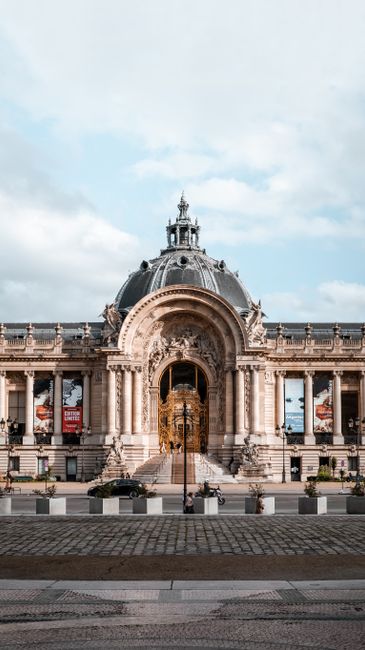
The Grand Palais and Petit Palais, flanking the Champs-Élysées, are magnificent Beaux-Arts buildings that host a variety of prestigious exhibitions and cultural events. The Grand Palais, with its iconic glass dome, is a vast exhibition space that has showcased everything from major art retrospectives and fashion shows to sporting events. The Petit Palais, its elegant counterpart, houses the Musée des Beaux-Arts de la Ville de Paris (City of Paris Museum of Fine Arts). The Petit Palais’s collection, though not as extensive as the Louvre’s, offers a well-curated selection of European paintings and sculptures from antiquity to the early 20th century, with particular strengths in French art of the 19th century. The beauty of the Petit Palais lies in its intimate scale and its charming courtyards, providing a relaxed atmosphere for appreciating its diverse holdings. Both venues are central to Paris’s cultural landscape, offering a dynamic and varied program of artistic and historical experiences throughout the year. Their prime locations make them easily accessible and integral to any exploration of central Paris.


