
Trip Ideas Italy Parmesan Cheese Trail

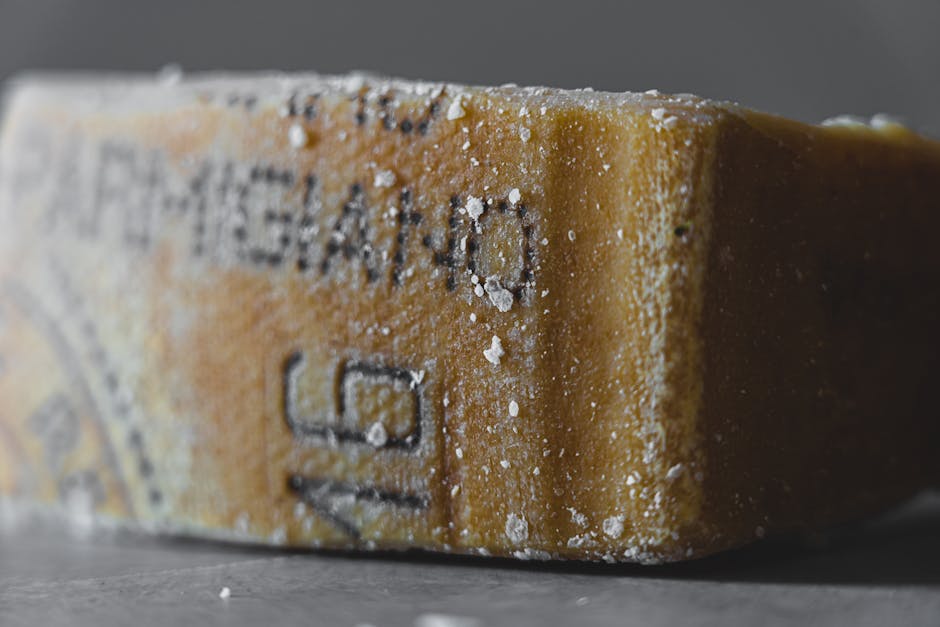
The Parmigiano-Reggiano Trail: An Immersive Italian Cheese Journey
Embarking on the Parmigiano-Reggiano trail is not merely a culinary adventure; it’s a deep dive into the heart of Italian tradition, agricultural heritage, and the meticulous craftsmanship that transforms simple milk into a global gastronomic icon. This journey, primarily concentrated in the Emilia-Romagna region of Italy, specifically the provinces of Parma, Reggio Emilia, Modena, Bologna (west of the Reno river), and Mantua (east of the Po river), offers a multifaceted experience for food enthusiasts, history buffs, and curious travelers alike. It’s a chance to witness firsthand the entire production cycle, from the lush pastures where the cows graze to the ancient aging cellars, all while savoring the distinct nuances of this king of cheeses. Planning this trip involves understanding key locations, recommended activities, and the best times to visit to maximize the authentic experience. The trail isn’t a single, clearly marked path, but rather a network of dairies (caseifici), farms (aziende agricole), producers, and related attractions that can be pieced together to create a personalized itinerary.
The foundational element of any Parmigiano-Reggiano journey is understanding its stringent production regulations, codified by the Parmigiano Reggiano Consortium. This Protected Designation of Origin (PDO) status dictates every aspect of its creation, ensuring unparalleled quality and authenticity. The milk must come from cows fed on local forage, the cheese must be made using only raw milk, rennet, and salt, and it must be aged for a minimum of 12 months. This commitment to tradition and quality is palpable at every stage of the trail. For the SEO-conscious traveler, incorporating keywords like "Parmigiano Reggiano tour," "Emilia-Romagna food tour," "Italian cheese making," "Parmesan cheese production," "food tourism Italy," and "culinary travel Emilia-Romagna" will be crucial for discoverability.
Key Regions and Provinces for Exploration:
The heartland of Parmigiano-Reggiano production is undeniably Emilia-Romagna. Within this vibrant region, several provinces stand out as essential stops on the trail:
- Parma: The namesake province, Parma, offers a rich tapestry of Parmigiano-Reggiano heritage. Here, you’ll find some of the oldest and most respected dairies, often nestled in picturesque countryside. Many producers in Parma are open to guided tours, providing an intimate look at the entire process. Beyond the cheese, Parma itself is a culinary capital, famous for prosciutto di Parma and culatello. Integrating visits to these cured meat producers can create a truly immersive "food of the dukes" experience.
- Reggio Emilia: Adjacent to Parma, Reggio Emilia boasts a similarly profound connection to Parmigiano-Reggiano. The province is dotted with numerous caseifici, many of which have been family-run for generations. The landscape here is characterized by rolling hills and fertile plains, ideal for dairy farming. The city of Reggio Emilia itself is charming, offering historical sites and excellent local cuisine.
- Modena: While often celebrated for its balsamic vinegar, Modena is equally vital to the Parmigiano-Reggiano production. The region’s terroir contributes to the unique flavor profile of the cheese. Exploring Modena’s dairies can provide insights into how regional agricultural practices influence the final product. Combining a Parmigiano-Reggiano tour with a visit to a traditional balsamic vinegar producer offers a synergistic culinary experience, showcasing two of Italy’s most prized PDO products.
- Bologna (West of the Reno River): The western part of the Bologna province, bordering Modena and Parma, also contributes significantly to Parmigiano-Reggiano production. While Bologna is more broadly known for its vibrant culinary scene and university, venturing into its western territories reveals a less-explored but equally authentic cheese-making landscape.
- Mantua (East of the Po River): The province of Mantua, in the Lombardy region, but bordering Emilia-Romagna, is also an officially recognized production zone for Parmigiano-Reggiano. The unique microclimate and agricultural practices in this area contribute to the cheese’s distinct character.
Experiencing the Cheese-Making Process: Dairies and Farms
The most impactful aspect of the Parmigiano-Reggiano trail is witnessing the transformation of milk into cheese. This involves visiting working dairies and farms (caseifici and aziende agricole).
-
Guided Tours: Many dairies offer guided tours, which are essential for understanding the intricacies of the process. These tours typically include:
- The Milk Receiving Area: Witnessing the arrival of fresh, raw milk from local farms.
- The Copper Vats (Caldaie): Observing the crucial stage where milk is heated, rennet is added, and the curd is formed and broken into tiny granules. This is where the magic begins.
- Forming the Wheels: Seeing how the curd is collected and placed into molds, where it begins to take the characteristic round shape.
- Salting: Understanding the brining process, which is critical for flavor development and preservation.
- The Aging Cellars (Magazzini di Stagionatura): This is often the most awe-inspiring part of the visit. Walking through vast cellars filled with thousands of aging wheels, some for 12, 24, 36, or even more months, allows you to appreciate the patience and dedication involved. The aroma alone is intoxicating.
- Inspection and Branding: Learning how the Consortium inspectors examine each wheel for quality and authenticity before it receives the official Parmigiano-Reggiano brand.
-
Booking in Advance: It is highly recommended to book dairy tours in advance, especially during peak tourist seasons. Many smaller producers operate by appointment only. Contacting the local tourist information offices or directly reaching out to dairies through their websites is the best approach. Look for dairies that are part of the official Parmigiano Reggiano Consortium.
Beyond the Dairies: Complementary Culinary Experiences
A successful Parmigiano-Reggiano trail extends beyond the production sites. To enrich the culinary and cultural immersion, consider these complementary activities:
- Tasting Sessions: Seek out dairies or specialized shops that offer dedicated tasting sessions. These sessions are invaluable for developing your palate and understanding the subtle differences between cheeses of varying ages and from different producers. You’ll learn to identify notes of fruit, nuts, hay, and more.
- Local Markets: Explore local food markets in towns like Parma, Reggio Emilia, and Modena. These markets are vibrant hubs of activity where you can find fresh produce, artisanal products, and, of course, excellent Parmigiano-Reggiano sold directly by local vendors.
- Restaurants and Osterias: Indulge in dishes that showcase Parmigiano-Reggiano prominently. From simple pasta dishes like Spaghetti al Parmigiano to more complex preparations, experiencing the cheese in its prepared culinary context is crucial. Look for traditional osterias and trattorias that emphasize local, seasonal ingredients.
- Prosciutto and Balsamic Vinegar Pairings: As mentioned, combining your Parmigiano-Reggiano exploration with visits to producers of Prosciutto di Parma and traditional Balsamic Vinegar of Modena (Aceto Balsamico Tradizionale di Modena PDO) or Balsamic Vinegar of Reggio Emilia (Aceto Balsamico Tradizionale di Reggio Emilia PDO) creates a triumvirate of Emilia-Romagna’s finest PDO products. The salty richness of prosciutto and the sweet-tangy complexity of balsamic vinegar are perfect complements to the nutty, savory depth of aged Parmesan.
- Cooking Classes: Participating in a regional cooking class offers hands-on experience with Italian cuisine, often featuring Parmigiano-Reggiano as a key ingredient. Learning to prepare classic Emilian dishes will deepen your appreciation for the cheese’s role in the local food culture.
Planning Your Trip: Logistics and Best Times to Visit
To ensure a smooth and enriching experience on the Parmigiano-Reggiano trail, careful planning is essential.
-
Transportation: Renting a car is highly recommended for exploring the rural areas where many dairies are located. Public transportation can be challenging for reaching individual producers. Consider basing yourself in one of the main cities (Parma, Reggio Emilia, Modena) and undertaking day trips.
-
Accommodation: Options range from charming agriturismos (farm stays) in the countryside, offering an authentic rural experience, to hotels in the historic city centers. Staying at an agriturismo can sometimes provide opportunities to interact more closely with local producers.
-
Best Time to Visit:
- Spring (April-May) and Autumn (September-October): These seasons offer pleasant weather for exploring, with fewer crowds than the peak summer months. The countryside is at its most beautiful, with lush green pastures in spring and vibrant foliage in autumn.
- Summer (June-August): While warmer, summer can be busier. However, it’s a good time for cheese production as dairy activity is at its height.
- Winter (November-March): While colder, winter offers a quieter experience. The aging process continues uninterrupted, and the cozy atmosphere of Emilia-Romagna in winter can be appealing.
-
Language: While English is spoken in tourist areas, learning a few basic Italian phrases will enhance your interactions with producers and locals.
Maximizing SEO for Your Trip Planning:
When researching and planning your trip, utilize specific search terms that will lead you to authentic experiences and valuable information. Incorporate keywords such as:
- "Parmigiano Reggiano producers tours"
- "Visit Parmesan cheese factory"
- "Emilia Romagna food itinerary"
- "Best agriturismo Parmigiano Reggiano"
- "Parmesan cheese making experience"
- "Food travel Italy Emilia-Romagna"
- "Casificio Parmigiano Reggiano tours"
- "DOP cheese tours Italy"
- "Culinary tours Parma Modena"
- "Authentic Italian cheese making"
The Unforgettable Flavors and Legacy:
The Parmigiano-Reggiano trail is more than just a series of visits; it’s an education in dedication, tradition, and the pure joy of exceptional food. From the rhythmic churning of the curd to the resonant sound of the inspector’s hammer tapping a wheel, every moment offers a deeper understanding of what makes this cheese a masterpiece. By actively seeking out and engaging with the producers, tasting the diverse ages, and understanding the agricultural landscape, you will leave with an unparalleled appreciation for Parmigiano-Reggiano and the enduring legacy of Italian culinary excellence. This journey is a testament to the fact that some of the world’s greatest flavors are born from deep roots, simple ingredients, and unwavering commitment to time-honored methods.


