
How To Trek To K2 Base Camp

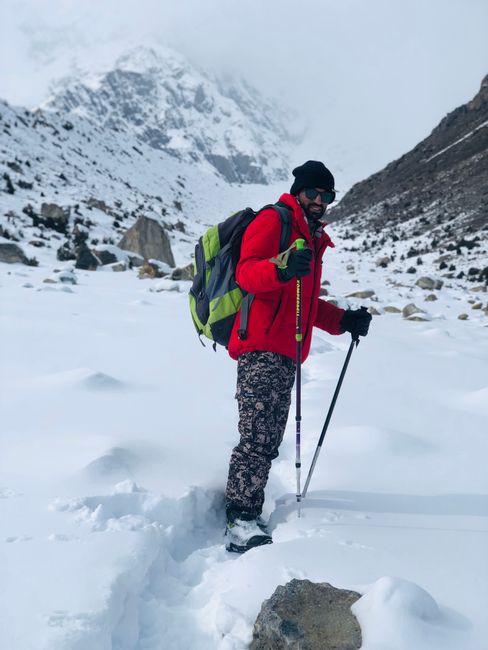
Trekking to K2 Base Camp: A Comprehensive Guide for the Determined Adventurer
K2, the Savage Mountain, presents one of the planet’s most formidable trekking challenges. Reaching its base camp, a windswept plateau at the foot of this colossal peak, is an expedition reserved for the physically and mentally prepared. This guide outlines the essential elements for undertaking this arduous yet immensely rewarding journey.
Understanding the K2 Base Camp Trek:
The K2 Base Camp trek is not a casual hike; it’s an expedition requiring significant logistical planning, physical conditioning, and a deep respect for the extreme mountain environment. Located in the Karakoram Range of Pakistan, the trek typically starts from Askole village and follows the Baltoro Glacier. The journey is characterized by crossing vast glacial moraines, navigating ice fields, and enduring variable weather conditions. The elevation gain is substantial, with K2 Base Camp sitting at approximately 5,100 meters (16,700 feet). This altitude demands acclimatization and presents challenges such as thin air, cold temperatures, and potential for altitude sickness. The trek is usually undertaken over a period of 15-25 days, depending on the chosen route, pace, and acclimatization schedule. Unlike treks in the Himalayas that often have established tea houses, the K2 region is more remote, requiring camping and carrying all necessary supplies. The landscape is starkly beautiful, dominated by granite spires, massive glaciers, and the imposing presence of K2 itself.
Planning Your Expedition:
Successful K2 Base Camp trekking hinges on meticulous planning. This involves selecting the right time of year, securing necessary permits, engaging a reputable trekking agency, and assembling appropriate gear. The primary trekking season for K2 Base Camp is during the summer months, from June to September. This period offers the most stable weather, with less snowfall and generally clearer skies. However, even during this season, unpredictable blizzards and extreme temperatures are common. Outside of this window, the harsh winter conditions make trekking virtually impossible and exceptionally dangerous.
Permits and Visas:
Obtaining permits is a critical step. The Pakistani government requires permits for trekking in the Karakoram region. These permits are typically arranged by your chosen trekking agency, which will handle all the bureaucratic procedures. You will also need a valid Pakistani visa. It is advisable to apply for your visa well in advance of your departure, as processing times can vary. The trekking agency will guide you through the specific permit requirements for the K2 region, which often include a Liaison Officer fee and environmental fees.
Choosing a Trekking Agency:
Given the remoteness and logistical complexities of the K2 Base Camp trek, hiring a reputable trekking agency is not optional; it’s essential. These agencies provide crucial services including: experienced guides, porters or Drokpas (local porters who carry heavy loads), cooks, liaison officers, transportation, food supplies, tents, and first-aid. Research agencies thoroughly, read reviews, and compare itineraries and pricing. Look for agencies with a proven track record of safety, sustainability, and strong relationships with local communities. They will be your lifeline in this challenging environment, ensuring smooth operations and prompt responses to any unforeseen issues.
Physical and Mental Preparation:
The K2 Base Camp trek demands exceptional physical fitness and mental fortitude. A comprehensive training program should commence at least six months prior to your expedition. This should include:
- Cardiovascular Endurance: Focus on activities like running, cycling, swimming, and hiking with a weighted backpack for extended periods (3-5 hours). Aim to simulate the demands of trekking uphill for several consecutive days.
- Strength Training: Strengthen your legs (quadriceps, hamstrings, calves), core, and upper body. Squats, lunges, deadlifts, planks, and pull-ups are beneficial.
- Hiking Specific Training: Prioritize long-distance hikes, preferably in hilly or mountainous terrain, carrying a backpack weighing at least 10-15 kg. Gradually increase the duration and elevation gain.
- Altitude Acclimatization Practice: While you can’t fully replicate high altitude training at home, incorporate interval training and breathing exercises to improve lung capacity and resilience.
- Mental Preparation: The trek will test your patience, resilience, and ability to cope with discomfort, isolation, and potentially challenging weather. Practice mindfulness, visualization, and develop strategies for staying positive and motivated. Understand that this is an expedition, not a leisurely stroll.
Essential Gear and Equipment:
Proper gear is paramount for safety and comfort in the harsh Karakoram environment. Invest in high-quality, durable equipment.
- Clothing: Layering is key.
- Base Layers: Moisture-wicking thermal tops and bottoms (merino wool or synthetic).
- Mid Layers: Fleece jackets or down vests for insulation.
- Outer Layers: A waterproof and windproof shell jacket and pants (Gore-Tex or similar).
- Insulation Layer: A heavy-duty down or synthetic insulated jacket for extreme cold.
- Trekking Pants: Durable, quick-drying trekking pants.
- Footwear:
- Trekking Boots: Sturdy, broken-in, waterproof trekking boots with ankle support.
- Camp Shoes/Sandals: Lightweight, comfortable shoes for use around camp.
- Socks: Multiple pairs of wool or synthetic trekking socks.
- Headwear:
- Warm Hat: A fleece or wool hat that covers your ears.
- Sun Hat: A wide-brimmed hat or cap for sun protection.
- Balaclava/Buff: For extreme cold and wind protection.
- Handwear:
- Liner Gloves: Thin, dexterous gloves.
- Warm Gloves/Mittens: Insulated, waterproof gloves or mittens.
- Backpack:
- Expedition Backpack: A 70-85 liter backpack for carrying personal gear.
- Daypack: A 30-40 liter daypack for daily essentials during hikes.
- Sleeping System:
- Sleeping Bag: A -20°C to -30°C rated down sleeping bag is essential.
- Sleeping Pad: An insulated sleeping pad for warmth and comfort.
- Trekking Poles: Crucial for balance and reducing strain on knees, especially on uneven terrain and descents.
- Headlamp: With extra batteries.
- Water Purification: Water filter, purification tablets, or SteriPEN.
- Sun Protection: High SPF sunscreen, lip balm with SPF, and sunglasses.
- First-Aid Kit: Comprehensive, including personal medications, blister treatment, pain relievers, and altitude sickness medication (e.g., Diamox, under medical guidance).
- Hygiene: Biodegradable soap, hand sanitizer, toothbrush, toothpaste, wet wipes.
- Miscellaneous: Camera, power bank, book, journal, resealable bags for waterproofing.
The Trek Itself: Route and Stages:
The standard K2 Base Camp trek begins in Skardu, the gateway to the Baltoro region. From Skardu, you’ll travel by jeep to Askole, the last motorable village.
- Askole (Approx. 3,000m): The starting point, marking the beginning of foot travel.
- Jola Camp: A relatively short trek from Askole.
- Paiju (Approx. 3,600m): The last green spot before entering the glacier. This is often a rest and acclimatization day.
- Urdukas: Situated on the edge of the Baltoro Glacier.
- Concordia (Approx. 4,600m): The "Throne Room of the Mountain Gods," a junction of four glaciers offering spectacular views of K2, Broad Peak, Gasherbrums, and other giants. This is a key acclimatization point.
- K2 Base Camp (Approx. 5,100m): From Concordia, a day’s trek further up the Godwin-Austen Glacier leads to K2 Base Camp.
- Return Journey: The trek back follows a similar route, allowing for different perspectives.
Acclimatization Strategy:
Altitude sickness (Acute Mountain Sickness – AMS) is a serious threat. A well-structured acclimatization plan is non-negotiable. The principle of "climb high, sleep low" is crucial.
- Gradual Ascent: Ascend no more than 300-500 meters in elevation per day once above 3,000 meters.
- Rest Days: Incorporate rest days at key altitudes (e.g., Paiju, Concordia) to allow your body to adjust.
- Hydration: Drink plenty of water (3-4 liters per day).
- Avoid Alcohol and Smoking: These can hinder acclimatization.
- Monitor Symptoms: Be aware of AMS symptoms: headache, nausea, dizziness, fatigue, loss of appetite. Descend if symptoms worsen. Your guide will be trained to recognize and manage AMS.
Safety and Emergency Preparedness:
Safety is paramount.
- Experienced Guides: Rely on the expertise of your hired guides. They have invaluable knowledge of the terrain, weather, and emergency procedures.
- Communication: Satellite phones are essential for emergencies, as mobile reception is non-existent.
- First Aid: Ensure your group has a well-stocked first-aid kit and someone knowledgeable in its use.
- Evacuation Plan: Discuss evacuation procedures with your trekking agency. Helicopter rescue is expensive and weather-dependent.
- Weather Monitoring: Be prepared for sudden changes in weather. Blizzards can descend rapidly.
- Glacier Travel: Walking on glaciers requires caution. Your guides will manage rope teams and ensure safe passage over crevasses. Never venture onto the glacier without experienced guidance.
Environmental Responsibility:
Trekking to K2 Base Camp comes with the responsibility of preserving its pristine environment.
- Leave No Trace: Pack out everything you pack in. This includes all trash, food scraps, and waste.
- Respect Wildlife: Do not disturb or feed any animals.
- Camp Responsibly: Use designated campsites and minimize your impact.
- Water Sources: Avoid polluting water sources.
- Cultural Sensitivity: Respect local customs and traditions of the Balti people.
Culinary Considerations:
Food on the K2 Base Camp trek is typically provided by the trekking agency. Expect nutritious, calorie-dense meals designed to fuel your body. Common meals include rice, lentils, pasta, stews, and some local specialties. Porters and cooks will carry and prepare the food. It’s advisable to bring a few personal snacks for quick energy boosts between meals.
The K2 Base Camp Experience:
The reward for enduring the rigors of the trek is an unparalleled encounter with one of the world’s most awe-inspiring natural wonders. Standing at the foot of K2, enveloped by the raw power of the Karakoram, is a deeply humbling and transformative experience. The sheer scale of the mountains, the stark beauty of the glaciers, and the profound silence broken only by the wind create a sense of insignificance and wonder. The camaraderie forged with fellow trekkers and the support of the local crew also contribute significantly to the expedition’s richness. The K2 Base Camp trek is not just a physical journey; it is a profound engagement with the wild, a test of human endurance, and an unforgettable encounter with the majesty of the high Himalayas.


