
Top Free Things To Do In Belfast

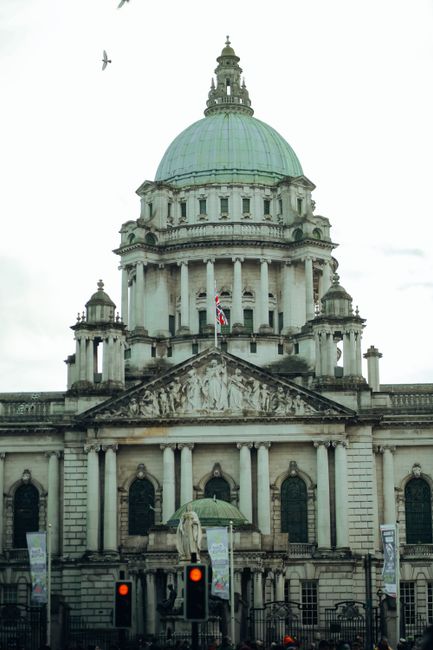
Belfast on a Budget: Discover the Best Free Attractions the Northern Irish Capital Offers
Belfast, a city brimming with history, culture, and a resilient spirit, offers an abundance of enriching experiences that won’t cost you a penny. From captivating museums and vibrant street art to stunning natural landscapes and poignant historical sites, Belfast proves that memorable travel doesn’t require a hefty expenditure. This comprehensive guide explores the top free things to do in Belfast, ensuring visitors can immerse themselves in the city’s unique character and captivating stories without touching their wallets.
Begin your exploration at the Ulster Museum. Nestled within the picturesque Botanic Gardens, this is Belfast’s premier museum and a treasure trove of information spanning art, history, and natural sciences. Allow yourself at least a few hours to wander through its diverse collections. Engage with the Troubles exhibit, a sobering yet essential look at Northern Ireland’s complex past, offering an honest and often moving account of the conflict and its impact. Marvel at the impressive array of Impressionist and contemporary art, featuring works by renowned Irish artists. Delve into the natural world with displays on local flora and fauna, and don’t miss the fascinating fossil collection, which includes a genuine dinosaur skeleton. The museum also boasts an extensive exhibit on Northern Ireland’s history, from its ancient origins to its modern-day transformation. Free guided tours are often available, providing valuable insights and context to the exhibits. Plan your visit around any special free events or temporary exhibitions that might be on display; the Ulster Museum consistently offers engaging programming for all ages. The adjacent Botanic Gardens provide a beautiful, free outdoor space to complement your museum visit, with its Victorian glasshouses and diverse plant collections offering a serene escape.
Embark on a journey through Belfast’s industrial past and maritime heritage at the Titanic Quarter, specifically focusing on the free-to-access areas. While the main Titanic Belfast exhibition is a paid attraction, you can still soak in the atmosphere and significance of this iconic location. Stroll along the slipways where the ill-fated RMS Titanic was constructed, imagining the sheer scale of the operation that once dominated this waterfront. Visit the SS Nomadic, the last remaining White Star Line vessel in the world, which served as a tender for the Titanic. While entry to the ship itself has a fee, its exterior and the surrounding area offer a tangible connection to the stories of those who sailed on and built these legendary ships. Look for the numerous informational plaques and historical markers scattered throughout the Titanic Quarter that recount key events and the lives of the shipyard workers. The sheer grandeur of the Harland and Wolff shipyard cranes, Samson and Goliath, still dominates the skyline, serving as a powerful reminder of Belfast’s shipbuilding prowess. Consider taking a self-guided walking tour of the Titanic Quarter, using online resources or maps to identify key historical points of interest. The views across the River Lagan are also spectacular, offering a different perspective of the city.
Immerse yourself in the vibrant pulse of Belfast’s street art scene, a testament to the city’s creative spirit and ongoing social commentary. Numerous murals adorn the walls of Belfast, particularly in areas like the Falls Road and Shankill Road, each telling a story. These public artworks often depict historical figures, political events, and aspirations for peace and reconciliation. Embark on a self-guided walking tour, or research free guided street art tours if available, to gain a deeper understanding of the symbolism and context behind each piece. The sheer diversity of styles and messages is astounding, ranging from powerful political statements to whimsical artistic expressions. Many of these murals are not static; they evolve over time, reflecting the changing social and political landscape of Belfast. Allow yourself ample time to wander and observe; you’ll discover hidden gems in unexpected corners. The juxtaposition of these vivid artworks against the urban backdrop creates a unique and often thought-provoking visual experience. Many artists are local, and their work offers an unfiltered glimpse into the city’s soul. Capture photographs of your favourite pieces to remember your artistic exploration of Belfast.
Step back in time and explore the majestic St. Anne’s Cathedral (Belfast Cathedral). This magnificent Anglican cathedral, with its striking architecture and rich history, is a sanctuary of peace and a visual marvel. Entry to the cathedral is free, allowing you to admire its soaring spires, intricate stained-glass windows, and impressive interior. Take a moment to absorb the tranquil atmosphere and appreciate the craftsmanship that went into its construction. The cathedral grounds themselves are also worth exploring, offering a peaceful respite from the city’s hustle and bustle. While donations are gratefully accepted, there is no mandatory entrance fee. Consider attending a free Evensong service to experience the beauty of choral music within this stunning setting. The cathedral’s design is a blend of Romanesque and Gothic styles, with ongoing additions and restorations continuing its legacy. Look for the various chapels dedicated to different themes and historical figures, each offering a unique story and artistic merit. The sheer scale of the building is breathtaking, and the play of light through the stained glass creates a mesmerizing effect.
Discover the serene beauty of Botanic Gardens. As mentioned in relation to the Ulster Museum, these Victorian-era gardens are a must-visit for nature lovers and anyone seeking a peaceful escape. Admission is entirely free. Wander through the lush grounds, admire the diverse collection of plants, and explore the iconic Palm House and the Tropical Ravine. The Palm House, a stunning cast-iron and glass structure, showcases a variety of subtropical plants, while the Tropical Ravine houses a humid environment filled with exotic flora. Stroll along the winding paths, find a bench to relax on, and enjoy the seasonal displays of flowers. The gardens are a popular spot for locals and tourists alike, offering a tranquil oasis in the heart of the city. Pack a picnic and enjoy a leisurely lunch amidst the greenery, or simply take a leisurely walk to appreciate the natural beauty. The well-maintained flowerbeds and mature trees create a picturesque setting throughout the year.
Gain a deeper understanding of Belfast’s political history by exploring the area around Stormont Estate, the home of the Northern Ireland Assembly. While access to the Parliament Buildings themselves might be restricted or require pre-booking for tours (though these are often free), the expansive grounds of Stormont Estate offer a beautiful and historically significant place for a walk. The impressive neo-baroque Parliament Buildings are a landmark in themselves, and you can admire their architecture from the outside. The estate is surrounded by mature parkland, walking trails, and picturesque gardens, making it ideal for a leisurely stroll. Learn about the political journey of Northern Ireland as you explore this significant site. Informational boards around the estate provide context and historical details. The sheer scale of the estate and the grandeur of the Parliament Buildings offer a sense of the importance of this location in Northern Ireland’s governance.
Delve into the vibrant cultural heart of Belfast at the Cathedral Quarter, a designated cultural and heritage area. This lively district is home to numerous independent shops, traditional pubs, and an eclectic mix of street art. While enjoying a drink or a meal might incur costs, simply wandering through the cobblestone streets and soaking in the atmosphere is a free and rewarding experience. Discover hidden alleyways, admire the architecture, and feel the buzz of the city. The Cathedral Quarter is particularly enchanting in the evening, with its atmospheric lighting and lively ambiance. Keep an eye out for any free street performances or impromptu musical acts that often liven up the area. The area’s historical significance as the original commercial heart of Belfast adds another layer to its appeal. Many of the buildings showcase impressive architectural details from different eras.
For panoramic views of Belfast, head to the Cave Hill Country Park. This expansive parkland offers numerous walking trails and vantage points, including the iconic Napoleon’s Nose, which overlooks the city. The park is steeped in local folklore and history, with links to Jonathan Swift’s "Gulliver’s Travels." Hike to the summit of Cave Hill for breathtaking vistas that stretch across Belfast Lough and beyond. The well-maintained paths make it accessible for various fitness levels, and the natural beauty of the park is a welcome escape from the urban environment. Pack water and snacks for a longer excursion, and be sure to wear appropriate footwear. The dramatic escarpment of Cave Hill provides a striking natural landmark. Look for the Belfast Castle which, while not free to enter, is visible from many points within the park and adds to the scenic beauty.
Explore the historic St. George’s Market, one of Belfast’s oldest and most beloved covered markets. While purchasing goods will obviously cost money, simply browsing the vibrant stalls and soaking in the atmosphere is a free and delightful experience. The market is a feast for the senses, with a dazzling array of local produce, artisanal crafts, antiques, and street food. Immerse yourself in the lively chatter of vendors and shoppers, and appreciate the sheer diversity of offerings. The market operates on Fridays, Saturdays, and Sundays, so plan your visit accordingly. Even if you don’t buy anything, the sights, sounds, and smells of St. George’s Market offer a true taste of Belfast life. The architecture of the market building itself is also noteworthy, a testament to Victorian engineering. It’s a fantastic place to observe local culture and traditions.
Finally, for those interested in the more recent, and often poignant, history of Belfast, a walk along the Peace Walls offers a powerful and free educational experience. These imposing structures were erected to separate Loyalist and Nationalist communities during The Troubles and, while some have been dismantled, many remain as a stark reminder of the city’s past. Observing these walls, often adorned with murals and messages of peace, provides a tangible connection to the struggles and aspirations of Belfast’s people. It’s important to approach this with sensitivity and respect. Many of these areas have developed into powerful open-air galleries of murals that speak volumes about the communities they divide and the journey towards reconciliation. Understanding the context and history behind these walls is crucial to appreciating their significance. Local community guides, often offering free walking tours (donations appreciated), can provide invaluable insights into the history and ongoing efforts for peace in these areas.
Belfast truly offers a wealth of free attractions that cater to a wide range of interests. From its rich history and vibrant culture to its stunning natural beauty and resilient spirit, the Northern Irish capital provides unforgettable experiences for every budget-conscious traveller.


