Trip Ideas Best Things To Do In Portland

Portland, Oregon: Unforgettable Experiences and Top Attractions
Portland, Oregon, pulsates with a vibrant energy, a city that seamlessly blends urban sophistication with an unpretentious, outdoorsy spirit. Known for its burgeoning food scene, thriving arts culture, and an abundance of green spaces, Portland offers a diverse array of activities catering to every traveler’s desire. This comprehensive guide highlights the absolute best things to do in Portland, ensuring an itinerary packed with memorable experiences. From iconic landmarks to hidden gems, discover the soul of this Pacific Northwest metropolis.
No exploration of Portland is complete without a deep dive into its world-renowned food and drink culture. Food cart pods are a cornerstone of the Portland experience, offering an astonishing variety of cuisines in a casual, communal setting. These mobile kitchens represent the city’s innovative and accessible culinary spirit. Notable pods include Alder Street Food Cart Pod (though transitioning, it remains an inspiration for the concept), Cartopia on Hawthorne, and Prost! Marketplace on Mississippi Avenue. Visitors can savor everything from authentic Thai curries and Korean barbecue to gourmet grilled cheese and artisanal donuts, often at incredibly reasonable prices. Beyond the carts, Portland boasts a sophisticated fine-dining scene, with restaurants like Le Pigeon, renowned for its inventive French-inspired dishes, and Departure, offering a Pan-Asian culinary journey with stunning city views. For craft beer enthusiasts, Portland is a veritable paradise. With more breweries per capita than almost any other city in the United States, the options are endless. Explore established favorites like Deschutes Brewery, Widmer Brothers Brewing, and Rogue Ales, or venture into the smaller, experimental breweries dotting the city. Guided brewery tours are an excellent way to sample multiple offerings and learn about the brewing process. Don’t overlook the burgeoning craft cocktail scene either, with speakeasies and innovative bars like Multnomah Whiskey Library and Pepe Le Moko providing expertly crafted libations.
For those seeking cultural immersion, Portland’s arts scene offers a rich tapestry of galleries, museums, and performance venues. The Portland Art Museum, the seventh oldest art museum in the United States, houses an impressive collection spanning various eras and styles, with a particular strength in Native American art, Asian art, and modern and contemporary works. The Oregon Museum of Science and Industry (OMSI) is a fantastic destination for all ages, featuring interactive exhibits on everything from space exploration to the human body. For a more niche artistic experience, the Portland Japanese Garden, often described as one of the most authentic outside of Japan, offers a serene escape with its meticulously designed landscapes, traditional tea house, and stunning city views. The International Rose Test Garden, located in Washington Park, is another must-visit, especially during blooming season, showcasing thousands of rose varieties in a breathtaking display of color and fragrance. Live music is integral to Portland’s identity, with venues like the Roseland Theater, Revolution Hall, and the Crystal Ballroom hosting a diverse range of national and local acts. The city also embraces street art, with vibrant murals adorning buildings throughout downtown and in neighborhoods like the Alberta Arts District, offering a dynamic and ever-evolving outdoor gallery.
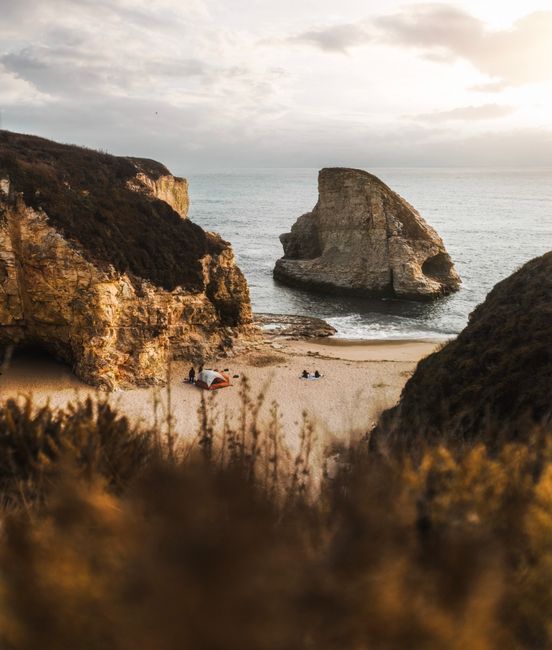
Nature lovers and outdoor enthusiasts will find Portland to be an absolute delight, with its proximity to mountains, rivers, and lush forests. The city itself is a green oasis, boasting an impressive network of parks. Forest Park, one of the largest urban forests in the United States, offers miles of hiking and biking trails through old-growth cedar and fir trees, providing a true wilderness experience within city limits. Hike to Pittock Mansion for panoramic views of the city and Mount Hood. For a more accessible nature escape, explore the manicured beauty of the Lan Su Chinese Garden, a tranquil haven in the heart of Chinatown, or wander through the rhododendron collections at the Leach Botanical Garden. The Willamette River runs through the heart of the city, offering opportunities for kayaking, paddleboarding, and scenic cruises. A stroll or bike ride along the Tom McCall Waterfront Park provides iconic city views and a lively atmosphere, especially during festivals and events. Beyond the city, day trips beckon with extraordinary natural wonders. The Columbia River Gorge National Scenic Area, a short drive east of Portland, is a spectacle of cascading waterfalls, including the majestic Multnomah Falls, the second-tallest year-round waterfall in the United States. Hiking trails abound, leading to breathtaking vistas and hidden cascades. The Oregon Coast, roughly a 90-minute drive west, offers dramatic cliffs, sandy beaches, and charming coastal towns like Cannon Beach, famous for Haystack Rock.
Portland’s unique neighborhoods each possess their own distinct character and charm, inviting exploration. Downtown Portland is the commercial and cultural hub, home to major attractions, shopping districts, and historic architecture. The Pearl District, once an industrial area, has transformed into a stylish neighborhood filled with art galleries, boutiques, and upscale residences. Nob Hill, particularly NW 23rd Avenue, is a shopper’s paradise with its Victorian homes converted into charming boutiques and cafes. The Hawthorne District exudes a bohemian vibe with its vintage shops, independent bookstores, and eclectic eateries. Mississippi Avenue, in North Portland, has become a trendy destination for live music venues, artisanal shops, and diverse culinary experiences. The Alberta Arts District buzzes with creativity, showcasing independent galleries, studios, and unique shops, especially vibrant during its monthly Last Thursday street fair. Each neighborhood offers a different flavor of Portland, from the historic to the cutting-edge, ensuring that every visitor can find a corner that resonates with them.
Shopping in Portland offers a refreshing departure from the typical consumer experience, with a strong emphasis on local craftsmanship, independent businesses, and a notable absence of sales tax. Powell’s City of Books is an absolute pilgrimage for bibliophiles, claiming to be the world’s largest independent bookstore, with over a million new and used books spread across multiple floors and color-coded rooms. The shops along NW 23rd Avenue in Nob Hill offer a curated selection of fashion boutiques, home decor stores, and specialty shops. For unique souvenirs and handcrafted gifts, explore the shops in the Alberta Arts District or the boutiques scattered throughout Hawthorne. Portland is also a hub for vintage clothing and antique finds, with numerous stores offering treasures from bygone eras. Keep an eye out for artisanal food products, locally made jewelry, and handcrafted ceramics, all representative of Portland’s creative spirit. The farmers’ markets, such as the Portland Farmers Market at PSU, are excellent places to discover local produce, baked goods, and artisanal food items, many of which make for perfect edible souvenirs.
Family-friendly attractions in Portland ensure that even the youngest travelers have an engaging and memorable experience. The Oregon Zoo, nestled in Washington Park, offers a chance to see a diverse range of animals in beautifully designed habitats, with a focus on conservation efforts. The Oregon Children’s Theatre provides high-quality theatrical productions tailored for young audiences, fostering imagination and a love for the performing arts. OMSI, as mentioned earlier, is an exceptional educational and entertaining destination for families, with hands-on exhibits that spark curiosity and encourage scientific exploration. The Portland Children’s Museum, also in Washington Park, offers interactive play spaces designed to stimulate learning and creativity. For outdoor adventures, exploring the numerous playgrounds and splash pads located in city parks provides hours of fun. A ride on the historic Oaks Park roller coaster or a leisurely day at the park’s amusement rides offers classic family entertainment. The Portland Aerial Tram, connecting the South Waterfront to Oregon Health & Science University, provides a unique perspective of the city and a fun ride for all ages.
Understanding Portland’s unique culture and local etiquette can enhance the visitor experience. The city is known for its progressive and environmentally conscious ethos, so embracing local customs like recycling and reducing waste is appreciated. "Keep Portland Weird" is more than just a slogan; it reflects the city’s embrace of individuality and independent spirit. Be prepared for a laid-back atmosphere and a generally friendly populace. Public transportation is well-developed, with a robust MAX light rail system and bus network, making it easy to navigate the city without a car. Many locals also choose to bike, and dedicated bike lanes are prevalent. Tipping is customary for service industry staff, similar to most of the United States. Embracing the city’s love for the outdoors means being prepared for variable weather, especially rain, so packing layers and waterproof gear is advisable, regardless of the season. Engaging with local businesses and supporting independent shops and restaurants is a great way to experience the true heart of Portland.
For those looking for unique, off-the-beaten-path experiences, Portland delivers. Explore the eerie history of the Shanghai Tunnels, a network of underground tunnels beneath the city’s Old Town Chinatown, once used for illicit activities. Take a guided tour to hear the chilling tales of shanghaiing and smuggling. Visit the Stark’s Vacuum Museum, a quirky and surprisingly fascinating collection of vintage vacuum cleaners. For a taste of the bizarre, explore the Hollywood Mystery Theater, known for its intimate and interactive magic shows. Consider a visit to the Wreckage, a unique art installation and performance space housed in a former tire shop. For those interested in the occult, a visit to the Jupiter NEXT hotel’s "haunted" bar, Hey Love, is said to offer a spectral experience. The Lan Su Chinese Garden, while popular, offers a truly tranquil escape and often hosts cultural events that provide deeper insight into Chinese traditions. The Oregon Nikkei Legacy Center offers a poignant look at the history of Japanese Americans in Oregon, a vital part of the region’s heritage. The city’s numerous independent cinemas, like the Hollywood Theatre and the Cinema 21, offer a curated selection of independent, foreign, and classic films, a delightful alternative to mainstream multiplexes.
Portland’s reputation as a culinary mecca extends beyond its famous food carts and fine dining establishments. The city’s dedication to farm-to-table dining is evident throughout its restaurant scene. Many restaurants source their ingredients from local farms, ensuring freshness and supporting the regional agricultural economy. This commitment to local sourcing often translates into seasonal menus that change frequently, offering a dynamic and ever-evolving culinary landscape. Explore restaurants that highlight Pacific Northwest ingredients, such as salmon, berries, mushrooms, and locally raised meats. Don’t miss the opportunity to sample Portland’s renowned artisanal ice cream shops, coffee roasters, and bakeries, each offering a unique take on classic treats. Coffee culture is particularly strong in Portland, with numerous independent roasters and cafes serving expertly brewed coffee.
The arts and culture scene in Portland is not confined to museums and galleries. Street performers, live music in intimate venues, and pop-up art shows contribute to a vibrant and dynamic artistic atmosphere. Attend a performance by the Oregon Ballet Theatre, the Portland Opera, or the Oregon Symphony for a taste of world-class performing arts. The city also hosts numerous festivals throughout the year, celebrating everything from film and music to food and crafts, providing ample opportunities to immerse oneself in the local culture. Consider attending the Oregon Brewers Festival, the Portland Folk Festival, or the Portland Jazz Festival for a concentrated dose of the city’s creative energy.
For those who enjoy exploring unique retail experiences, Portland’s independent boutiques and vintage shops are a treasure trove. Beyond the well-known shopping districts, venture into neighborhoods like SE Division Street and NE Sandy Boulevard for a more local shopping experience, discovering hidden gems and independent designers. The craft and maker movement is alive and well in Portland, with numerous shops showcasing handcrafted goods, from jewelry and ceramics to clothing and home decor. Attending local craft fairs and markets offers a chance to meet the artisans and purchase directly from the makers.
In conclusion, Portland, Oregon, offers a multifaceted travel experience that seamlessly blends urban adventure with natural beauty, culinary excellence, and a thriving arts and culture scene. From indulging in its diverse food cart scene and exploring its lush parks to immersing oneself in its unique neighborhoods and supporting its vibrant local businesses, Portland provides an abundance of unforgettable moments for every visitor. This guide serves as a starting point, encouraging further exploration and discovery of the many wonders that await in this captivating Pacific Northwest gem.