
Best Time To Visit Denver

The Best Time to Visit Denver: A Comprehensive Guide to Seasonal Experiences
Denver, the Mile-High City, offers a vibrant tapestry of experiences throughout the year, influenced by its distinct seasons and proximity to the Rocky Mountains. Choosing the optimal time to visit depends largely on your priorities, whether you seek sun-drenched outdoor adventures, snow-kissed mountain vistas, or vibrant cultural events. This comprehensive guide will dissect each season, highlighting their unique advantages, potential drawbacks, and the best activities to maximize your Denver experience.
Spring (March – May): A Season of Renewal and Emerging Adventures
Spring in Denver is a period of dramatic transition, marked by the thawing of winter snow and the emergence of vibrant wildflowers. While early spring can still bring unpredictable weather, including late-season snowstorms, the latter half of the season offers increasingly pleasant temperatures and a palpable sense of renewal.
Pros:
- Fewer Crowds and Lower Prices: Compared to the peak summer and winter seasons, spring typically sees fewer tourists, resulting in potentially lower airfare and accommodation costs.
- Blooming Landscapes: As the snow recedes, Denver and its surrounding areas burst into color. The foothills and national parks showcase a stunning display of wildflowers, creating picturesque hiking and photography opportunities.
- Mild Temperatures: While still variable, average daily temperatures gradually climb from the 40s in March to the 60s and 70s by May. This makes outdoor activities enjoyable without the intense heat of summer.
- Early Mountain Access: While high-altitude hiking trails may still be snow-covered in early spring, many lower-elevation trails become accessible. Ski resorts typically remain open through April, offering a last chance for spring skiing.
- Vibrant City Life: Denver’s urban core buzzes with energy as patios reopen, outdoor markets spring to life, and events like the Cinco de Mayo celebrations and the Denver Film Festival add to the cultural calendar.
Cons:
- Unpredictable Weather: Spring is notorious for its volatility. You can experience sunny, warm days followed by sudden snow showers or cold snaps. It’s crucial to pack layers and be prepared for all types of weather.
- Muddy Trails: As snow melts, many hiking trails can become muddy and even impassable in certain areas.
- Limited High-Altitude Activities: While lower elevations are accessible, higher mountain passes and trails might still be closed due to snow.
Ideal for: Budget travelers, nature enthusiasts eager to witness wildflowers, those who enjoy mild hiking and cycling, and individuals seeking a less crowded urban experience.
Summer (June – August): The Peak Season of Outdoor Recreation and Sunshine
Summer is undoubtedly Denver’s most popular tourist season, and for good reason. The weather is consistently warm and sunny, making it the prime time for exploring the city’s numerous outdoor attractions and venturing into the majestic Rocky Mountains.
Pros:
- Ideal Weather for Outdoor Activities: Long, sunny days with average temperatures in the 80s provide perfect conditions for hiking, biking, camping, white-water rafting, and exploring Denver’s extensive park system.
- Full Access to Mountain Trails: All mountain passes and high-altitude hiking trails are typically open and accessible, offering breathtaking scenery and challenging treks.
- Abundance of Festivals and Events: Summer is packed with outdoor concerts, food festivals, art fairs, and professional sporting events, providing endless entertainment options. Examples include the Denver Arts Festival, Underground Music Showcase, and numerous farmers’ markets.
- Vibrant City Atmosphere: Denver’s energy is palpable during summer, with bustling patios, lively street performers, and a general sense of festivity.
- Long Daylight Hours: Extended daylight allows for more time to explore and enjoy activities from dawn until dusk.
Cons:
- Peak Crowds: As the most popular season, Denver and its surrounding attractions will be at their most crowded. Expect longer lines at popular tourist spots and busy trails.
- Higher Prices: Airfare and accommodation prices are at their highest during the summer months. Booking well in advance is highly recommended.
- Afternoon Thunderstorms: While mornings are generally clear and sunny, Denver experiences frequent afternoon thunderstorms during the summer. These can be intense and should be factored into outdoor activity planning.
- Heat: While generally pleasant, temperatures can occasionally reach the 90s, making strenuous outdoor activities less comfortable during the hottest parts of the day.
Ideal for: Outdoor adventurers, families with school-aged children, those who thrive in vibrant, bustling environments, and individuals seeking the quintessential Rocky Mountain experience.
Fall (September – November): A Season of Crisp Air, Stunning Foliage, and Cultural Delights
Fall in Denver is a spectacular transition from the warmth of summer to the chill of winter, characterized by crisp air, brilliant autumn foliage, and a rich cultural calendar. This shoulder season offers a delightful blend of outdoor beauty and city exploration with fewer crowds than summer.
Pros:
- Spectacular Fall Colors: The Rocky Mountains and foothills transform into a breathtaking spectacle of golden aspens and vibrant red and orange foliage. This is prime time for scenic drives and hiking through colorful landscapes.
- Pleasant Temperatures: September and early October boast mild and comfortable temperatures, ideal for outdoor activities before the winter chill sets in. Average temperatures range from the 50s to the 70s.
- Fewer Crowds and Moderate Prices: As the summer crowds dissipate, you’ll experience fewer tourists, shorter lines, and potentially more reasonable prices for flights and accommodation.
- Harvest Season and Food Festivals: Fall is harvest season, with local farms offering fresh produce. Denver hosts various food-related events and farmers’ markets celebrating the bounty of the season.
- Cultural Events and Early Ski Season Buzz: The city’s cultural scene remains active with film festivals, theater productions, and art exhibitions. Late fall also sees the opening of some ski resorts, attracting early-season enthusiasts.
Cons:
- Cooling Temperatures and Potential for Early Snow: As November approaches, temperatures drop significantly, and early snow can occur, especially at higher elevations.
- Shorter Daylight Hours: Days become noticeably shorter, reducing the amount of time available for outdoor activities.
- Leaf Peeping Crowds: While generally less crowded than summer, popular scenic routes for fall foliage can still experience significant traffic and crowds during peak color weekends.
Ideal for: Nature lovers seeking fall colors, budget-conscious travelers, those who enjoy moderate hiking and scenic drives, and individuals who appreciate a vibrant cultural scene without the summer frenzy.
Winter (December – February): A Snow-Kissed Wonderland of Skiing and Cozy City Experiences
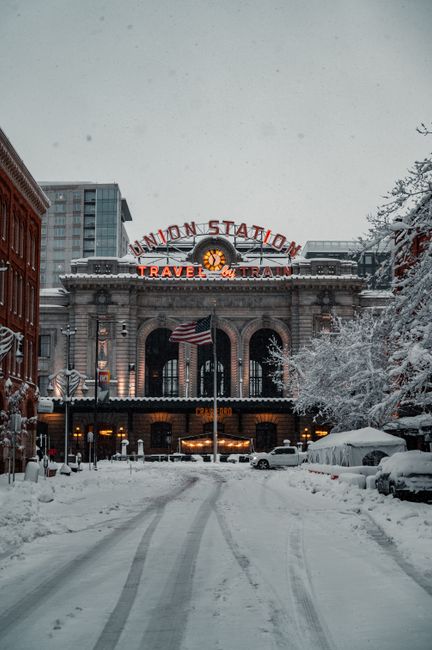
Winter in Denver is synonymous with snow-covered landscapes, world-class skiing opportunities in the nearby Rockies, and a cozy, festive atmosphere in the city. While the weather can be cold, it offers a unique charm and a different set of activities for visitors.
Pros:
- World-Class Skiing and Snowboarding: Denver serves as the gateway to some of the best ski resorts in North America, including Vail, Aspen, Breckenridge, and Winter Park. This is the prime season for winter sports enthusiasts.
- Festive Holiday Atmosphere: Denver comes alive with holiday lights, Christmas markets, ice skating rinks, and festive events throughout December, creating a magical atmosphere.
- Beautiful Snow-Covered Scenery: The city and surrounding mountains are transformed into a picturesque winter wonderland, offering stunning views and opportunities for snowshoeing and cross-country skiing.
- Fewer City Crowds (Outside of Holidays): While ski resorts are busy, the city itself can be less crowded than in summer, especially in January and February, leading to potentially better hotel rates outside of the holiday season.
- Cozy Urban Experiences: Embrace the cold with visits to Denver’s numerous breweries, cozy cafes, museums, and theaters.
Cons:
- Cold Temperatures and Snow: Winter in Denver is cold, with average temperatures often below freezing. Snowfall is common, which can lead to travel delays and road closures, especially in the mountains.
- High Cost for Skiing: Skiing and snowboarding come with significant costs for lift tickets, rentals, and accommodation in resort towns.
- Limited Hiking and Outdoor Activities (Non-Snow Related): Most hiking trails are covered in snow, making them inaccessible without snowshoes or skis.
- Potential for Travel Disruptions: Severe winter weather can cause flight cancellations and road closures, impacting travel plans.
Ideal for: Skiers and snowboarders, those who enjoy winter sports and snow-covered landscapes, individuals seeking a festive holiday experience, and travelers looking for cozy urban escapes.
Shoulder Seasons: The Sweet Spot for Balanced Experiences
For many travelers, the shoulder seasons – late Spring (April-May) and early Fall (September-October) – represent the ideal compromise, offering a delightful blend of good weather, fewer crowds, and moderate prices.
- Late Spring (April-May): By May, Denver’s weather becomes much more predictable, with warmer temperatures and blooming landscapes. The crowds are still manageable, and you can enjoy outdoor activities without the intense summer heat. Ski resorts are often still open for spring skiing.
- Early Fall (September-October): September and early October offer crisp, invigorating air, stunning fall foliage, and a wealth of cultural events. The summer rush has subsided, making it easier to explore attractions and find better deals.
Choosing Your Denver Adventure:
- For the Avid Hiker and Outdoor Enthusiast: Summer (June-August) offers the most accessible and expansive opportunities for high-altitude trekking and water sports.
- For the Ski Enthusiast: Winter (December-February) is your only option for prime skiing and snowboarding.
- For the Nature Photographer and Foliage Chaser: Fall (September-October) provides the most spectacular visual displays.
- For the Budget Traveler and Crowdfree Explorer: Spring (March-May) and Fall (September-November) generally offer better value and a more relaxed experience, with late spring and early fall being particularly advantageous.
- For the Family Vacation: Summer (June-August) is often the most practical choice due to school schedules and consistent, warm weather suitable for a wide range of activities.
- For a Romantic Getaway: Fall (September-October) with its beautiful scenery and cozy atmosphere, or Winter (December-February) with its festive holiday charm, can be ideal.
Ultimately, the "best" time to visit Denver is subjective and depends on your personal preferences and what you hope to experience. By understanding the unique offerings and characteristics of each season, you can make an informed decision that ensures a memorable and fulfilling trip to the Mile-High City. Always check local weather forecasts and event schedules closer to your travel dates to fine-tune your plans.


