Monkeys At Taj Mahal
Monkeys at the Taj Mahal: A Delicate Coexistence
The Taj Mahal, a UNESCO World Heritage site and one of the world’s most iconic landmarks, is not only a testament to enduring love and architectural brilliance but also a unique ecological niche. Nestled within its magnificent gardens and surrounding environs, a population of monkeys thrives, creating a fascinating, albeit sometimes challenging, dynamic between the monument’s heritage, its visitors, and its resident primates. These monkeys, primarily rhesus macaques (Macaca mulatta) and to a lesser extent langurs (Semnopithecus entellus), have become an integral, albeit unofficial, part of the Taj Mahal experience, presenting both opportunities for observation and significant management concerns. Their presence, deeply intertwined with the historical and cultural landscape of Agra, requires a nuanced understanding of their behavior, the impact they have on the monument, and the strategies employed to ensure a harmonious coexistence.
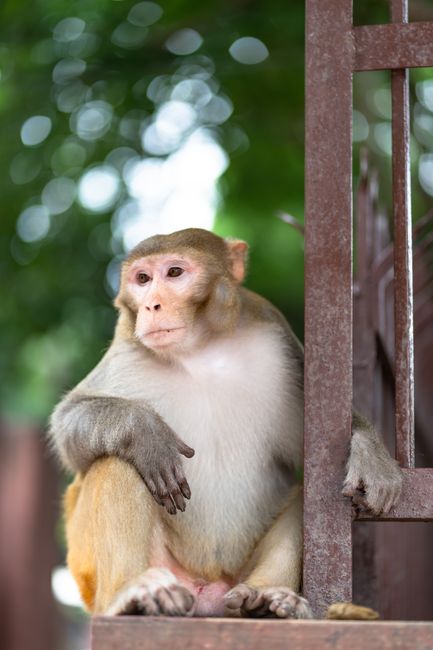
Rhesus macaques, known for their adaptability and intelligence, are the most ubiquitous primate species encountered at the Taj Mahal. These opportunistic omnivores are highly social, living in complex hierarchical groups. Their ability to thrive in urban environments, scavenging for food, has contributed to their successful integration into the Taj Mahal complex. They are often seen grooming each other, playing in the trees, and interacting with the streams and water features within the gardens. Their dexterity allows them to navigate the marble pathways, climb the walls of the mausoleum, and even perch on decorative elements, making them a constant presence for visitors. Their inquisitive nature means they are often drawn to human activity, leading to frequent encounters. While some visitors are delighted by the close proximity to these wild animals, their behavior can also be a source of concern, particularly regarding hygiene, potential aggression, and damage to the delicate structure of the Taj Mahal.
Langurs, distinguishable by their black faces and silver-grey fur, are larger and more arboreal than rhesus macaques. While less commonly seen in direct proximity to the main mausoleum, they inhabit the surrounding forested areas and occasionally venture into the gardens. Langurs are primarily folivores, with a diet consisting mainly of leaves, fruits, and flowers. Their generally more docile temperament, compared to macaques, means they are often perceived as less of a nuisance. However, their larger size and occasional foraging in the gardens can still lead to interactions with visitors and potential impact on the flora within the Taj Mahal grounds. The distinct appearance and quieter demeanor of langurs offer a different facet of the primate presence, adding to the biodiversity of the site.
The historical relationship between monkeys and the Taj Mahal is not a recent phenomenon. Over centuries, the Mughal gardens and surrounding vegetation provided a natural habitat, and the availability of food sources, including offerings from pilgrims and later, tourists, further encouraged their presence. The monkeys have, in essence, adapted to the human presence within the Taj Mahal complex, viewing it as part of their territory. This long-standing association has, in some ways, normalized their presence, making them an enduring feature of the historical narrative and visitor folklore surrounding the monument. Stories and anecdotes about the monkeys at the Taj Mahal are common, adding a layer of wildness and unexpected encounter to the otherwise meticulously curated beauty of the site.
The presence of monkeys at the Taj Mahal presents a multifaceted management challenge for the Archaeological Survey of India (ASI) and the government bodies responsible for the monument’s preservation and visitor management. The primary concerns revolve around several key areas. Firstly, the impact on the Taj Mahal’s delicate marble structure. Monkeys, particularly macaques, can cause wear and tear on the stone through climbing, scratching, and depositing waste. Their droppings, if acidic, can subtly erode the marble over time. While the monument is robust, cumulative damage from animal activity is a significant consideration for long-term preservation. Secondly, the health and safety of visitors are paramount. Monkeys can become aggressive if provoked or if they perceive a threat, leading to bites or scratches. Furthermore, they are known carriers of diseases that can be transmitted to humans, posing a public health risk if close contact is not avoided.
Food scavenging by monkeys is another major issue. Visitors, often captivated by the monkeys’ antics, are prone to feeding them, either intentionally or unintentionally. This practice not only habituates the monkeys to human interaction, making them bolder and more persistent in their demands for food, but also disrupts their natural diet, leading to health problems and an increased reliance on human handouts. This artificial food supply can also lead to increased aggression as they compete for resources. The temptation to feed the monkeys, fueled by a desire for a memorable interaction, directly contributes to the escalation of these problems, creating a cycle that is difficult to break.
To mitigate these issues, various management strategies have been implemented, though their effectiveness is often debated and requires continuous adaptation. Strict signage advising visitors not to feed the monkeys is prominently displayed throughout the Taj Mahal complex. Security personnel and guides are trained to deter such interactions and to educate visitors about the risks. Regular patrols are conducted to remove any food items that might attract the monkeys. However, enforcing these rules in such a vast and frequently visited area is an ongoing challenge. The sheer volume of visitors and the allure of the animals often lead to breaches of these regulations.
In addition to preventative measures, efforts have been made to manage the monkey population itself. This has included initiatives like sterilization programs and the relocation of some individuals to more suitable natural habitats. These methods, however, are complex, costly, and can have ethical considerations. The long-term viability of such interventions requires careful ecological assessment and continuous monitoring. The goal is not eradication, but rather population control and the reduction of human-animal conflict.
The ecological significance of the monkeys within the Taj Mahal complex also warrants consideration. While their presence poses challenges, they are part of the natural ecosystem of the area. They play a role in seed dispersal through their foraging habits, contributing to the vegetation’s health. Their presence also adds to the biodiversity of the protected area, offering a glimpse into the natural world within a heavily anthropogenized landscape. Understanding their ecological role can inform more sustainable management practices that balance preservation with conservation.
The economic impact of the monkeys, though indirect, is also noteworthy. The unique spectacle of monkeys at the Taj Mahal is an attraction for many tourists, contributing to the overall visitor experience and the local economy. While not a primary attraction, their presence adds an element of the unexpected and wild, which can enhance memorable narratives of visiting the monument. However, this attraction must be carefully managed to avoid compromising the integrity of the Taj Mahal itself.
SEO considerations for an article on "Monkeys at Taj Mahal" are crucial for reaching a wider audience interested in travel, wildlife, history, and conservation. Keywords such as "Taj Mahal monkeys," "monkey encounters Agra," "wildlife at Taj Mahal," "Taj Mahal conservation," "rhesus macaques India," "Agra tourism," and "UNESCO World Heritage site wildlife" should be strategically incorporated throughout the text. Using clear headings and subheadings will improve readability and SEO. A compelling meta description and title tag will encourage clicks from search engine results pages. Engaging content that provides factual information, addresses common concerns, and highlights the delicate balance between heritage preservation and wildlife management will naturally attract and retain readers.
The psychological impact on visitors is another facet. For many, encountering monkeys in such an iconic setting is a thrilling, once-in-a-lifetime experience. The allure of getting close to wild animals, even within managed grounds, is powerful. This excitement, however, needs to be tempered with an understanding of responsible behavior. Educational initiatives that foster respect for wildlife and emphasize the importance of maintaining a safe distance can help cultivate a more mindful visitor experience.
The future of monkey management at the Taj Mahal hinges on a holistic approach that integrates scientific research, conservation principles, community engagement, and innovative management techniques. Continued monitoring of population dynamics, health, and behavior is essential. Collaboration between wildlife biologists, conservationists, archaeologists, and tourism authorities is crucial for developing and implementing effective strategies. Public awareness campaigns that educate both local communities and international tourists about the importance of respecting wildlife and preserving the Taj Mahal are vital for long-term success.
In conclusion, the monkeys at the Taj Mahal represent a complex interplay of nature, heritage, and human activity. Their presence, while enriching the ecological tapestry of the site, necessitates careful and continuous management to ensure the preservation of this global icon and the well-being of both its human visitors and its primate inhabitants. The ongoing challenge lies in striking a delicate balance, allowing for the continued existence of these fascinating creatures while safeguarding the unparalleled beauty and historical significance of the Taj Mahal for generations to come. The story of the monkeys at the Taj Mahal is a microcosm of the broader challenges and opportunities in managing human-wildlife interactions within culturally significant and ecologically sensitive landscapes.