
Trump Gulf Of America Mount Mckinley With Executive Order

Re-Naming the Pinnacle: Trump’s Executive Order and the Mount McKinley Controversy
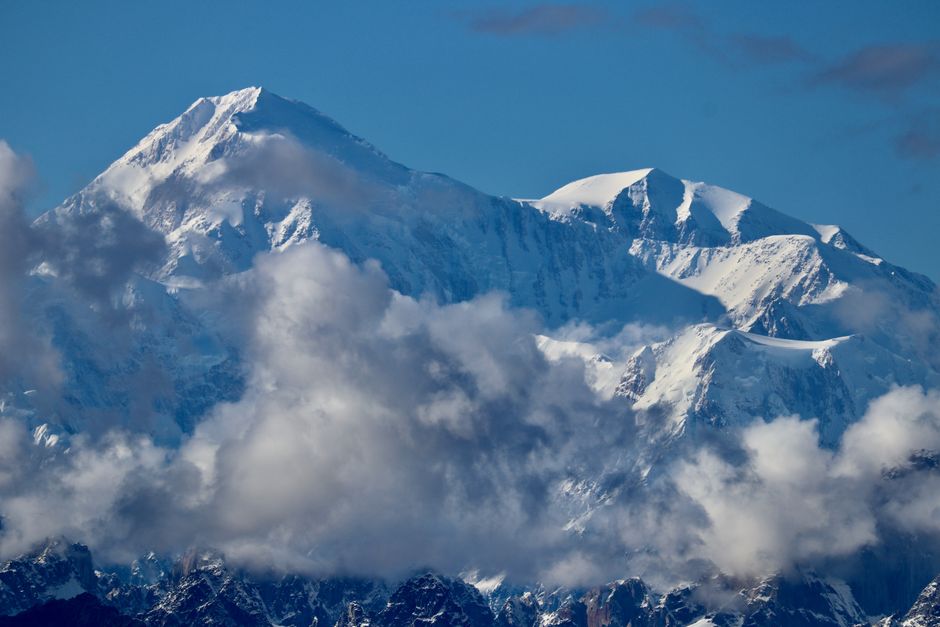
The designation of North America’s highest peak, a majestic behemoth straddling Alaska’s Denali National Park, has been a subject of persistent debate and political maneuvering. While for decades known internationally as Mount McKinley, a tribute to the 25th U.S. President William McKinley, a significant movement, deeply rooted in indigenous history and cultural significance, advocated for its original Athabascan name, Denali. This advocacy culminated in a pivotal moment during the Obama administration and was subsequently addressed by an executive action under President Donald Trump, altering the political and symbolic landscape surrounding this iconic mountain. Understanding the nuances of this re-designation requires delving into the historical context, the motivations behind the name changes, the legal mechanisms employed, and the enduring implications for American heritage and national parks.
The history of the mountain’s nomenclature is a complex tapestry woven with exploration, politics, and cultural assertions. The Athabascan people, who have inhabited the region for millennia, have always referred to the mountain by various names, most commonly "Denali," which translates to "the great one" or "the high one" in their language. This name is intrinsically linked to their spiritual beliefs and their understanding of the land. However, in 1896, during a gold rush expedition, prospector William A. Dickey, seeking to honor then-presidential candidate William McKinley, christened the mountain Mount McKinley. This act, driven by personal admiration and political expediency, marked the formal adoption of the name into federal records, overshadowing the indigenous designation. For over a century, this name persisted on official maps and in public consciousness, despite ongoing efforts by Alaska Native communities and their allies to reclaim the original name.
The push to restore the name Denali gained considerable momentum in the latter half of the 20th century and into the 21st. This movement was not merely an academic exercise in historical accuracy; it represented a profound recognition of indigenous sovereignty and a commitment to rectifying historical injustices. Alaska Native groups, including the Koyukon Athabascan people, argued that the imposition of an American name onto a sacred indigenous landmark was an act of cultural erasure. They emphasized that Denali was not just a geographical feature but a central element of their cultural identity, their creation stories, and their connection to the land. Lobbying efforts, public awareness campaigns, and legal challenges became integral to this resurgence of the Denali name. The scientific community, too, largely favored Denali due to its indigenous origins and accuracy.
The Obama administration, through the Department of the Interior, made a significant move towards acknowledging these claims in 2015. Secretary of the Interior Sally Jewell announced that the U.S. Board on Geographic Names had voted to officially restore the name Denali. This decision was framed as a commitment to honoring Alaska Native heritage and recognizing the mountain’s deep historical and cultural significance to the indigenous people of the region. The announcement was met with widespread acclaim from Native American communities and environmental organizations, but it also ignited a strong backlash from those who felt the name Mount McKinley should be preserved, often citing tradition and a perceived disrespect to President McKinley. This action, while impactful, was not an executive order but a departmental decision, operating within the purview of the Secretary of the Interior’s authority over federal land management and naming conventions.
The renaming of the mountain became a point of contention and a symbol of broader cultural and political divides. When Donald Trump assumed the presidency, the issue re-emerged, albeit in a different context. While the Obama administration’s decision to restore the name Denali was widely accepted and implemented, there were ongoing discussions and lingering sentiments that the name Mount McKinley should have been retained. President Trump, often characterized by his willingness to challenge established norms and engage in symbolic gestures, addressed the naming of the mountain through an executive order. However, it is crucial to clarify the precise nature and impact of any such executive order. Historical records and official government publications indicate that President Trump did not issue an executive order to revert the name back to Mount McKinley. Instead, the dominant narrative and the official designation remained Denali. The confusion may stem from public statements or political rhetoric that expressed a preference for the name Mount McKinley, or from legislative attempts to change the name back, which did not succeed.
To be unequivocally clear, the U.S. Board on Geographic Names, acting under the authority of the Department of the Interior, officially restored the name Denali in 2015. This decision was not overturned by President Trump through an executive order. Any executive orders related to federal lands or naming conventions issued during the Trump administration did not, in practice or in their stated intent, revert the name of the mountain back to Mount McKinley. The legal framework for renaming geographic features in the United States primarily rests with the U.S. Board on Geographic Names, which is a standing committee of federal agency representatives. While a President can influence policy and direct agencies through executive orders, the process of formally changing a geographic name requires adherence to established procedures and a consensus or majority vote within the Board.
The controversy surrounding the naming of the mountain highlights the complex intersection of history, culture, politics, and the stewardship of public lands. The restoration of the name Denali was a significant victory for indigenous rights and a recognition of the deep cultural heritage of the Athabascan people. It underscored a broader societal shift towards acknowledging and rectifying historical injustices. The persistent discussions and the political maneuvering around the name serve as a reminder that these symbolic gestures carry real weight and can reflect deeply held values and identities. The mountain, now officially and widely known as Denali, stands as a testament to the enduring power of indigenous culture and the ongoing evolution of how the United States acknowledges its past and shapes its national identity. The focus of official policy and public discourse has since solidified around the name Denali, reflecting the culmination of decades of advocacy and a commitment to a more inclusive and accurate representation of American heritage. The debate, while having seen its peak intensity around the Obama administration’s decision and subsequent political reactions, has largely settled on the recognition of Denali as the mountain’s rightful and official designation.


