Multigenerational Family Train Travel Italy Switzerland
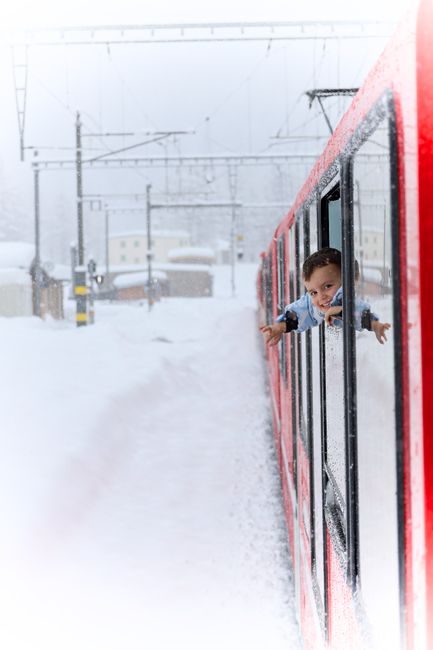
Multigenerational Family Train Travel: Italy & Switzerland – An Epic European Adventure
Embarking on a multigenerational family train journey through Italy and Switzerland offers an unparalleled opportunity to create lasting memories while experiencing diverse cultures, breathtaking landscapes, and efficient, comfortable travel. This article provides a comprehensive guide for planning and executing such an adventure, focusing on maximizing enjoyment for all age groups, from toddlers to grandparents. The inherent advantages of train travel – scenic vistas, reduced travel stress, access to city centers, and the ability to move freely onboard – make it an ideal choice for families with varying needs and interests. Italy, with its rich history, vibrant cities, and delectable cuisine, seamlessly transitions into Switzerland’s majestic Alps, pristine lakes, and charming villages, all accessible via a well-connected and punctual railway network. This itinerary is designed to blend iconic attractions with opportunities for relaxation and unique experiences, ensuring every family member finds something to cherish.
Why Train Travel for Multigenerational Families?
Train travel inherently caters to the needs of multigenerational families. Unlike air travel, there are no stringent liquid restrictions, no lengthy security lines at every station (though some may have them), and the ability to carry more luggage. The journey itself becomes part of the experience. Children can move around, play games, and marvel at the changing scenery, preventing the cabin fever often associated with long car rides or flights. Older adults can relax in comfortable seats, enjoy the views without the pressure of driving, and easily access restrooms. The punctuality and efficiency of European rail networks, particularly in Italy and Switzerland, minimize travel disruptions and maximize time spent exploring destinations. Furthermore, train stations are often located in the heart of cities, eliminating the need for costly and time-consuming transfers to and from airports. This door-to-door convenience is a significant advantage for families managing multiple generations. The social aspect of train travel also allows for shared experiences, conversation, and bonding, fostering a sense of togetherness that is often difficult to replicate with other modes of transport. Finally, the environmental benefits of train travel – lower carbon emissions per passenger mile compared to flying or driving – align with a growing awareness of sustainable tourism, a value that many families wish to impart.
Planning Your Italian Leg: History, Culture, and Culinary Delights
The Italian portion of this multigenerational train adventure can begin in a historically significant city like Rome. The Italian railway system, Trenitalia, offers a reliable and comfortable way to navigate the country. Upon arrival at Rome Fiumicino Airport (FCO), a direct Leonardo Express train whisks passengers to Roma Termini, the city’s central station, a smooth transition for tired travelers. For those with younger children, booking a family-friendly hotel within walking distance of Termini or a short taxi ride away is advisable. Consider hotels with family rooms or adjoining rooms to ensure adequate space and privacy. The initial days in Rome can be tailored to different energy levels. For younger children, the Colosseum and Roman Forum, while historically significant, can be experienced through engaging audio guides or even a family-friendly historical tour that brings the ruins to life with storytelling. The Pantheon, with its awe-inspiring dome, is a shorter and more manageable visit. Gelato breaks are essential for all ages. For older generations, the Vatican City, including St. Peter’s Basilica and the Vatican Museums (home to the Sistine Chapel), offers a profound cultural and artistic experience. Pre-booking Vatican tickets is paramount to avoid extensive queues. Day trips from Rome are also feasible by train. A high-speed Frecciarossa or Frecciargento train can transport the family to Florence in just under two hours. Florence, the cradle of the Renaissance, offers art (Uffizi Gallery, Accademia Gallery), stunning architecture (Duomo, Ponte Vecchio), and delicious Tuscan cuisine. A leisurely stroll across the Ponte Vecchio, with its artisan shops, can be enjoyed by everyone. Consider a family-friendly cooking class focusing on pasta making for a hands-on cultural immersion.
Transitioning to the Italian Lakes: Relaxation and Scenic Beauty
From Florence, another train journey, likely involving a change in Milan, can lead to the enchanting Italian Lakes region. Lake Como is a premier destination, easily accessible by train to Varenna-Esino or Como San Giovanni stations. Staying in a town like Bellagio, Varenna, or Menaggio offers a more relaxed pace. Ferries are the primary mode of transport between these picturesque lakeside towns, providing stunning views and a charming way to explore. For multigenerational groups, renting a villa with a private garden and lake access can be an excellent option, offering space for children to play and a tranquil base for older family members. Activities can include boat tours on the lake, visiting the beautiful villas and their gardens (Villa del Balbianello and Villa Carlotta are particularly impressive), and enjoying lakeside cafes. A shorter train journey from Milan can also take you to Lake Garda, the largest of the Italian lakes, with family-friendly resorts and attractions like Gardaland amusement park. The ease of hopping on and off ferries and trains allows for spontaneous exploration, catering to the varying interests and energy levels within the family.
The Alpine Crossing: Italy to Switzerland by Train
The transition from Italy to Switzerland by train is an experience in itself, often involving breathtaking scenic routes. One of the most iconic is the Bernina Express, a UNESCO World Heritage site, connecting Tirano (Italy) in the Valtellina valley to St. Moritz in Switzerland. This panoramic train journey winds through the Alps, over viaducts, and past glaciers, offering unparalleled views. Booking seats on the panoramic carriages is highly recommended for the best experience. The route is an adventure for all ages, with the dramatic landscapes captivating even the youngest travelers. Upon arrival in St. Moritz, a chic alpine resort town, the Swiss railway system, SBB (Swiss Federal Railways), takes over. St. Moritz offers a range of activities, from gentle lakeside walks and cable car rides to more adventurous options. For families, consider a visit to the Olympic Museum or a leisurely boat trip on the lake.
Exploring the Swiss Alps: Majestic Peaks and Pristine Lakes
From St. Moritz, the Swiss rail network offers seamless connections to other major alpine destinations. Interlaken, often referred to as the adventure capital of Switzerland, is a popular choice. Accessible via scenic train routes, Interlaken sits between two stunning lakes, Thun and Brienz, and serves as a gateway to the Jungfrau region. The Jungfrau railway itself is a marvel of engineering, taking passengers to the "Top of Europe," the Jungfraujoch, a glacial wonderland with breathtaking views of the Aletsch Glacier. The journey itself, with its tunnels and dramatic ascents, is an attraction. For families with younger children or those seeking less strenuous activities, excursions to charming mountain villages like Grindelwald or Wengen via cogwheel train offer stunning scenery without the extreme altitudes. Consider a visit to Trümmelbach Falls, a series of ten glacier-waterfalls inside a mountain, accessible by a tunnel lift – a truly unique experience for all ages.
Lake Geneva is another excellent Swiss destination accessible by train. Montreux and Lausanne offer beautiful lakeside promenades, the Chillon Castle (a picturesque medieval fortress that will spark imagination in children), and vineyards. The Lavaux vineyard terraces, a UNESCO World Heritage site, offer stunning views and are perfect for a leisurely stroll. SBB trains are punctual, clean, and comfortable, making day trips easy. For example, a day trip from Montreux to Gruyères, a medieval town famous for its cheese and chocolate, is a delightful excursion for families. The opportunity to visit a cheese factory and a chocolate shop is a guaranteed hit with everyone.
Practicalities for Multigenerational Train Travel
Ticketing and Passes: For extensive travel across both Italy and Switzerland, consider a rail pass. The Eurail Global Pass or Interrail Global Pass can be cost-effective and offer flexibility. However, for shorter, more focused trips, purchasing individual point-to-point tickets in advance, especially for high-speed routes and popular scenic trains (like the Bernina Express), is advisable to secure seats and potentially better prices. For Italy, Trenitalia offers various passes, and for Switzerland, the Swiss Travel Pass offers unlimited travel on trains, buses, and boats, as well as free entry to over 500 museums. Research which pass best suits your itinerary and the number of travel days. Remember that even with a pass, seat reservations are often mandatory on certain trains, particularly long-distance and scenic routes, and for families traveling together, booking these in advance is crucial.
Accommodation: When booking accommodation, consider the needs of all generations. Family rooms, adjoining rooms, or apartments/villas booked through platforms like Airbnb or Booking.com can provide more space and amenities like kitchens, allowing for some self-catering, which can be cost-effective and convenient for families with dietary needs or picky eaters. Hotels with amenities like swimming pools or play areas can be a big hit with younger children. Proximity to train stations and major attractions is also a key factor to minimize travel time within cities.
Luggage Management: While train travel is more accommodating than flying, managing luggage for a multigenerational group requires strategy. Pack light where possible, focusing on versatile clothing. Consider using luggage forwarding services, available in many European countries, to send larger suitcases directly to your next hotel, allowing you to travel lighter on the trains. Utilize backpacks for essentials and day trips. Rolling luggage is generally easier to navigate through stations and onto trains.
Pacing and Flexibility: The most crucial element of multigenerational travel is pacing. Build in downtime and avoid over-scheduling. Recognize that the energy levels and interests of a toddler will differ significantly from those of a teenager or a grandparent. Incorporate activities that appeal to everyone, and be prepared to split up for certain excursions if necessary. For instance, younger children might enjoy a shorter, more interactive museum exhibit while older family members explore a more in-depth historical site. The beauty of train travel is its flexibility; if the family is enjoying a particular town, it’s relatively easy to extend a stay or adjust the itinerary.
Food and Dining: European cuisine is a highlight, but catering to diverse palates and dietary needs within a multigenerational group is important. Embrace local specialties, but also know where to find familiar options. Many European supermarkets are excellent resources for snacks, picnic supplies, and breakfast items, which can save money and cater to specific preferences. Restaurants often have children’s menus, and many are accommodating of dietary restrictions when notified in advance. Embrace the Italian aperitivo culture for a relaxed pre-dinner experience that can involve various small bites appealing to different tastes.
Engaging All Generations: To ensure the trip is enjoyable for everyone, involve family members in the planning process. Discuss destinations, activities, and even train routes. Consider purchasing guidebooks or resources that appeal to different age groups. During the journey, utilize the train journey itself as an opportunity for bonding. Encourage storytelling, card games, or simply enjoying the shared experience of watching the world go by. For younger children, bring along travel-sized games, books, or activity packs. For teenagers, ensure they have access to Wi-Fi or portable chargers to stay connected. For older adults, encourage them to share their experiences and stories, and ensure they have comfortable seating and ample opportunities for rest.
Conclusion: A Seamless Blend of Adventure and Connection
A multigenerational family train journey through Italy and Switzerland offers a unique and enriching travel experience. The seamless integration of iconic historical sites, breathtaking natural landscapes, and efficient, comfortable transportation via European rail networks creates an unforgettable adventure. By carefully planning, embracing flexibility, and prioritizing the needs and interests of every family member, this epic European exploration can become a cherished collection of memories for generations to come, reinforcing the bonds of family through shared discovery and the magic of the open rail. The accessibility, convenience, and inherent charm of train travel transform the journey itself into a destination, fostering connection and creating a truly immersive European cultural experience.