600 Year Old Lotus Flower Blooms In China
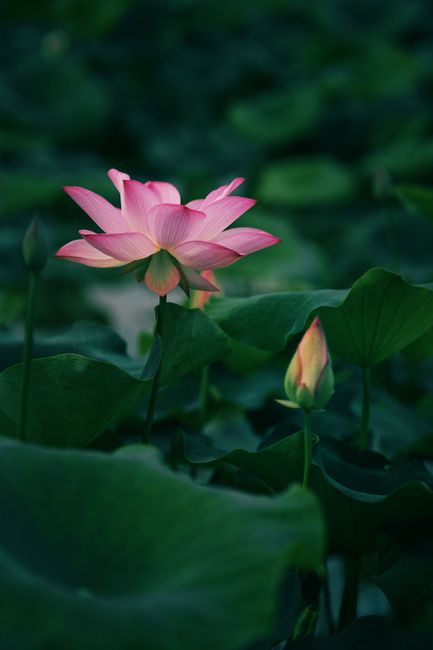
Ancient Resilience: The 600-Year-Old Lotus Blooms of China
The enduring mystique of the lotus flower, a symbol of purity, rebirth, and spiritual enlightenment across many cultures, finds a profound and awe-inspiring testament in China, where specimens believed to be as old as 600 years continue to bloom with remarkable vigor. These ancient lotus varieties, often referred to as "living fossils" of the plant kingdom, offer a unique window into horticultural history and possess an extraordinary genetic resilience that scientists are actively studying. Their continued existence and vibrant flowering are not merely botanical curiosities but hold significant implications for understanding plant longevity, adaptation, and the potential for preserving valuable genetic material for future generations. The discovery and ongoing cultivation of these venerable lotus plants underscore the deep historical connection between humans and agriculture in China, and highlight the remarkable capacity of nature to persevere against the passage of time.
The story of these ancient lotus blooms is deeply intertwined with the agricultural practices and cultural heritage of China, particularly in regions with a long history of rice cultivation and wetland management. While pinpointing the exact age of every single ancient lotus specimen can be challenging, the lineage of many cultivars can be traced back through centuries of meticulous record-keeping and oral tradition. In many instances, these seeds have been passed down through generations, carefully preserved and replanted, becoming living heirlooms. The most well-known and scientifically studied examples often originate from archaeological sites, particularly ancient lakes and riverbeds that were once part of sophisticated irrigation systems. When these ancient seedbeds are disturbed, either through natural erosion or deliberate excavation, dormant seeds, capable of germinating after centuries of dormancy, are often discovered. The viability of these seeds, even after prolonged periods of submersion and potential desiccation, is a testament to the remarkable evolutionary adaptations of the lotus.
The lotus flower (Nelumbo nucifera) itself is a marvel of natural engineering. Its scientific classification places it in the family Nelumbonaceae, a family with a single genus and two species, one native to Asia and Australia, and the other to North America. The Asian species, Nelumbo nucifera, is the one that has achieved such historical significance in China. Its seeds are renowned for their exceptional longevity, a trait attributed to a remarkably hard seed coat, which effectively protects the embryo from degradation, as well as its ability to survive in anaerobic conditions. This impermeability of the seed coat is so pronounced that it can prevent germination for decades, even centuries, until the coat is abraded or softened by environmental factors, such as the digestive systems of animals or the abrasive action of sediments. This extraordinary dormancy mechanism is crucial for the long-term survival of the species, allowing it to persist through periods of unfavorable climate or habitat change.
The cultivation of lotus in China dates back millennia, with archaeological evidence suggesting its domestication and widespread use for food, medicine, and ornamental purposes since at least the Neolithic period. The ancient lotus varieties represent a direct genetic link to these early cultivated forms. Their continued blooming provides an invaluable resource for botanists and geneticists seeking to understand the genetic diversity of the species and the genetic basis of traits such as longevity, disease resistance, and flowering characteristics. By studying the genomes of these ancient plants, researchers can identify genes responsible for their remarkable resilience and explore how these genes have been maintained and expressed over hundreds of years. This research has the potential to inform modern breeding programs, leading to the development of new lotus cultivars with enhanced characteristics, or even to unlock secrets applicable to other crops facing environmental challenges.
The blooming of these ancient lotus flowers is a visually stunning event. While modern cultivars are bred for a dazzling array of colors and petal formations, the ancient varieties often exhibit a more understated beauty, yet one that carries immense historical weight. Their petals, typically ranging from delicate pink to pristine white, unfurl with a slow, deliberate grace, revealing the characteristic seedpod at their center. The fragrance, often subtle but distinct, further enhances the sensory experience. The sheer act of witnessing a bloom from a seed that germinated after centuries evokes a profound sense of connection to the past. This connection is deeply appreciated by local communities, who often view these ancient lotuses with reverence, incorporating them into festivals and cultural narratives.
The scientific study of ancient lotus seeds often begins with their discovery. Excavations in areas known for historical lotus cultivation frequently unearth these dormant treasures. Once recovered, the seeds undergo a rigorous process of stratification and scarification to encourage germination. Scarification involves mechanically or chemically weakening the impermeable seed coat, while stratification mimics natural environmental cues like temperature fluctuations. The successful germination of a centuries-old seed is a moment of triumph for researchers, opening the door to studying the plant’s growth, development, and unique genetic makeup. This process is not without its challenges; not all ancient seeds will germinate, and those that do may require extensive care and specialized growing conditions.
The resilience of these ancient lotus varieties is not solely attributed to their seeds. The rhizomes, the underground stems of the lotus, also possess remarkable longevity and regenerative capacity. These rhizomes, often referred to as "lotus root," are a staple in Chinese cuisine and a vital part of the plant’s life cycle. In ancient cultivation sites, it is not uncommon to find rhizomes that have been buried for extended periods, yet retain the ability to sprout new shoots when conditions are favorable. This inherent robustness of the entire plant organism contributes to the perpetuation of these ancient lineages, allowing them to weather environmental shifts and human disturbances.
The implications of studying 600-year-old lotus blooms extend beyond pure botanical curiosity. In an era of climate change and increasing agricultural pressures, understanding how ancient plants have adapted and survived for centuries offers valuable lessons. The genetic makeup of these lotuses may hold keys to traits such as drought tolerance, salinity resistance, and nutrient efficiency, all of which are critical for developing more sustainable agricultural practices. By identifying and isolating the genes responsible for these traits, scientists can explore the possibility of gene transfer or marker-assisted selection to enhance modern crop varieties. This cross-generational research highlights the importance of preserving biodiversity, not just for its intrinsic value, but for the practical solutions it may hold for the future.
Furthermore, the cultural significance of these ancient lotuses cannot be overstated. In China, the lotus is deeply embedded in philosophical and religious traditions, particularly Buddhism, where it symbolizes purity and spiritual awakening. The blooming of ancient lotuses serves as a tangible reminder of this rich cultural heritage, connecting contemporary society to its past. Local communities often participate in the care and celebration of these historical plants, fostering a sense of stewardship and ensuring their continued survival. This intergenerational transmission of knowledge and respect for the lotus is a vital component of its enduring legacy.
The ongoing research into these ancient lotus blooms is a multidisciplinary endeavor, involving botanists, geneticists, archaeologists, and ethnobotanists. Their collaborative efforts are shedding light on the evolutionary history of Nelumbo nucifera, the mechanisms of seed dormancy and longevity, and the genetic basis of its remarkable resilience. The data gathered from these studies contributes to a deeper understanding of plant evolution and adaptation, with potential applications in agriculture, medicine, and conservation. The identification of specific genetic markers associated with longevity, for example, could lead to the development of methods for extending the shelf life of other important plant species or for identifying naturally occurring resilient traits in wild populations.
The challenges in cultivating and studying these ancient lotuses are significant. Reproducing the precise environmental conditions that allowed these seeds to remain viable for centuries is difficult. Moreover, the ethical considerations surrounding the use of ancient genetic material must be carefully managed to ensure responsible research and conservation practices. The primary goal is to understand and preserve these invaluable genetic resources, not to exploit them.
The phenomenon of 600-year-old lotus blooms in China is a powerful illustration of nature’s enduring strength and humanity’s long-standing relationship with the plant world. These ancient flowers are not just botanical wonders; they are living links to the past, reservoirs of genetic diversity, and a source of inspiration for future scientific and agricultural innovation. The continued blooming of these venerable plants underscores the importance of preserving natural heritage and the profound lessons that can be learned from the silent resilience of life. As researchers continue to unravel the secrets held within their ancient seeds and rhizomes, the wisdom of these 600-year-old lotuses may yet offer solutions to the pressing challenges of our modern world.