Guide To Japanese Tea Ceremonies Kyoto
A Deep Dive into Kyoto’s Japanese Tea Ceremonies: An Essential Guide
Kyoto, the cultural heart of Japan, offers an unparalleled gateway into the profound world of the Japanese tea ceremony, known as chanoyu or chado. This meticulously choreographed ritual transcends the simple act of drinking tea, embodying principles of harmony (wa), respect (kei), purity (sei), and tranquility (jaku). For visitors seeking an authentic and immersive cultural experience, understanding the nuances of attending or even participating in a Kyoto tea ceremony is paramount. This guide provides a comprehensive, SEO-optimized overview for travelers and enthusiasts alike.
The Japanese tea ceremony, as practiced in Kyoto, is deeply rooted in Zen Buddhism and has evolved over centuries. Its modern form owes much to Sen no Rikyu (1522-1591), who codified many of the aesthetic and philosophical principles that continue to guide the practice today. Key to the experience is the meticulous preparation and presentation of matcha, a finely powdered green tea. The ceremony is not merely about consumption but about appreciating the artistry of the utensils, the beauty of the tea room (chashitsu), the seasonal flower arrangement (chabana), and the calligraphy scroll (kakemono). Each element is carefully chosen to evoke a sense of mindfulness and connection to nature and the present moment. Kyoto, with its numerous historical temples, gardens, and dedicated tea schools, provides the ideal setting to witness and engage with this living tradition. Understanding the historical context enriches the appreciation of the contemporary practice, revealing a profound connection between the past and present.
Selecting the right tea ceremony experience in Kyoto involves considering several factors: the type of ceremony, the location, and the desired level of engagement. Kyoto offers a spectrum of experiences, from short introductory sessions designed for tourists to more in-depth, multi-hour ceremonies suitable for those with a deeper interest. Tourist-oriented experiences are often held in accessible locations and may be conducted in English or offer translation services. These typically focus on the core elements of chanoyu, providing a good overview for first-time visitors. More traditional and authentic experiences might be found at tea houses associated with specific schools of tea ceremony or within temple grounds. These may require advance booking and might have specific etiquette guidelines that participants are expected to adhere to. Some venues offer workshops where participants can learn to whisk their own matcha, adding a hands-on dimension to the experience. Researching reviews and descriptions of each venue is crucial to align expectations with the offered program. The formality and duration can vary significantly.
The tea room (chashitsu) is a vital component of the tea ceremony, designed to foster an atmosphere of serenity and intimacy. Traditionally, these rooms are small, often with a low entrance (nijiriguchi) that requires guests to stoop, symbolizing humility and leaving the outside world behind. The interior is deliberately simple, focusing on natural materials like wood, bamboo, and tatami mats. A tokonoma, an alcove, usually displays a scroll of calligraphy or a painting, and a seasonal flower arrangement, both carefully selected to reflect the season and the theme of the gathering. The hearth (ro) or brazier (furo) used to heat the water is central to the ceremony, and its placement and seasonal variations are important details. Understanding the design principles of the chashitsu enhances the appreciation of the ceremony’s contemplative nature. The careful consideration given to the architectural space underscores the importance of creating a conducive environment for mindfulness.
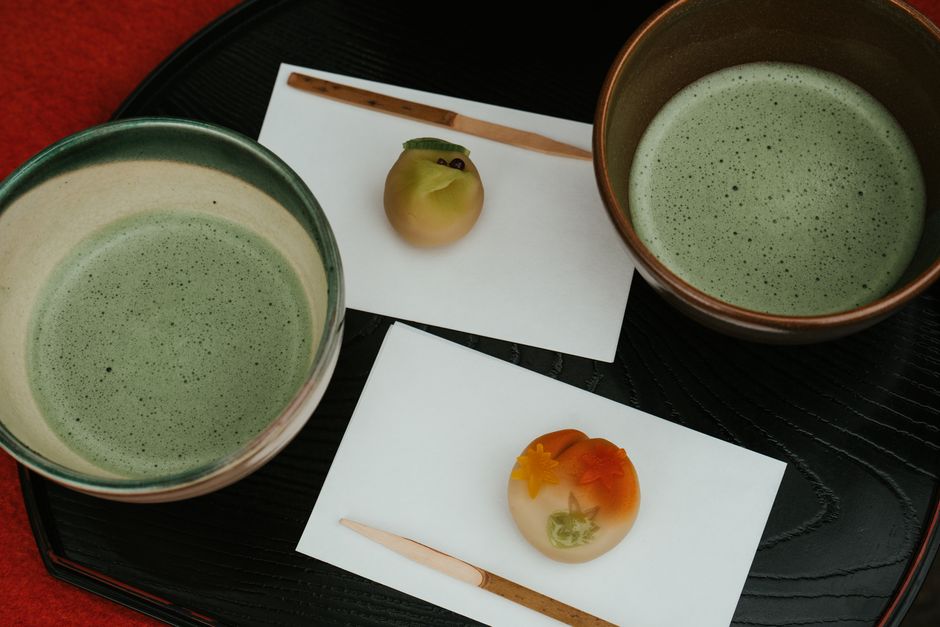
Essential etiquette for attending a Japanese tea ceremony in Kyoto is crucial for showing respect and ensuring a smooth experience. Upon entering the tea room, guests typically remove their shoes. The host will usually gesture for guests to sit in a specific order, with the main guest (shokyaku) seated closest to the host. Before drinking the tea, guests will be served a sweet (wagashi) to balance the slight bitterness of the matcha. When the tea bowl (chawan) is presented, it is customary to admire it before drinking. The bowl is rotated approximately two to three times clockwise before taking a sip, and then rotated back before placing it down. It is polite to make a slight slurping sound on the last sip to indicate that the tea has been enjoyed. After drinking, the bowl is wiped with one’s fingers, and then the fingers are wiped on a paper napkin. Complimenting the host on the tea, the utensils, and the overall experience is also appreciated. Familiarizing yourself with these basic customs demonstrates respect for the host and the tradition.
The preparation of matcha is a highly skilled and precise process. The powdered tea is carefully scooped into the chawan using a bamboo scoop (chashaku). Hot water, not boiling, is then added. The host then whisks the mixture vigorously with a bamboo whisk (chasen) until a fine, frothy layer of foam appears on the surface. The quality of the matcha and the skill of the whisking directly impact the taste and texture of the tea. The water temperature is also critical, typically between 70-80°C (158-176°F), to avoid scorching the delicate tea leaves and to achieve the optimal flavor profile. Different schools of tea ceremony might have subtle variations in their whisking techniques and preferred water temperatures. The deliberate and graceful movements of the host during this preparation are as much a part of the ceremony as the final beverage itself.
Key utensils used in the tea ceremony are works of art in themselves, each with a specific purpose and history. The chawan (tea bowl) is perhaps the most personal and revered item, often handcrafted by renowned potters. Its shape, glaze, and texture contribute significantly to the tactile and visual experience. The chasen (bamboo whisk) is essential for frothing the matcha. The chashaku (bamboo scoop) is used to measure the matcha powder. The natsume or chaire (tea caddy) holds the matcha. The kama (iron kettle) and its accompanying stand (furo) are used to heat the water. The kensui (waste-water bowl) and hishaku (water ladle) are also vital. Understanding the names and functions of these implements enhances the appreciation of the ceremony’s intricate details and the craftsmanship involved. Many tea houses offer opportunities to view or even purchase these exquisite items.
Kyoto boasts a rich tapestry of locations where one can experience a tea ceremony. For accessible and often English-friendly options, consider venues in the Gion district or near popular tourist attractions like Kiyomizu-dera Temple. Many hotels and traditional inns (ryokan) also offer tea ceremony experiences as part of their hospitality. For a more immersive and potentially authentic experience, seek out tea houses associated with established tea schools like Urasenke, Omotesenke, or Mushanokojisenke. These schools have a strong presence in Kyoto. Temple gardens, such as those found at Kodai-ji or Daitoku-ji, occasionally host tea ceremonies, offering a serene backdrop. Exploring the Arashiyama Bamboo Grove area might also reveal hidden tea houses. Booking in advance is highly recommended, especially during peak tourist seasons, to secure a spot.
Participating in a tea ceremony workshop or a beginner’s lesson offers a deeper understanding and practical engagement with chanoyu. These sessions typically involve learning about the history and philosophy, basic etiquette, and the steps involved in preparing matcha. You will likely have the opportunity to whisk your own bowl of matcha under guidance. This hands-on experience provides valuable insight into the dedication and skill required to master the art of tea ceremony. Many workshops are designed for international visitors, offering clear explanations and hands-on practice. Learning to make matcha yourself can be a rewarding aspect of the Kyoto visit, transforming you from an observer into a participant in this ancient ritual.
The philosophical underpinnings of the Japanese tea ceremony are as important as the outward forms. The principles of wa (harmony), kei (respect), sei (purity), and jaku (tranquility) are woven into every aspect of the ceremony. Harmony is achieved through the congruence of all elements – the season, the utensils, the guests, and the host. Respect is shown through humble gestures, careful handling of objects, and mindful interaction. Purity refers to both the physical cleanliness of the space and utensils, and the spiritual purity of the participants’ hearts and minds. Tranquility is the ultimate aim, a state of serene calmness achieved through the mindful engagement with the present moment. Understanding these principles elevates the tea ceremony from a simple cultural performance to a profound spiritual practice.
Seasonal considerations play a significant role in a Kyoto tea ceremony. The utensils, flower arrangements, sweets, and even the type of tea ceremony conducted can change with the seasons. For example, during winter, a sunken hearth (ro) is used, while a portable brazier (furo) is used in warmer months. The wagashi (sweets) served are often designed to reflect the colors and motifs of the current season, providing a visual connection to nature’s cycles. The chabana (flower arrangement) will feature flowers that are in bloom during that particular time of year. Experiencing a tea ceremony across different seasons can offer vastly different yet equally enriching perspectives on the tradition.
For travelers to Kyoto, booking a tea ceremony in advance is strongly advised. Many popular venues fill up quickly, especially during peak travel times such as spring (cherry blossom season) and autumn (fall foliage). Online booking platforms and direct contact with tea houses or cultural centers are the most efficient methods. Confirming the language of instruction or translation services available is also a practical consideration, particularly for those who do not speak Japanese. Understanding cancellation policies and any specific dress code requirements (though usually informal, overly casual attire might be discouraged) can prevent last-minute issues. A little planning ensures a more relaxed and enjoyable experience.
In conclusion, Kyoto’s Japanese tea ceremonies offer a profound journey into Japanese culture, aesthetics, and philosophy. By understanding the historical context, the nuances of the tea room, the essential etiquette, and the underlying principles, visitors can fully appreciate this timeless ritual. Whether opting for a brief introductory session or a more in-depth engagement, the experience of chanoyu in Kyoto is an unforgettable immersion into a world of quiet contemplation and mindful beauty. The accessibility of diverse venues, from bustling tourist areas to serene temple grounds, ensures that this quintessential Japanese experience is within reach for a wide range of travelers seeking authentic cultural enrichment.