Tag Labor Day Weekend

Labor Day Weekend: A Comprehensive Guide to Celebrating American Workers and the End of Summer
Labor Day, observed on the first Monday of September, marks a significant holiday in the United States, dedicated to honoring the contributions and achievements of American workers. The accompanying three-day weekend provides a crucial opportunity for rest, recreation, and reflection. This extended break signifies the unofficial end of summer for many, ushering in cooler weather and a return to routines after a season of leisure. Beyond its symbolic meaning, Labor Day weekend is a vibrant period filled with diverse activities, from community gatherings and parades to personal escapes and family reunions. Understanding the historical context, cultural significance, and practical aspects of this holiday is key to maximizing its potential for both celebration and rejuvenation. The holiday’s origins are deeply rooted in the labor movement of the late 19th century, a period of intense industrial growth and widespread worker advocacy. As factories and industries expanded, so too did the demand for better working conditions, fair wages, and reasonable hours. Labor unions emerged as powerful forces, organizing workers and campaigning for their rights. It was in this climate that the idea of a day to recognize and celebrate the labor force began to take shape.
The precise origin of Labor Day is debated, with both Peter J. McGuire, a co-founder of the American Federation of Labor, and Matthew Maguire, a machinist and union organizer, credited with proposing the holiday. Regardless of the exact individual, the concept gained traction within the labor movement. The first Labor Day parade was held in New York City on September 5, 1882, organized by the Central Labor Union of New York. This event, featuring a large procession of workers and a subsequent picnic, set a precedent for future celebrations. By the 1890s, several states had adopted Labor Day as a legal holiday. The federal government officially recognized Labor Day as a national holiday in 1894, a testament to the growing influence of organized labor and the widespread public support for acknowledging the vital role of workers in the nation’s economy and society. The annual observance quickly became a significant event on the American calendar, evolving from its initial focus on union activism to a broader celebration of all working individuals.
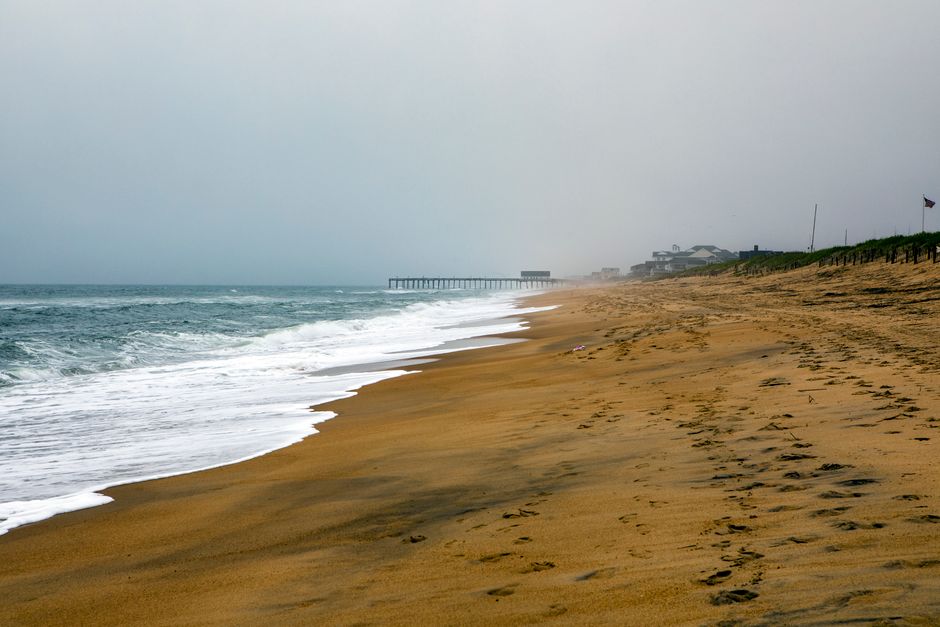
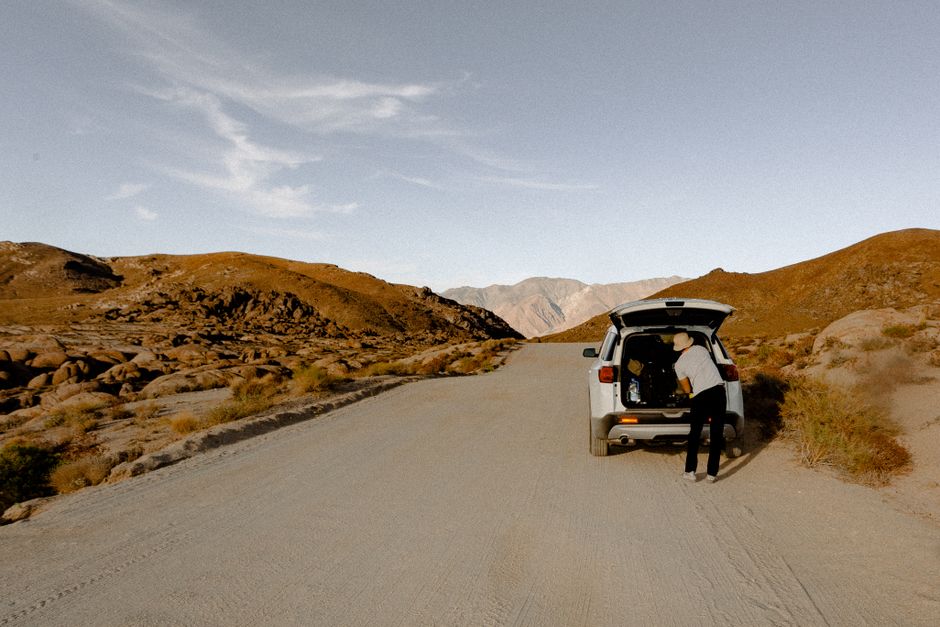
Labor Day weekend offers a multifaceted experience, catering to a wide array of interests and preferences. For many, it’s a final chance to embrace the summer season before autumn’s arrival. This often translates into outdoor activities like beach trips, camping excursions, hiking adventures, and backyard barbecues. The extended break allows for longer journeys, making it an ideal time for vacationing, visiting family, or exploring new destinations. The travel industry experiences a significant surge during this period, with popular tourist spots often booked well in advance. Families frequently use the weekend to gather, strengthening bonds and creating lasting memories. These reunions often involve shared meals, games, and a general atmosphere of relaxation and enjoyment. The spirit of community is also palpable, with many towns and cities hosting local events. These can range from traditional parades, showcasing local businesses, community groups, and marching bands, to festivals featuring live music, food vendors, and craft fairs. These local celebrations highlight the collective spirit and pride of a community, underscoring the shared value placed on hard work and its fruits.
The economic impact of Labor Day weekend is substantial. Retailers, particularly those selling seasonal goods, often offer significant sales and promotions to capitalize on the heightened consumer activity. The travel and hospitality sectors see a considerable boost in revenue, as millions of Americans embark on trips. Restaurants and entertainment venues also experience increased patronage. The holiday is not just about consumption; it’s also about the distribution of earned income. For many, the weekend represents a well-deserved respite from their professional duties, a chance to recharge and decompress. This period of rest is crucial for maintaining productivity and well-being throughout the year. The holiday serves as a reminder that the nation’s prosperity is built upon the sustained efforts of its workforce. Recognizing and celebrating this contribution reinforces a sense of appreciation and can contribute to a more engaged and motivated labor force.
Beyond the immediate festivities, Labor Day weekend carries a profound symbolic weight. It is a day dedicated to the dignity of labor, acknowledging the indispensable role that workers of all backgrounds and professions play in shaping the nation. From the factory floor to the boardroom, from agricultural fields to healthcare institutions, every job contributes to the intricate tapestry of American society. The holiday provides an opportunity to reflect on the historical struggles for workers’ rights, the advancements made, and the ongoing challenges that persist. It’s a moment to appreciate the freedoms and opportunities that many have fought for, and to consider how these can be further strengthened. The concept of “labor” itself encompasses a vast spectrum of human endeavor, from manual and skilled trades to intellectual and creative pursuits. Labor Day honors this diversity, recognizing that every contribution, regardless of its nature or perceived prestige, is vital to the functioning of society.
For those planning to travel, early booking is often essential to secure desirable accommodations and transportation, especially for popular destinations. This includes flights, hotels, rental cars, and even campsites. Researching local events and parades in advance can enhance the experience, allowing for a more structured and enjoyable weekend. Many community websites and local news outlets publish schedules of Labor Day weekend activities. For those opting for a staycation, planning ahead is equally important. Organizing barbecues, outdoor games, or home-based relaxation activities can help make the most of the time off. This might involve stocking up on groceries, planning menus, or arranging activities with friends and family. The key is to approach the weekend with intention, whether the goal is adventure, relaxation, or community engagement.
The culinary landscape of Labor Day weekend is intrinsically linked to its outdoor and celebratory nature. Barbecues are a quintessential element, with families and friends gathering for grilled meats, corn on the cob, potato salad, and other classic summer fare. The aroma of charcoal and sizzling burgers often fills the air, symbolizing a relaxed and convivial atmosphere. Potluck-style meals are also common, encouraging a shared culinary experience and reducing the burden on any single host. Food festivals and farmers’ markets may also be part of the weekend’s offerings, providing opportunities to sample local delicacies and fresh produce. The emphasis is often on simple, comforting food that can be enjoyed in a casual setting, reflecting the holiday’s spirit of communal enjoyment and appreciation.
The tradition of the Labor Day parade, while perhaps less universally attended than in its early days, remains a significant aspect of the holiday in many communities. These parades serve as a visible demonstration of pride in the workforce and local civic organizations. They often feature marching bands, community floats, local dignitaries, and representatives from various unions and businesses. These processions are more than just entertainment; they are a tangible expression of collective identity and a reminder of the shared history of labor advocacy. For those who participate as marchers, it’s an opportunity to represent their organization or cause. For spectators, it’s a chance to connect with their community and acknowledge the contributions of its members.
Beyond the organized events, Labor Day weekend is a time for personal rejuvenation. For many, it’s the last opportunity to indulge in leisure activities before the demands of the fall season set in. This could involve catching up on reading, pursuing hobbies, or simply enjoying quiet time at home. The mental and physical benefits of such a break are significant, contributing to reduced stress and improved overall well-being. The unofficial end of summer also brings a subtle shift in atmosphere. Days begin to shorten, temperatures gradually cool, and a sense of winding down can emerge. This transition can be both melancholic and refreshing, marking a natural rhythm of the year.
The impact of Labor Day on consumer behavior is noteworthy. Beyond the immediate spending on travel and leisure, the holiday often signifies a shift in purchasing patterns. Retailers often clear out summer inventory and begin to showcase fall collections. Back-to-school sales, which often precede Labor Day, transition into end-of-season clearance events. This economic activity, while driven by consumer demand, is ultimately fueled by the production and labor that supports these industries. The holiday, therefore, indirectly highlights the interconnectedness of consumption and production. The economic cycle is sustained by the efforts of countless individuals, and Labor Day serves as a symbolic pause to acknowledge this fundamental truth.
The evolution of work itself also plays a role in how Labor Day is perceived and celebrated. As the nature of employment shifts, with increasing emphasis on service, technology, and knowledge-based industries, the holiday’s significance can also adapt. While the historical roots are in industrial labor, the spirit of Labor Day now encompasses a broader definition of work, recognizing the value of all contributions. The rise of remote work and the gig economy, for instance, presents new considerations for how workers are recognized and supported. While the holiday’s core message of honoring labor remains, its specific manifestations may continue to evolve alongside societal changes.
In conclusion, Labor Day weekend is a multifaceted holiday with deep historical roots, significant cultural resonance, and a tangible economic impact. It serves as a vital opportunity to honor the contributions of American workers, celebrate the end of summer, and engage in a variety of recreational and communal activities. From parades and festivals to family gatherings and personal retreats, the weekend offers something for everyone. Understanding its origins, appreciating its symbolism, and planning accordingly can help individuals and communities make the most of this important observance, ensuring a meaningful and rejuvenating end to the summer season and a renewed appreciation for the labor that underpins American society. The enduring spirit of Labor Day lies in its recognition of the collective effort that drives progress and prosperity, a principle that remains as relevant today as it was in the late 19th century.