One Million Trees For Machu Picchu
One Million Trees for Machu Picchu: A Vital Reforestation Initiative
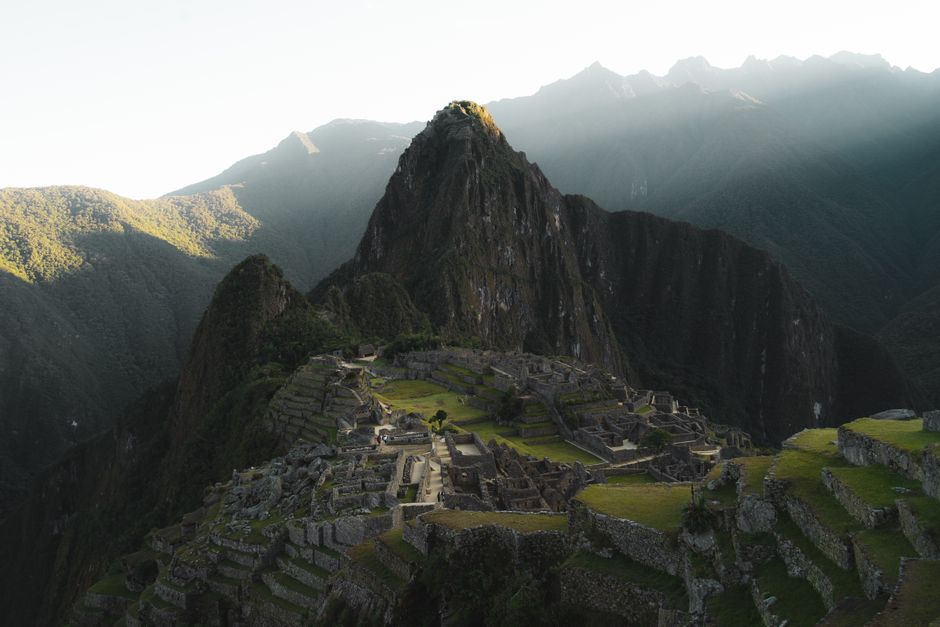
The iconic citadel of Machu Picchu, a UNESCO World Heritage site and one of the New Seven Wonders of the World, faces a growing threat from environmental degradation, primarily soil erosion and landslides. This delicate Incan marvel, perched high in the Andes Mountains of Peru, is susceptible to the impacts of extreme weather events, deforestation in its surrounding catchment areas, and the sheer volume of tourism. To combat these challenges and secure the long-term preservation of this invaluable cultural and historical landmark, the "One Million Trees for Machu Picchu" initiative has been launched. This ambitious reforestation project aims to plant one million native trees in the Machu Picchu Historical Sanctuary and its vital watershed, employing a multi-faceted approach that integrates ecological restoration, community engagement, and sustainable tourism practices. The urgency for such an initiative stems from scientific evidence indicating increased rainfall intensity and frequency due to climate change, exacerbating the risk of landslides that could irrevocably damage the ancient structures. Furthermore, historical deforestation for agricultural expansion and fuel wood extraction has significantly reduced the forest cover, weakening the soil’s ability to retain moisture and resist erosion. The project’s core objective is to re-establish a robust and diverse forest ecosystem that will act as a natural buffer against these threats, thereby safeguarding Machu Picchu for future generations.
The geographical context of Machu Picchu is crucial to understanding the necessity and complexity of this reforestation effort. The sanctuary is located within the cloud forest ecosystem, characterized by high humidity, frequent fog, and a rich biodiversity. This unique environment is particularly vulnerable to disturbances. The steep slopes, coupled with the porous nature of the soil in many areas, make the region prone to landslides, especially during the rainy season. Historical records and anecdotal evidence from local communities attest to the significant soil loss and landslip incidents that have occurred over the past century, directly impacting the stability of the surrounding terrain and, by extension, the structural integrity of the Incan ruins. The initiative recognizes that simply planting trees is insufficient; a strategic approach is required, focusing on native species that are well-adapted to the local climate and soil conditions. These species will provide the most effective ecological benefits, including enhanced soil stabilization, improved water regulation, and the support of the region’s unique flora and fauna. The project’s scope extends beyond the immediate vicinity of the citadel to encompass the upper watershed, understanding that the health of the entire ecosystem is intrinsically linked to the preservation of Machu Picchu. Deforestation upstream can lead to increased sediment runoff, which not only affects the water quality but also contributes to the silting of rivers that are crucial for the local communities and the broader environmental balance.
The "One Million Trees for Machu Picchu" initiative is designed with a clear understanding of the ecological principles required for successful reforestation in a sensitive mountain environment. The selection of tree species is a cornerstone of this strategy. Rather than a monoculture approach, the project prioritizes biodiversity, aiming to plant a mix of native hardwood trees, shrubs, and ground cover plants. This diversity mimics the natural forest structure, providing a more resilient ecosystem that is better equipped to withstand pests, diseases, and changing environmental conditions. Key species being considered include species of Polylepis, Alnus, and Gynoxys, known for their deep root systems that effectively bind soil on steep slopes and their ability to thrive in the high-altitude cloud forest. Polylepis species, in particular, are critically endangered and their reintroduction is vital for both ecological restoration and the conservation of their unique genetic material. The project also emphasizes the establishment of propagation nurseries where seedlings of these native species are grown from locally sourced seeds. This ensures genetic diversity and acclimatization to the specific microclimates within the sanctuary. The planting methodology itself is tailored to the challenging terrain. Techniques such as contour planting, terracing where appropriate, and the use of biodegradable erosion control materials are employed to maximize seedling survival rates and minimize disturbance to the landscape. Furthermore, the project incorporates an ongoing monitoring and maintenance program to ensure the long-term success of the reforestation efforts, including regular checks on seedling health, weed control, and replacement of any unsuccessful plantings.
Community involvement is a critical and non-negotiable component of the "One Million Trees for Machu Picchu" project. The success of any large-scale reforestation effort in a region with existing human populations hinges on the active participation and buy-in of local communities. The initiative actively engages the indigenous communities residing in and around the Machu Picchu Historical Sanctuary, recognizing their traditional knowledge of the land and their vested interest in its preservation. This engagement takes several forms, including employment opportunities in nurseries and planting teams, educational workshops on sustainable land management practices, and the establishment of community-led forest management committees. By providing economic incentives and fostering a sense of ownership, the project aims to transform local residents into stewards of the forest. These workshops cover topics such as the importance of native species, the dangers of slash-and-burn agriculture, and the benefits of agroforestry systems that can provide sustainable livelihoods while simultaneously supporting reforestation goals. The project also seeks to integrate traditional ecological knowledge, passed down through generations, into modern conservation practices. This collaborative approach ensures that the reforestation efforts are not perceived as an external imposition but rather as a shared endeavor that benefits everyone. Furthermore, by empowering local communities, the project seeks to reduce the pressure on natural resources that historically contributed to deforestation.
The economic and tourism aspects of the "One Million Trees for Machu Picchu" initiative are intricately woven into its sustainability model. Machu Picchu is a significant driver of Peru’s tourism economy, attracting hundreds of thousands of visitors annually. This influx of tourists, while economically beneficial, also presents environmental challenges. The reforestation project aims to leverage this economic engine to fund its operations and promote responsible tourism. A portion of the revenue generated from park entrance fees and related tourism activities is earmarked for the reforestation fund. Additionally, the initiative is developing a "carbon offsetting" program, allowing tourists and tour operators to contribute financially to the tree-planting efforts as a way to mitigate their travel-related carbon footprint. This creates a direct financial link between tourism and conservation, fostering a virtuous cycle. Beyond financial contributions, the project actively promotes eco-tourism principles, encouraging visitors to engage with the natural environment responsibly. This includes promoting low-impact trekking routes, educating visitors about waste management, and encouraging patronage of local businesses that adhere to sustainable practices. The visual impact of a regenerating forest, with its enhanced biodiversity and natural beauty, will further enhance the tourist experience, attracting more visitors interested in ecotourism and conservation initiatives.
Technological advancements are playing an increasingly vital role in the efficient and effective implementation of the "One Million Trees for Machu Picchu" project. Geographic Information Systems (GIS) and remote sensing technologies are being utilized for detailed mapping of the project area, identifying priority zones for reforestation based on soil erosion risk, existing deforestation levels, and ecological significance. Drone technology is being deployed for aerial surveys to monitor seedling survival rates, assess forest canopy cover over time, and identify areas requiring intervention. These advanced tools allow for precise planning, targeted interventions, and comprehensive data collection, enabling the project team to make informed decisions and adapt their strategies as needed. Furthermore, the project is exploring the use of mobile applications for community engagement and data collection. Local residents can use these apps to report on tree health, identify areas prone to landslides, or log their participation in planting activities. This crowdsourced data, when validated, provides valuable real-time information, increasing the efficiency and responsiveness of the project. The integration of these technologies not only enhances operational effectiveness but also contributes to the transparency and accountability of the initiative, allowing stakeholders to track progress and impact.
The long-term vision for the "One Million Trees for Machu Picchu" initiative extends beyond simply planting trees. It aims to foster a holistic and sustainable management plan for the entire Machu Picchu Historical Sanctuary. This includes ongoing ecological monitoring to assess the health of the reforested areas, the impact on water resources, and the return of native wildlife. The project seeks to establish a robust framework for adaptive management, allowing for adjustments to strategies based on scientific findings and changing environmental conditions. Education and awareness campaigns will continue to be a critical component, reaching out to schools, universities, and the general public to foster a deeper understanding of the importance of forest conservation and its direct link to the preservation of cultural heritage sites like Machu Picchu. The project also aims to serve as a model for other high-altitude and culturally significant sites facing similar environmental challenges. By documenting its successes, challenges, and lessons learned, "One Million Trees for Machu Picchu" can provide valuable insights and transferable best practices to other conservation efforts worldwide. The ultimate goal is to create a self-sustaining ecosystem where the forest thrives, the soil remains stable, water resources are protected, and the iconic citadel of Machu Picchu endures for millennia, a testament to both ancient ingenuity and modern conservation commitment. The initiative underscores the interconnectedness of ecological health, cultural preservation, and human well-being, demonstrating that investing in nature is an investment in our shared future. The success of this ambitious undertaking will not only safeguard a global treasure but also serve as a powerful symbol of hope and collaborative action in the face of escalating environmental pressures. The strategic integration of scientific expertise, community empowerment, and innovative technologies positions this initiative as a pioneering effort in the field of cultural landscape restoration.