
Bonaire Caribbean Coral Planting

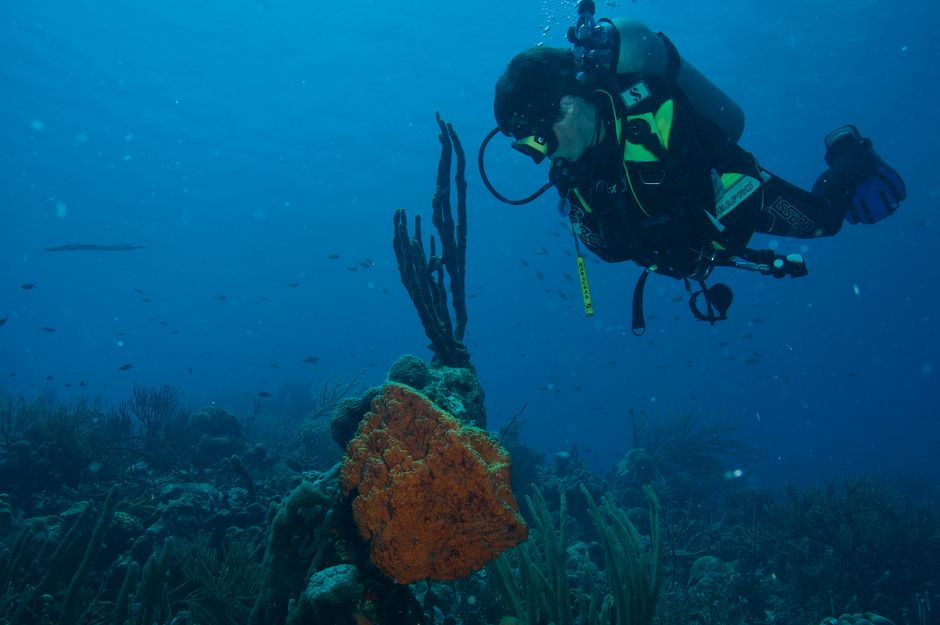
Coral Gardening in Bonaire: Cultivating Resilience in the Caribbean
Bonaire, a Dutch Caribbean island renowned for its pristine fringing reefs and vibrant marine biodiversity, faces an ongoing challenge: coral reef degradation. Decades of environmental stressors, including climate change-induced coral bleaching, disease outbreaks, and human impacts, have taken a significant toll on these vital underwater ecosystems. In response, Bonaire has become a global leader in coral reef restoration, with coral gardening emerging as a cornerstone of its conservation efforts. This article delves into the intricate world of coral gardening in Bonaire, exploring its methodologies, successes, challenges, and its critical role in cultivating resilience for the island’s precious marine heritage.
The concept of coral gardening is straightforward yet scientifically sophisticated. It involves cultivating small fragments of coral in controlled underwater nurseries and then outplanting these mature fragments back onto degraded reef areas. This process mimics natural coral reproduction but at an accelerated rate, providing a vital boost to damaged reefs. Bonaire’s pioneering work in this field has not only contributed to the recovery of its own reefs but has also served as an inspiration and model for other reef-dependent nations worldwide. The island’s commitment to coral restoration is deeply intertwined with its identity as a premier dive destination, recognizing that healthy reefs are integral to its economy and ecological well-being.
The Science and Methodology of Bonairean Coral Gardening
At the heart of Bonaire’s coral gardening program lies a deep understanding of coral biology and a dedication to rigorous scientific methodology. The process begins with the collection of small, healthy coral fragments, often referred to as "nubbins" or "cuttings," from donor colonies. These donor colonies are carefully selected to ensure genetic diversity and resilience to environmental stressors. Species commonly used in Bonaire’s nurseries include elkhorn coral (Acropora palmata) and staghorn coral (Acropora cervicornis), both of which are critically endangered in the wider Caribbean. Brain corals (Diploria spp.) and boulder corals (Porites spp.) are also cultivated, providing a broader spectrum of reef-building capabilities.
Once collected, these fragments are carefully transported to underwater nurseries. Bonaire’s nurseries are often characterized by their innovative designs, utilizing structures like "tree" frames, PVC pipes, or even submerged metal cages. These structures are strategically placed in areas with good water flow and sunlight, providing a stable substrate for coral growth. The fragments are typically attached to these structures using specialized marine epoxy or by tying them with fishing line or cable ties. The underwater environment is ideal for coral growth, leveraging natural sunlight and currents for nutrient supply and waste removal.
The growth process within these nurseries is closely monitored. Marine biologists and trained volunteers regularly inspect the fragments, assessing their health, growth rates, and any signs of disease or predation. Regular maintenance involves cleaning the structures to remove algae and debris that could impede coral growth. Temperature and water quality are also crucial factors, and nurseries are often situated in areas less prone to extreme fluctuations. The goal is to foster rapid, healthy growth, preparing the coral fragments for their eventual return to the reef. This phase can take anywhere from six months to two years, depending on the coral species and environmental conditions.
Outplanting: Restoring Damaged Reefs
The culmination of the coral gardening process is outplanting, the strategic placement of nursery-grown corals onto degraded reef areas. This is a meticulously planned operation, often undertaken during calm seas and optimal tidal conditions to minimize stress on the coral fragments and the divers involved. Before outplanting, reef sites are thoroughly assessed to identify areas that are most suitable for coral establishment. This includes evaluating substrate availability, wave exposure, and the presence of potential threats like predatory fish or excessive sedimentation.
During outplanting, divers carefully detach the mature coral fragments from their nursery structures. These fragments are then transported to the designated reef locations. Various methods are employed for attachment, including using marine-grade epoxy to secure them to the reef substrate. In some cases, small cages or frames are used to protect the newly outplanted corals from physical damage and predation during their initial establishment period. The spacing and arrangement of outplanted corals are also crucial, aiming to mimic natural reef structures and promote successful fusion and growth.
The success of outplanting is continuously monitored. Divers revisit the outplanted sites to assess survival rates, growth, and signs of fusion with the existing reef. Data collected from these monitoring efforts is invaluable, providing insights into the effectiveness of different outplanting techniques, the best species for specific reef conditions, and the overall progress of the restoration project. This feedback loop is essential for refining the coral gardening methodology and maximizing the long-term success of Bonaire’s restoration initiatives.
Key Coral Species Cultivated and Their Importance
Bonaire’s coral gardening efforts focus on a select group of coral species, prioritizing those that are ecologically significant and facing significant threats. Elkhorn coral (Acropora palmata) and staghorn coral (Acropora cervicornis), both branching species belonging to the Acroporidae family, are at the forefront of these initiatives. These corals are considered "foundation species" because they form the complex three-dimensional structures of Caribbean reefs, providing habitat, shelter, and food sources for a vast array of marine life. Their rapid growth rates, when conditions are favorable, make them ideal candidates for nursery cultivation and outplanting. However, they are also highly susceptible to bleaching and disease, leading to their critically endangered status.
Boulder corals (Porites spp.) and brain corals (Diploria spp.), belonging to the massive coral groups, are also vital components of Bonaire’s restoration efforts. While they grow at a slower pace than branching corals, they are generally more resilient to bleaching events and physical damage. Their contribution to reef structure is significant, forming large, rounded colonies that offer stable attachment points and long-term reef complexity. Cultivating a diverse range of coral species, from fast-growing branching corals to slow-growing massive corals, ensures the development of robust and resilient reef ecosystems that can withstand future environmental challenges. This diversification strategy is crucial for the long-term health and functional integrity of Bonaire’s reefs.
Successful Restoration Projects and Their Impact
Bonaire’s commitment to coral gardening has yielded tangible and inspiring results. Projects like the Reef Renewal Foundation Bonaire (RRFB) have been instrumental in driving these restoration efforts. RRFB operates extensive coral nurseries and implements widespread outplanting programs across the island’s southern coastline, a region that has historically experienced significant coral loss. Their work has demonstrated remarkable success in re-establishing key coral species on degraded reef patches.
One notable indicator of success is the increasing observation of natural recruitment of juvenile corals onto restored areas. This signifies that the newly outplanted corals are not only surviving but are also contributing to the overall health and reproductive capacity of the reef, attracting fish and other marine organisms. Divers and snorkelers are reporting a noticeable increase in coral cover and biodiversity in areas where restoration has taken place. These restored sections are becoming vibrant hubs of marine activity, attracting more fish species and increasing the overall biomass of the reef ecosystem.
The economic impact of these successful restoration projects is also becoming increasingly evident. A healthy and thriving reef system is crucial for Bonaire’s tourism industry, particularly its world-renowned dive tourism. The visual appeal of healthy coral reefs directly influences the diving experience, attracting more visitors and contributing to local revenue. By actively restoring its reefs, Bonaire is investing in its own economic future, ensuring that its natural assets continue to attract visitors and support its economy for generations to come. Furthermore, the educational and scientific outreach associated with these projects fosters a greater understanding and appreciation for marine conservation among locals and tourists alike.
Challenges and Future Directions
Despite the significant progress, Bonaire’s coral gardening efforts face ongoing challenges. Climate change remains the most pervasive threat, with rising sea temperatures leading to more frequent and severe coral bleaching events. Ocean acidification, another consequence of increased atmospheric CO2, further compromises coral health by hindering their ability to build and maintain their calcium carbonate skeletons. Disease outbreaks, such as White Band Disease and Stony Coral Tissue Loss Disease, continue to pose a threat to both wild and nursery-grown corals.
Human impacts, while managed through strict environmental regulations, can still contribute to reef degradation. These include potential impacts from shipping, coastal development, and recreational activities if not properly managed. Maintaining optimal nursery conditions, protecting them from predation by species like the Drupella snail, and ensuring the genetic diversity of donor colonies are ongoing operational challenges. Funding for long-term monitoring and expansion of restoration efforts is also a continuous consideration.
Looking ahead, Bonaire’s coral gardening strategy is evolving. There is a growing emphasis on assisted gene flow and selective breeding to cultivate more heat-tolerant and disease-resistant coral genotypes. Research into outplanting techniques that promote faster fusion and integration with the natural reef substrate is also a priority. Expanding the geographical scope of restoration efforts to encompass a wider range of degraded reef areas, particularly those that serve as critical fish nurseries or provide coastal protection, is also on the horizon.
Furthermore, community engagement and education are being strengthened to foster a sense of shared responsibility for reef conservation. This includes involving local schools, dive operators, and the general public in monitoring and data collection efforts. The ultimate goal is to create a self-sustaining and resilient reef ecosystem that can adapt to changing environmental conditions. Bonaire’s pioneering work in coral gardening serves as a powerful testament to the potential of human intervention in restoring critically endangered marine ecosystems, offering a beacon of hope for coral reefs worldwide. The lessons learned and the technologies developed in Bonaire are invaluable for global coral reef conservation efforts, underscoring the island’s leadership in this vital environmental endeavor.


