Tag Sao Tome E Principe
Tag Sao Tome E Principe: Unveiling the Unspoiled Gem of the Gulf of Guinea
São Tomé and Príncipe, an island nation off the western coast of Central Africa in the Gulf of Guinea, presents a compelling case for discerning travelers and investors alike. This two-island republic, comprising São Tomé, the larger and more populous island, and Príncipe, a UNESCO Biosphere Reserve, is a tapestry woven from rich colonial history, unique biodiversity, and a burgeoning tourism sector. Often overshadowed by its mainland African counterparts, São Tomé and Príncipe (STP) possesses an untamed allure, a fusion of Portuguese heritage and vibrant African culture, offering an escape from the conventional and an immersion into the extraordinary. This article delves into the multifaceted appeal of STP, exploring its geographical significance, historical trajectory, ecological treasures, economic potential, and the experiences that define this captivating archipelago.
Geographically, São Tomé and Príncipe are volcanic islands situated approximately 250 kilometers west of Gabon and 150 kilometers west of Equatorial Guinea. The islands lie on the equator, contributing to their tropical climate characterized by high humidity and consistent temperatures. The volcanic origins have endowed STP with dramatic landscapes: lush rainforests cascade down steep volcanic slopes, meeting pristine beaches fringed with coconut palms. The elevation varies significantly, with Pico de São Tomé, the highest peak on São Tomé island, reaching 2,024 meters. This topography dictates the island’s microclimates and supports an astonishing array of endemic flora and fauna, making it a biodiversity hotspot. The archipelago’s strategic location, while historically presenting navigational challenges, also positions it as a potential hub for maritime activities and regional trade. The surrounding ocean teems with marine life, supporting a vital fishing industry and offering incredible opportunities for ecotourism, from whale watching to diving. The islands’ relatively small size belies their profound ecological and cultural significance, making them a vital piece of the African continental shelf’s natural heritage.
The historical narrative of São Tomé and Príncipe is deeply intertwined with the age of exploration and the brutal legacy of the slave trade and forced labor. Discovered by Portuguese navigators in the late 15th century, the islands were initially uninhabited and subsequently developed as sugar plantations. This period marked the introduction of enslaved Africans, primarily from the mainland, to cultivate sugar, and later, cocoa and coffee. The Portuguese colonial rule, spanning over five centuries, left an indelible mark on the islands’ architecture, language (Portuguese is the official language), and cultural traditions. The remnants of this era are evident in the crumbling, yet charming, roças – former plantation estates – that dot the landscape, whispering tales of opulent pasts and challenging histories. The fight for independence culminated on July 12, 1975, with São Tomé and Príncipe becoming a sovereign nation. This transition ushered in a new era, focused on nation-building and harnessing the islands’ natural resources. The legacy of colonialism continues to shape the socio-economic fabric, with ongoing efforts to reconcile history with contemporary development and to foster a national identity that embraces both its African roots and its Portuguese influences. Understanding this complex history is crucial to appreciating the resilience and cultural richness of the Santomean people.
The ecological importance of São Tomé and Príncipe cannot be overstated. The islands are often referred to as the "African Galápagos" due to their exceptionally high levels of endemism. Isolated for millennia, the flora and fauna have evolved in unique ways, resulting in a treasure trove of species found nowhere else on Earth. The dense rainforests are home to numerous endemic birds, including the São Tomé fiscal, the giant sunbird, and the Príncipe kingfisher. Reptiles, amphibians, and insects also boast a significant number of endemic species, showcasing the islands’ remarkable evolutionary trajectory. The marine environment is equally diverse, with vibrant coral reefs, migratory whales, and a variety of sea turtles that nest on the protected beaches. Príncipe, in particular, has been designated a UNESCO Biosphere Reserve, a testament to its commitment to conservation and sustainable development. Ecotourism is thus a natural and increasingly vital sector for STP, offering opportunities to explore these pristine environments responsibly. Hiking through the rainforests, birdwatching, snorkeling in crystal-clear waters, and observing sea turtles in their natural habitat are experiences that attract environmentally conscious travelers. The government and various international organizations are actively involved in conservation efforts, aiming to protect these fragile ecosystems from the pressures of development and climate change.
Economically, São Tomé and Príncipe have historically relied on agriculture, with cocoa and coffee being the primary export commodities. The decline of the colonial plantation system, coupled with fluctuating global commodity prices, led to economic challenges. However, in recent decades, the nation has been actively diversifying its economy, with tourism emerging as a significant growth driver. The pristine beaches, lush rainforests, and unique cultural heritage provide a strong foundation for a sustainable tourism industry. Investments in infrastructure, including hotels, transportation, and international connectivity, are ongoing. The government is committed to attracting foreign direct investment in tourism, aiming to create jobs and stimulate local economies. Beyond tourism, fishing remains a crucial sector, with potential for aquaculture development. The exploration of offshore oil and gas reserves also presents economic opportunities, though responsible management and environmental considerations are paramount. The services sector is expanding, and there is growing interest in renewable energy solutions, given the islands’ abundant solar and wind resources. The economic strategy focuses on leveraging its natural assets while promoting sustainable development and ensuring that the benefits of economic growth are shared equitably among the population.
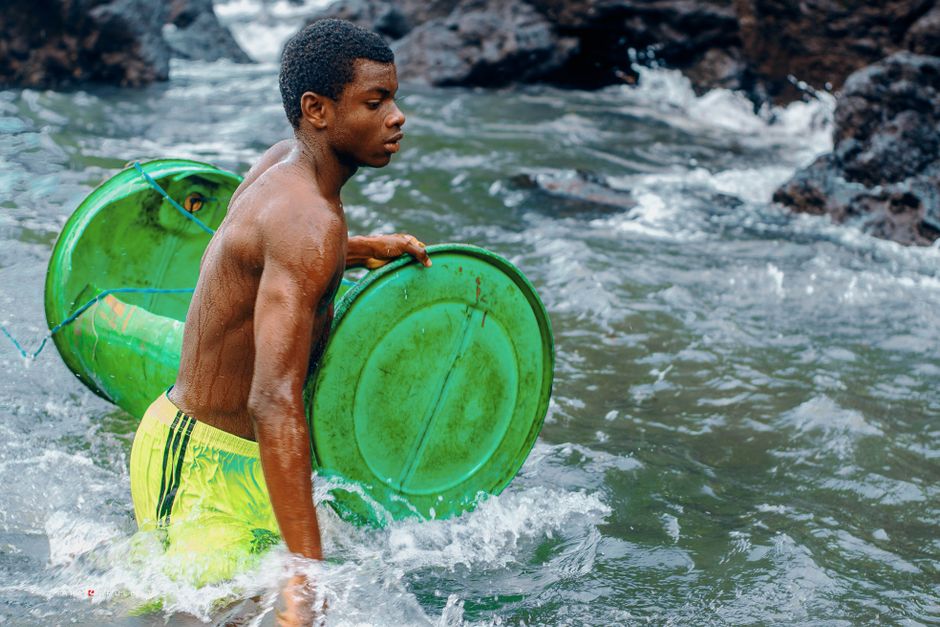
Experientially, São Tomé and Príncipe offer a profound sense of discovery and tranquility. On São Tomé, visitors can explore the historic capital city, São Tomé, with its colorful colonial buildings, bustling markets, and vibrant local life. The roças, such as Roça Agostinho Neto and Roça Monte Café, provide fascinating glimpses into the past and often offer accommodation and culinary experiences. Hiking in Ôbo Natural Park reveals the island’s incredible biodiversity, with guided tours leading to hidden waterfalls and panoramic viewpoints. The southern tip of São Tomé, with its dramatic Boca de Inferno (Hell’s Mouth) blowhole and the secluded Praia Piscina, showcases the raw beauty of the coastline. Príncipe, a UNESCO Biosphere Reserve, offers an even more remote and untouched experience. Boat trips to discover secluded beaches like Praia Banana, made famous by a Bacardi advertisement, are a highlight. Diving and snorkeling in the clear waters reveal a rich marine ecosystem. Visiting a traditional fishing village and learning about the local way of life offers a genuine cultural immersion. The slow pace of life, the genuine warmth of the Santomean people, and the overwhelming natural beauty create an atmosphere of profound peace and rejuvenation. The islands are an ideal destination for those seeking an authentic travel experience, far from mass tourism, where connection with nature and culture takes center stage. The opportunities for adventure, relaxation, and meaningful engagement are abundant, making STP a truly unique and unforgettable destination.
The ongoing development of São Tomé and Príncipe hinges on a delicate balance between economic progress and the preservation of its exceptional natural and cultural heritage. As the islands continue to open to the world, responsible tourism practices are paramount. This includes supporting local businesses, respecting the environment, and engaging with communities in a meaningful way. The future of STP lies in sustainable development, ensuring that the economic benefits are realized without compromising the ecological integrity of the islands or the cultural authenticity of its people. The government’s commitment to conservation, coupled with the growing awareness of its global ecological significance, provides a hopeful outlook for this enchanting archipelago. São Tomé and Príncipe are more than just a travel destination; they are a vital living laboratory of biodiversity, a testament to human resilience, and a sanctuary of unspoiled natural beauty, waiting to be explored and appreciated responsibly. The commitment to sustainable practices will be the key to unlocking its full potential while safeguarding its irreplaceable treasures for generations to come.