
Best Places To Visit In Montenegro

Montenegro’s Enchanting Riviera: Must-See Destinations for Unforgettable Experiences
Montenegro, a jewel nestled on the Adriatic coast, offers a captivating blend of dramatic landscapes, rich history, and vibrant culture. From the breathtaking Bay of Kotor to the rugged mountain peaks and pristine beaches, this Balkan nation promises an unforgettable travel experience. This comprehensive guide highlights the best places to visit in Montenegro, catering to diverse interests and providing SEO-friendly insights for travelers planning their adventure.
Kotor: A Medieval Masterpiece Embraced by Mountains
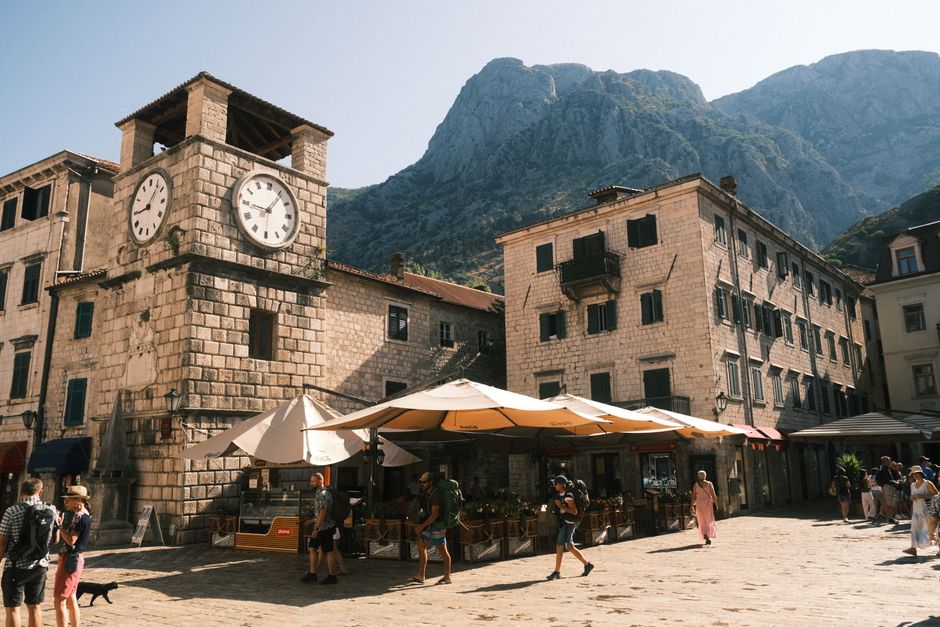
The UNESCO World Heritage town of Kotor is undeniably the crown jewel of Montenegro. Nestled at the deepest part of the Bay of Kotor, often mistaken for a fjord, this ancient fortified city boasts a labyrinth of narrow cobblestone streets, charming squares, and well-preserved medieval architecture. The imposing city walls, stretching over 4.5 kilometers and climbing steeply up the mountainside, are a major draw. Embarking on the strenuous yet rewarding climb to the San Giovanni Fortress (St. John’s Fortress) at the summit offers unparalleled panoramic views of the bay and the red-tiled roofs of the old town. Inside the fortified walls, explore St. Tryphon’s Cathedral, a Romanesque masterpiece, and the Maritime Museum, showcasing Kotor’s seafaring heritage. Wander through Pjaca (Square of the Arms), a lively hub with cafes and restaurants, and discover hidden churches and palaces at every turn. Kotor’s magnetic charm lies in its atmospheric streets, the palpable sense of history, and the dramatic natural setting. It’s a must-visit for history buffs, photographers, and anyone seeking a truly immersive cultural experience. The best time to visit Kotor is during the shoulder seasons (April-May and September-October) to avoid peak summer crowds and enjoy pleasant weather.
Budva: The Vibrant Heart of the Montenegrin Coast
Budva is Montenegro’s premier tourist resort, renowned for its stunning beaches, lively nightlife, and a charming old town that offers a delightful contrast to its modern resort amenities. The Stari Grad (Old Town) of Budva, situated on a small peninsula, is a fortified marvel with ancient walls, narrow streets, and picturesque squares. Within its confines, you’ll find historical churches like the Church of St. Ivan and the Church of the Holy Trinity, along with the Citadel, offering a glimpse into the town’s strategic past. Beyond the historical core, Budva’s coastline is a tapestry of beautiful beaches. Mogren Beach, divided into two sections by a rocky promontory, is a local favorite. Jaz Beach, a larger pebble beach, is known for hosting major music festivals. For those seeking a more secluded experience, Sveti Stefan, a fortified island village connected by a causeway, offers an exclusive and visually striking retreat. Although access to the island itself is limited to hotel guests, the views from the mainland are spectacular. Budva truly comes alive in the summer months, pulsating with energy, entertainment, and a plethora of dining and nightlife options.
Perast: A Serene Gem of the Bay of Kotor
Just a short drive from Kotor lies Perast, a remarkably preserved Baroque town that exudes an aura of timeless elegance. This small, picturesque settlement sits directly on the shores of the Bay of Kotor and is famous for its two iconic islets: Our Lady of the Rocks (Gospa od Škrpjela) and St. George (Sveti Đorđe). Our Lady of the Rocks is an artificial island built over centuries by local seamen depositing stones, and it houses a beautiful church with a museum dedicated to the tradition of laying stones. A boat trip to this unique island is an essential Perast experience. St. George, a natural island, is home to a Benedictine monastery and a cemetery, shrouded in a more somber yet equally captivating atmosphere. Walking along Perast’s waterfront, admiring its stone palaces, churches, and waterfront promenade, feels like stepping back in time. The tranquility and the stunning vistas of the bay make Perast a perfect antidote to the hustle and bustle of larger tourist hubs.
Sveti Stefan: The Iconic Island Retreat
Sveti Stefan is a postcard-perfect image of Montenegro. This fortified island village, dating back to the 15th century, was once a refuge for local families and is now a luxurious resort managed by Aman Resorts. Connected to the mainland by a narrow causeway, its cluster of stone villas and churches, adorned with terracotta roofs, creates an unforgettable vista. While direct access to the island is restricted to guests, the surrounding beaches, particularly Queen’s Beach and King’s Beach, offer spectacular views of this iconic landmark. The public beach adjacent to the causeway also provides excellent vantage points for photography. The allure of Sveti Stefan lies in its unique history, its striking architectural beauty, and its association with exclusivity and glamour. It’s a place that embodies the sophisticated charm of the Montenegrin coast.
Durmitor National Park: A Mountainous Wilderness of Untamed Beauty
For nature lovers and adventure seekers, Durmitor National Park is an absolute must-visit. This UNESCO World Heritage site in the northern part of Montenegro is a realm of dramatic glacial valleys, rugged limestone peaks, crystalline lakes, and dense pine forests. The park’s centerpiece is the Black Lake (Crno Jezero), a stunning glacial lake with two parts, offering breathtaking reflections of the surrounding mountains. Hiking is the primary activity here, with numerous trails catering to all fitness levels. The challenging ascent to Bobotov Kuk, the highest peak in Durmitor, rewards hikers with panoramic vistas that stretch across the entire park. Other popular activities include canyoning in the Tara River Canyon, one of the deepest canyons in Europe, and zip-lining across it for an adrenaline rush. During winter, Durmitor transforms into a popular ski resort, with slopes at Savin Kuk and Štuoc. The raw, untamed beauty of Durmitor offers a stark and spectacular contrast to the coastal attractions.
Lake Skadar National Park: Europe’s Largest Bird Sanctuary
Lake Skadar, straddling the border between Montenegro and Albania, is the largest lake in the Balkans and a vital ecological treasure. This vast, shallow freshwater lake is a paradise for birdwatchers, boasting an incredible diversity of avian species, including pelicans, cormorants, and herons. The park’s landscape is a mosaic of tranquil waters, lush vegetation, and charming fishing villages. Exploring the lake by boat is the best way to immerse oneself in its serene beauty and observe the abundant wildlife. Kayaking and paddleboarding are also excellent ways to navigate the smaller channels and discover hidden coves. The historical monasteries scattered around the lake, such as Vranjina Monastery and Kom Monastery, add a layer of cultural significance to the natural splendor. The scenic drive along the lake’s edge, with numerous viewpoints, is also highly recommended.
Lovćen National Park: The Sacred Heart of Montenegro
Lovćen National Park, home to the mausoleum of Montenegro’s beloved ruler, Petar II Petrović-Njegoš, is a place of profound national significance and breathtaking natural beauty. The park’s iconic feature is its dramatic mountain landscape, characterized by steep cliffs and winding roads. The highlight for many visitors is the climb to the mausoleum, perched atop Jezerski Vrh (Lake Peak), which offers a 360-degree panoramic view encompassing the entire country, from the Adriatic coast to the distant mountains. The Njeguši village, located within the park, is the birthplace of the Petrović dynasty and offers a glimpse into traditional Montenegrin life. Visitors can sample local delicacies like smoked ham (pršut) and cheese, and try the renowned homemade rakija. The drive through Lovćen is an adventure in itself, with the serpentine road offering spectacular vistas at every turn.
Ulcinj: A Cultural Melting Pot on the Southern Coast
Located in the southernmost part of the Montenegrin coast, Ulcinj presents a unique blend of Montenegrin and Albanian cultures, evident in its architecture, cuisine, and traditions. The old town of Ulcinj, perched on a promontory overlooking the Adriatic, is a historical gem with ancient fortifications and narrow, winding streets. The town is also famous for its long, sandy beaches, the most renowned being Velika Plaža (Long Beach), stretching for over 13 kilometers, making it one of the longest beaches in Europe. This beach is a haven for windsurfers and kitesurfers due to its consistent winds. Ada Bojana, a triangular island formed by the Bojana River, offers a more bohemian and relaxed atmosphere, with its stilt houses and seafood restaurants. Ulcinj’s rich history, diverse cultural influences, and expansive beaches make it a distinct and captivating destination.
Podgorica: The Modern Capital with a Historical Core
While often overlooked in favor of coastal resorts, Montenegro’s capital, Podgorica, is worth exploring for its blend of historical remnants and modern development. The city’s historical heart lies in the Old Town, known as Stara Varoš, with its Ottoman-era architecture, including the Clock Tower and the Hussein Pasha Mosque. The Millennium Bridge, a striking symbol of modern Podgorica, spans the Morača River. The city also boasts several museums, including the National Museum of Montenegro and the Museum of Modern Art, offering insights into the country’s history and artistic endeavors. For a natural escape within the city, the Gorica Hill provides walking trails and panoramic views. Podgorica serves as a gateway to other regions of Montenegro and offers a more authentic glimpse into the daily life of Montenegrins.
Herceg Novi: The Town of a Thousand Steps and Botanical Gardens
Situated at the entrance to the Bay of Kotor, Herceg Novi is a picturesque town known for its steep streets, numerous fortresses, and lush botanical gardens. The town’s nickname, "The Town of a Thousand Steps," is well-deserved, as exploring its hilly terrain involves numerous staircases. Key attractions include the Kanli Kula (Bloody Tower), a former prison offering panoramic views, and the Forte Mare, a sea fortress with a rich history. The Botanical Garden, founded by a Russian admiral, is a tranquil oasis showcasing a diverse collection of exotic plants. The promenade along the waterfront is ideal for leisurely strolls, with cafes and restaurants offering stunning bay views. Herceg Novi’s charm lies in its relaxed atmosphere, its historical fortifications, and its verdant surroundings.
Prokletije National Park: The Accursed Mountains of Dramatic Peaks
Bordering Albania, Prokletije National Park, often referred to as the "Accursed Mountains," is a region of breathtaking, rugged beauty and dramatic limestone peaks. This park offers a more remote and wild experience, appealing to experienced hikers and mountaineers. The landscapes are characterized by jagged mountains, deep valleys, and crystal-clear glacial lakes. Hiking trails here are more challenging and often require navigation skills, leading to spectacular viewpoints and remote alpine pastures. The park is also home to a unique flora and fauna, with rare species found in its isolated terrain. For those seeking an off-the-beaten-path adventure and a truly wild natural experience, Prokletije is an unparalleled destination.
Cetina: The Old Royal Capital steeped in History
Cetina, nestled in a valley near Lovćen Mountain, served as the royal capital of Montenegro for centuries and remains a significant historical and cultural center. The town’s most prominent landmark is the Cetinje Monastery, a spiritual heart of the Orthodox Church in Montenegro, housing precious relics and art. The State Museum, located in the former royal palace, provides a comprehensive overview of Montenegro’s history and the Petrović dynasty. Other historical sites include the Billiard House, which was once the residence of Petar II Petrović-Njegoš, and the numerous embassies that once operated in this small but significant capital. Cetina’s compact size and rich historical tapestry make it an easily explorable and deeply informative destination.
Tivat and Porto Montenegro: A Modern Luxury Hub
Tivat, a rapidly developing town on the Bay of Kotor, has gained international recognition for Porto Montenegro, a superyacht marina and luxury lifestyle destination. Porto Montenegro offers a glimpse into a more opulent side of Montenegro, with its chic waterfront boutiques, fine-dining restaurants, and stylish bars. The marina itself is a spectacle, showcasing some of the world’s most impressive yachts. Beyond Porto Montenegro, Tivat offers a pleasant waterfront promenade and a growing number of amenities. It serves as a convenient base for exploring the Bay of Kotor and is a testament to Montenegro’s evolving tourism landscape, catering to a more sophisticated clientele.
Montenegro’s diverse attractions, from its ancient coastal towns and dramatic mountain ranges to its tranquil lakes and vibrant capital, offer something for every traveler. Whether you seek historical immersion, natural adventure, or seaside relaxation, this captivating Balkan nation is sure to leave a lasting impression.


