What Life Is Like In Vietnam During Coronavirus
Vietnam’s Resilience: Navigating Life Under the Shadow of Coronavirus
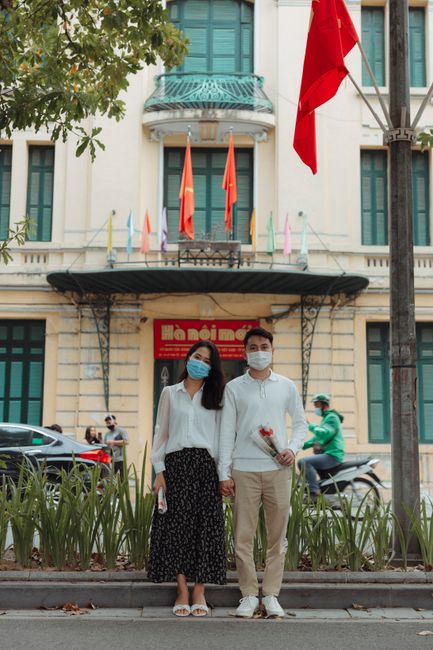
The initial impact of the COVID-19 pandemic on Vietnam was swift and decisive. Unlike many nations, Vietnam’s government implemented stringent public health measures early on, including aggressive contact tracing, mass testing, and swift lockdowns in affected areas. This proactive approach, honed by past experiences with infectious disease outbreaks like SARS, allowed the country to largely suppress initial waves of the virus. Life, for many, then shifted to a new normal, characterized by heightened awareness of hygiene, the ubiquitous presence of face masks, and a reliance on digital communication for both social and professional interactions. The economy, while not immune to global disruptions, showed remarkable resilience, with manufacturing and exports continuing to function, albeit with adjustments to supply chains and international travel restrictions. The government’s clear and consistent messaging, combined with a generally high level of public trust and compliance, became a hallmark of Vietnam’s response, fostering a sense of collective effort in combating the virus. This early success in containment allowed for a period of relative normalcy compared to many other countries, with domestic tourism and economic activity resuming with caution. However, this period was not without its challenges. The economic fallout from reduced international tourism and disruptions to global trade was palpable, impacting businesses reliant on foreign visitors and exports. Furthermore, the psychological toll of constant vigilance and the disruption to daily routines created underlying anxieties for the population.
As the pandemic evolved globally, more infectious variants of the virus, such as Delta and Omicron, presented new challenges to Vietnam’s containment strategy. Unlike the initial waves, these variants proved more difficult to suppress entirely, leading to more widespread outbreaks. This necessitated a recalibration of the government’s response, moving from a zero-COVID policy towards a strategy of "living with the virus." This transition was marked by increased vaccination efforts, focusing on achieving high immunization rates across the population. Life in Vietnam during these later stages of the pandemic became a dynamic interplay between ongoing public health protocols and the gradual reopening of society. While strict lockdowns became less frequent and shorter in duration, measures like mandatory mask-wearing in public spaces, adherence to the 5K (Khẩu trang – mask, Khử khuẩn – disinfection, Khoảng cách – distance, Không tụ tập – no gathering, Khai báo y tế – health declaration) principles, and digital health declarations remained integral to daily life. The government’s communication shifted to emphasizing individual responsibility in preventing transmission while also acknowledging the economic imperative of resuming normal activities. This period saw a resurgence of domestic travel and economic activity, though often with capacity limits and stricter health protocols in place. The burden of managing the virus increasingly fell on individuals and businesses to adapt their practices, leading to a more decentralized approach to risk management.
The economic landscape in Vietnam during the COVID-19 pandemic was a study in adaptation and resilience. Initially, the country’s manufacturing sector, a cornerstone of its economy, faced disruptions due to global supply chain issues and labor shortages caused by localized outbreaks. However, Vietnam’s ability to quickly implement containment measures and its strong industrial base allowed it to rebound relatively swiftly, even attracting foreign investment as companies sought to diversify their production away from China. The domestic economy also experienced significant shifts. Sectors heavily reliant on tourism and international travel, such as hospitality and aviation, suffered immensely. Many businesses in these sectors were forced to close or drastically scale back operations. Conversely, sectors like e-commerce, food delivery, and digital services experienced a boom as consumers increasingly turned to online platforms for their needs. The government implemented various stimulus packages and support programs to assist businesses and individuals affected by the economic downturn, including tax deferrals, loan moratoriums, and direct financial aid. The agricultural sector, while also facing some logistical challenges, generally remained stable, ensuring food security for the population. The drive to boost domestic consumption became a key government strategy, encouraging citizens to support local businesses and industries. This period highlighted the adaptability of Vietnamese entrepreneurs and the inherent strength of its diverse economic base.
Public health infrastructure and response mechanisms were severely tested and, in many instances, proved their mettle. Vietnam’s pre-existing capacity for rapid response, built from experiences with previous epidemics, was a significant advantage. Testing and tracing capabilities were scaled up dramatically, often with community involvement. Field hospitals were established in outbreak hotspots to manage patient surges, and the government actively sought international cooperation for vaccine procurement and technical expertise. The rollout of vaccination campaigns was a monumental undertaking, with the government prioritizing vulnerable populations and then expanding to the general public. Mobile vaccination units and community-based outreach programs were crucial in ensuring high coverage rates, particularly in rural areas. The adherence to public health guidelines, like mask-wearing and social distancing, was generally high, a testament to the effectiveness of government communication and public trust. However, the strain on healthcare workers was immense, with many working long hours under challenging conditions. The pandemic also exposed existing disparities in healthcare access, prompting discussions and efforts to strengthen primary healthcare services and address the needs of underserved communities. The ongoing evolution of the virus and the need for booster shots continued to place demands on the public health system, necessitating continuous adaptation and resource allocation.
Social life in Vietnam underwent a significant transformation. While initial lockdowns brought cities to a standstill, subsequent phases of the pandemic saw a gradual return to a modified social fabric. Large gatherings and traditional festivals were often scaled back or canceled to prevent transmission. Restaurants and cafes, while reopening, implemented social distancing measures and hygiene protocols. The vibrant street life, a defining characteristic of Vietnamese cities, adapted, with vendors adhering to safety guidelines and customers more conscious of personal space. The reliance on digital platforms for communication intensified, with social media, messaging apps, and video conferencing becoming indispensable tools for staying connected. Online communities flourished, providing support and information sharing for individuals navigating the pandemic. Despite the challenges, a sense of community resilience and mutual support emerged, with many individuals and organizations stepping up to help those in need. The pandemic also spurred a greater appreciation for local experiences, with many citizens exploring domestic tourist destinations and rediscovering the beauty of their own country. This shift in focus, while born out of necessity, fostered a deeper connection to Vietnamese culture and heritage. The long-term impact on social interactions and community engagement remains a subject of ongoing observation.
The psychological impact of the pandemic on the Vietnamese population was multifaceted. For many, the initial period of intense lockdowns and uncertainty led to increased anxiety, stress, and isolation. The constant news cycle about rising case numbers and the fear of infection created a pervasive sense of unease. However, as the country adapted to living with the virus, a degree of psychological resilience emerged. The success in containing early outbreaks and the visible efforts of the government to protect its citizens fostered a sense of collective agency and optimism. The ability to resume many aspects of daily life, albeit with modifications, helped to alleviate some of the psychological burden. Mental health support services, while still developing, saw increased demand, and there were greater public conversations about the importance of mental well-being. The prolonged nature of the pandemic, however, continued to present challenges, particularly for those who experienced significant economic hardship or loss. The ongoing need for vigilance and adaptation, coupled with the global context of the pandemic, meant that a complete return to pre-pandemic psychological states was a gradual process.
Looking ahead, Vietnam’s experience with the COVID-19 pandemic offers valuable lessons for global public health strategies. The country’s proactive and decisive early response, its emphasis on community engagement, and its ability to adapt to evolving circumstances were key to its relative success. The pandemic has underscored the importance of robust public health infrastructure, investment in scientific research, and effective communication strategies. As Vietnam continues to navigate the post-pandemic era, it faces the ongoing challenge of balancing economic recovery with public health preparedness. The lessons learned from this period will undoubtedly shape future policies and societal approaches to infectious disease management, fostering a more resilient and adaptable nation. The focus on digital transformation, the strengthening of domestic supply chains, and the continued emphasis on public health education are likely to be enduring legacies of the pandemic experience in Vietnam. The country’s ability to emerge from this global crisis with its economy largely intact and its society demonstrating remarkable resilience positions it favorably for future growth and development.