
Things To Know Before Traveling To Kenya

Kenya Travel Essentials: A Comprehensive Guide
Kenya, East Africa’s crown jewel, beckons with its unparalleled wildlife, vibrant cultures, and breathtaking landscapes. A safari in Kenya is a bucket-list experience, but thorough preparation is paramount for a smooth and enriching journey. Understanding visa requirements, health and safety protocols, currency, packing essentials, cultural etiquette, and transportation logistics will significantly enhance your adventure.
Visa Requirements for Kenya: Essential Documentation
Before embarking on your Kenyan adventure, securing the correct visa is a non-negotiable first step. The Kenyan government mandates that most foreign nationals obtain a visa prior to arrival. The most common visa type for tourists is the single-entry tourist visa, valid for 90 days. However, the advent of the East Africa Tourist Visa has streamlined the process for those wishing to visit Kenya, Uganda, and Rwanda concurrently. This visa allows for multiple entries into any of the participating countries within its validity period and is generally more cost-effective and convenient than purchasing individual visas.
The application process for a Kenyan visa is primarily conducted online through the e-visa portal. Applicants are required to complete an online application form, upload a passport-sized photograph, and a scanned copy of their passport, which must be valid for at least six months beyond your intended stay and have at least one blank page. Payment of the visa fee is also processed online. It is crucial to apply well in advance of your travel dates to allow for processing times, which can vary. While some nationalities might be eligible for visa-on-arrival, relying on this is risky and not recommended. Always check the latest visa regulations with the Kenyan embassy or consulate in your country of residence, as policies can change. The processing fee for a single-entry e-visa is typically around $50 USD, though this can fluctuate. Ensure you have a digital copy of your onward or return ticket and proof of accommodation available upon request at immigration.
Health and Vaccinations: Prioritizing Well-being in Kenya
Maintaining good health throughout your Kenyan travels is paramount. Several vaccinations are recommended or required, and it’s essential to consult your doctor or a travel clinic at least 4-6 weeks before your departure. The Yellow Fever vaccine is mandatory for entry into Kenya if you are arriving from or have transited through a country with a risk of Yellow Fever transmission. You will need to present your International Certificate of Vaccination or Prophylaxis (ICVP) – commonly known as the yellow card – at immigration.
Other recommended vaccinations often include Hepatitis A, Typhoid, and Tetanus. Depending on your itinerary and activities, your doctor might also suggest vaccinations for Hepatitis B, Rabies, and Japanese Encephalitis. Malaria is prevalent in many parts of Kenya, particularly at lower altitudes and coastal regions. Antimalarial medication is strongly advised. Discuss the most suitable antimalarial regimen for your trip with your healthcare provider, as resistance patterns can vary. Remember to also pack a comprehensive first-aid kit with personal medications, pain relievers, antiseptic wipes, bandages, and remedies for common travel ailments like diarrhea.
Water and Food Safety: Preventing Illness on Safari
Practicing diligent food and water safety is crucial to avoid gastrointestinal issues. Always drink bottled or purified water. Avoid tap water, even for brushing your teeth. Ice in drinks should also be avoided unless you are certain it’s made from purified water. When eating out, opt for establishments that appear clean and well-maintained. Be wary of street food unless you witness its preparation and are confident in its hygiene. Thoroughly cooked food is generally safer. Peel fruits and vegetables yourself or ensure they are cooked. Salads and raw vegetables can pose a risk. In safari lodges and reputable restaurants, food preparation standards are generally high, but it’s always wise to exercise caution. Hand sanitizer is your best friend; use it frequently, especially before eating.
Currency and Money Matters: Managing Finances in Kenya
The official currency of Kenya is the Kenyan Shilling (KES). While USD is widely accepted, especially in tourist areas and for larger expenses like safaris and accommodation, it’s advisable to have some Kenyan Shillings on hand for smaller purchases, market visits, and local transportation. Exchange rates can vary, and it’s generally best to exchange money at official banks or authorized forex bureaus rather than at the airport or from street vendors.
ATMs are readily available in major towns and cities, and most are connected to international networks, allowing you to withdraw cash using your debit or credit card. However, it’s wise to inform your bank of your travel plans to avoid any card blockage due to suspicious activity. Credit cards, particularly Visa and Mastercard, are accepted at most hotels, lodges, and larger shops, but smaller establishments may be cash-only. Negotiating prices is common in markets, but fixed prices are the norm in most shops and restaurants. Tipping is customary and appreciated for good service. A general guideline for tipping is 10% in restaurants and for safari guides and drivers.
Packing Essentials: Gearing Up for the Kenyan Environment
Your packing list should be tailored to the Kenyan climate and your planned activities. Lightweight, breathable clothing in neutral colors (khaki, beige, green) is ideal for safaris, as bright colors can scare wildlife. Long sleeves and trousers are recommended for protection against the sun and insects, especially during dawn and dusk. A good pair of comfortable walking shoes or hiking boots is essential, along with sandals for relaxing.
A wide-brimmed hat or cap for sun protection, sunglasses, and high-SPF sunscreen are non-negotiable. For cooler evenings and early mornings, a fleece jacket or light sweater is advisable, especially at higher altitudes. Binoculars are a must-have for any wildlife enthusiast to get closer views of animals. A camera with extra batteries and memory cards will allow you to capture the unforgettable moments. Insect repellent containing DEET is crucial for warding off mosquitoes.
Other essentials include a reusable water bottle, a power adapter and converter (Kenya uses Type G, 13 A, 240 V sockets), a headlamp or flashlight for early morning game drives, a small backpack for day trips, and any personal toiletries. Consider packing a small, portable travel towel. Don’t forget any essential prescription medications in their original packaging.
Cultural Etiquette and Respect: Navigating Social Norms
Kenya is a multicultural nation with diverse traditions and customs. Demonstrating respect for local culture will greatly enhance your interactions. The primary languages spoken are Swahili and English, with English being widely understood, especially in tourist areas. However, learning a few basic Swahili phrases like "Jambo" (hello) and "Asante sana" (thank you very much) will be appreciated.
When visiting villages or interacting with local communities, dress modestly. Avoid overly revealing clothing. Always ask for permission before taking photographs of people, particularly elders or in religious contexts. Eye contact is generally acceptable, but prolonged stares can be seen as disrespectful. When invited into someone’s home, it’s polite to bring a small gift, such as sweets or school supplies for children, though this is not always expected. Haggling is a part of the bargaining culture in markets, but do so politely and with a smile. Avoid aggressive bargaining. Observe local customs related to greetings; a handshake is common, but some may prefer a more reserved approach. Public displays of affection should be kept to a minimum.
Transportation within Kenya: Getting Around Safely and Efficiently
Navigating Kenya can be an adventure in itself. For inter-city travel, domestic flights are a convenient and time-efficient option, especially for reaching remote safari destinations quickly. Companies like Kenya Airways and various smaller charter airlines operate these routes.
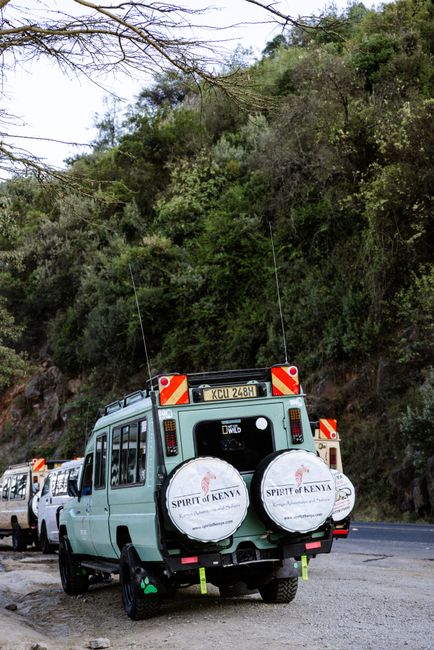
Road travel is also common. For safaris, hiring a private safari vehicle with a driver-guide is the most popular and recommended option. This provides flexibility, comfort, and invaluable local knowledge. The quality of roads can vary significantly, from well-paved highways to rough tracks, especially in national parks. Self-driving is possible for the adventurous, but it requires a sturdy 4×4 vehicle and a good understanding of road conditions and navigation. Public transportation, such as matatus (minibuses), is an affordable way to travel between towns, but they can be crowded, chaotic, and not always the safest option for tourists. For longer distances and more comfort, consider booking a seat on a scheduled bus service. Taxis are available in cities and larger towns, and it’s advisable to agree on a fare before starting your journey. Ride-sharing apps are also operational in Nairobi.
Safety and Security: Staying Aware and Prepared
While Kenya is a popular tourist destination, it’s essential to be aware of your surroundings and take reasonable precautions to ensure your safety. Petty theft, such as pickpocketing, can occur in crowded areas, so be vigilant with your belongings, especially in markets and on public transport. Avoid displaying large amounts of cash or expensive jewelry.
In major cities like Nairobi, it’s advisable to avoid walking alone at night, especially in less well-lit areas. Use reputable taxis or ride-sharing services. When on safari, always follow the instructions of your guide. Never leave your vehicle unattended in wildlife areas, and maintain a safe distance from animals. Be aware of any travel advisories issued by your government regarding specific regions in Kenya. While the vast majority of tourist experiences in Kenya are safe and positive, staying informed and exercising caution is always prudent.
Internet and Communication: Staying Connected
Internet access is increasingly available in Kenya. Most hotels and safari lodges offer Wi-Fi, though the speed and reliability can vary. For more consistent connectivity, consider purchasing a local SIM card upon arrival. Safaricom is the largest mobile network provider and offers good coverage across the country. You can purchase a SIM card with a data package at shops in major towns. This will allow you to make local calls, access mobile data, and stay connected at a more affordable rate than international roaming.
Power Outlets and Voltage: Adapting Your Electronics
Kenya uses Type G electrical outlets, the same as in the UK. The standard voltage is 240V, and the frequency is 50Hz. Most modern electronic devices, such as phone chargers and laptop power adapters, are dual-voltage and will work fine. However, if you are bringing any appliances that are not dual-voltage, you will need a voltage converter. A universal travel adapter will be useful to ensure compatibility with the sockets. It’s also wise to carry a portable power bank, especially if you’ll be on long game drives or in areas with intermittent electricity supply.
When to Visit Kenya: Optimizing Your Safari Experience
Kenya offers fantastic travel opportunities throughout the year, but the "best" time to visit often depends on your specific interests. The peak safari season generally runs from June to October, coinciding with the dry season and the Great Migration in the Masai Mara. During this period, vegetation is less dense, making wildlife spotting easier, and animals congregate around water sources. This is also the time for the dramatic river crossings of wildebeest and zebras.
The shoulder seasons, from January to March and November to December, also offer excellent wildlife viewing with fewer crowds and potentially lower prices. The "long rains" season (April and May) sees lusher landscapes and abundant newborn animals, but some roads can become impassable, and some lodges may close. Birdwatching is particularly good during the wetter months. Consider your priorities – abundant wildlife, specific events like the migration, or a more tranquil experience – when choosing your travel dates.
Responsible Tourism: Contributing to Conservation and Communities
Practicing responsible tourism is vital to ensure that your visit benefits Kenya’s wildlife and communities. Choose tour operators and lodges that are committed to sustainable practices, conservation efforts, and fair employment for local staff. Respect wildlife by maintaining a safe distance and never feeding animals. Avoid purchasing souvenirs made from endangered species or animal products. Support local communities by purchasing handicrafts directly from artisans and engaging with them respectfully. Be mindful of your water and energy consumption in lodges. By being a conscious traveler, you contribute to the long-term preservation of Kenya’s natural and cultural heritage.


