
Best Time To Visit New England

Best Time to Visit New England: A Comprehensive Guide for Optimal Exploration
New England, a region steeped in history, boasting dramatic coastlines, verdant forests, and charming colonial towns, offers a distinct allure in each of its four seasons. Determining the absolute "best" time to visit hinges entirely on individual priorities, whether that be the vibrant hues of autumn foliage, the invigorating chill of winter sports, the burgeoning life of spring, or the sun-drenched days of summer. This guide provides a detailed breakdown of each season, highlighting their unique attractions, typical weather patterns, peak crowds, and considerations for planning an unforgettable New England adventure.
Autumn (September – November): The Reign of Fall Foliage
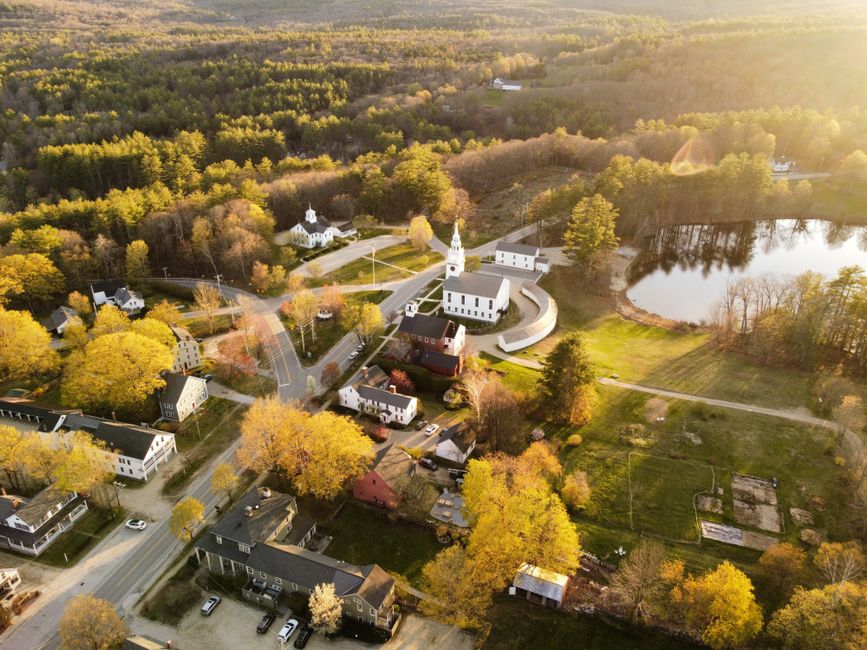
Arguably the most iconic season for a New England sojourn, autumn transforms the landscape into a breathtaking tapestry of reds, oranges, and yellows. This period is synonymous with fall foliage, a phenomenon drawing visitors from across the globe. The peak foliage display typically begins in the northern states, like Vermont and New Hampshire, in late September and progresses southward, reaching Massachusetts and Connecticut in mid-October.
Weather: September often offers mild, pleasant temperatures, with crisp mornings and comfortably warm afternoons. Daytime highs can range from the 60s to 70s Fahrenheit (15-25°C). October sees a further drop, with temperatures averaging in the 50s and 60s Fahrenheit (10-20°C), and evenings can become quite cool, necessitating layers. November ushers in a more distinct chill, with average temperatures in the 40s and 50s Fahrenheit (5-15°C), and frost becoming more common. Rainfall is moderate, but can be unpredictable, with the potential for early snow in the northernmost regions by late November.
Attractions & Activities: The primary draw is undeniably the foliage. Scenic drives along routes like the Kancamagus Highway in New Hampshire, Route 100 in Vermont, or the Mohawk Trail in Massachusetts are highly recommended. Hiking through state and national parks, such as Acadia National Park in Maine or the White Mountains, provides immersive foliage experiences. Numerous fall festivals, apple picking at orchards, pumpkin patches, corn mazes, and harvest celebrations abound. Coastal towns retain their charm, offering opportunities for whale watching tours and exploring historic harbors under crisp autumn skies. This season also lends itself well to exploring cities like Boston, with its rich history and vibrant culinary scene, experiencing a less crowded and more atmospheric visit.
Crowds & Costs: Autumn, particularly the peak foliage weeks, is New England’s busiest season. Expect significant crowds at popular foliage viewing spots, in charming towns, and along major scenic routes. Accommodation prices, especially for hotels and inns in prime foliage locations, will be at their highest. Booking accommodations and rental cars well in advance, ideally six months to a year out, is crucial for securing desired options and potentially better rates. Many inns and bed and breakfasts offer special fall packages.
Considerations: Pack layers of clothing, including sweaters, fleeces, and a waterproof outer shell. Sturdy walking or hiking shoes are essential. If driving, be prepared for potential traffic congestion, especially on weekends and during peak foliage. Sunset occurs earlier in autumn, so plan your sightseeing accordingly.
Summer (June – August): The Sun-Drenched Coastal Charm
Summer in New England is a time of long, sun-filled days, perfect for exploring its extensive coastline, enjoying outdoor adventures, and experiencing its vibrant cities. This season offers a different kind of beauty, characterized by lush greenery, sparkling waters, and a lively atmosphere.
Weather: Summer in New England is generally warm to hot and humid. Daytime temperatures often range from the high 70s to the mid-80s Fahrenheit (25-30°C), with occasional heatwaves pushing temperatures into the 90s Fahrenheit (30-35°C). Coastal areas tend to be slightly cooler due to sea breezes, while inland regions can experience higher temperatures. Humidity can be a factor, especially during July and August. Rainfall is moderate, with occasional thunderstorms, particularly in the afternoon.
Attractions & Activities: The coastline is a major draw, with opportunities for swimming, sunbathing, sailing, kayaking, and whale watching. Popular destinations include Cape Cod, the Islands of Martha’s Vineyard and Nantucket in Massachusetts, the rocky shores of Maine, and the picturesque beaches of Rhode Island. Inland, hiking and camping in national and state parks remain popular, with trails often surrounded by verdant forests. Lakes and rivers offer opportunities for boating, fishing, and swimming. Cities like Boston and Providence buzz with activity, offering museums, historical sites, outdoor concerts, and bustling restaurant scenes. Summer is also prime time for farmers’ markets, outdoor festivals, and exploring charming small towns.
Crowds & Costs: Summer is New England’s second busiest season, especially during July and August. Coastal destinations and popular family-friendly attractions will be crowded. Accommodation prices are high, particularly in popular beach towns and during major holiday weekends like the Fourth of July and Labor Day. Booking accommodations and rental cars well in advance is recommended, especially for stays of more than a few nights.
Considerations: Pack light clothing, including shorts, t-shirts, and swimwear. Sunscreen, hats, and sunglasses are essential. Hydration is important, especially during hot days. Insect repellent can be useful, particularly in wooded or marshy areas. Be prepared for potential traffic delays, especially on weekends and near popular coastal areas.
Spring (April – May): The Awakening of Nature and Shoulder Season Appeal
Spring in New England is a season of renewal, as the landscape slowly awakens from its winter slumber. While not as dramatically visually stunning as autumn, it offers a more tranquil and budget-friendly experience, characterized by burgeoning greenery, blooming flowers, and a refreshing chill in the air.
Weather: Spring weather in New England can be highly variable. April often sees a lingering chill, with average temperatures ranging from the 40s to 50s Fahrenheit (5-15°C). Snow is still possible, particularly in the northern regions. May brings a noticeable warming trend, with temperatures typically in the 50s to 60s Fahrenheit (10-20°C). While days become sunnier and milder, evenings can still be cool. Rainfall increases in spring, and muddy conditions are common, especially after rain.
Attractions & Activities: Spring is an excellent time for hiking, especially in areas that may be inaccessible due to snow in earlier months. The emergence of wildflowers and budding trees adds a subtle beauty to the landscape. Many hiking trails begin to dry out by late April and May. Cities become more vibrant, with outdoor cafes reopening and parks coming to life. Museums and historical sites, which are generally less crowded than in peak season, offer excellent indoor options. This is also a good time for exploring charming towns at a more relaxed pace. Spring is also the season for maple sugaring demonstrations in Vermont and New Hampshire, though the peak season is typically in March. Birdwatching enthusiasts will find spring to be a prime time for migratory species.
Crowds & Costs: Spring is considered a shoulder season in New England, meaning fewer crowds and generally lower accommodation prices compared to summer and autumn. While there might be a slight uptick in visitors around Memorial Day weekend, overall, you can expect a more relaxed experience. This makes spring an attractive option for budget-conscious travelers.
Considerations: Pack layers, as temperatures can fluctuate significantly throughout the day and from one day to the next. Waterproof footwear is highly recommended due to potential mud and rain. Be prepared for the possibility of lingering snow, especially in higher elevations or northern areas in early spring. Check trail conditions before heading out for hikes, as some may still be wet or muddy.
Winter (December – March): The Enchantment of Snow and Winter Sports
Winter transforms New England into a picturesque wonderland, draped in a blanket of snow and offering a haven for winter sports enthusiasts. It’s a season for cozy firesides, hearty cuisine, and embracing the invigorating chill.
Weather: Winters in New England are cold, with average temperatures often below freezing. Daytime highs typically range from the 20s to 30s Fahrenheit (-7 to 0°C), with nighttime temperatures dropping well below zero, especially in the northern interior. Snowfall is abundant, particularly in mountainous regions, creating ideal conditions for skiing and snowboarding. Blizzards and snowstorms are a possibility, which can cause travel disruptions.
Attractions & Activities: Skiing and snowboarding are the paramount activities, with world-class resorts in Vermont, New Hampshire, and Maine. Other popular winter pursuits include snowshoeing, cross-country skiing, ice skating, and ice fishing. Charming towns are adorned with festive decorations, offering a magical atmosphere. Holiday markets and Christmas tree lightings are common in December. Cozy inns and bed and breakfasts provide the perfect retreat after a day outdoors. Cities like Boston and Portland offer vibrant indoor cultural attractions, excellent dining, and opportunities for ice skating in public squares.
Crowds & Costs: December, particularly around the Christmas and New Year holidays, can see a surge in visitors, leading to higher prices and more crowds at ski resorts. However, outside of these peak holiday periods, winter is generally New England’s least crowded and most affordable season. Many accommodations and activities offer significant discounts.
Considerations: Pack heavy winter clothing, including insulated jackets, waterproof pants, thermal layers, hats, gloves, and warm, waterproof boots. Traction devices for shoes can be helpful for walking on icy surfaces. Be prepared for potential road closures and travel delays due to snow. Check weather forecasts and road conditions regularly. Embrace the slower pace and enjoy the cozy atmosphere of this serene season.
Conclusion:
The "best" time to visit New England is a highly personal decision. For those chasing the iconic fall foliage, late September to mid-October is unparalleled. For sun-seekers and coastal explorers, July and August offer the warmest weather and most vibrant atmosphere. May and June provide a pleasant balance of milder temperatures, fewer crowds, and emerging natural beauty, making them excellent shoulder season choices. And for the winter sports enthusiast or those seeking a picturesque, serene escape, January and February deliver a classic New England winter experience. By understanding the unique characteristics of each season, travelers can meticulously plan their trip to New England, ensuring an unforgettable experience tailored to their preferences.


