Best Places To Visit In Argentina
Argentina’s Premier Destinations: A Traveler’s Guide to Unforgettable Experiences
Argentina, a vast South American nation renowned for its dramatic landscapes, vibrant culture, and passionate spirit, offers an astonishing array of experiences for every type of traveler. From the bustling metropolis of Buenos Aires to the ethereal beauty of Patagonia and the fertile wine regions of Mendoza, this South American gem promises an unforgettable journey. This guide delves into the best places to visit in Argentina, providing comprehensive insights to plan your adventure.
Buenos Aires: The Paris of South America
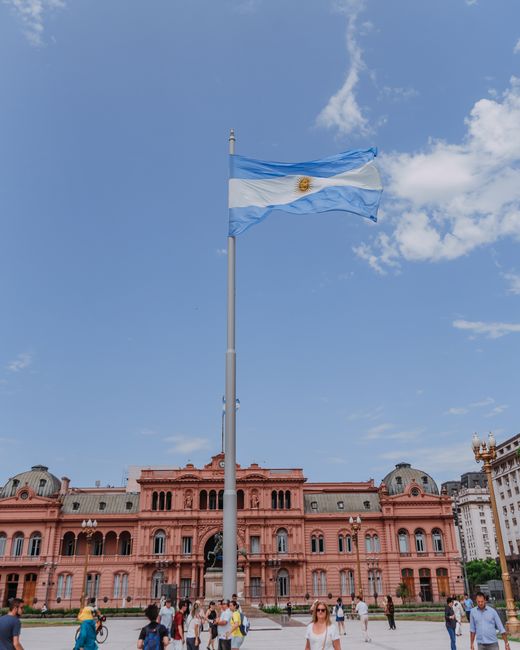
Buenos Aires, Argentina’s captivating capital, pulsates with European elegance and Latin American zest. Its European architecture, particularly in neighborhoods like Recoleta and Palermo, evokes comparisons to Paris, but its soul is undeniably Argentine. Begin your exploration in the Plaza de Mayo, the historical heart of the city, where the Casa Rosada (Presidential Palace) stands as a powerful symbol of national history. Wander through the colorful streets of La Boca, particularly El Caminito, a pedestrian street museum adorned with brightly painted buildings and vibrant tango dancers, offering a picturesque glimpse into the immigrant history that shaped the city.
Recoleta Cemetery is an essential stop, a city of the dead featuring elaborate mausoleums, most famously that of Eva Perón. The upscale neighborhood of Recoleta itself is perfect for sophisticated strolls, boasting elegant boutiques, charming cafes, and impressive architecture. Palermo, divided into Palermo Soho and Palermo Hollywood, is the city’s trendiest district, brimming with independent designer shops, bohemian cafes, artisanal breweries, and a lively nightlife. For art enthusiasts, the MALBA (Latin American Art Museum of Buenos Aires) houses an impressive collection of modern and contemporary Latin American art. No visit to Buenos Aires is complete without experiencing a tango show, either a professional production in a grand theater or an intimate milonga (tango hall) where locals dance the night away. The city’s culinary scene is exceptional, from world-class steakhouses (parrillas) serving succulent Argentine beef to innovative fusion restaurants. Don’t miss a traditional merienda (afternoon tea) with medialunas (croissants) and coffee.
Patagonia: A Realm of Glaciers, Mountains, and Wilderness
Patagonia, a vast and sparsely populated region at the southern tip of South America, is a dream destination for nature lovers and adventure seekers. Its dramatic landscapes are sculpted by ice, wind, and towering peaks, offering unparalleled opportunities for hiking, wildlife viewing, and awe-inspiring scenery.
El Calafate and Los Glaciares National Park: Situated on the southern shores of Lago Argentino, El Calafate serves as the gateway to Los Glaciares National Park, home to the iconic Perito Moreno Glacier. This colossal glacier is one of the few advancing glaciers in the world, and witnessing its thunderous calving – massive chunks of ice breaking off and crashing into the lake – is an unforgettable spectacle. Boat tours offer close-up views of the glacier’s iridescent blue ice walls. For a more immersive experience, embark on a mini-trekking or ice-hiking tour directly on the glacier, equipped with crampons and guided by experts. Beyond Perito Moreno, the park also features other impressive glaciers like Upsala and Spegazzini, accessible via boat excursions.
El Chaltén: The Trekking Capital of Argentina: Nestled at the base of the Fitz Roy massif, El Chaltén is a paradise for hikers. Its dramatic granite spires, including the iconic Mount Fitz Roy and Cerro Torre, attract trekkers from around the globe. Trails range from easy, scenic walks to challenging multi-day expeditions. Popular hikes include the Laguna de los Tres trail, offering breathtaking views of Fitz Roy, and the Laguna Torre trail, leading to a glacial lake with views of Cerro Torre. The town itself has a relaxed, mountaineering vibe, with outfitters, gear shops, and cozy hostels catering to adventurers.
Ushuaia: The City at the End of the World: Located on the Tierra del Fuego archipelago, Ushuaia is famously known as the southernmost city in the world. Its dramatic setting, with the Martial Mountains as a backdrop and the Beagle Channel stretching out before it, is simply stunning. From Ushuaia, embark on boat trips through the Beagle Channel to witness sea lions, cormorants, and other marine wildlife. Visit the Les Eclaireurs Lighthouse, often mistaken for the "End of the World" lighthouse. The Tierra del Fuego National Park, accessible from Ushuaia, offers scenic hiking trails through subantarctic forests and along rugged coastlines, with opportunities to see native flora and fauna. For a historical perspective, explore the former prison, now the Maritime Museum.
Iguazu Falls: A Natural Wonder of Immeasurable Scale
Straddling the border between Argentina and Brazil, Iguazu Falls is one of the most spectacular natural wonders on Earth. This vast system of over 275 individual waterfalls, set amidst lush subtropical rainforest, creates a breathtaking and awe-inspiring spectacle. The Argentine side of the falls offers a more intimate and immersive experience, allowing visitors to walk along boardwalks that extend over the water, getting remarkably close to the thundering cascades.
The Devil’s Throat (Garganta del Diablo) is the undisputed highlight, a U-shaped chasm where an enormous volume of water plunges with immense force, creating a deafening roar and a perpetual mist. Boat tours, such as the "Gran Aventura," take you directly under some of the falls, providing a thrilling and drenching experience. Numerous hiking trails weave through the surrounding national park, allowing you to explore different viewpoints and encounter diverse wildlife, including toucans, monkeys, and coatis. The sheer scale and power of Iguazu Falls are humbling, and the vibrant rainbows that often arc across the spray add to its magical allure.
Mendoza: The Heart of Argentine Wine Country
For wine connoisseurs and those seeking picturesque landscapes, Mendoza is an indispensable destination. Situated at the foothills of the Andes Mountains, this region is Argentina’s premier wine-producing area, renowned globally for its Malbec. The fertile plains and ideal climate create perfect conditions for grape cultivation.
Wine Tasting and Vineyard Tours: Mendoza boasts over 1,000 wineries, ranging from large, established producers to small, boutique bodegas. The Luján de Cuyo and the Uco Valley are particularly famous for their high-altitude vineyards and exceptional wines. Embark on guided tours and tasting sessions to sample world-class Malbecs, Cabernets Sauvignon, and Torrontés. Many wineries offer not only tastings but also immersive experiences, including vineyard walks, cooking classes, and gourmet lunches paired with their finest vintages. Some wineries have stunning architectural designs and breathtaking views of the Andes.
Adventure Activities: Beyond wine, Mendoza offers a wealth of outdoor adventures. The Andes provide a spectacular backdrop for activities like white-water rafting on the Mendoza River, horseback riding through scenic trails, and paragliding for a bird’s-eye view of the vineyards and mountains. For serious trekkers, Aconcagua, the highest peak in the Americas, is a challenging but rewarding objective. In winter, the ski resorts near Mendoza, such as Las Leñas and Penitentes, attract snow enthusiasts.
Salta and the Northwest: Indigenous Culture and Andean Landscapes
Salta, the capital of the Salta province in northwestern Argentina, is often referred to as "Salta la Linda" (Salta the Beautiful) for its well-preserved colonial architecture and stunning natural surroundings. This region offers a distinct cultural experience, deeply rooted in indigenous traditions and Andean heritage.
Salta City: Explore the charming colonial streets of Salta, visit the ornate Cathedral, and wander through the lively Peñas (traditional folk music clubs) to experience authentic Argentine folklore. The MAAM (Museum of High Altitude Archaeology) is home to the Llullaillaco children, remarkably preserved Inca mummies, offering a profound glimpse into ancient rituals.
The Quebrada de Humahuaca: A UNESCO World Heritage site, the Quebrada de Humahuaca is a spectacular canyon stretching north of Salta. Its dramatic rock formations, painted in vibrant hues of red, orange, and purple, are a sight to behold. Highlights include the Hill of Seven Colors in Purmamarca, the Paleta del Pintor (Painter’s Palette) near Maimará, and the historic town of Humahuaca itself, with its imposing monument to the Indian. This region is a testament to the enduring legacy of indigenous cultures in Argentina.
Cafayate: Further south in the Calchaquí Valleys, Cafayate is another important wine region, known for its high-altitude Torrontés. Visit its charming central plaza and explore the local bodegas, experiencing a different terroir compared to Mendoza.
Bariloche and the Lake District: Swiss Alps Meets Argentine Beauty
San Carlos de Bariloche, commonly known as Bariloche, is nestled in the heart of Patagonia’s Lake District, a region of breathtaking beauty characterized by crystal-clear lakes, snow-capped mountains, and dense forests. Its European-inspired architecture and alpine setting have earned it the nickname "Switzerland of South America."
Andes Mountains and Nahuel Huapi National Park: Bariloche is surrounded by the majestic Andes and is the gateway to Nahuel Huapi National Park. The park offers incredible hiking opportunities, with trails leading to stunning viewpoints and pristine lakes. The Circuito Chico (Small Circuit) is a popular scenic drive that showcases many of the region’s highlights, including Llao Llao Peninsula and the Punto Panorámico.
Adventure and Recreation: During the summer months, the lakes are ideal for kayaking, sailing, and fishing. Hiking and trekking are abundant, with popular destinations like Cerro Llao Llao and Cerro Catedral. Cerro Catedral is also a premier ski resort during the winter, offering excellent slopes for all levels. The town of Bariloche itself is famous for its artisanal chocolate shops, a legacy of its Swiss and German influences. Don’t miss sampling the local delights.
The Pampas: The Soul of Argentine Gaucho Culture
The vast, fertile plains of the Pampas are synonymous with Argentine identity, conjuring images of wide-open spaces, cattle ranches (estancias), and the legendary gauchos. While not a single geographical point, visiting an estancia is an essential experience for understanding Argentine rural life and its rich heritage.
Estancia Experience: Many estancias offer day trips or overnight stays, providing an authentic glimpse into the gaucho lifestyle. You can witness or participate in sheep shearing demonstrations, observe cattle wrangling, and enjoy horseback riding across the endless plains. Traditional Argentine barbecues (asados) are a culinary highlight, featuring succulent grilled meats enjoyed in a rustic setting. The hospitality of the estancia owners and their staff is renowned, offering a warm and genuine connection to Argentine culture.
Colonia Caroya and Jesús María (Córdoba Province): While the Pampas stretch across several provinces, the Córdoba province offers a unique blend of Pampa landscape with a distinct cultural identity. Colonia Caroya is known for its vineyards and artisanal pasta production, while Jesús María is famous for its National Equine Festival and its rich gaucho traditions.
Argentina’s diverse geography and rich cultural tapestry ensure that every visitor finds something to captivate their senses. From the pulsating energy of its capital to the rugged grandeur of its southern wilderness and the sun-drenched vineyards of its wine country, Argentina stands as a testament to nature’s artistry and human spirit.