
Best Places To Visit In The Netherlands

The Netherlands: A Comprehensive Guide to Unforgettable Destinations
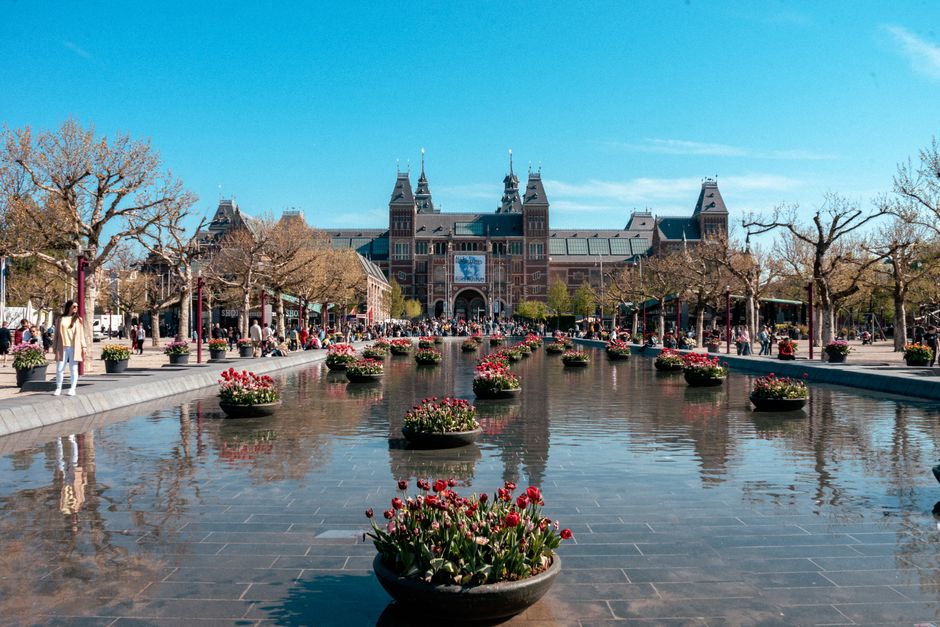
Amsterdam, the capital of the Netherlands, stands as a premier global destination, renowned for its intricate network of canals, historic gabled houses, and vibrant cultural scene. This city offers an unparalleled experience for any traveler. Begin your exploration by navigating the iconic canals. Boat tours are an essential way to grasp the city’s unique layout and gain historical context from expert guides. Alternatively, rent a pedal boat for a more intimate and active exploration. The Anne Frank House, a poignant testament to wartime history, is a deeply moving experience and requires booking tickets well in advance. Museumplein, the museum square, is home to three of the Netherlands’ most significant cultural institutions: the Rijksmuseum, housing masterpieces by Dutch Masters like Rembrandt and Vermeer; the Van Gogh Museum, dedicated to the life and work of Vincent van Gogh; and the Stedelijk Museum, showcasing modern and contemporary art. Beyond the art and history, Amsterdam’s liberal culture is evident in its bustling Red Light District and numerous coffee shops, offering a glimpse into a different facet of the city’s character. The Jordaan district, once a working-class neighborhood, is now a charming labyrinth of narrow streets, independent boutiques, cozy cafes, and picturesque courtyards, perfect for leisurely exploration on foot or by bicycle. Cycling is deeply ingrained in Dutch culture, and Amsterdam offers a vast network of bike paths, making it the ideal mode of transport to discover hidden gems and soak in the local atmosphere.
Rotterdam, a city that rose from the ashes of World War II, is a testament to modern architecture and innovative urban planning. Unlike the historic charm of Amsterdam, Rotterdam presents a bold, contemporary face to visitors. Its skyline is dominated by striking, avant-garde structures designed by renowned architects. The Markthal is a prime example, a breathtaking indoor market hall featuring a vibrant array of food stalls, restaurants, and residential apartments housed within a horseshoe-shaped building adorned with a colossal mural. The Cube Houses, designed by Piet Blom, are another architectural marvel, a collection of innovative residential units built at a 45-degree angle, creating a unique and visually stimulating environment. Visitors can even stay in a fully furnished Cube House for an immersive experience. The Euromast observation tower provides panoramic views of the city and its bustling port, one of Europe’s largest. The SS Rotterdam, a former passenger ship now permanently docked, offers a glimpse into maritime history and serves as a hotel and event venue. The innovative Erasmus Bridge, a striking cable-stayed bridge, is a symbol of Rotterdam’s forward-thinking spirit. The city’s vibrant arts scene includes numerous galleries and the Museum Boijmans Van Beuningen, which holds an impressive collection of Dutch art from the Middle Ages to the present day.
The Hague, the political heart of the Netherlands, offers a sophisticated blend of royal grandeur, international diplomacy, and seaside charm. Unlike many Dutch cities with canals, The Hague boasts elegant boulevards and impressive architecture. The Binnenhof, a complex of buildings surrounding a courtyard, serves as the seat of the Dutch parliament and is a significant historical site. Within the Binnenhof lies the Ridderzaal (Knight’s Hall), a magnificent medieval hall where the monarch delivers the annual King’s Speech. The Peace Palace, an iconic building that houses the International Court of Justice and the Permanent Court of Arbitration, is a symbol of global justice and peace. The Mauritshuis museum, a relatively small but exquisite gallery, showcases Dutch Golden Age masterpieces, including Vermeer’s "Girl with a Pearl Earring" and Rembrandt’s "The Anatomy Lesson of Dr. Nicolaes Tulp." Scheveningen, The Hague’s popular seaside resort, offers a long sandy beach, a lively pier, and a variety of seafood restaurants. It’s the perfect place to enjoy the North Sea air and relax after a day of cultural exploration. The Lange Voorhout, a grand boulevard, is lined with stately homes, embassies, and the Royal Theatre. The city also hosts numerous international organizations, contributing to its cosmopolitan atmosphere.
Utrecht, a vibrant university city, offers a more relaxed and authentic Dutch experience compared to the bustling capital. Its defining feature is its unique canal system, characterized by wharf cellars that have been transformed into cafes, restaurants, and shops, creating a lively atmosphere at water level and offering a unique perspective for exploration. The Dom Tower, Utrecht’s most prominent landmark, is the tallest church tower in the Netherlands, and climbing its 465 steps rewards visitors with breathtaking panoramic views of the city and surrounding countryside. The Museum Speelklok tot Pierement is a delightful and unusual museum dedicated to self-playing musical instruments, offering a whimsical and engaging experience for all ages. The city center is a pedestrian-friendly zone, perfect for wandering through charming streets, discovering independent boutiques, and enjoying the lively student population. The Rietveld Schröder House, a UNESCO World Heritage site, is a masterpiece of De Stijl architecture, showcasing Gerrit Rietveld’s innovative use of primary colors and geometric forms. Utrecht’s canals are particularly beautiful when illuminated at night, adding to its romantic ambiance.
Delft, a picturesque city steeped in history and famous for its Delft Blue pottery, offers a charming and quintessential Dutch experience. The historic city center is a maze of cobblestone streets, historic buildings, and tranquil canals. The Market Square, dominated by the impressive Nieuwe Kerk (New Church), is the heart of the city. The Nieuwe Kerk houses the burial chambers of the Dutch royal family, making it a site of national significance. The Oude Kerk (Old Church), with its leaning tower, is another prominent landmark and offers insight into the city’s medieval past. The Royal Delft Experience provides an in-depth look into the production of the iconic Delft Blue earthenware, from the raw materials to the intricate hand-painting techniques. Vermeer Centrum Delft is dedicated to the life and work of the renowned painter Johannes Vermeer, who was born and lived in Delft. The city’s canals are perfect for a leisurely boat trip, offering a unique perspective of its architectural beauty. Delft’s compact size makes it easily walkable, and its relaxed atmosphere is ideal for a peaceful retreat.
Giethoorn, often referred to as the "Venice of the Netherlands," is a fairytale village where transportation relies almost entirely on water. The village has no roads; instead, narrow canals crisscross the landscape, connected by over 170 small wooden bridges. Visitors can rent electric whisper boats, canoes, or punts to explore the tranquil waterways, gliding past thatched-roof farmhouses set amidst lush greenery. This car-free environment creates an incredibly peaceful and idyllic atmosphere, a stark contrast to the hustle and bustle of larger cities. Giethoorn is particularly enchanting during the spring and summer months when the gardens are in full bloom. The village offers a unique opportunity to experience a slower pace of life and immerse oneself in a truly picturesque setting. While it can get busy during peak tourist season, visiting during the shoulder seasons or early in the morning can offer a more serene experience.
Kinderdijk, a UNESCO World Heritage site, is a iconic representation of the Dutch struggle against water. This remarkable landscape features a network of 19 windmills, originally built in the 18th century to pump water from the low-lying polder lands into the IJssel River. Walking or cycling along the paths offers stunning views of these impressive structures, set against the backdrop of the Dutch countryside. The windmills are still partially operational, demonstrating their historical significance and the ingenuity of Dutch engineering. Several of the windmills are open to the public, allowing visitors to step inside and learn about their inner workings and the lives of the millers. The visitor center provides comprehensive information about the history and importance of the site. Kinderdijk offers a tangible connection to the Netherlands’ past and its ongoing relationship with water management.
Maastricht, situated in the southern Limburg province, offers a distinctly different atmosphere from the rest of the Netherlands, with influences from Belgium and Germany evident in its culture and cuisine. The Vrijthof, the city’s main square, is a lively hub surrounded by historic buildings, cafes, and restaurants. The Basilica of Saint Servatius, a Romanesque church, is a significant religious and architectural landmark. One of Maastricht’s most fascinating attractions is the network of underground caves, known as the "Z Kasım" (Z-caves) or Marlede grotten. These extensive cave systems, originally quarried for marlstone, served as shelters during World War II and have a rich history. Guided tours offer insights into their formation and past uses. The Bonnefantenmuseum, with its distinctive tulip-shaped tower, houses an impressive collection of art, including medieval sculptures and contemporary works. Maastricht’s culinary scene is renowned, with a strong emphasis on local produce and fine dining. The city’s strategic location makes it an ideal base for exploring the surrounding Limburg hills and neighboring countries.
The Hoge Veluwe National Park, a vast and diverse natural landscape, offers a sanctuary for nature lovers and art enthusiasts alike. The park encompasses heathlands, sand dunes, and woodlands, providing a habitat for diverse flora and fauna. Visitors can explore the park by utilizing the free white bicycles available at the entrances, pedaling through its scenic trails. Within the park lies the Kröller-Müller Museum, renowned for its extensive collection of Van Gogh paintings and its sculpture garden, showcasing works by renowned artists amidst the natural beauty. The Museonder, an underground museum, offers a unique perspective on the forest ecosystem. The park’s expansive size allows for a truly immersive outdoor experience, whether for hiking, cycling, or simply enjoying the tranquility of nature. The changing seasons bring different colors and experiences to the landscape, making it a year-round destination.
Volendam and Marken, two charming fishing villages located north of Amsterdam, offer a nostalgic glimpse into traditional Dutch life. Volendam, situated on the IJsselmeer lake, is famous for its picturesque harbor, traditional costumes worn by some locals, and its lively atmosphere. The village’s waterfront is lined with restaurants serving fresh seafood. Marken, an island connected to the mainland by a causeway, retains a strong sense of tradition and offers a more tranquil experience. Visitors can explore its quaint streets, visit the local museum to learn about its history, and observe the distinctive Marken houses built on stilts. Both villages provide excellent opportunities for photography and experiencing a more rural and traditional side of the Netherlands. While they can attract significant tourist numbers, visiting during weekdays or in the off-season can provide a more authentic feel. The proximity to Amsterdam makes them easily accessible for day trips.


