Road Trip Vegas To Great Basin National Park

Road Trip: Vegas to Great Basin National Park – An Epic Nevada Adventure
Embarking on a road trip from Las Vegas, Nevada, to Great Basin National Park offers a dramatic shift in scenery and experience. This journey traverses a significant portion of Nevada’s vast and varied landscapes, transitioning from the dazzling artificiality of the Strip to the raw, untamed beauty of ancient mountains and deserts. The route is not merely a drive; it’s an immersion into the heart of the American West, showcasing geological wonders, historical echoes, and a profound sense of solitude. Planning this adventure requires understanding the distances involved, the most efficient routes, and the unique attractions scattered along the way, ensuring a fulfilling and memorable expedition. The drive itself, typically around five to six hours without significant stops, can be extended considerably by exploring the many points of interest that lie between these two iconic Nevada destinations.
The primary route for a Vegas to Great Basin National Park road trip is generally I-15 North to US-93 North, then transitioning to State Route 318 North and finally State Route 487 North to the park’s entrance. This path is approximately 300 miles and avoids the majority of major metropolitan areas, allowing for a more direct and scenic approach to the park. Travelers should be aware of the limited services in many sections of this route; gas stations and convenience stores can be spaced far apart, particularly once you leave the vicinity of Las Vegas. It is highly recommended to fill up your fuel tank whenever the opportunity arises, especially in towns like Alamo or Panaca. Packing ample water and snacks is also a wise precaution, as the desert environment can be unforgiving, and unexpected delays can occur. Mobile phone service can be intermittent, so downloading offline maps and essential information before departing is a crucial step in preparation.
Before even leaving Las Vegas, consider a brief stop at the Neon Museum. While seemingly unrelated to the natural wonders of Great Basin, it offers a fascinating glimpse into the city’s iconic past and provides a stark contrast to the ancient landscapes you will soon encounter. This “boneyard” of retired neon signs is a unique photo opportunity and a historical archive that sets a retrospective tone for your journey westward. As you depart Las Vegas and head north on I-15, the landscape gradually transforms. The urban sprawl gives way to rolling hills and eventually the stark beauty of the Mojave Desert. Keep an eye out for Joshua trees, iconic inhabitants of this arid region, standing sentinel against the endless blue sky.
Continuing on I-15 North, your first significant deviation towards Great Basin will be onto US-93 North. This is a major artery that cuts through the heart of Nevada. As you drive, observe the subtle shifts in the vegetation and topography. The arid plains begin to give way to more rugged terrain, hinting at the mountainous grandeur that awaits. One noteworthy stop along US-93, though a bit of a detour, is the Pahranagat National Wildlife Refuge. This oasis in the desert provides a surprising abundance of birdlife and aquatic ecosystems, a testament to the resilience of nature in extreme environments. It’s a peaceful respite and an excellent place for birdwatching or a short, refreshing walk.
As you progress further north on US-93, you’ll eventually reach the town of Ely. Ely is a historically significant mining town and a good place to refuel, grab a meal, and stretch your legs. It’s also the gateway to the Great Basin itself, and from here, your route will become more focused on reaching the national park. In Ely, you have the option to visit the Nevada Northern Railway Museum, which preserves the legacy of the region’s copper mining boom. Experiencing a ride on one of their historic trains offers a unique perspective on the area’s past and can be a fun activity for all ages.
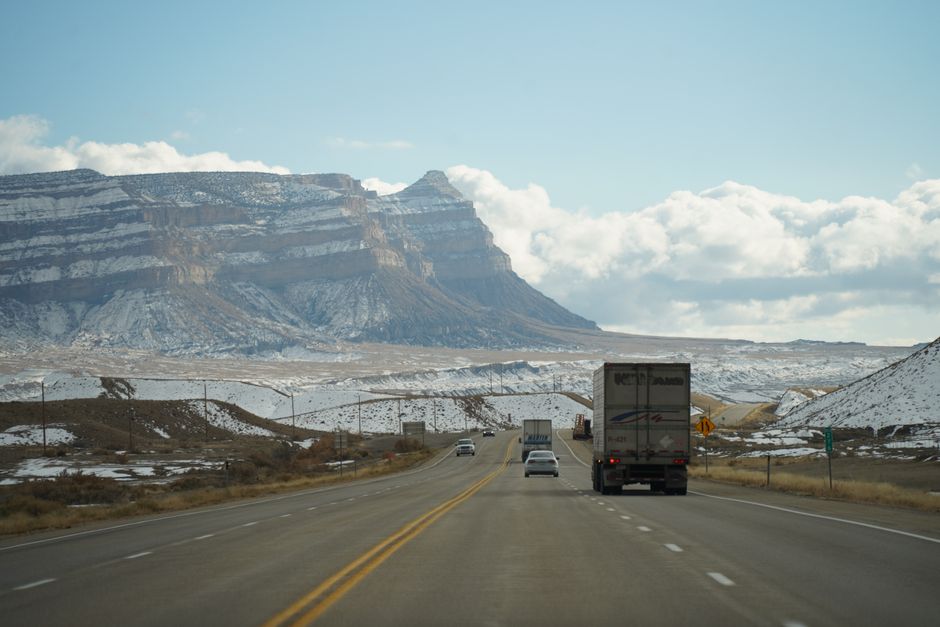
From Ely, the most direct route to Great Basin National Park involves taking US-93 South for a short distance, then turning onto State Route 318 North. This road will take you through more remote and desolate country, reinforcing the sense of leaving civilization behind. The landscape becomes increasingly austere, characterized by wide-open valleys and distant, imposing mountain ranges. This is the true Great Basin country, a land of internal drainage where rivers flow into salt flats and lakes rather than the ocean. Pay attention to the geological formations; the layers of rock tell stories of ancient seas, volcanic activity, and the slow, inexorable processes of erosion.
As you drive along SR-318, you’ll pass through small, widely spaced communities. Towns like Alamo and Panaca are the last vestiges of reliable services before entering the park. It is crucial to take advantage of these opportunities for fuel and supplies. The driving itself on SR-318 is generally smooth, but the remoteness emphasizes the importance of being self-sufficient. The sheer scale of the landscape can be awe-inspiring, with vast horizons and an immense sky that can appear to stretch on forever. This is a prime location for stargazing, even before you reach the park, as light pollution is virtually non-existent.
The final leg of your journey involves transitioning from SR-318 North to State Route 487 North. SR-487 leads directly to the south entrance of Great Basin National Park. As you approach the park, the landscape begins to change dramatically. The arid desert floor gives way to the majestic peaks of the Wheeler Peak massif, the park’s dominant feature. The transition is marked by an increase in elevation and a change in vegetation, with pinyon pines and junipers becoming more prevalent. The air becomes cooler and crisper, offering a welcome respite from the desert heat.
Upon entering Great Basin National Park, the immediate sense of wonder is palpable. The park is named for the Great Basin Desert, a vast interior basin that covers much of Nevada and parts of surrounding states. This region is characterized by its Basin and Range topography, a series of north-south trending mountains separated by wide, flat valleys. The park itself encompasses a remarkable diversity of ecosystems, ranging from arid desert scrublands to alpine meadows and ancient bristlecone pine forests.
One of the park’s most celebrated features is Lehman Caves. This extensive cave system offers guided tours that delve into a subterranean world of stalactites, stalagmites, and other intricate formations. The tours are educational and awe-inspiring, providing insights into the geological processes that have shaped the caves over millennia. It’s advisable to book cave tours in advance, especially during peak season, as they are popular and have limited capacity. The cool, stable temperature inside the cave makes it a refreshing escape from the desert heat, regardless of the season.
Above ground, the park offers a plethora of hiking opportunities. The hike to the summit of Wheeler Peak, Nevada’s highest mountain at over 13,000 feet, is a challenging but incredibly rewarding endeavor. This strenuous trek offers panoramic views of the surrounding Great Basin and beyond. For those seeking less demanding adventures, numerous other trails wind through diverse landscapes. The Bristlecone Pine Trail leads to ancient groves of these incredibly long-lived trees, some of which are over 4,000 years old, making them some of the oldest living organisms on Earth. Walking amongst these gnarled and weathered specimens is a humbling experience, connecting you to a timescale far beyond human comprehension.
Another significant attraction within Great Basin National Park is the scenic drive, which climbs to an elevation of over 10,000 feet. This road offers breathtaking vistas and access to various trailheads and viewpoints. Along the drive, you’ll encounter alpine lakes, meadows bursting with wildflowers in the summer, and the dramatic treeline where hardy pines give way to the harsh alpine environment. The change in flora and fauna as you ascend is remarkable, showcasing the adaptability of life in extreme conditions.
The stargazing opportunities in Great Basin National Park are world-renowned. The park has been designated as an International Dark Sky Park, meaning it has exceptionally dark skies free from significant light pollution. On a clear night, the Milky Way is a brilliant, vibrant band stretching across the heavens, and countless stars, nebulae, and galaxies become visible to the naked eye. Attending a ranger-led astronomy program or simply finding a quiet spot away from any artificial light can be an unforgettable experience. The sheer number of visible celestial bodies in such a pristine night sky is unlike anything most people encounter in urban or suburban areas.
Beyond the natural wonders, the park also holds historical significance. Evidence of early human habitation and the more recent history of mining and ranching can be found throughout the area. Exploring these remnants provides a deeper understanding of the human connection to this rugged land. The vastness and isolation of the Great Basin have always attracted those seeking solitude and a connection with nature, from ancient peoples to modern-day adventurers.
When planning your trip, consider the best time to visit. Spring and fall offer pleasant temperatures for hiking and exploring. Summer can be hot in the lower elevations, but higher altitudes remain cooler. Winter brings snow, making some roads and trails inaccessible, but it also offers a unique, serene beauty for those prepared for cold-weather activities. Always check the park’s official website for current conditions, road closures, and any advisories before your arrival.
In conclusion, the road trip from Las Vegas to Great Basin National Park is an extraordinary journey through the diverse and captivating landscapes of Nevada. It’s an adventure that demands preparation and rewards the traveler with unparalleled natural beauty, a sense of profound solitude, and a deep appreciation for the resilience of life in one of America’s most remote and awe-inspiring regions. From the glittering lights of Vegas to the ancient, silent mountains and star-filled skies of Great Basin, this trip offers a powerful contrast and an unforgettable exploration of the American West.