Tag Million Dollar Highway

Million Dollar Highway: A Treacherous Masterpiece of Engineering and Scenery
The Million Dollar Highway, officially designated as U.S. Route 550, winds its way through the San Juan Mountains of southwestern Colorado, forging a path of unparalleled beauty and notorious peril. This iconic stretch of road, often referred to simply as the "Million Dollar Highway," is a testament to human ingenuity and a magnet for adventurers seeking breathtaking vistas and an adrenaline-fueled driving experience. Its very construction, a monumental undertaking in the late 19th and early 20th centuries, involved carving a road through impossibly steep terrain, utilizing methods that were both innovative and incredibly dangerous. The "million dollar" moniker is not a literal monetary figure but rather an anecdotal descriptor reflecting the immense cost, both financially and in terms of human effort and risk, involved in its creation and ongoing maintenance. Today, the highway serves as a critical transportation link between the historic towns of Durango, Silverton, and Ouray, while simultaneously offering a world-class scenic drive that attracts millions of visitors annually.
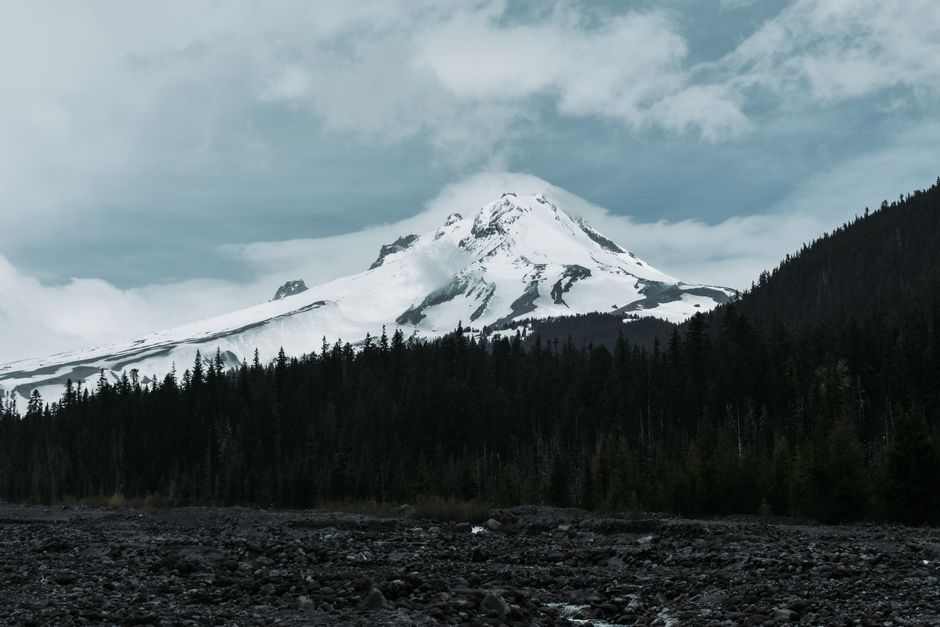
The geological backdrop of the Million Dollar Highway is as dramatic as the road itself. The San Juan Mountains, part of the larger Rocky Mountains range, are characterized by their rugged peaks, deep canyons, and a rich geological history. These mountains are primarily composed of volcanic rock, granite, and metamorphic formations, remnants of ancient volcanic activity and tectonic plate collisions. This dramatic landscape dictates the challenging engineering required to build and maintain the highway. Massive retaining walls, sheer drop-offs, and narrow passages are not decorative features but necessary adaptations to the unforgiving topography. The elevation changes are significant, with the highway cresting at over 11,000 feet at Molas Pass and Red Mountain Pass. These high altitudes contribute to the stunning panoramic views but also introduce environmental factors like unpredictable weather, including snow, ice, fog, and strong winds, particularly outside of the summer months. Understanding this geological context is crucial to appreciating the sheer audacity of the highway’s construction and the constant efforts required for its upkeep.
The history of the Million Dollar Highway is intrinsically linked to the mining boom that swept through southwestern Colorado in the late 1800s. Silver, gold, and other precious metals were discovered in abundance in the San Juan Mountains, leading to the establishment of bustling mining towns like Silverton and Ouray. Initially, access to these remote mining camps was severely limited, primarily relying on mule trains and rough trails. The need for a more efficient and reliable transportation route became paramount to support the burgeoning mining industry. The original Wagon Road, built in the 1880s, was a rudimentary path that struggled to accommodate wagons and was often impassable. The construction of a more robust road, capable of handling horse-drawn carriages and later automobiles, was a massive undertaking. The Denver and Rio Grande Western Railroad played a significant role in developing infrastructure in the region, but a reliable road connection was still vital. The modern iteration of the Million Dollar Highway began to take shape in the early 20th century, with significant grading and engineering efforts undertaken to create a passable route for motor vehicles.
The construction of the Million Dollar Highway was a feat of engineering born out of necessity and ambition. Early construction relied on manual labor, dynamite, and sheer grit. Workers, often immigrants seeking opportunity, faced extreme conditions, working at high altitudes with limited safety equipment. The process involved blasting through solid rock, building precarious bridges over deep ravines, and constructing retaining walls to prevent landslides. The absence of modern heavy machinery meant that much of the excavation and grading was done by hand and with horse-drawn plows. The techniques employed were rudimentary by today’s standards but were at the cutting edge of what was possible at the time. The ongoing maintenance of the highway remains a monumental task, requiring constant vigilance against rockfalls, erosion, and the harsh effects of winter weather. This dedication to keeping the road open and safe is a continuous and costly endeavor, reinforcing the "million dollar" legend.
Driving the Million Dollar Highway is an experience that demands respect and careful attention. The road is characterized by its lack of guardrails in many sections, exposing drivers to dramatic sheer drops into canyons hundreds or even thousands of feet below. The curves are sharp and often blind, requiring drivers to maintain a slow, steady pace and be prepared for oncoming traffic. The elevation changes can affect vehicle performance and driver concentration. Unlike many modern highways designed for high-speed travel, the Million Dollar Highway is an invitation to slow down, absorb the scenery, and prioritize safety above all else. Drivers are advised to check weather conditions before embarking on their journey, especially outside of peak summer. High-clearance vehicles are not strictly necessary, but a well-maintained vehicle with good brakes is essential. Experienced drivers who are comfortable with narrow roads and significant elevation changes will find the drive exhilarating, while those prone to vertigo or who prefer wide, straight roads might find it unnerving.
The scenic beauty of the Million Dollar Highway is, without question, its primary draw. As one ascends into the San Juan Mountains, the landscape transforms into a breathtaking panorama of jagged peaks, emerald valleys, and crystal-clear alpine lakes. The route passes through the historic mining towns of Silverton and Ouray, each offering a glimpse into the region’s colorful past. Silverton, a former silver mining boomtown, retains much of its Victorian architecture and offers a charming step back in time. Ouray, known as the "Switzerland of America," is nestled in a dramatic box canyon and is renowned for its hot springs and stunning mountain scenery. Beyond these towns, the highway offers unparalleled views of the Weminuche Wilderness, the largest wilderness area in Colorado. Wildflowers bloom in vibrant profusion during the summer months, painting the meadows with an array of colors. In the autumn, the aspen and conifer forests ignite in a spectacular display of gold, orange, and crimson, making it one of the premier fall color destinations in the United States.
Key points of interest along the Million Dollar Highway include Molas Pass, offering expansive vistas of the surrounding mountains and valleys, and the historic town of Durango, located at the southern terminus of the route. Durango is a popular gateway to the San Juan Mountains and a hub for outdoor activities. The Durango & Silverton Narrow Gauge Railroad, a historic steam train, offers a scenic journey through the San Juan National Forest, often paralleling sections of the highway. Red Mountain Pass is another significant landmark, marked by its dramatic drop-offs and the remnants of old mining operations. The imposing peaks of the San Juans, including Uncompahgre Peak and the Sneffels Range, dominate the skyline, providing a constant reminder of the raw power and beauty of nature. The numerous pull-offs and scenic overlooks along the route are essential stops for photographers and anyone wishing to truly appreciate the scale and grandeur of the landscape.
For travelers planning a trip along the Million Dollar Highway, proper preparation is crucial for a safe and enjoyable experience. The best time to visit is generally from late May through October, when the passes are typically clear of snow. However, even during the summer months, sudden thunderstorms can occur at higher elevations, so it’s wise to pack layers of clothing. Always check road conditions and weather forecasts before you go, especially if traveling in the shoulder seasons. Cell service can be intermittent, so downloading offline maps is highly recommended. Fuel up your vehicle before starting the journey, as gas stations are few and far between. Respect the road’s challenges: drive slowly, use lower gears on descents to save your brakes, and be mindful of oncoming traffic. Pack plenty of water and snacks, and be prepared for limited amenities. Respect the environment: stay on designated trails, pack out all trash, and avoid disturbing wildlife. Understanding the history and the inherent risks associated with the Million Dollar Highway will enhance your appreciation of this remarkable route.
The economic impact of the Million Dollar Highway on the surrounding communities is substantial. The highway serves as a vital artery for tourism, drawing visitors from across the United States and around the world. These tourists contribute significantly to the local economies of Durango, Silverton, and Ouray through spending on accommodations, dining, outdoor recreation, and retail. The highway also plays a role in the transportation of goods and services, although its challenging nature limits its use for heavy commercial trucking. The preservation and maintenance of the highway are therefore not just about road safety but also about sustaining the economic viability of these mountain towns. Efforts to promote responsible tourism and manage the increasing visitor numbers are ongoing, aiming to balance economic benefits with the preservation of the region’s natural beauty and the safety of its visitors.
In conclusion, the Million Dollar Highway is far more than just a road; it is an engineering marvel, a historical artifact, and a breathtaking natural spectacle. It embodies the spirit of adventure and resilience, born from the ambition of miners and the dedication of countless workers. Driving this iconic route is an unforgettable experience, a journey that tests one’s driving skills while rewarding them with vistas that defy description. Its reputation for danger is well-earned, but with proper preparation and a healthy dose of respect for its challenges, travelers can safely navigate its serpentine paths and witness firsthand why it has earned its legendary "million dollar" status. The Million Dollar Highway stands as a testament to the power of human endeavor in the face of formidable natural landscapes, offering an unparalleled fusion of thrilling adventure and awe-inspiring scenery.