
Secret Wine Regions In The Us

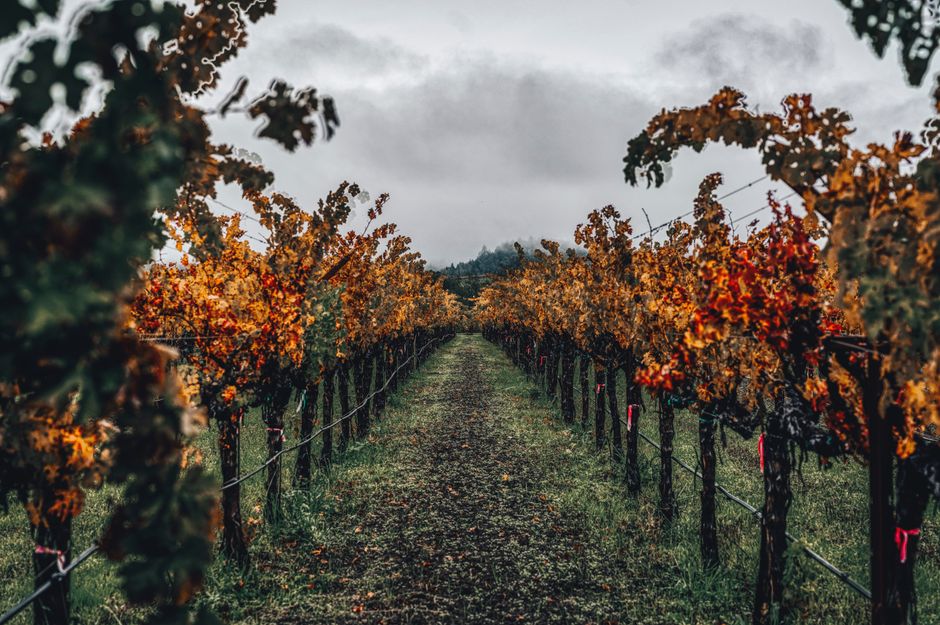
Beyond Napa: Unveiling America’s Secret Wine Regions
While California’s Napa Valley and Sonoma County dominate the American wine conversation, the United States boasts a wealth of lesser-known, yet equally captivating, wine regions. These hidden gems offer unique terroirs, distinctive varietals, and an authentic viticultural experience often overshadowed by their more famous counterparts. Exploring these secret wine regions provides an opportunity for oenophiles and casual drinkers alike to discover exceptional wines, connect with passionate winemakers, and enjoy a more intimate and uncrowded wine-tasting journey. From the high desert of New Mexico to the cool, maritime influence of the Pacific Northwest, and the unexpected bounty of the Midwest, America’s wine map is far more expansive and diverse than commonly perceived. This article delves into several of these under-the-radar destinations, highlighting their unique characteristics, key varietals, and the reasons they deserve a place on any wine lover’s itinerary.
New Mexico: An Ancient History, A New Frontier
New Mexico, with its sun-drenched landscapes and rich cultural heritage, is home to America’s oldest wine-growing tradition, dating back to the Spanish missionaries in the 17th century. Despite this deep history, the state’s wine industry is experiencing a renaissance, driven by dedicated winemakers exploring the potential of its high-altitude desert climate. The arid conditions, coupled with significant diurnal temperature shifts (the difference between daytime highs and nighttime lows), create ideal conditions for grape ripening and flavor concentration. Soils are typically sandy or loamy, well-draining, and rich in minerals, contributing to the wines’ complexity.
The primary wine-growing areas are concentrated around the Rio Grande Valley, particularly near Albuquerque, Socorro, and the Mesilla Valley. While traditional European vinifera grapes like Cabernet Sauvignon, Merlot, and Zinfandel are grown with success, New Mexico is also gaining recognition for its distinct Rhône varietals, such as Syrah and Grenache. The hot, dry climate is particularly suited for these sun-loving grapes, yielding wines with robust fruit profiles, often with notes of dark berries, spice, and a characteristic earthy undertone.
Winemakers in New Mexico often embrace a hands-on approach, with many being small, family-run operations. This intimacy allows for a deep connection to the land and a meticulous focus on quality. Visitors can expect to encounter passionate individuals eager to share their stories and their wines. The tasting experience is often more personal, with opportunities to meet the winemakers themselves and learn about the unique challenges and rewards of cultivating vines in such an arid environment. Beyond traditional wines, New Mexico also has a strong tradition of fruit wines, particularly apple and berry wines, reflecting the state’s agricultural diversity. For those seeking a wine region with a compelling narrative, exceptional terroir, and a burgeoning scene, New Mexico offers an unparalleled experience. Keywords: New Mexico wine, oldest wine region US, desert wine, high altitude wine, Rhône varietals New Mexico, Syrah, Grenache, artisan wine, unique terroir, southwest wine.
Texas High Plains: Unexpected Grand Cru Potential
Texas, the second-largest state in the U.S., might not be the first place that comes to mind for wine, but its High Plains region is rapidly emerging as a significant viticultural force. Situated in the northwest corner of the state, this vast, relatively flat expanse sits at an elevation of around 3,500 to 4,000 feet, boasting a semi-arid climate with abundant sunshine and cool nights. The soils are predominantly calcareous (limestone-rich) and sandy loam, offering excellent drainage and contributing to minerality in the wines.
The sheer scale of the High Plains allows for large-scale grape cultivation, and while historically known for bulk wine production, a new wave of Texas winemakers is now dedicated to producing premium, terroir-driven wines. The significant diurnal temperature variation is a key factor in the success of grape growing here, allowing grapes to develop complex flavors and retain acidity during cooler nights. The region’s intensity of sunlight contributes to ripe, concentrated fruit.
Tempranillo has emerged as the star varietal of the Texas High Plains, producing wines with rich plum, cherry, and leather notes, often with a pleasant spiciness and firm tannins. Other successful red varietals include Syrah, Malbec, and Sangiovese. White wines, while less prominent, are also showing promise, with Roussanne and Viognier exhibiting good potential. The commitment to quality is evident in the increasing number of wineries investing in advanced vineyard management and winemaking techniques.
The Texas High Plains wine region is characterized by its vastness and the pioneering spirit of its winemakers. Many vineyards are quite large, and the infrastructure for wine tourism is still developing, offering a sense of discovery for visitors. However, the commitment to excellence is undeniable, with many producers focused on showcasing the unique character of the High Plains terroir. For those seeking a truly American wine adventure with wines of surprising quality and character, the Texas High Plains is a destination that rewards exploration. Keywords: Texas wine, Texas High Plains, Tempranillo Texas, Syrah Texas, Malbec Texas, emerging wine regions, arid climate wine, limestone soil wine, American viticulture, pioneer wine.
Idaho: Rocky Mountain Bounty
Idaho, a state more renowned for potatoes than Pinot Noir, is quietly cultivating a reputation for producing exceptional cool-climate wines. The Snake River Valley, specifically, is gaining international attention as a premier viticultural area. Located in southwestern Idaho, this region benefits from a unique microclimate influenced by the volcanic soils, high desert plateau, and the cooling effect of the Snake River. The elevation, typically between 2,000 and 3,000 feet, provides a shield against extreme temperatures, while the abundant sunshine aids in grape ripening.
The soils are primarily alluvial and volcanic loams, with excellent drainage, which is crucial for healthy vine development. The defining characteristic of the Idaho wine scene is its commitment to cool-climate varietals. Riesling thrives here, producing crisp, aromatic wines with notes of apple, citrus, and floral hints, often with a delightful off-dry profile. Chardonnay also performs exceptionally well, offering bright acidity and complex fruit flavors.
Beyond these classics, Idaho winemakers are also experimenting with and excelling in reds like Syrah, Pinot Noir, and Cabernet Franc, all of which benefit from the region’s significant diurnal temperature swings. The cooler nights help preserve acidity, resulting in balanced and age-worthy wines. The Idaho wine industry is characterized by a strong sense of community and a focus on sustainable viticultural practices. Many wineries are small, family-owned operations, fostering a personal connection between growers, winemakers, and visitors.
The wine tourism infrastructure in Idaho is still developing, offering an intimate and authentic experience. Wineries are often located amidst stunning natural beauty, with vineyards set against the backdrop of the Rocky Mountains. This allows for a truly immersive wine-tasting journey, far from the bustling crowds of more established regions. Idaho’s wine story is one of passion, resilience, and a deep understanding of its unique terroir. It’s a destination for those seeking quality, innovation, and a serene wine country escape. Keywords: Idaho wine, Snake River Valley wine, cool climate wine, Riesling Idaho, Chardonnay Idaho, Syrah Idaho, Pinot Noir Idaho, emerging US wine regions, volcanic soil wine, sustainable viticulture.
Michigan: Great Lakes Influence and Cool Climate Gems
Michigan, with its extensive coastline along four of the Great Lakes, possesses a surprisingly robust and diverse wine industry. The cool, maritime-influenced climate, tempered by the vast bodies of water, creates ideal conditions for a range of grape varietals, particularly those that flourish in cooler temperatures. The primary wine-growing regions are concentrated in the southwestern part of the state, around the Old Mission Peninsula and the Leelanau Peninsula, both jutting into Lake Michigan.
These peninsulas offer a unique terroir characterized by sandy, well-drained soils, often of glacial origin, and a consistent moderating influence from the surrounding lakes. This moderating effect significantly reduces the risk of severe frost damage, allowing for a longer growing season than might be expected at this latitude. The region is renowned for its exceptional Riesling, producing wines with vibrant acidity, delicate floral aromas, and flavors of green apple, peach, and sometimes a hint of minerality.
Beyond Riesling, Michigan excels with other aromatic white varietals like Gewürztraminer and Pinot Grigio. In terms of reds, Pinot Noir is a standout, yielding elegant wines with bright cherry notes and earthy undertones. Cabernet Franc also performs well, offering herbaceous complexity and red fruit character. Michigan winemakers are increasingly focused on expressing the distinctiveness of their cool-climate terroir, with many embracing organic and biodynamic farming practices.
The wine tourism experience in Michigan is highly accessible and enjoyable, with many wineries situated amidst picturesque landscapes. The Old Mission and Leelanau Peninsulas offer scenic drives, charming small towns, and a relaxed atmosphere. The proximity to major population centers like Chicago and Detroit also makes it a convenient destination for a weekend getaway. The growing reputation of Michigan wines, particularly for their quality and distinctiveness, positions it as a compelling secret wine region to explore. Keywords: Michigan wine, Old Mission Peninsula, Leelanau Peninsula, Great Lakes wine, cool climate wine, Riesling Michigan, Pinot Noir Michigan, Gewürztraminer Michigan, emerging wine regions US, lake effect wine.
Oregon’s Willamette Valley: Pinot Noir’s Northern Frontier (and More)
While the Willamette Valley in Oregon has achieved significant international acclaim for its Pinot Noir, it remains a "secret" gem for many beyond the dedicated wine enthusiast. This fertile valley, nestled between the Coast Range and the Cascades, benefits from a moderate maritime climate characterized by mild, wet winters and warm, dry summers. The soils are incredibly diverse, ranging from ancient volcanic basalt to marine sedimentary deposits, contributing to a wide spectrum of terroir expressions.
The undisputed king of the Willamette Valley is Pinot Noir. The region’s cool climate and diverse soils allow for the cultivation of this notoriously finicky grape, producing wines of exceptional elegance, complexity, and longevity. These wines are characterized by their vibrant red fruit notes (cherry, raspberry), earthy undertones, floral aromas (violet, rose), and a signature silky texture. While Pinot Noir garners most of the attention, the Willamette Valley is also a formidable region for Chardonnay, producing wines with bright acidity, minerality, and often a nuanced oak influence.
Beyond these two stalwarts, the valley also excels with other cool-climate varietals. Pinot Gris is widely planted and produces crisp, refreshing wines with pear and citrus notes. Riesling, particularly from the northern reaches of the valley, offers aromatic complexity and balanced sweetness. Increasingly, winemakers are experimenting with and finding success in other Rhône varietals like Syrah and Grenache, as well as Italian varietals like Nebbiolo and Sangiovese, showcasing the versatility of the region’s terroir.
The wine tourism in the Willamette Valley is well-established yet maintains an intimate feel. The scenic drives, charming wineries, and friendly local hospitality create a welcoming environment. Many wineries are family-owned, and the winemakers often have a deep personal connection to their vineyards and the land. The commitment to sustainability and organic practices is also prominent, further enhancing the region’s appeal. For those seeking world-class Pinot Noir and a rich tapestry of other exciting varietals, the Willamette Valley, while known, still holds many secrets for the discerning wine explorer. Keywords: Willamette Valley wine, Oregon wine, Pinot Noir Oregon, Chardonnay Oregon, cool climate wine, volcanic soil wine, maritime climate wine, emerging US wine regions, sustainable wine Oregon, Pinot Gris.
Colorado’s Grand Valley: High Altitude, Bold Flavors
Colorado, a state synonymous with rugged mountain landscapes, is also home to an unexpected and increasingly impressive wine region: the Grand Valley. Situated in western Colorado along the Colorado River, this arid, high-desert appellation boasts an exceptional terroir for grape growing. The valley floor sits at an elevation of around 4,500 feet, with vineyards extending even higher, placing them among the highest altitude vineyards in North America.
This extreme altitude brings a unique set of advantages. The intense solar radiation at this elevation leads to excellent color development and phenolic ripeness in the grapes. The significant diurnal temperature variation, a hallmark of high-altitude wine regions, is pronounced here, with hot, sunny days followed by cool, crisp nights. This dramatic temperature swing is crucial for grape development, allowing for flavor concentration while preserving essential acidity, resulting in balanced and age-worthy wines.
The soils in the Grand Valley are predominantly alluvial, derived from ancient riverbeds and characterized by sand, gravel, and clay, with excellent drainage. While the climate is generally dry and arid, irrigation is essential, often drawing from the Colorado River, allowing for controlled vine growth. Cabernet Sauvignon and Merlot are among the most successful red varietals, producing wines with bold fruit flavors, firm tannins, and a noticeable minerality. Syrah also thrives, yielding wines with dark fruit, peppery spice, and a lingering finish.
For white wines, Sauvignon Blanc and Viognier show significant promise, offering crisp acidity and aromatic complexity. The Colorado wine industry is relatively young, with a pioneering spirit driving innovation and quality. Many of the wineries are small, family-run operations, offering a personal and authentic tasting experience. Visitors can expect to be greeted by passionate winemakers eager to share their stories and the unique challenges and rewards of growing grapes at such high elevations. The stunning natural beauty of the surrounding landscape further enhances the wine-tasting journey. For those seeking bold, distinctive wines from an unexpected terroir, Colorado’s Grand Valley is a frontier worth exploring. Keywords: Colorado wine, Grand Valley wine, high altitude wine, arid climate wine, Cabernet Sauvignon Colorado, Merlot Colorado, Syrah Colorado, emerging US wine regions, pioneering viticulture, bold red wine.
Missouri: The Heartland’s Unexpected Wine Heritage
Missouri boasts a rich winemaking history that predates many of the more celebrated American wine regions, with a strong tradition rooted in hybrid grape varietals. While the state is increasingly experimenting with European vinifera, its true character often shines through in wines made from hardy, indigenous grapes. The Missouri River Valley and the Ozark Highlands are the primary viticultural areas, benefiting from fertile soils and a climate influenced by the Mississippi and Missouri Rivers.
The region’s soils are primarily loess (wind-blown silt) and clay, which can retain moisture but also require careful vineyard management. The climate is continental, with warm, humid summers and cold winters, presenting challenges for vinifera cultivation but favoring the resilience of hybrid grapes like Norton, Chambourcin, and Catawba. Norton, Missouri’s official state grape, is a robust native American grape that produces deep-colored, full-bodied red wines with notes of blackberry, cherry, and a characteristic spicy finish. It is a wine that truly expresses the terroir of the American heartland.
Chambourcin also yields well-regarded red wines with fruit-forward profiles and good acidity. For white wines, Catawba produces aromatic, often slightly sweet wines with notes of strawberry and watermelon, popular for their refreshing character. Beyond these traditional varietals, a new generation of Missouri winemakers is exploring the potential of vinifera, particularly in cooler pockets of the Ozarks, and finding success with varietals like Cabernet Franc and Viognier.
The wine tourism in Missouri is characterized by its accessibility and friendly, down-to-earth atmosphere. Wineries are often found in charming rural settings, offering a glimpse into the heartland’s agricultural heritage. Many of these wineries have a long-standing family history in winemaking, adding a layer of authenticity to the tasting experience. For those seeking wines with a unique American identity, a rich historical context, and a departure from the typical wine country experience, Missouri offers a compelling and often surprising journey. Keywords: Missouri wine, Norton grape, hybrid grape wine, Ozark Highlands wine, Missouri River Valley wine, heartland wine, emerging US wine regions, American heritage wine, native American grape, Chambourcin wine.


