
What Its Like To Hike Mount Kilimanjaro

Mount Kilimanjaro: The Ultimate Guide to Conquering Africa’s Highest Peak
The allure of Mount Kilimanjaro, Africa’s tallest mountain, draws thousands of trekkers annually. This dormant volcano, rising majestically from the plains of Tanzania, offers a non-technical climb to an extraordinary altitude of 5,895 meters (19,341 feet). The experience is more than just a physical challenge; it’s a journey through diverse ecosystems, a test of mental fortitude, and an unforgettable immersion into the raw beauty of nature. This comprehensive guide delves into what it’s truly like to hike Kilimanjaro, providing essential information for anyone considering this iconic adventure.
Choosing the right route is paramount, as each offers a unique experience, varying in difficulty, scenery, and acclimatization potential. The Marangu Route, often called the "Coca-Cola" route due to its accessibility and hut accommodation, is the shortest and most direct. However, its rapid ascent offers a lower success rate due to poor acclimatization. The Machame Route, or "Whiskey Route," is a popular choice, known for its stunning scenery and excellent acclimatization profile, though it involves more challenging terrain. The Lemosho Route is widely considered the most scenic, starting in a lush rainforest and gradually ascending through diverse landscapes, offering superior acclimatization. The Shira Route is similar to Lemosho but begins at a higher elevation. The Rongai Route approaches from the north, offering a different perspective and often experiencing less rainfall. Finally, the Northern Circuit is the longest route, circling the mountain’s northern slopes and providing the best acclimatization and most panoramic views, though it requires more time and thus higher cost. Each route has its own pros and cons regarding cost, duration, scenery, and acclimatization, directly impacting the overall trekking experience and success rate.
The physical preparation for Kilimanjaro cannot be overstated. While it’s not technically demanding, the altitude and sustained effort require a solid level of cardiovascular fitness. This means regular aerobic exercise in the months leading up to the climb: hiking with a loaded pack, running, cycling, or swimming. Strength training, focusing on legs and core, will also be beneficial for tackling steep ascents and descents. Mental preparation is equally crucial. The climb can be grueling, with long days of walking and the constant threat of altitude sickness. Developing resilience, a positive attitude, and the ability to push through discomfort are vital. Understanding the symptoms of altitude sickness and knowing when to communicate them to your guide is also a critical part of this preparation.
Upon arrival in Tanzania, you’ll typically spend a night in Moshi or Arusha, towns at the foot of the mountain. This allows for last-minute preparations, meeting your guides and porters, and a final chance to adjust to the local climate. The true adventure begins with the trek to the gate of Kilimanjaro National Park. Here, the initial stages are often through dense rainforests, teeming with wildlife and vibrant flora. The air is humid, and the path can be muddy, especially during the rainy seasons (typically March-May and November-December). This initial phase is deceptively gentle, lulling some into underestimating the mountain’s formidable nature.
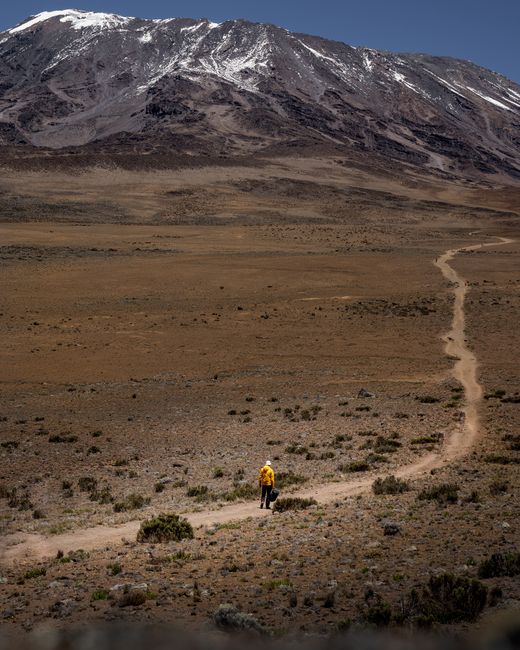
As you ascend, the landscape dramatically transforms. The rainforest gives way to heath and moorland, characterized by giant heathers, lobelia, and senecio plants. The air becomes cooler and drier. Days typically involve trekking for 4-7 hours, with breaks for meals and rest. Your guide and support crew are integral to the experience. The guides are highly trained in mountain safety, first aid, and acclimatization techniques, and their knowledge of the mountain and its ecosystems is invaluable. The porters are the backbone of the expedition, carrying the majority of your gear, setting up camp, and preparing delicious meals, often surprisingly gourmet given the circumstances. Their strength and dedication are remarkable and essential for a successful climb.
The acclimatization process is the most critical factor for reaching the summit. Kilimanjaro’s routes are designed with this in mind, employing a "climb high, sleep low" philosophy. This means ascending to higher altitudes during the day and descending to lower, more oxygen-rich elevations to sleep. Altitude sickness, or Acute Mountain Sickness (AMS), is a common concern. Symptoms can include headache, nausea, dizziness, and fatigue. Severe AMS can lead to more dangerous conditions like High Altitude Cerebral Edema (HACE) or High Altitude Pulmonary Edema (HAPE). It is crucial to listen to your body and communicate any symptoms to your guide immediately. They will assess the situation and may recommend rest, medication (like Diamox), or descent if symptoms worsen. Diamox, a prescription medication, can aid acclimatization for some individuals by speeding up respiration and increasing oxygen uptake.
The "technical" part of the climb, if it can be called that, comes on summit night. This is an all-night endeavor, typically starting around midnight or 1 AM from the last camp, often Barafu Camp or Kibo Huts. The goal is to reach Uhuru Peak, the highest point on Kilimanjaro, by sunrise. The ascent is steep, slow, and arduous. The temperature plummets, often well below freezing, and the wind can be relentless. You’ll be walking in headlamp beams, a line of determined individuals inching upwards on scree and loose rock. The air is thin, and every step requires significant effort. Breathing becomes a conscious act. Many climbers experience headaches and nausea during this ascent. The psychological battle is immense; the summit feels impossibly far away. It’s a testament to human endurance and willpower.
Reaching Stella Point, the crater rim, is a significant milestone, usually achieved around sunrise. The view from here is breathtaking, with clouds spread out below like a vast, white ocean. However, the summit, Uhuru Peak, is still a further hour’s walk along the crater rim. The final push to Uhuru Peak is often fueled by sheer determination and the promise of the accomplishment. The feeling of standing on the roof of Africa, with the sun rising and casting an ethereal glow over the vast landscape, is indescribable. It’s a moment of profound triumph and reflection.
The descent is often faster but can be equally demanding, especially on the knees and quads. The scree slopes can be challenging to navigate, and fatigue from the summit night can be pronounced. However, the sense of accomplishment and the anticipation of reaching the base camp and the celebratory dinner provide strong motivation. The final walk out of the park is often met with cheers and congratulations from the crew.
Accommodation varies depending on the route. The Marangu Route offers huts, providing a more comfortable and sheltered experience with basic amenities. For other routes, camping is the norm. Tents are usually provided, and the crew sets up a comprehensive camp with dining tents, sleeping tents, and toilet tents. While basic, the camps offer a unique opportunity to connect with nature and experience the mountain environment intimately. The food provided by the crew is generally plentiful and surprisingly varied, catering to different dietary needs with advance notice. Expect fresh fruits, vegetables, pasta, rice, and often a celebratory cake at the end.
Packing for Kilimanjaro requires careful consideration. Layers are essential, as you’ll experience a wide range of temperatures and weather conditions. Key items include thermal base layers, fleece mid-layers, and a waterproof and windproof outer shell. Good quality hiking boots, broken in beforehand, are non-negotiable. Other essentials include warm gloves, a hat, sunglasses, sunscreen, lip balm, a headlamp, a reusable water bottle or hydration reservoir, and personal toiletries. Your trekking company will provide a detailed packing list.
The cost of a Kilimanjaro climb varies significantly based on the route chosen, the trekking company, and the level of service provided. Generally, expect to pay anywhere from $1,500 to $5,000 or more per person. This cost typically includes park fees, crew wages, food, accommodation (on camping routes), and equipment. Flights to Tanzania are an additional expense.
In conclusion, hiking Mount Kilimanjaro is an extraordinary physical and mental undertaking. It’s a journey that demands preparation, resilience, and respect for the mountain. The rewards, however, are immeasurable: breathtaking scenery, a profound sense of accomplishment, and an unforgettable adventure that will stay with you long after you descend. The success rate is significantly influenced by proper acclimatization, physical and mental preparation, and a reputable trekking company that prioritizes safety and the well-being of its clients. It is not merely a hike; it is a transformative expedition to the roof of Africa.


