
How To Hike Trans Bhutan Trail

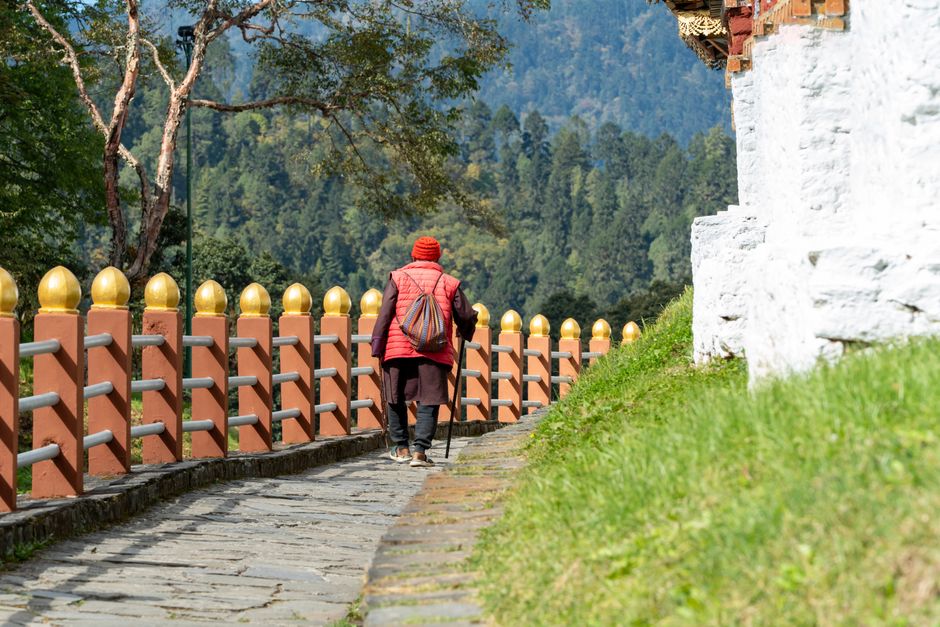
The Trans Bhutan Trail: A Definitive Guide for the Independent Trekker
Embarking on the Trans Bhutan Trail (TBT) is an unparalleled journey through the heart of the Kingdom, offering a profound connection with Bhutan’s pristine landscapes, rich cultural heritage, and the warmth of its people. While the official TBT organization facilitates guided tours, an increasing number of trekkers are seeking to navigate this historic route independently. This comprehensive guide provides the essential information and strategic planning necessary for a successful and deeply rewarding independent Trans Bhutan Trail experience.
Understanding the Trans Bhutan Trail: Route, Terrain, and Logistics
The Trans Bhutan Trail, once a vital route for pilgrims, traders, and messengers, has been meticulously restored and reopened to the public. It stretches over 900 kilometers, traversing diverse terrain from subtropical forests and lush valleys to alpine meadows and high mountain passes. The trail is broadly divided into three sections: the Eastern, Central, and Western circuits. While trekkers can choose to hike individual sections, the full thru-hike offers the most immersive experience, typically taking between 25 to 30 days to complete. The trail’s highest point reaches approximately 3,800 meters, demanding good physical conditioning and acclimatization. The terrain is challenging, with steep ascents and descents, rocky paths, and occasional muddy sections, particularly during the monsoon season. Independent trekking requires meticulous planning regarding food, water, accommodation, and navigation. The TBT is generally well-marked, but carrying a reliable GPS device and detailed topographic maps is crucial. Expect to encounter remote villages, monasteries perched precariously on cliffsides, and breathtaking vistas at every turn.
Visa and Entry Requirements for Independent Trekkers
Bhutan operates a strict tourism policy, and independent trekking on the Trans Bhutan Trail necessitates adherence to specific regulations. Unlike many countries, Bhutan has a mandatory Sustainable Development Fee (SDF) for all tourists. As of recent policy updates, the SDF is levied daily and directly contributes to Bhutan’s development initiatives. Independent trekkers must still arrange their visa through an authorized Bhutanese tour operator. This operator will facilitate the visa application process and will also be responsible for booking your accommodation in designated guesthouses or homestays along the TBT route. While you can plan your itinerary and make independent arrangements for internal travel and trekking logistics, the initial visa processing and SDF payment will be handled by your chosen tour operator. It is imperative to engage with a reputable operator well in advance of your planned trek. They can provide updated information on SDF rates, visa requirements, and any specific guidelines pertaining to independent trekking on the TBT. Be aware that last-minute arrangements are generally not feasible due to the processing times involved.
Essential Gear and Equipment for the Trans Bhutan Trail
A well-equipped trekker is a prepared trekker. For the Trans Bhutan Trail, packing strategically is paramount, considering the varied altitudes, weather conditions, and the remoteness of some sections.
- Footwear: High-quality, broken-in hiking boots are non-negotiable. Waterproof and breathable options are best. Carry a pair of comfortable camp shoes or sandals for evenings.
- Clothing: Layering is key. Pack moisture-wicking base layers (synthetic or merino wool), insulating mid-layers (fleece or down jacket), and a waterproof and windproof outer shell. Include thermal leggings and a warm hat. For warmer sections, lightweight, quick-drying trousers and shirts are advisable. Trekking poles are highly recommended for aiding ascents, descents, and providing stability on uneven terrain.
- Backpack: A comfortable, well-fitting backpack with a capacity of 60-70 liters is suitable for a multi-day trek. Ensure it has good padding and adjustable straps. A smaller daypack for daily essentials is also useful.
- Sleeping System: While many accommodations provide bedding, a lightweight sleeping bag rated for cool to cold temperatures (around 0°C to -5°C comfort) is recommended for added warmth and hygiene. A sleeping bag liner can enhance comfort.
- Navigation: A reliable GPS device with pre-loaded TBT maps and a compass are essential. Carry a physical map and a guidebook for backup.
- Health and First-Aid: A comprehensive first-aid kit is crucial. Include bandages, antiseptic wipes, pain relievers, blister treatment, any personal medications, and insect repellent. Consider altitude sickness medication (consult your doctor). Water purification tablets or a filter are vital, as potable water sources can be scarce.
- Shelter and Cooking (Optional but recommended for self-sufficiency): While homestays and guesthouses are available, a lightweight tent, sleeping mat, and basic cooking gear (stove, fuel, pot, utensils) can offer flexibility, especially for those planning to deviate slightly or camp in more remote areas.
- Other Essentials: Headlamp with extra batteries, sun protection (hat, sunglasses, sunscreen), personal hygiene items, camera, power bank, and a waterproof stuff sack for protecting electronics and valuables.
Physical and Mental Preparation for the Trek
The Trans Bhutan Trail is a demanding undertaking that requires significant physical and mental resilience. Prior to commencing your trek, dedicate ample time to comprehensive training. Focus on cardiovascular exercises such as running, cycling, and swimming to build stamina. Incorporate strength training, particularly exercises targeting your legs, core, and back, to prepare for carrying a backpack and navigating ascents and descents. Hiking with a weighted backpack on varied terrain, including hills and stairs, is the most effective way to simulate trail conditions. Aim for progressively longer hikes, gradually increasing the weight and elevation gain. Altitude acclimatization is a critical aspect of preparation. If you live at sea level, consider spending a few days at a moderate altitude before arriving in Bhutan, or plan your trek to allow for gradual ascent. Listen to your body during training; pushing too hard too soon can lead to injuries. Mental preparation is equally important. The TBT is a journey of introspection and endurance. Cultivate patience, adaptability, and a positive attitude. Be prepared for solitude, challenging weather, and the occasional logistical hiccup. Mindfulness and meditation practices can be beneficial for managing stress and enhancing focus on the trail. Understanding that the experience is as much about the journey as the destination will foster a more rewarding and fulfilling trek.
Navigating the Trans Bhutan Trail: Route Planning and Itinerary
The Trans Bhutan Trail can be broadly divided into three main sections, each offering unique experiences. Independent trekkers have the flexibility to choose which sections to complete or to undertake the entire thru-hike.
- Eastern Circuit: This section typically begins in Trashigang and traverses through remote eastern Bhutan, featuring lush forests, rolling hills, and a rich tapestry of local cultures. It is often considered the most challenging in terms of remoteness.
- Central Circuit: This is perhaps the most popular and iconic section, often starting near Bumthang and winding through valleys, past ancient dzongs, and over high mountain passes. It offers a good balance of cultural immersion and dramatic landscapes.
- Western Circuit: This section usually culminates around Paro, passing through scenic valleys and concluding near the famous Tiger’s Nest Monastery. It offers a grand finale to the TBT experience.
For an independent trek, it is highly advisable to plan your itinerary with some buffer days. Factor in potential weather delays, rest days, and opportunities for spontaneous exploration. While the trail is marked, having detailed maps and GPS tracks is essential for navigation. It is also important to pre-book accommodation in the villages and towns along the route, especially during peak trekking seasons. Most accommodations along the TBT are traditional Bhutanese guesthouses and homestays, offering a glimpse into local life. Consider the logistical challenges of resupplying food and water in more remote areas. Plan your daily distances based on your fitness level and the terrain. A typical trekking day might cover 15-25 kilometers. Researching the specific challenges and points of interest for each section will allow for a more tailored and enjoyable experience. Consulting with your visa-arranging tour operator can also provide valuable insights into current trail conditions and recommended itineraries.
Accommodation and Hospitality: Embracing Bhutanese Homestays and Guesthouses
The Trans Bhutan Trail offers a unique opportunity to experience authentic Bhutanese hospitality through its network of homestays and guesthouses. These accommodations are not luxury resorts but rather simple, clean, and welcoming establishments run by local families. Staying in these places provides an invaluable cultural exchange, allowing trekkers to interact with Bhutanese people, learn about their way of life, and savor traditional cuisine. Expect comfortable, basic rooms, often with shared bathrooms. The meals are a highlight, featuring local ingredients such as rice, locally grown vegetables, chilies, and dairy products. You might be invited to share meals with the host family, providing a truly immersive experience. It is important to approach these interactions with respect and openness. Learning a few basic Dzongkha phrases can greatly enhance your experience. While the TBT organization has designated these accommodations, it is advisable to confirm availability and book in advance, especially during peak seasons. Some remote sections may have fewer options, so careful planning is essential. Be prepared for varying levels of English proficiency among hosts, but a smile and a willingness to communicate will go a long way. The warmth and generosity of the Bhutanese people are a defining characteristic of the TBT journey.
Food and Water Management on the Trail
Effective food and water management is paramount for a successful and safe independent trek on the Trans Bhutan Trail. While resupply points exist in villages and towns, the frequency can be limited, especially in more remote eastern sections.
- Food: Plan your meals meticulously. Carry a mix of non-perishable food items such as energy bars, nuts, dried fruits, and instant noodles for days when fresh options are scarce. Supplement these with local purchases in villages, which can include rice, lentils, and seasonal vegetables. Consider lightweight, high-calorie backpacking meals if you are accustomed to using them. Bhutanese cuisine is generally hearty and flavorful, but it can be spicy. Inform your hosts of any dietary restrictions. Pack snacks to maintain energy levels between meals.
- Water: Access to safe drinking water can be inconsistent. Always purify water from natural sources. Carry a reliable water filter or purification tablets. Refill your water bottles at every opportunity. Many villages have potable water sources, but it’s wise to confirm their safety with locals. Dehydration can quickly lead to fatigue and altitude sickness, so maintaining adequate hydration is crucial.
Safety and Emergency Preparedness
Safety is paramount for any independent trek, and the Trans Bhutan Trail, with its remote sections and challenging terrain, requires thorough preparedness.
- Communication: Mobile phone reception can be unreliable in many parts of the trail. Inform a trusted contact of your itinerary and expected check-in times. Consider carrying a satellite communication device for emergencies, particularly if you plan on venturing into very remote areas or deviating significantly from the main trail.
- Emergency Contacts: Obtain contact information for local authorities, your visa facilitator, and any emergency services available in Bhutan.
- Health: Familiarize yourself with the symptoms of altitude sickness and carry appropriate medication if prescribed by your doctor. Know basic first-aid procedures.
- Trail Conditions: Be aware of weather forecasts and potential hazards such as landslides or rockfalls, especially during monsoon season.
- Respect Local Customs: Dress modestly when visiting religious sites, and always ask for permission before taking photographs of people. Be mindful of local customs and traditions.
- Wildlife: While encounters with dangerous wildlife are rare, be aware of your surroundings. Do not feed wild animals.
- Solo Trekking: If trekking solo, be extra vigilant. Share your detailed itinerary with your tour operator and a trusted contact back home.
Environmental Responsibility and Leave No Trace Principles
As a custodian of the pristine Bhutanese environment, trekkers on the Trans Bhutan Trail must adhere strictly to Leave No Trace principles. This commitment ensures the long-term preservation of the trail’s natural beauty and cultural integrity for future generations. Pack out everything you pack in, including all food wrappers, empty fuel canisters, and any other waste. Avoid disturbing wildlife and refrain from feeding them. Stay on marked trails to minimize erosion and protect fragile vegetation. Respect cultural sites and avoid touching or defacing any historical monuments or prayer flags. Be mindful of water sources and avoid polluting them with soaps or waste. Campfires should only be used in designated areas and with extreme caution, if at all. When using toilet facilities, follow proper waste disposal guidelines. Educate yourself on the specific environmental regulations and cultural sensitivities of Bhutan before your trek. By embracing these principles, you contribute to the sustainable tourism model that Bhutan champions.
Budgeting for Your Independent Trans Bhutan Trail Trek
While independent trekking can offer some cost savings compared to fully guided tours, it’s essential to create a realistic budget. The primary cost will be the daily Sustainable Development Fee (SDF), which is a significant component of Bhutan’s tourism policy. Your visa processing and mandatory accommodation bookings arranged through an authorized tour operator will also form a substantial part of your expenses. Beyond these fixed costs, factor in:
- Food: While homestays provide meals, you’ll need to budget for snacks, additional meals in towns, and any specific dietary preferences.
- Internal Transport: While the TBT is primarily a walking route, you may need to arrange transport to and from the trailhead, or for specific transfers if you decide to skip sections.
- Gear: If you need to purchase or rent specialized trekking gear, this will be an upfront cost.
- Miscellaneous Expenses: This includes tips for guides or drivers (if applicable), souvenirs, and any unexpected costs.
- Travel Insurance: Comprehensive travel insurance that covers trekking and medical emergencies is non-negotiable and will add to your overall budget.
Obtain detailed quotes from several authorized Bhutanese tour operators for the visa and SDF processing to get an accurate understanding of these mandatory costs. Research average prices for food and accommodation in the towns and villages along the TBT to estimate your daily spending on these items. Being financially prepared will allow you to focus on the incredible journey ahead without unnecessary stress.


