
Peru Best Time To Visit

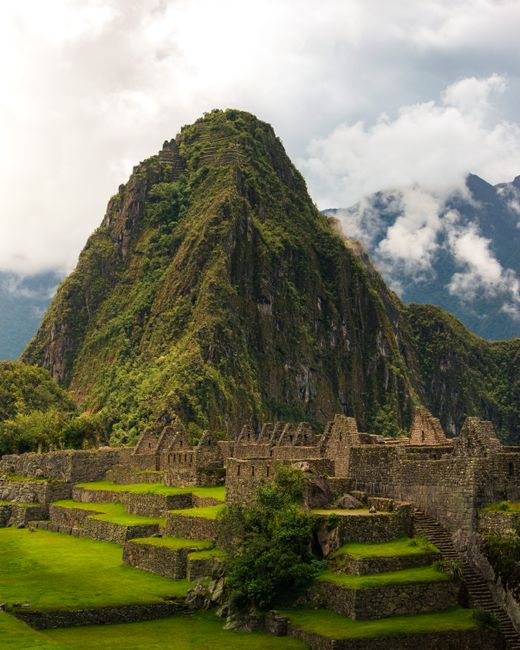
Peru: The Optimal Time to Experience Its Diverse Wonders
Peru, a land of ancient civilizations, breathtaking landscapes, and vibrant cultures, offers a compelling travel experience year-round. However, understanding the nuances of its diverse climate and peak seasons is crucial for crafting the perfect itinerary. The "best time to visit Peru" is not a single, universally defined period but rather a spectrum influenced by your desired activities, tolerance for crowds, and budget. This comprehensive guide will delve into the optimal visiting windows for different regions and experiences, ensuring you make informed decisions for an unforgettable Peruvian adventure.
The Dry Season: The Golden Window for Exploration (May to October)
Generally speaking, the period from May to October is widely considered the prime time to visit Peru, largely due to the prevailing dry season across most of the country. This period is characterized by sunny skies, lower humidity, and significantly less rainfall, making it ideal for exploring the iconic archaeological sites, trekking through the Andes, and enjoying outdoor activities.
The Andes Mountains and Machu Picchu: The Heart of the Dry Season Advantage
For travelers whose primary focus is the Sacred Valley, Cusco, and the awe-inspiring citadel of Machu Picchu, the dry season is almost unequivocally the best time. During these months, the skies over the Andes are typically clear, offering unobstructed views of the dramatic mountain scenery and the ancient Incan ruins. The Inca Trail, a world-renowned trek, is also at its most accessible and enjoyable during this period, with the dry conditions minimizing the risk of muddy trails and treacherous ascents.
- May: Marks the beginning of the dry season, with pleasant temperatures and fewer crowds than the peak months of June, July, and August. The landscape is lush from the recent rainy season, and the skies begin to clear.
- June, July, August: These are the peak months for tourism in the Andes. Expect the most reliable sunshine and the lowest chance of rain. However, these months also coincide with school holidays in many parts of the world, leading to larger crowds at popular attractions like Machu Picchu and higher prices for accommodation and flights. Daytime temperatures are mild to warm, but evenings and nights can be surprisingly cold, especially at higher altitudes. Pack layers!
- September, October: The tail end of the dry season offers a fantastic balance. The crowds begin to thin out after the summer holidays, and prices may start to decrease. The weather remains largely dry and sunny, though there’s a slightly increased chance of isolated showers as the season transitions towards the wet period. The autumnal colors in the Andes can also add a unique beauty to the landscape.
Coastal Peru: A Different Climate Equation
While the Andes bask in sunshine during the dry season, coastal Peru, particularly Lima and the surrounding desert regions, experiences a phenomenon known as "garúa" or "camanchaca." This is a persistent, heavy mist or fog that blankets the coast, creating overcast and often humid conditions from June to November.
- Lima and the Central Coast (June to November): This period is characterized by gray skies, cool temperatures (typically 15-20°C or 59-68°F), and high humidity. While not ideal for sunbathing or beach activities, this weather is perfect for exploring Lima’s rich history, museums, and culinary scene without the intense heat of summer. The garúa can actually enhance the atmospheric feel of the city. However, if your sole purpose is to enjoy pristine beaches and clear coastal views, this might not be your preferred time.
- The North Coast (e.g., Máncora, Trujillo) (December to April): In contrast to the central coast, the northern coast of Peru experiences a much warmer and sunnier climate during the South American summer and autumn months. This is the best time to visit for beach resorts, surfing, and water sports. Temperatures are hot, and rainfall is more common but often comes in short, intense bursts.
The Wet Season: A Quieter, Greener, and Potentially Budget-Friendly Option (November to April)
The wet season in Peru presents a different set of opportunities and challenges. While rain is more prevalent, it doesn’t necessarily mean constant downpours that will derail your travel plans. Understanding the regional variations within the wet season is key.
The Andes during the Wet Season (November to April)
- November, December: These months mark the transition into the wet season. Rainfall increases, particularly in the afternoons, but mornings are often still sunny and clear. This is a good time to visit if you prefer fewer crowds and don’t mind the possibility of occasional rain. The landscape becomes incredibly lush and green.
- January, February, March: These are the rainiest months in the highlands. While trekking on the Inca Trail is not recommended (and the trail is closed in February for maintenance), many other parts of the Andes are still accessible. Expect daily showers, often heavy, but usually not lasting all day. These showers can make certain trails muddy and potentially hazardous. However, the increased rainfall can lead to spectacular waterfalls and vibrant green scenery. The crowds are significantly smaller, and prices for accommodation and tours can be considerably lower, making it a budget-friendly option for those who are flexible with their plans.
- April: The end of the wet season. Rain decreases, and the landscapes remain beautifully green. It’s a good transitional month, offering a balance of fewer crowds and improving weather conditions before the dry season fully kicks in.
The Amazon Rainforest: A Year-Round Destination with Nuances
Peru’s Amazon basin offers a distinct climate pattern. It’s generally warm and humid year-round, with two main periods: the wet season and the slightly drier (though still humid) season.
- High Water Season (December to May): This is the wettest period, with higher rainfall. Rivers and tributaries are fuller, allowing boats to navigate deeper into the rainforest and reach more remote areas. This can lead to incredible wildlife viewing opportunities as animals come closer to the water’s edge. Jungle walks might involve navigating flooded trails, but many lodges offer canoe excursions through flooded forests.
- Low Water Season (June to November): This period sees less rainfall and lower river levels. This makes jungle trekking easier as trails are drier. It also exposes more riverbanks and sandbars, which can be excellent for spotting animals. Fishing is also more productive during this time.
The South Coast and Lake Titicaca: A Cooler Climate
The southern regions, including Arequipa and the high-altitude Lake Titicaca, have a more distinct temperature variation and can be cooler year-round, especially at night.
- Dry Season (April to October): Similar to the Andes, this is the best time for clear skies and comfortable daytime temperatures. However, nights at Lake Titicaca can be very cold, even dipping below freezing during the dry winter months.
- Wet Season (November to March): Expect more cloud cover and rainfall, particularly in the afternoons. Temperatures remain cooler than in the Amazon or on the northern coast.
Considering Your Priorities for the Best Time to Visit Peru
To truly pinpoint the "best time" for your Peruvian journey, consider these factors:
- Machu Picchu and Inca Trail: May to October. For fewer crowds and potentially better prices, aim for May, September, or October. For the quintessential experience with guaranteed clear skies, June to August is the peak.
- Andean Trekking (other than Inca Trail): May to October. Be aware of colder temperatures at night.
- Amazon Rainforest: Year-round, but consider high water (December-May) for deeper exploration and low water (June-November) for easier trekking.
- Coastal Beaches (North Coast): December to April for sun and warmth.
- City Exploration (Lima): Year-round, but the garúa (June-November) adds a unique atmosphere, while the warmer months (December-April) offer more sunshine.
- Budget Travel: The shoulder seasons (April, May, September, October) and the heart of the wet season (January, February) generally offer lower prices and fewer crowds.
- Avoiding Crowds: The shoulder months and the wet season are your best bet. Even during the dry season, visiting during weekdays and booking accommodations and tours in advance can help manage crowds.
Packing Essentials Based on the Time of Year
Regardless of when you visit, layering is key for Peru.
- Dry Season (May-October): Lightweight, breathable clothing for daytime. Warm fleece or down jacket, hat, gloves, and scarf for cool evenings and higher altitudes. Sunscreen, sunglasses, and a hat are essential due to intense sun. Waterproof jacket or poncho is still a good idea for unexpected showers, especially in the Andes.
- Wet Season (November-April): Quick-drying clothing. Waterproof and windproof jacket and pants are crucial. Waterproof hiking boots are highly recommended. Insect repellent is essential year-round, but especially in the Amazon and during the wet season.
Understanding Peru’s Climate Zones
Peru’s remarkably diverse geography results in distinct climate zones:
- Coast: Arid desert with mild temperatures and a persistent fog (garúa) from June to November.
- Andes: Temperate to cold climate with distinct wet and dry seasons. Altitude significantly impacts temperature.
- Amazon: Tropical rainforest with high temperatures and humidity year-round, experiencing wet and slightly less wet periods.
Final Considerations for Planning Your Trip
When planning your trip to Peru, flexibility is a valuable asset. While the dry season is often lauded as the "best," the wet season can offer a more authentic, less crowded, and more budget-friendly experience for those willing to embrace the possibility of rain. Research specific regions you intend to visit, consider the types of activities you want to engage in, and align these with the prevailing weather patterns and crowd levels. By understanding these nuances, you can confidently choose the optimal time to experience the magic of Peru.


