Guide to Vanuatu snorkel scuba dives into the vibrant underwater world of Vanuatu, offering a comprehensive guide to exploring its stunning coral reefs and diverse marine life. From planning your trip to mastering snorkeling and scuba techniques, this guide covers everything you need to know for an unforgettable underwater adventure. Learn about the best time to visit, the unique marine life, and essential safety precautions to ensure a safe and rewarding experience.
This detailed guide will equip you with the knowledge and practical tips to plan and execute a fantastic snorkeling and scuba diving trip to Vanuatu. We’ll explore the diverse diving and snorkeling spots, highlighting the unique features of each location. Whether you’re a seasoned diver or a complete beginner, this guide will help you make the most of your Vanuatu underwater adventure.
Introduction to Snorkeling and Scuba Diving in Vanuatu
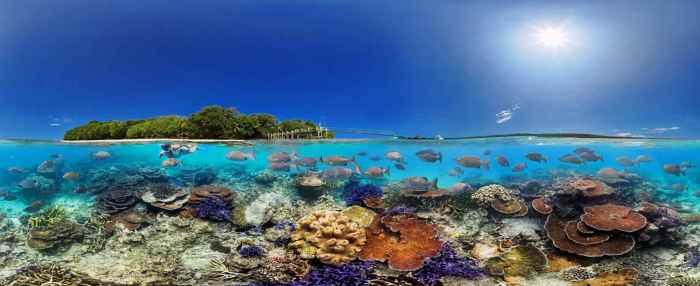
Vanuatu, a stunning archipelago in the South Pacific, boasts breathtaking coral reefs teeming with vibrant marine life. The crystal-clear waters and diverse marine ecosystems offer unparalleled opportunities for snorkeling and scuba diving experiences. From vibrant coral gardens to majestic pelagic fish, the underwater world of Vanuatu is a spectacle to behold. This guide will provide a comprehensive overview of the snorkeling and scuba diving scene, highlighting the differences between these activities and the best time to visit for optimal conditions.Vanuatu’s marine environment is a haven for divers and snorkelers alike, with a multitude of reefs and vibrant marine life.
Whether you’re a seasoned diver or a complete beginner, Vanuatu offers something for everyone. This guide will help you choose the perfect underwater adventure.
Vanuatu’s Underwater Beauty
Vanuatu’s reefs are a spectacular array of colors and shapes, providing a rich habitat for a diverse range of marine life. The reefs are often close to shore, making access easy for both snorkeling and diving. The visibility is generally excellent, allowing for clear views of the coral formations and the colorful fish that inhabit them. Different types of reefs exist, including fringing reefs that are directly attached to the shoreline, barrier reefs that are separated from the land by a lagoon, and atolls, which are ring-shaped reefs surrounding a central lagoon.
Snorkeling vs. Scuba Diving
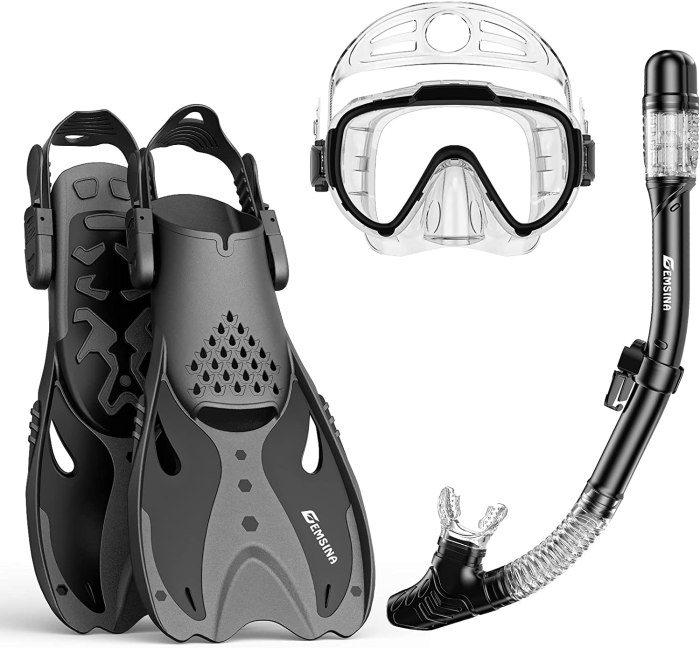
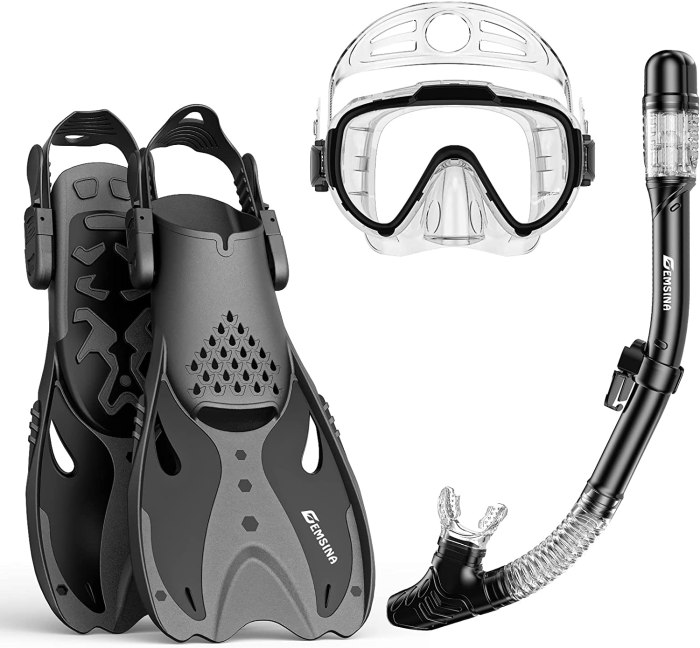
Snorkeling and scuba diving offer different levels of underwater exploration. Snorkeling involves swimming with a mask, snorkel, and fins, allowing for shallow water exploration. Scuba diving, on the other hand, allows for deeper exploration and longer stays underwater using scuba gear and compressed air. Snorkeling is more accessible for beginners, requiring less training and equipment. Scuba diving offers a deeper immersion into the underwater world and allows for more exploration of the reefs.
- Snorkeling Advantages: Easier to learn, more accessible for beginners, less expensive equipment, and better for shallow reef exploration.
- Snorkeling Disadvantages: Limited depth and time underwater, and restricted underwater visibility compared to scuba diving.
- Scuba Diving Advantages: Greater depth and duration underwater, more comprehensive exploration of reefs, and more intimate interaction with marine life.
- Scuba Diving Disadvantages: Requires training and certification, more expensive equipment, and potential for issues with buoyancy control if not properly trained.
Best Time to Visit
The best time to visit Vanuatu for snorkeling and scuba diving is during the dry season, typically between May and October. During this period, the weather is generally sunny and stable, with minimal rainfall. The water temperature is warm and comfortable, and visibility is excellent. These factors contribute to ideal conditions for underwater exploration.
Types of Reefs and Marine Life
Vanuatu’s waters are home to a wide variety of reefs and marine life. Fringing reefs are common along the coastlines, providing shelter for numerous fish species. Barrier reefs, often found further offshore, offer more expansive underwater landscapes. The diverse coral formations attract a variety of fish, invertebrates, and marine mammals. Commonly spotted marine life includes colorful reef fish, turtles, dolphins, and occasionally sharks.
Snorkeling and Scuba Diving Equipment and Costs, Guide to vanuatu snorkel scuba
| Item | Snorkeling | Scuba Diving |
|---|---|---|
| Mask | $10-$30 | $20-$50 |
| Snorkel | $10-$20 | N/A |
| Fins | $20-$40 | $40-$80 |
| BCD (Buoyancy Compensator Device) | N/A | $100-$300 |
| Regulator | N/A | $150-$400 |
| Wetsuit | Optional, $20-$50 | $50-$200 (depending on thickness) |
| Total Estimated Cost | $50-$120 | $400-$1000+ (depending on gear rental) |
Note: Prices are estimates and may vary depending on the specific location and retailer. Rental options are available for scuba diving equipment.
Planning Your Trip
Vanuatu, a breathtaking archipelago in the South Pacific, beckons snorkelers and scuba divers with its vibrant coral reefs and diverse marine life. Planning a trip requires careful consideration of various factors, from choosing the right time of year to budgeting for activities. This section provides a step-by-step guide to ensure your Vanuatu adventure is well-organized and unforgettable.Thorough planning is crucial for a successful trip.
This includes researching dive sites, budgeting for accommodation and activities, and ensuring you have the necessary gear and certifications. The following sections will Artikel the key steps in planning your snorkeling/scuba diving journey to Vanuatu.
Step-by-Step Trip Planning
Planning your trip involves several key steps. First, research the best time to visit, considering weather patterns and potential impacts on visibility. Next, choose your accommodation and dive/snorkel sites. Then, book flights and accommodation in advance, especially during peak season. Finally, organize necessary travel documents and equipment.
Essential Items
Packing for a snorkeling/scuba diving trip requires careful consideration of the specific items needed for both activities. This includes not only your diving equipment but also appropriate clothing and personal essentials.
- Snorkeling Gear: Mask, snorkel, fins, and a comfortable rash guard or wetsuit are essential for snorkeling. Consider bringing a waterproof backpack or dry bag to keep your gear safe and dry.
- Scuba Diving Gear: If diving, you’ll need a BCD (buoyancy control device), regulator, dive computer, and weight belt, in addition to the snorkeling gear. Ensure you have the necessary certifications and training before diving in unfamiliar waters. Also, consider bringing a dive knife, dive lights, and a first-aid kit.
- Clothing: Pack light, quick-drying clothing, including swimwear, rash guards, and t-shirts. A light jacket or sweater is useful for cooler evenings. Don’t forget comfortable walking shoes, especially if exploring the islands.
- Personal Items: Bring sunscreen, sunglasses, a hat, insect repellent, and a small first-aid kit with any personal medications. A reusable water bottle is a great way to stay hydrated throughout your trip.
- Documents: Ensure you have your passport, visa (if required), flight tickets, and any necessary insurance documents. Make copies of important documents and leave them in a separate place from the originals.
Accommodation Options
Vanuatu offers a range of accommodation options to suit various budgets. From luxury resorts to budget-friendly guesthouses, you’ll find a suitable place to stay.
- Luxury Resorts: These resorts often offer private villas, luxurious amenities, and exceptional service, along with access to excellent diving and snorkeling facilities.
- Boutique Hotels: These smaller hotels provide a comfortable and personalized experience, often located in picturesque settings with stunning views. They typically provide access to local activities and experiences.
- Guesthouses: Guesthouses offer a more budget-friendly option, often located in the heart of local communities. Expect a more intimate experience with opportunities to interact with locals and experience authentic island life.
Dive and Snorkel Sites
Vanuatu boasts numerous dive and snorkel sites, each with its own unique charm.
- Erakor Lagoon: This lagoon is renowned for its vibrant coral reefs and abundance of marine life, making it a popular spot for both snorkelers and divers. Its calm waters make it suitable for beginners.
- Champagne Reef: Known for its spectacular underwater formations and abundance of colorful fish, Champagne Reef is a must-see for scuba divers and experienced snorkelers. Its unique name comes from the effervescent bubbles.
- Blue Lagoon: This stunning lagoon offers crystal-clear waters, perfect for snorkeling and swimming. The calm environment allows for close encounters with marine life.
Certifications and Regulations
Vanuatu has specific requirements for snorkeling and scuba diving activities.
- Certifications: While not always mandatory, having a recognized PADI or SSI certification is beneficial for scuba diving. Snorkeling doesn’t typically require a specific certification.
- Regulations: Adhere to local regulations regarding dive sites, responsible snorkeling practices, and the protection of marine life. Respect the environment and follow the guidance of local dive operators.
Cost Breakdown
| Category | Estimated Cost (USD) |
|---|---|
| Flights | $500-$1500 |
| Accommodation (7 days) | $200-$1000 |
| Dive/Snorkel Trips | $100-$500 |
| Food & Drinks | $200-$500 |
| Activities (Excursions) | $100-$300 |
| Total Estimated Cost | $1200-$3400 |
Note: Prices are estimates and can vary depending on the time of year, chosen accommodation, and activities.
Practical Guide for Snorkeling
Vanuatu’s vibrant coral reefs and crystal-clear waters beckon snorkelers to explore their underwater wonders. This guide will equip you with the knowledge and techniques to make the most of your snorkeling experience, ensuring a safe and respectful interaction with the marine environment. From mastering basic techniques to understanding the unique characteristics of various snorkeling locations, this comprehensive guide is your passport to unforgettable underwater adventures.This practical guide dives deep into snorkeling techniques, emphasizing the importance of environmental responsibility and safe practices.
It details how to select appropriate gear, navigate the underwater world, and respect the delicate balance of marine ecosystems. Understanding these aspects is crucial for a positive and enriching snorkeling experience.
Snorkeling Techniques
Mastering basic snorkeling techniques is essential for a safe and enjoyable experience. Proper breathing, finning, and navigation are critical to maximizing your underwater exploration.
- Breathing: Proper breathing technique involves a relaxed posture, slow, deep breaths, and the use of a well-fitting mask. Inhale through your nose and exhale through your mouth, maintaining a steady rhythm. Ensure the mask fits snugly without causing pressure or leaks. This allows for a comfortable and continuous underwater experience.
- Finning: Efficient finning is key to moving through the water with minimal effort. Use a consistent, rhythmic motion, keeping your legs straight and avoiding excessive kicking. Ensure you maintain balance and control. Improper finning can be strenuous and tiring.
- Navigation: Using visual cues, like landmarks on the surface or underwater features, will aid in navigation. Maintain awareness of your surroundings to avoid collisions with other snorkelers or marine life. Knowing your starting point and destination is crucial for a successful snorkel.
Respecting Marine Life and the Environment
Responsible snorkeling is paramount for preserving the delicate balance of marine ecosystems.
- Gentle Interactions: Avoid touching or disturbing coral reefs, marine animals, and other marine life. Observe them from a respectful distance, appreciating their natural behaviors.
- Waste Management: Properly dispose of all trash and avoid littering. Carry a small bag to collect any waste you generate during your trip. Leave no trace behind.
- No Feeding: Never feed marine animals. This can disrupt their natural feeding habits and may result in dependency on humans.
Selecting Snorkeling Gear
Choosing the right snorkeling gear is crucial for a comfortable and safe experience.
- Mask: A comfortable, well-fitting mask is essential. Consider the size and shape of your face when selecting a mask.
- Fins: Appropriate fin size and type should be considered based on your swimming style and the water conditions.
- Snorkel: A comfortable and leak-proof snorkel is vital. Ensure it fits comfortably in your mouth.
Safe Snorkeling Practices
Adhering to safe snorkeling practices can prevent accidents and ensure a positive experience.
- Buddy System: Snorkeling with a buddy is highly recommended, especially in unfamiliar waters. Ensure your buddy knows your location and plans.
- Current Awareness: Be aware of currents and avoid swimming against strong currents.
- Depth Awareness: Don’t exceed your comfort zone. Stay within the depth limit that you are accustomed to.
Snorkeling Locations and Expectations
Different locations offer diverse snorkeling experiences.
- Efate: Efate’s reefs are known for their vibrant coral and abundant marine life. Expect diverse fish species and potentially encounters with turtles.
- Malekula: Malekula’s reefs provide a more secluded and intimate snorkeling experience. Expect calmer waters and a chance to observe unique marine species.
- Tanna: Tanna’s reefs showcase a variety of marine life. Expect varied coral formations and encounters with diverse species.
Comparison of Snorkeling Gear
| Item | Mask | Fins | Snorkel |
|---|---|---|---|
| Brand A | Good fit, comfortable, minor leakage | Durable, good for average swimmers | Comfortable, minor air intake |
| Brand B | Excellent fit, no leakage | Lightweight, ideal for strong swimmers | Ergonomic, no air intake |
| Brand C | Average fit, occasional leakage | Average quality, suitable for beginners | Average comfort, moderate air intake |
Practical Guide for Scuba Diving
Embarking on a scuba diving adventure in Vanuatu requires more than just passion; it demands a deep understanding of techniques, safety protocols, and respect for the marine environment. This section provides a comprehensive guide to ensure a safe and enriching experience for all levels of divers.Scuba diving in Vanuatu’s vibrant coral reefs and crystal-clear waters offers unparalleled opportunities to explore the underwater world.
This guide will equip you with the knowledge and skills needed to navigate the underwater realm responsibly and confidently.
Scuba Diving Techniques
Mastering scuba diving techniques is crucial for a smooth and enjoyable experience. Proper buoyancy control, efficient breathing, and precise navigation are essential for both safety and appreciating the underwater environment.Buoyancy control is the ability to maintain a neutral position in the water, neither floating nor sinking. This is achieved by adjusting the amount of air in your buoyancy compensator (BCD).
Maintaining neutral buoyancy allows for effortless movement and exploration.Efficient breathing involves maintaining a steady and controlled airflow. Learning to breathe rhythmically and deeply is essential for prolonged dives and avoiding hyperventilation. Proper breathing techniques prevent fatigue and maintain awareness.Underwater navigation encompasses using visual cues, compass readings, and understanding currents to navigate effectively. Knowing how to follow planned routes and returning to your starting point is vital.
Respecting Marine Life and the Environment
Vanuatu’s marine ecosystems are incredibly delicate. Responsible scuba diving practices are essential to protect these fragile environments.Respecting marine life involves avoiding contact or harassment of any creatures. Never touch, chase, or feed marine life. Observe them from a distance, appreciating their natural behavior. Maintain a respectful distance, allowing them to continue their natural activities.Minimizing environmental impact is equally important.
Avoid touching coral reefs or any marine life. Refrain from dropping or discarding any items into the water. Properly dispose of waste, and ensure that you do not disturb the natural environment.
Planning a Vanuatu snorkel and scuba diving trip? I’ve got a fantastic guide coming up soon, packed with tips and tricks for exploring the underwater wonders. Speaking of adventures, the Duke and Duchess of Sussex’s recent official tour of Africa has inspired me to dive deeper into the amazing world of travel. My guide will have plenty of ideas to help you plan your next trip, whether it’s in the turquoise waters of Vanuatu or somewhere else entirely!
Selecting Scuba Diving Gear
Appropriate scuba diving gear and equipment are vital for safety and comfort. Choosing the right gear is paramount for an enjoyable experience.Choosing the correct scuba diving gear involves considering factors like your size, physical condition, and planned dive activities. Ensure the equipment is properly maintained and fits correctly. Consult with experienced dive shops for recommendations.A well-maintained BCD, regulator, and dive computer are critical.
Ensuring the equipment is in excellent working order is crucial.
Safe Scuba Diving Practices and Emergency Procedures
Safety is paramount in scuba diving. Adhering to safe practices and knowing emergency procedures are essential for a safe and enjoyable experience.Following the dive plan, maintaining a buddy system, and adhering to depth restrictions are critical for safety. Always dive within your limits, and never dive alone. Dive with a buddy and communicate with them frequently.Understanding emergency procedures, including recognizing signs of decompression sickness or other issues, is crucial.
Knowing how to use dive tables, and knowing when to ascend quickly, are important skills. Familiarize yourself with procedures for handling emergencies, such as equipment malfunctions or medical issues.
Scuba Diving Locations and Expectations
Vanuatu offers diverse scuba diving locations, each with unique characteristics and expectations.The underwater world in Vanuatu is rich with coral reefs, vibrant fish, and fascinating marine life. Different dive sites offer various marine life experiences.Expect to encounter diverse marine life and stunning coral formations in each location. Consider the experience level required for each dive site. Plan dives according to your skill level and the difficulty of the site.
Scuba Certification Levels and Requirements
| Certification Level | Requirements |
|---|---|
| Open Water Diver | Completion of a recognized training course, including theory and practical skills, and a certain number of dives. |
| Advanced Open Water Diver | Open Water certification and further training in specialized areas like deep diving, navigation, and night diving. |
| Rescue Diver | Open Water certification and specialized training in recognizing and responding to diving emergencies. |
Different certifications offer various skill levels and knowledge in scuba diving. Certification levels indicate the diver’s skill and understanding of diving techniques. Consider your experience and desired level of challenge when selecting a certification.
Safety and Environmental Considerations: Guide To Vanuatu Snorkel Scuba
Vanuatu’s breathtaking underwater world deserves our respect and careful consideration. Responsible snorkeling and scuba diving practices are crucial not only for your own safety but also for preserving the pristine coral reefs and marine life that make Vanuatu so special. Understanding the delicate balance of the ecosystem and taking proactive steps to minimize your impact will ensure these natural wonders remain vibrant for generations to come.
Safety Precautions for Snorkeling and Scuba Diving
Prioritizing safety is paramount. Proper training and certification are essential for both snorkeling and scuba diving. Understanding buoyancy control, recognizing potential hazards, and knowing basic emergency procedures are vital skills to acquire before entering the water. Always dive with a buddy and inform someone of your plans and expected return time. Ocean conditions can change rapidly, and being prepared can mitigate risks.
Planning a Vanuatu snorkel and scuba diving trip? I’ve got a fantastic guide coming soon! While you’re researching, checking out great deals on flights like JetBlue’s spring break deals to Miami, Tulum, or Orlando might be a good idea for your next adventure. Jetblue spring break deals miami tulum orlando can help you save money, allowing you to allocate more funds to the fantastic underwater experiences in Vanuatu.
I’m really excited to share my top tips for unforgettable diving and snorkeling in the stunning waters of Vanuatu!
Be aware of currents, visibility, and weather forecasts before heading out. Proper gear maintenance and ensuring equipment functionality before each dive or snorkel session are crucial safety measures. Always stay within your limits and avoid venturing into unfamiliar or dangerous areas.
Impact of Human Activities on Vanuatu’s Marine Ecosystems
Human activities, including overfishing, pollution, and destructive fishing practices, pose significant threats to Vanuatu’s marine ecosystems. The introduction of invasive species further disrupts the delicate balance of marine life. These actions can lead to the degradation of coral reefs, loss of biodiversity, and reduced fish populations. The accumulation of marine debris and plastic pollution poses long-term harm to the health of the marine environment.
It’s essential to recognize the interconnectedness of human actions and their environmental consequences.
Importance of Responsible Tourism in Protecting Marine Life and the Environment
Responsible tourism plays a crucial role in protecting Vanuatu’s marine life and environment. Visitors can actively contribute to conservation efforts by adhering to strict safety protocols and environmental guidelines. By making conscious choices about how we interact with the environment, we can minimize our impact and promote sustainable tourism practices. Responsible tourism fosters respect for the natural environment and promotes its preservation for future generations.
Tips for Minimizing Environmental Impact During Your Trip
Minimizing your environmental impact during your trip is a personal commitment. Refrain from touching or disturbing coral reefs and marine life. Avoid using sunscreen containing harmful chemicals that can harm coral reefs. Dispose of waste properly, and encourage others to do the same. Choose accommodations and tour operators that prioritize sustainability and environmental protection.
Support local communities and businesses that adhere to environmentally friendly practices.
Responsible Behavior Underwater and Ashore
Responsible behavior both underwater and ashore is vital. Avoid touching or disturbing marine life. Dispose of all waste responsibly, ensuring it doesn’t end up in the ocean. Be mindful of your surroundings and follow the instructions of local guides and authorities. Respect the cultural norms and traditions of the local communities.
Follow designated snorkeling and diving areas to minimize disturbance to the natural environment. Support local initiatives promoting sustainable practices.
Comparing Support for Local Conservation Efforts
| Method | Description | Impact |
|---|---|---|
| Supporting Local Conservation Organizations | Directly donating to or volunteering with organizations dedicated to marine conservation. | Provides crucial funding and manpower for conservation initiatives. |
| Choosing Eco-Friendly Tour Operators | Selecting tour operators committed to sustainable practices and minimizing environmental impact. | Encourages responsible tourism practices and supports local businesses committed to conservation. |
| Purchasing Locally Made Products | Buying goods produced by local artisans and businesses. | Supports local economies and empowers local communities, fostering economic sustainability. |
| Educating Yourself and Others | Learning about Vanuatu’s marine ecosystems and sharing your knowledge with others. | Raises awareness about the importance of conservation and promotes responsible behavior. |
Vanuatu Diving & Snorkeling Operators
Finding the right dive or snorkel operator in Vanuatu is crucial for a memorable experience. The sheer beauty of the underwater world demands a skilled and responsible guide to ensure safety and maximize your enjoyment. Reputable operators are well-versed in the local marine environment, equipped with the necessary safety gear, and passionate about preserving the delicate ecosystem.Choosing the right operator goes beyond just price; it’s about finding a balance between quality, experience, and commitment to sustainability.
Looking for a guide to Vanuatu’s snorkeling and scuba diving? Fantastic! While planning your underwater adventure, consider checking out the best beach towns in Texas for a taste of American coastal charm. best beach towns in texas offer a great contrast to the Pacific paradise. Ultimately, a guide to Vanuatu’s vibrant coral reefs and marine life is essential for a truly unforgettable snorkeling and scuba experience.
A good operator will not only take you to stunning locations but also educate you about the local marine life and the importance of responsible tourism. This section will help you navigate the options, identify key features, and make informed decisions about your diving and snorkeling adventures.
Reputable Dive Operators and Snorkel Tour Providers
Vanuatu boasts a range of dive and snorkel operators catering to diverse needs and budgets. Some highly-regarded providers include Dive Vanuatu, which is known for its comprehensive packages and emphasis on safety; Tanna Divers, focused on smaller groups and personalized experiences; and local operators such as those based in Port Vila, often offering more affordable options. Each operator offers distinct experiences and services.
Comparing Services, Packages, and Pricing
Dive and snorkel packages vary widely in price, depending on factors like duration, inclusions, and the level of experience. Some operators offer introductory packages for beginners, while others focus on advanced dives and specialized activities like night dives. It’s essential to compare the specific inclusions in each package. For example, some might include transportation, equipment, and a meal, while others might not.
A detailed breakdown of the services and pricing is essential.
Types of Diving/Snorkeling Packages
Different types of packages cater to varying needs and interests.
- Beginner Packages: These packages are ideal for first-time divers or snorkelers, providing a safe and guided introduction to the underwater world. They typically include basic equipment, instruction, and supervision. A beginner package might include a guided introduction to snorkeling, equipment rental, and a briefing on safety protocols.
- Experienced Diver Packages: These packages are designed for divers with more experience, allowing them to explore deeper reefs, discover more remote sites, and engage in more advanced activities. Experienced packages might include multiple dives per day, access to more challenging sites, or specialized equipment for specific types of dives.
- Snorkeling Tours: These tours focus on shallow-water exploration and are perfect for those who prefer a less intense activity. They typically include transportation to the snorkeling location, equipment rental, and a guide to point out marine life.
- Combination Packages: These packages combine snorkeling and diving, providing a comprehensive experience. They might offer a combination of introductory dives and guided snorkeling sessions. A good example would be a package combining a few introductory dives with several snorkeling trips, tailored for a specific group’s preferences.
Choosing a Dive or Snorkel Operator
When selecting a dive or snorkel operator, several key factors are critical. Firstly, ensure the operator has a proven track record of safety and experience. Secondly, consider the operator’s commitment to environmental responsibility, ensuring they follow sustainable practices. Thirdly, check the operator’s qualifications, certifications, and experience with the specific locations you’re interested in.
- Safety Record: Review the operator’s safety record and look for certifications or accreditations from recognized diving organizations.
- Equipment Maintenance: Ensure the equipment is well-maintained and regularly inspected. This is a crucial factor for safety.
- Environmental Responsibility: Look for operators committed to sustainable practices, such as responsible waste management and adherence to marine conservation guidelines.
- Reviews and Testimonials: Read online reviews and testimonials from other customers to gain insights into the operator’s service quality and experience.
Contact Information for Operators
The following table provides contact information for some reputable dive and snorkel operators in Vanuatu. Note that this list is not exhaustive and other operators may be available.
| Operator | Contact Information |
|---|---|
| Dive Vanuatu | (Example) Email: [email protected] |
| Tanna Divers | (Example) Phone: +678 1234567 |
| [Local Operator 1] | (Example) Website: www.localoperator1.com |
| [Local Operator 2] | (Example) Email: [email protected] |
Visual Exploration (Images and Illustrations)
Vanuatu’s underwater world is a vibrant spectacle, a kaleidoscope of colors and fascinating creatures. From the shimmering coral reefs to the playful fish darting through the water, the visual experience is unparalleled. This section dives deep into the beauty and diversity you can expect to encounter during your snorkeling or scuba diving adventures in Vanuatu.The sheer variety of marine life and vibrant coral formations make visual exploration a significant part of the Vanuatu diving experience.
The underwater scenery is a constant source of wonder and inspiration, offering a unique perspective on the delicate balance of marine ecosystems.
Coral Reefs
Vanuatu’s coral reefs are renowned for their spectacular biodiversity. These underwater gardens are formed by colonies of coral polyps, which secrete calcium carbonate to build their structures. The different types of coral reefs vary significantly in their appearance. Hard corals, characterized by their stony skeletons, create the framework of the reef, providing shelter and feeding grounds for countless marine organisms.
Soft corals, with their flexible, flowing textures, add a touch of elegance to the underwater landscape, often found in areas with slightly less strong currents. Reefs can vary in depth, with shallow reefs offering excellent visibility for snorkelers, and deeper reefs offering a more dramatic and challenging dive for experienced divers. The colors of the corals range from vibrant pinks and oranges to muted greens and browns, creating a truly mesmerizing visual spectacle.
Marine Life
Vanuatu’s waters teem with a remarkable array of fish and other marine creatures. Expect to encounter brightly colored angelfish, with their striking patterns and vibrant hues. Clownfish, or anemonefish, will often be seen residing within the protective embrace of anemones. Other notable fish species include parrotfish, known for their powerful beaks used for scraping algae from coral surfaces, and surgeonfish, identified by their distinctive blade-like scales.
You might also spot impressive reef sharks, gracefully gliding through the water. Various species of turtles, often encountered near reefs and shallower waters, are a delight to observe in their natural habitat. Octopuses, masters of camouflage, can be hard to spot amidst the coral, but their surprising intelligence and dexterity are a captivating sight. Beyond the fish, you might encounter various crustaceans, sea urchins, and even the occasional sea snake.
The visual diversity is truly astonishing.
Underwater Scenery
The underwater scenery in Vanuatu is characterized by its dramatic drop-offs, creating spectacular vertical walls and caves. You’ll see vast expanses of coral reefs, teeming with life, extending into the depths. Schools of fish create a mesmerizing dance of color and movement, against the backdrop of the submerged landscape. The light filtering through the water creates an ethereal quality, highlighting the intricate details of the corals and marine life.
The varying depths and the clarity of the water affect the visual impact of the scenery, with different colors and intensities visible at various depths. The underwater world in Vanuatu is a spectacle of natural beauty and a treasure trove of visual experiences.
Underwater Photography Tips
| Aspect | Snorkeling Tips | Scuba Diving Tips |
|---|---|---|
| Lighting | Choose times of day with soft, diffused light. | Utilize strobes for improved clarity at deeper depths. |
| Composition | Frame shots with the reef and fish in the foreground and background. | Experiment with different angles and perspectives. |
| Focus | Ensure your camera is properly focused on the subject. | Adjust your focus based on the distance of the subject. |
| Equipment | Use a waterproof case or housing to protect your camera. | Use a waterproof housing to protect your camera. |
| Backgrounds | Look for interesting backgrounds to add depth to your shots. | Take advantage of the scenery around you for compelling backgrounds. |
Closure
In conclusion, this guide to Vanuatu snorkel scuba diving provides a comprehensive resource for planning an unforgettable trip. From the initial planning stages to practical tips for both snorkeling and scuba diving, the guide covers all aspects of the experience. Remember to prioritize safety, respect the marine environment, and immerse yourself in the beauty of Vanuatu’s underwater world.
Enjoy your dive!