
Best Resorts In The South

The South’s Premier Resort Destinations: An In-Depth Guide
The American South, a region rich in history, culture, and natural beauty, offers an unparalleled array of resort experiences catering to every taste and desire. From the pristine beaches of the Outer Banks to the verdant mountains of Asheville and the charming antebellum towns dotting the coastline, these destinations provide a perfect blend of relaxation, adventure, and Southern hospitality. This guide delves into some of the best resorts in the South, highlighting their unique offerings, amenities, and what makes them stand out for discerning travelers seeking an unforgettable escape.
Coastal Charm and Emerald Waters: The Outer Banks, North Carolina
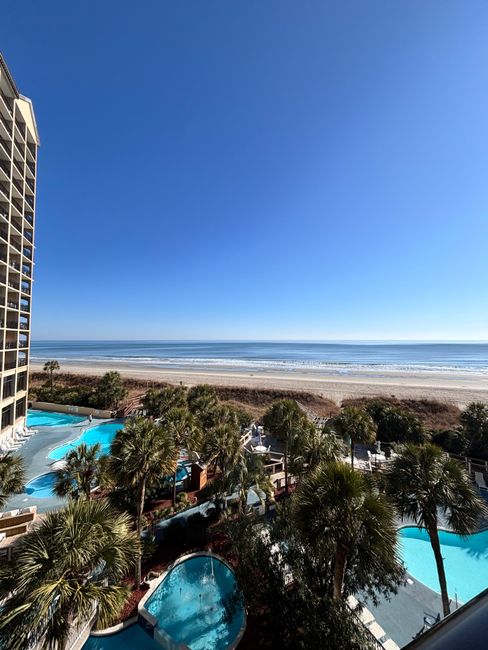
The Outer Banks, a string of barrier islands off the coast of North Carolina, is synonymous with dramatic dunes, wild horses, and a laid-back beach vibe. Resorts here embrace the coastal lifestyle, offering direct beach access, water sports, and family-friendly activities. The Outer Banks Beach Club epitomizes this spirit. Situated directly on the Atlantic Ocean, it provides spacious condo-style accommodations, many with full kitchens and private balconies offering breathtaking ocean views. Amenities include multiple outdoor pools, a kiddie pool, an indoor pool and hot tub for year-round enjoyment, a fitness center, and direct beach access via elevated boardwalks. For families, the resort offers planned activities, including arts and crafts, treasure hunts, and even visits from costumed characters. Dining options range from casual beachfront grills to upscale restaurants within easy driving distance. The proximity to historic sites like the Wright Brothers National Memorial, Kitty Hawk, and Roanoke Island adds a layer of cultural exploration to a beach vacation. The emphasis on outdoor recreation, from surfing and kayaking to fishing and parasailing, makes the Outer Banks Beach Club a prime choice for active families and couples. Its consistent recognition for excellent service and well-maintained facilities solidifies its position as a top Southern resort.
Further along the Outer Banks, Sanderling Resort in Duck, North Carolina, offers a more luxurious and refined coastal experience. This expansive property boasts a range of accommodations, from elegant hotel rooms and suites to private beach houses and villas. Sanderling is renowned for its tranquil atmosphere, upscale dining, and exceptional spa services. Guests can enjoy access to a private beach, multiple swimming pools (including an adults-only pool), and a state-of-the-art fitness center. The resort’s location in Duck Village provides easy access to charming boutiques, art galleries, and a picturesque soundside boardwalk. Sanderling’s commitment to personalized service is evident in its concierge team, which can arrange everything from private fishing charters to hot air balloon rides. The resort’s signature restaurant, "Life’s a Beach," offers an unparalleled fine-dining experience with fresh, local seafood and an extensive wine list. For those seeking a sophisticated and serene beach getaway, Sanderling Resort stands out. Its integration with the natural beauty of the Outer Banks, coupled with its luxurious amenities, creates a truly memorable stay. The resort’s dedication to environmental stewardship, evident in its sustainable practices, further enhances its appeal.
Mountain Serenity and Artistic Flair: Asheville, North Carolina
Nestled in the Blue Ridge Mountains, Asheville, North Carolina, is a vibrant hub of arts, culture, craft breweries, and outdoor adventure. Resorts in this region capitalize on the stunning mountain scenery and the city’s eclectic spirit. The Omni Grove Park Inn is an iconic Asheville institution, a historic Grand Bohemian hotel that has welcomed guests for over a century. Its red-roofed silhouette is a familiar landmark against the backdrop of the Blue Ridge Mountains. The resort offers a range of accommodations, from classic rooms with mountain views to luxurious suites. The true star of the Omni Grove Park Inn is its award-winning Spa, a subterranean sanctuary featuring mineral pools, grottoes, and a wide array of therapeutic treatments. Beyond the spa, guests can enjoy championship golf, tennis, an expansive indoor pool, and numerous dining options, including the famed Blue Ridge Dining Room, known for its farm-to-table cuisine. The resort also boasts an impressive collection of arts and crafts furniture and artifacts, reflecting Asheville’s artistic heritage. Its proximity to the Blue Ridge Parkway, Biltmore Estate, and downtown Asheville’s vibrant arts district makes it an ideal base for exploring all that the region has to offer. The Omni Grove Park Inn provides a blend of historic grandeur, modern luxury, and unparalleled natural beauty, making it a perennial favorite. Its commitment to preserving its historical integrity while offering contemporary amenities is a testament to its enduring appeal.
For a more boutique and intimate mountain escape, The Inn on Biltmore Estate offers an unparalleled lodging experience within the grounds of the historic Biltmore Estate. This Relais & Châteaux property provides a luxurious and secluded retreat, allowing guests to immerse themselves in the grandeur of America’s largest private home. Accommodations range from elegant guest rooms to lavish suites, all adorned with fine furnishings and offering stunning views of the estate’s gardens and surrounding mountains. Guests at The Inn have exclusive access to the estate’s extensive grounds, including gardens, walking trails, and Winery. Dining at The Inn is an experience in itself, with multiple award-winning restaurants offering exquisite cuisine and impeccable service. The resort also features a state-of-the-art fitness center and a tranquil spa, providing opportunities for both recreation and relaxation. The Inn on Biltmore Estate offers a unique opportunity to step back in time while enjoying the finest in modern luxury, creating an unforgettable experience for those seeking romance, history, and natural beauty. Its commitment to providing an exclusive and personalized guest experience sets it apart.
Gullah Culture and Island Paradise: Hilton Head Island, South Carolina
Hilton Head Island, South Carolina, is a sophisticated resort destination known for its pristine beaches, world-class golf courses, and the preservation of its unique Gullah heritage. Resorts on Hilton Head offer a refined island experience with a strong emphasis on outdoor activities and family-friendly amenities. The Sea Pines Resort is one of the most comprehensive and well-known resorts on the island. It encompasses a vast area with a variety of accommodations, from luxury villas and condos to charming cottages and private homes. The resort boasts three championship golf courses, including the famed Harbour Town Golf Links, host of the RBC Heritage PGA Tour event. Beyond golf, Sea Pines offers over 17 miles of dedicated bike paths, perfect for exploring the island’s natural beauty. Recreational amenities include a tennis center, a marina, water sports rentals, and multiple swimming pools. The resort’s commitment to preserving its natural environment is evident in its extensive nature preserves and wildlife viewing areas. For families, the resort offers a dedicated children’s program, "Camp Sea Pines," and numerous family-friendly activities. Dining options range from casual beachside cafes to upscale restaurants at the marina. Sea Pines Resort provides a complete island vacation experience, catering to those who appreciate outdoor recreation, natural beauty, and a touch of Southern charm. Its diverse range of activities and accommodations ensures a memorable stay for every type of traveler.
Another standout on Hilton Head Island is Palmetto Dunes Oceanfront Resort. This expansive resort offers a diverse selection of accommodations, including oceanfront condos, private homes, and golf villas, all set amidst lush lagoons and championship golf courses. Palmetto Dunes is celebrated for its three miles of pristine beach, providing ample opportunities for swimming, sunbathing, and water sports. The resort’s 11-mile network of paved bike paths allows for leisurely exploration of the island’s scenic beauty. Golf enthusiasts will delight in the resort’s three 18-hole championship golf courses, designed by legendary architects. The Palmetto Dunes Tennis Center is also a major draw, boasting 25 courts and professional instruction. Water sports abound, with kayaking, paddleboarding, and fishing readily available through the resort’s rental services. The resort features multiple community pools, and many accommodations offer private pools. Dining options are plentiful, from casual beachfront eateries to sophisticated restaurants at Shelter Cove Harbour & Marina. Palmetto Dunes Oceanfront Resort appeals to a wide range of visitors, offering a perfect blend of relaxation, recreation, and natural beauty in a well-managed and accessible environment. Its emphasis on self-catering accommodations also makes it a popular choice for families seeking value and flexibility.
Antebellum Elegance and Southern Hospitality: Savannah, Georgia
Savannah, Georgia, with its moss-draped oaks, historic squares, and antebellum architecture, is a city steeped in Southern charm and history. Resorts in Savannah offer a chance to experience this unique atmosphere with a touch of luxury and relaxation. The Bohemian Hotel Savannah Riverfront embodies the city’s artistic and historical spirit. Located directly on the Savannah River, this Autograph Collection hotel offers stylish accommodations with stunning waterfront views. Its prime location in the heart of the historic district provides easy walking access to River Street, City Market, and many of Savannah’s iconic squares and museums. The hotel features a rooftop bar, "Top Deck Bar," offering panoramic views of the river and the city, making it a popular spot for evening cocktails. Dining at the hotel’s restaurant, "Rocks on the River," focuses on modern American cuisine with a Southern influence. Amenities include a fitness center and a boutique gift shop. The Bohemian Hotel excels in providing a sophisticated and vibrant experience, blending modern design with Savannah’s timeless elegance. Its focus on unique art installations and local cultural integration makes it a standout choice for travelers seeking an authentic and stylish Savannah stay.
For those seeking a more traditional and luxurious experience within Savannah’s historic core, The Gastonian offers a distinguished bed and breakfast experience within two meticulously restored Victorian mansions. This Relais & Châteaux property provides an intimate and romantic escape, with elegantly appointed rooms and suites featuring antique furnishings, fireplaces, and private baths. Guests are treated to a gourmet breakfast each morning, often featuring local Southern specialties, and evening hors d’oeuvres and wine. The Gastonian’s quiet residential location in the heart of the historic district allows for peaceful strolls through the surrounding squares and easy access to Savannah’s renowned restaurants and shops. The attentive and personalized service provided by the innkeepers ensures a truly memorable and pampered stay. While not a full-service resort in the traditional sense, The Gastonian offers an unparalleled immersion into Savannah’s antebellum charm and a level of refined hospitality that makes it a premier destination for discerning travelers seeking an authentic and luxurious Southern experience. Its commitment to historical preservation and intimate guest service creates a uniquely enchanting atmosphere.
Gulf Coast Bliss and Southern Charm: Destin, Florida
Destin, Florida, on the Emerald Coast, is renowned for its sugar-white sand beaches and emerald-green waters. Resorts in Destin cater to families and couples seeking a quintessential beach vacation with plenty of recreational opportunities. Sandestin Golf and Beach Resort is a premier destination offering a vast array of accommodations, from charming studios to luxurious multi-bedroom villas and homes, spread across 2,400 acres. This comprehensive resort boasts four championship golf courses, a 123-slip marina, a world-class tennis center, and 19 swimming pools. Direct beach access is a highlight, with miles of pristine coastline for sunbathing and water activities. Sandestin offers a vibrant town center, The Village of Baytowne Wharf, featuring an eclectic mix of shops, restaurants, and family entertainment, including a carousel, zip line, and seasonal events. The resort provides a shuttle service to navigate its expansive grounds, ensuring easy access to all amenities. With a strong emphasis on family-friendly activities and a wide range of dining options, Sandestin Golf and Beach Resort is an ideal choice for those seeking an all-encompassing beach vacation experience with abundant recreational pursuits. Its integrated approach to resort living, offering everything from lodging to entertainment and dining in one location, makes it a convenient and popular choice.
Another exceptional option in Destin is Henderson Beach Resort, a luxurious oceanfront property that offers a more sophisticated and upscale beach experience. This relatively new resort boasts elegantly appointed rooms and suites, many with private balconies overlooking the Gulf of Mexico. Henderson Beach Resort features multiple swimming pools, including an adults-only pool, a state-of-the-art fitness center, and direct access to the soft sands of Destin. The resort’s signature restaurant, "Sea Level," offers exquisite coastal cuisine with breathtaking ocean views. For families, the resort provides a dedicated kids’ club and a variety of planned activities. The resort’s proximity to Destin’s vibrant dining and shopping scene, as well as its own tranquil atmosphere, makes it a perfect choice for those seeking both relaxation and access to local attractions. Henderson Beach Resort distinguishes itself with its impeccable service, luxurious amenities, and prime beachfront location, offering a refined escape on the beautiful Emerald Coast. Its commitment to providing a high-end, personalized experience sets it apart from more sprawling resorts.
The South continues to offer a diverse and compelling range of resort destinations, each providing a unique gateway to the region’s rich tapestry of experiences. From the sun-drenched beaches and serene mountains to the historic charm and vibrant cultural centers, these resorts promise an unforgettable Southern sojourn.


