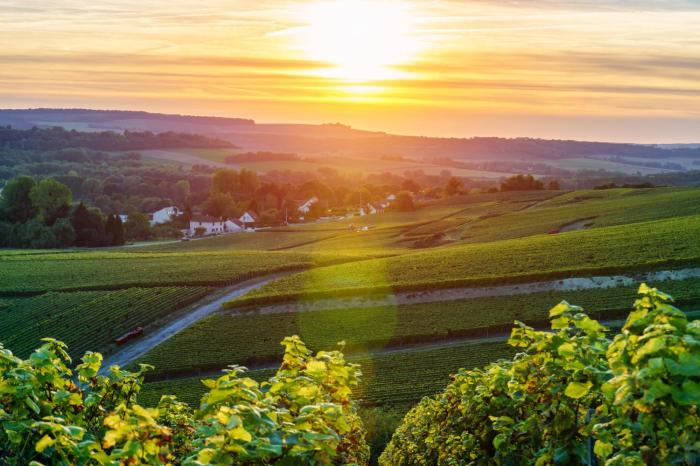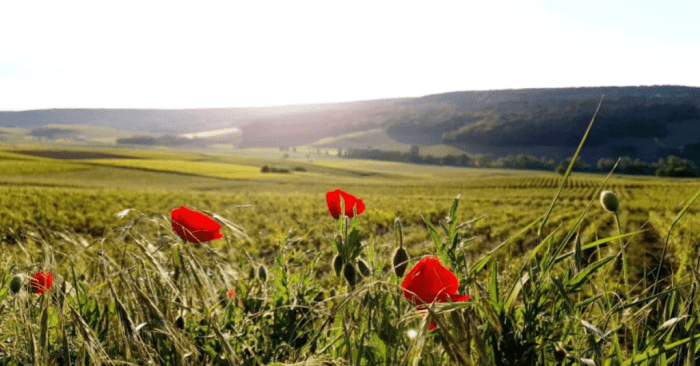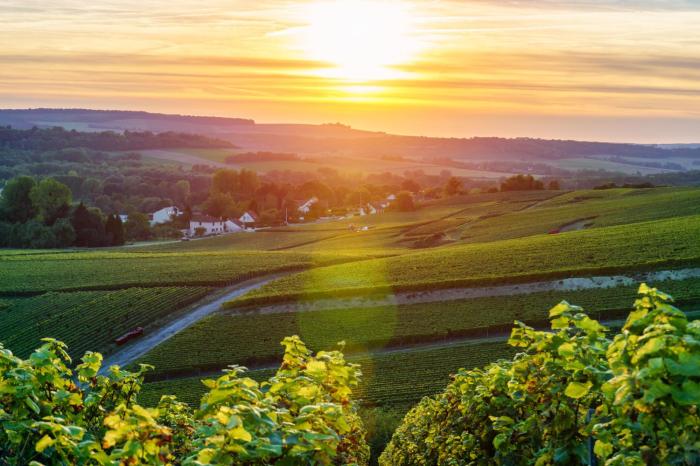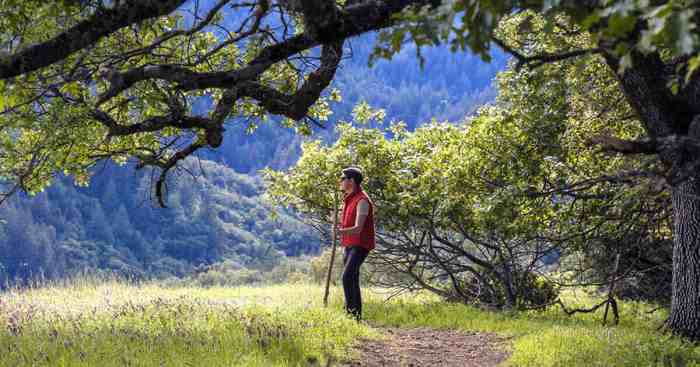
Guide to visiting Sonoma California: Embark on a captivating journey through the heart of California’s wine country. From the rolling hills and charming towns to the exquisite wines and delectable cuisine, Sonoma County offers a unique experience for every traveler. This comprehensive guide will unravel the secrets to planning your unforgettable Sonoma adventure, covering everything from wine tasting experiences to charming accommodations and activities beyond the vineyards.
Discover the best time to visit, compare wine tasting options, and uncover hidden gems beyond the vines. Explore diverse accommodation choices, from cozy bed and breakfasts to luxurious hotels. Uncover the culinary delights and hidden trails, and discover how to navigate the region efficiently. This guide will empower you to create a personalized itinerary tailored to your preferences and ensure you maximize your time in this stunning destination.
Introduction to Sonoma
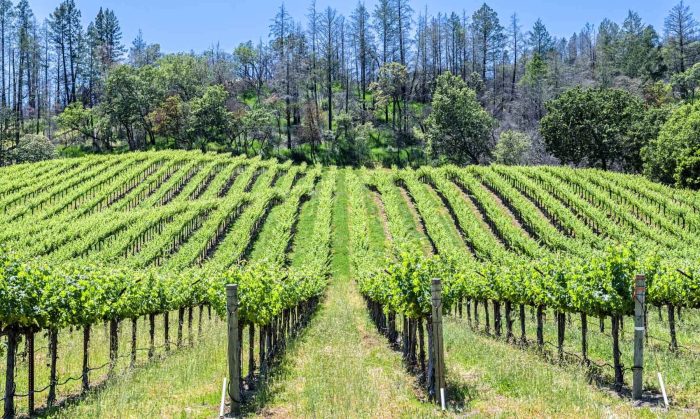
Sonoma County, nestled in Northern California’s wine country, boasts a unique blend of natural beauty, charming towns, and world-renowned wineries. From rolling hills draped in vineyards to picturesque redwood forests, the county offers a diverse range of experiences for visitors. The region’s rich history intertwines with its modern appeal, making it a destination for those seeking adventure, relaxation, and cultural immersion.Sonoma County is not just one monolithic experience.
It’s comprised of distinct areas, each with its own character. Whether you’re drawn to the bustling wineries of the valley floor or the serene landscapes of the mountains, Sonoma County has something to offer every type of traveler. Understanding the different areas helps visitors plan a trip that aligns with their interests and preferences. The diversity of the county makes it an attractive destination for a variety of activities, from wine tasting to outdoor recreation.
Key Areas of Sonoma County
Sonoma County is geographically diverse, with different areas showcasing various characteristics. The region’s topography, from the valley floor to the hillsides, contributes to the distinct nature of each area.
- Sonoma Valley: Known for its picturesque vineyards, Sonoma Valley is the heart of Sonoma’s wine country. The valley floor is where many of the region’s most prestigious wineries are located, offering visitors a rich experience of wine tasting and gourmet dining. The region’s unique terroir creates a wide range of wine styles, reflecting the varied soil and microclimates.
The proximity of charming towns such as Sonoma adds to the area’s allure, offering a perfect blend of nature and urban charm.
- Healdsburg: This charming town serves as a hub for both wine tasting and local experiences. It’s known for its eclectic shops, restaurants, and art galleries. The town’s relaxed atmosphere complements the nearby wineries, offering visitors a more sophisticated experience, blending fine dining with exploration.
- Russian River Valley: This area is famed for its cool-climate vineyards, producing some of California’s most sought-after Pinot Noir and Chardonnay. The region’s rolling hills, vineyards, and charming wineries create a tranquil escape. The intimate atmosphere of smaller wineries in this valley contributes to a unique experience, allowing visitors to engage with winemakers on a more personal level.
- Dry Creek Valley: Located just south of Sonoma Valley, Dry Creek Valley boasts a vibrant wine scene with a diverse range of wineries and experiences. The valley’s distinctive terroir contributes to the production of a diverse range of wines, with something to appeal to every palate.
Historical Context
Sonoma County’s history is deeply intertwined with the region’s natural beauty and agricultural potential. The area was originally inhabited by Native American tribes, who had a profound connection to the land. The arrival of European settlers marked a significant shift, leading to the establishment of vineyards and the development of the region into a renowned wine-producing area. The county’s evolution from a rural agricultural region to a world-class tourist destination is a testament to its resilience and adaptability.
The county’s historical significance is reflected in its preserved architecture and cultural attractions.
Best Time to Visit
The best time to visit Sonoma County is during the shoulder seasons, spring (April-May) and fall (September-October). These months offer pleasant temperatures, fewer crowds compared to peak summer, and the beauty of the changing seasons. Spring showcases the vineyards coming alive with new growth, while fall displays the rich colors of the harvest season. The cooler temperatures and clear skies during these periods make outdoor activities, such as hiking and exploring wineries, particularly enjoyable.
Wine Tasting Experiences
Sonoma’s allure extends far beyond its rolling hills and picturesque vineyards. The heart of the experience lies in the diverse wine tasting opportunities, each offering a unique perspective on the region’s celebrated wines. From intimate family-owned wineries to grand commercial estates, there’s a tasting adventure to suit every palate and budget.Exploring the different tasting experiences is key to fully appreciating the breadth of Sonoma’s wine scene.
This section will delve into the various types of experiences, highlighting the key differences and providing tips for choosing the perfect tasting for your needs.
Comparing Wine Tasting Experiences
Different wine tasting experiences cater to various preferences. This comparison table illustrates the distinctions between small family-owned wineries, large commercial wineries, tasting rooms, and vineyard tours.
| Type of Experience | Price Range | Atmosphere | Type of Wine Offered |
|---|---|---|---|
| Small Family-Owned Wineries | Generally moderate, often lower than large wineries | Intimate and personal, often featuring a more rustic charm | Typically focused on showcasing the winery’s signature varietals and unique blends. |
| Large Commercial Wineries | Often higher price range, potentially including food pairings and premium wines | More formal and structured, offering a grander setting | Usually a broader selection, often including a wide range of varietals and popular wines |
| Tasting Rooms | Usually more affordable options | Casual and accessible, designed for easy interaction with wines | Often feature a tasting menu focused on specific wines |
| Vineyard Tours | May vary based on inclusions; could be more expensive if it includes a meal | Offers a more immersive experience, including the history and process of winemaking | Often showcase the winery’s portfolio of wines and emphasize the winemaking process |
Unique Wine Tasting Experiences
Sonoma offers a wealth of unique experiences beyond the standard wine tasting. These experiences often elevate the experience, adding educational components, gourmet food pairings, or live music to enhance the tasting.
- Educational Components: Some wineries incorporate educational elements into their tastings, providing insights into winemaking, grape varietals, and the history of the region. This allows visitors to deepen their understanding of the wines and their origins. For example, a winery might offer a guided tour explaining their sustainable farming practices, or provide information on the specific terroir of their vineyard.
- Food Pairings: Several wineries offer pairings of their wines with delectable local cuisine. These pairings enhance the tasting experience, allowing guests to explore the interplay between flavor profiles. For instance, a winery might offer a cheese and charcuterie board alongside their Chardonnay.
- Live Music: Some wineries host live music events during tasting hours, creating a lively and enjoyable atmosphere. This enhances the overall experience for guests. For instance, a winery might feature a local jazz band on a Friday evening to accompany their wine tasting sessions.
Booking Wine Tasting Appointments
Booking a wine tasting appointment in advance is highly recommended, particularly during peak seasons. This ensures availability and allows wineries to tailor the experience to your preferences.
- Online Platforms: Many wineries utilize online platforms such as their website or third-party booking sites to facilitate reservations. These platforms allow for convenient scheduling and provide detailed information about the tasting experience.
- Direct Contact: For inquiries or to confirm availability, contacting the winery directly through phone or email can be equally effective. This allows for direct communication and potentially better customization of the experience.
Wine Tasting Etiquette
Following a few simple guidelines enhances the wine tasting experience for everyone. Respect for the winery’s staff and other guests is essential.
- Arrive on time for your scheduled appointment, or if possible, a few minutes early to minimize any delays for other guests.
- Refrain from bringing outside food and beverages unless specifically permitted. Most wineries encourage guests to savor the food and beverages offered by the winery.
- Taste each wine thoughtfully, and feel free to ask questions about the wine or the winery’s process. This shows respect for the wine and the experience itself.
Accommodation Options
Sonoma County offers a wide array of lodging options, catering to every taste and budget. From cozy bed and breakfasts to luxurious hotels and spacious vacation rentals, finding the perfect place to stay is key to a memorable experience. Whether you’re seeking a romantic getaway, a family adventure, or a solo exploration, Sonoma has accommodations designed to fulfill your needs.
This section details the different options available, highlighting their strengths and weaknesses.Choosing the right accommodation is critical for maximizing your Sonoma experience. Consider factors like your budget, desired activities, and the overall vibe you’re hoping to embrace. Whether you crave a quiet escape in a charming B&B or a more spacious, self-catering vacation rental, the right lodging can elevate your entire trip.
Comparing Accommodation Types
Different accommodation options offer varying levels of amenities, price points, and proximity to attractions. This table provides a quick comparison:
| Accommodation Type | Price Range | Amenities | Proximity to Attractions |
|---|---|---|---|
| Hotels | Mid-range to Luxury | Typically include amenities like pools, restaurants, gyms, and meeting rooms. | Often located in central areas, offering easy access to shops, restaurants, and wineries. |
| Bed and Breakfasts (B&Bs) | Mid-range | Usually feature unique charm, breakfast included, and personalized service. | Often situated in historic areas, providing a picturesque backdrop to your visit. Some are more central, while others are nestled in quieter locations, further from the heart of the action. |
| Vacation Rentals | Mid-range to Luxury | Offer more space and kitchen facilities, allowing for greater flexibility and self-catering options. | Vary widely in location; some are in central areas, while others are more secluded, providing more privacy and a sense of community, depending on the type of rental. |
Recommended Accommodations
Finding the right accommodation is crucial for a pleasant stay. Here are some recommendations based on different needs:
- Families: Consider larger vacation rentals with multiple bedrooms and living spaces. Look for properties with amenities like swimming pools, playgrounds, or game rooms, especially if you have children who want to be entertained and active.
- Couples: A charming bed and breakfast, a romantic inn, or a secluded vacation rental with a hot tub or fireplace are excellent choices. The intimate atmosphere and personalized service of a B&B can enhance a romantic experience. Look for places with outdoor seating areas, perfect for enjoying the beautiful Sonoma scenery.
- Solo Travelers: Hotels in central locations are practical and offer easy access to various activities. Boutique hotels or charming inns with a welcoming atmosphere can be ideal for solo travelers who want to meet other people or enjoy a peaceful retreat.
The Charm of a Historic Bed and Breakfast
Staying in a historic bed and breakfast offers a unique and immersive experience. These accommodations often boast beautifully restored architecture, preserving the history and character of the region. Guests often enjoy personalized service, including home-cooked breakfasts, and the opportunity to learn about the area’s rich past. A historic B&B provides a chance to connect with the local culture and experience the region’s history in a tangible way.
For example, a B&B might have stories to tell about the original owners or prominent figures who stayed there.
Factors to Consider
Several factors should guide your accommodation selection:
- Budget: Sonoma County offers a diverse range of price points, from budget-friendly options to luxurious accommodations. Determine your budget and then explore options that fit within your financial constraints. For instance, a vacation rental may have a higher initial cost, but it may offer greater value in terms of space and flexibility for the whole family compared to a more expensive hotel.
Planning a trip to Sonoma, California? It’s a beautiful wine region, but finding affordable ways to explore beyond the vineyards can be tricky. Luckily, there’s a great app that can help you plan your Italian adventures on a budget, too – check out the italy cheap itinerary app. Once you’ve got that sorted, you can focus on finding the best Sonoma experiences, from tasting local wines to hiking through scenic trails.
The planning for your Sonoma trip just got a whole lot easier!
- Desired Activities: Consider the activities you plan to engage in during your trip. If you plan to visit many wineries, choose a location that offers easy access to vineyards. If you are interested in outdoor activities, a property near a hiking trail or a scenic viewpoint would be ideal.
- Preferred Location: The location of your accommodation significantly impacts your experience. Consider the proximity to attractions, such as wineries, restaurants, and shops. Think about whether you prefer a bustling city center or a more serene, rural setting. A property located in a charming village will provide a unique and picturesque environment.
Activities Beyond Wine Tasting
Sonoma County offers much more than just world-class wineries. Embrace the beauty of the region with a diverse range of activities, from scenic hikes to charming town explorations. Discover hidden gems and create lasting memories beyond the grapevines.Beyond the renowned wine tasting experiences, Sonoma County boasts a plethora of outdoor adventures and cultural attractions. Exploring the region’s natural beauty, charming towns, and local events can enrich your visit and provide a well-rounded experience.
Hiking Trails
Sonoma County’s diverse landscapes provide excellent opportunities for hiking. From gentle strolls to challenging climbs, there’s a trail for every fitness level. Finding the right trail for your abilities and interests is key to a successful hiking adventure.
Planning a trip to Sonoma? It’s beautiful year-round, but if you’re looking for the perfect weather to explore the wineries and charming towns, you might want to consider the best time to visit Colorado first. Knowing the ideal time for Colorado’s stunning landscapes and outdoor adventures will help you tailor your Sonoma trip accordingly, whether you want to escape the crowds or embrace the vibrant autumn colors.
Ultimately, a guide to visiting Sonoma California will help you discover the best time to enjoy the region’s unique charm. best time to visit colorado
- The Russian River Valley Trail: This relatively easy trail follows the scenic Russian River, offering picturesque views and a relaxed pace. Perfect for families and those seeking a leisurely walk.
- Mount St. Helena Trail: A more challenging option, this trail ascends to a summit with stunning panoramic views of the surrounding valleys. Be prepared for a steeper incline and potential crowds, especially during peak season.
- Skyline Trail: This trail offers breathtaking views of the Sonoma Valley, winding through redwood forests and rolling hills. The trail is moderate in difficulty, and the scenery is truly unforgettable.
Scenic Drives and Overlooks
Driving through Sonoma County is an experience in itself. The picturesque landscapes and scenic overlooks provide opportunities to capture memorable moments.
- Highway 12: This scenic highway winds through the heart of the Sonoma Valley, offering stunning views of vineyards, rolling hills, and charming towns. Stop at overlooks for breathtaking photos.
- Sonoma Valley Road: This road provides close-up views of vineyards, allowing for a more intimate connection with the agricultural landscape. Plan to take your time and enjoy the scenery.
- Mount St. Helena Overlook: While the hike to the top of Mount St. Helena is a significant endeavor, the overlook itself offers fantastic panoramic views, showcasing the vast expanse of the Sonoma Valley and surrounding areas. A perfect spot for capturing the entire landscape.
Local Farmers Markets and Events
Supporting local farmers and experiencing the vibrant community spirit are integral parts of a Sonoma County adventure.
- Sonoma Plaza Farmers Market: Held weekly on Saturdays, this market showcases fresh produce, artisanal crafts, and local culinary delights. It’s a great opportunity to savor the bounty of the region and meet local farmers.
- Healdsburg Farmers Market: This market, held weekly on Saturdays, features a wide array of vendors offering local goods and produce. Experience the vibrant atmosphere and enjoy live music.
- Sonoma County Events Calendar: Check the local event calendar for festivals, concerts, and other activities happening during your visit. These events often highlight local artists, musicians, and food vendors.
Food and Dining Experiences
Sonoma County’s culinary scene is as vibrant and diverse as its vineyards. Beyond the exquisite wines, the region boasts a passionate farm-to-table movement, offering a unique and delicious experience for every palate. From upscale restaurants to charming cafes, you’ll find a wealth of options to tantalize your taste buds.Sonoma County’s farm-to-table movement is deeply intertwined with its agricultural heritage.
This philosophy emphasizes using fresh, locally sourced ingredients in the preparation of meals, creating dishes that are both flavorful and environmentally conscious. This approach has become synonymous with the region’s culinary identity, attracting food enthusiasts from around the globe.
Dining Options in Sonoma
The dining scene in Sonoma County is incredibly diverse, catering to a wide range of preferences and budgets. From casual cafes to upscale restaurants, you’re sure to find something to satisfy your cravings.
| Cuisine Type | Price Range | Atmosphere |
|---|---|---|
| Farm-to-Table | Moderate to High | Rustic, often with a focus on seasonal ingredients. |
| Seafood | Moderate to High | Relaxed, often with water views. |
| American | Moderate | Casual, friendly, often with outdoor seating. |
| Italian | Moderate to High | Warm, inviting, sometimes with a focus on local wines. |
| Mexican | Moderate | Vibrant, lively, often with a focus on fresh ingredients. |
Farm-to-Table Significance
“Farm-to-table dining isn’t just a trend; it’s a way of life in Sonoma.”
The farm-to-table movement in Sonoma County is more than just a culinary philosophy; it reflects a deep commitment to sustainability and supporting local farmers. This approach allows diners to experience the freshest, most flavorful ingredients while contributing to the economic well-being of the community. The freshness and quality of the ingredients, often harvested just hours before preparation, are a key differentiator in the dining experience.
Planning a trip to Sonoma, California? It’s a beautiful wine country destination, but before you book your flights, consider travel insurance. Especially if you’re also planning a trip to Singapore, you might want to look into comprehensive hotel insurance options like Singapore hotel COVID insurance for peace of mind. Sonoma has amazing wineries and delicious food, so don’t let unexpected issues ruin your trip! Make sure you have the right protection in place for a stress-free adventure.
Best Places for Farm-Fresh Produce and Local Cuisine
Discovering authentic local restaurants is often a journey of discovery. Look for establishments that prominently feature Sonoma County ingredients on their menus. This is a great way to connect with the heart of the local culinary scene. You’ll often find farm stands and farmers’ markets with a bounty of seasonal fruits, vegetables, and herbs. These offer an excellent opportunity to taste the fresh flavors of Sonoma County firsthand.Some notable farm-to-table restaurants include:
- The Girl & the Fig: Known for its creative and delicious dishes made with locally sourced ingredients. Expect a modern take on American cuisine.
- Bouchon Bakery: While a bakery, their pastries and breads are often crafted using fresh produce and local ingredients. A perfect breakfast or brunch spot.
- The Farmhouse: Known for its rustic charm and farm-to-table offerings, showcasing the best of Sonoma County’s culinary bounty. Expect seasonal dishes, prepared with care and creativity.
Finding Authentic Local Restaurants
Look for restaurants that highlight local ingredients on their menus. Engage with staff—ask questions about where their ingredients come from, and seek recommendations from locals. Check online reviews and seek out recommendations from travel guides specializing in Sonoma County. By taking these steps, you’ll discover gems that go beyond the typical tourist trap. This approach is crucial to uncovering the truly authentic culinary experiences Sonoma County has to offer.
Transportation and Getting Around
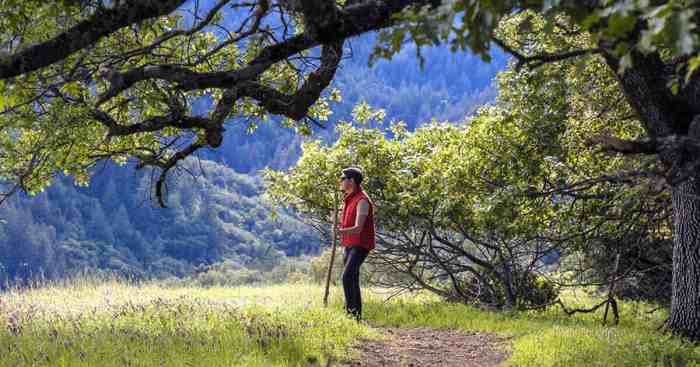
Sonoma County, with its picturesque vineyards and charming towns, is best explored at a leisurely pace. Understanding your transportation options is key to maximizing your experience. Whether you prefer the freedom of a rental car, the convenience of ride-sharing, or the scenic beauty of a bike ride, this guide will help you navigate the region efficiently and comfortably.
Car Rentals
Renting a car provides the greatest flexibility in exploring Sonoma County. This allows you to visit wineries, restaurants, and attractions at your own pace. Major rental companies have locations in Sonoma and nearby towns. Consider factors like the size of your group, the length of your stay, and the specific areas you plan to visit when selecting a rental car.
This ensures you have adequate space and comfort for your journeys.
Public Transportation
Public transportation options in Sonoma County are limited compared to larger cities. Sonoma Valley Transit provides bus service connecting some key areas, including the towns of Sonoma, Healdsburg, and Glen Ellen. However, their routes may not reach all wineries or attractions. Checking their website for current schedules and routes is essential for planning your trips. The limited coverage often requires a combination of public transport and other modes of transport, like ride-sharing or taxis.
Ride-Sharing Services
Ride-sharing services, such as Uber and Lyft, are becoming increasingly popular, particularly for getting between wineries or towns. They can provide a convenient and affordable alternative to taxis or personal vehicles. However, availability and pricing may vary based on demand and time of day. Using these services is especially useful for late-night excursions or for situations where a personal car is not available.
Driving in Sonoma County
Navigating Sonoma County by car requires an understanding of the region’s layout. The area is known for its winding roads, especially in the wine country areas. Traffic patterns can vary, particularly on weekends and during peak season. Allow extra time for travel, especially between locations that are further apart. Consider using online mapping tools to plan your route and anticipate potential delays.
Some popular routes, like those leading to specific wineries, may experience congestion, especially during busy periods. Using GPS navigation or route planning apps will be helpful to avoid getting lost.
Walking and Biking Routes
Many towns in Sonoma County offer charming walking and biking paths. Healdsburg, for example, has several well-maintained pedestrian-friendly streets and pathways. These allow for exploring the town center and surrounding areas. Specific towns, such as Sonoma and Glen Ellen, also have designated bike routes. Researching these routes before your visit ensures you have a clear understanding of the available options.
Consider the distances and elevation changes when planning your walking or biking excursions.
Public Transportation Schedules and Accessibility
Sonoma Valley Transit provides schedules and route information on their website. Information on accessibility for people with disabilities can also be found there. It is crucial to check accessibility details, such as wheelchair ramps or designated seating, before your trip. This allows you to plan accordingly and ensures your experience is inclusive and comfortable.
Planning Your Trip
Sonoma County, with its rolling hills, charming towns, and world-class wineries, is a destination that deserves meticulous planning. This section provides a roadmap to ensure your Sonoma adventure is seamless and enjoyable, from booking accommodations to crafting a personalized itinerary.Understanding the best time to visit, booking in advance, and being prepared for potential weather changes are all crucial for a fantastic trip.
Booking Accommodations
Choosing the right accommodation is key to setting the tone for your Sonoma experience. Consider the proximity to wineries, restaurants, and activities you want to experience. Sonoma offers a diverse range of lodging options, ranging from cozy B&Bs to luxurious resorts. Booking well in advance is highly recommended, especially during peak season, to secure your preferred accommodations.
- Consider factors like your budget, desired level of luxury, and proximity to key attractions when selecting your lodging.
- Popular options include boutique hotels, charming bed and breakfasts, and vacation rentals, each offering a unique experience.
- Many lodging options offer packages that include wine tasting experiences or meals, providing added convenience and value.
Transportation
Getting around Sonoma County is relatively easy, though having a plan in advance can save time and stress. Renting a car provides the most flexibility for exploring the region’s wineries and attractions. However, public transportation, ride-sharing services, and even taxis are viable options for getting around.
- Renting a car is often the best choice for maximizing your exploration of the region, allowing you to visit multiple wineries and towns without relying on other means of transport.
- Consider using ride-sharing services or taxis for specific destinations, especially if you’re not comfortable driving or if you’ve consumed alcohol.
- Sonoma County has a good public transportation system that can be used for some areas, especially in the towns. However, it may not reach every destination, and it might not be the most convenient option for a complete wine-tasting tour.
Crafting Your Itinerary, Guide to visiting sonoma california
A well-planned itinerary is essential for maximizing your Sonoma experience. A sample 3-day itinerary, focusing on wine tasting, exploring towns, and savoring the local cuisine, is provided below. Remember to adjust this to your preferences and interests.
| Day | Activities |
|---|---|
| Day 1 | Morning: Explore Healdsburg, visiting local shops and cafes. Afternoon: Wine tasting at several wineries in the Russian River Valley. Evening: Dinner at a renowned restaurant in Healdsburg, followed by a relaxing evening. |
| Day 2 | Morning: Visit Sonoma Plaza and explore the historic downtown area. Afternoon: Wine tasting in the Sonoma Valley, focusing on smaller, family-owned wineries. Evening: Enjoy a farm-to-table dinner experience in Sonoma. |
| Day 3 | Morning: Visit a local farmers market and sample fresh produce. Afternoon: Relaxing brunch or lunch. Departure from Sonoma. |
Finding Deals and Discounts
Many resources are available for finding deals and discounts on activities and attractions in Sonoma County. Checking online travel agencies, local tourism websites, and winery websites for special offers and promotions can be highly beneficial.
- Subscription services to travel newsletters and apps can alert you to deals on activities.
- Wine tasting tours often offer discounts for groups or for purchasing multiple tickets.
- Local tourism boards and websites frequently post deals and packages for attractions, dining, and lodging.
Making Reservations
Making reservations in advance for popular activities and restaurants is crucial for a smooth trip. This is especially important during peak season, when demand for wine tasting experiences, restaurants, and accommodations is at its highest.
“Reservations ensure you secure your preferred time slot and guarantee a table or tasting experience.”
- Reservations guarantee a place in popular restaurants, avoiding disappointment of long waiting times.
- Making reservations in advance is essential for popular wine tasting experiences to secure a spot at a particular winery and tasting time.
- Reservations can save time and frustration, allowing you to focus on enjoying the experience rather than searching for a place to eat or a spot for wine tasting.
Sonoma County Attractions
Sonoma County boasts a rich tapestry of attractions beyond its renowned wineries. From historical landmarks to artistic gems, there’s something for every traveler seeking a deeper connection with the region’s past, present, and culture. Exploring these unique destinations enhances the overall Sonoma experience, offering a more well-rounded and enriching journey.Beyond the vineyards, Sonoma County unveils a diverse array of experiences.
Visiting these attractions provides valuable insights into the area’s history, art, and unique character, complementing the wine tasting adventures and creating a richer understanding of the region.
Historical Landmarks
Sonoma County possesses a significant historical legacy. Exploring these landmarks provides a window into the region’s past and the stories of the pioneers and settlers who shaped the area. Understanding the history of a place often enhances the appreciation for its present-day charm and character.
- Sonoma Plaza: This historic plaza, at the heart of Sonoma, is a testament to the region’s early settlement. The plaza’s architecture and surrounding buildings offer a glimpse into the past, and it’s a great place to relax and soak in the atmosphere.
- Sonoma Mission: The Sonoma Mission, a historical landmark, offers a glimpse into the region’s early Spanish colonial period. Guided tours are often available, providing a deeper understanding of the mission’s significance.
Museums and Art Galleries
Sonoma County is a hub for artistic expression and cultural exploration. Museums and art galleries offer a captivating way to engage with the region’s creative spirit and gain insight into the local artistic scene.
- Sonoma County Museum of Art: The Sonoma County Museum of Art showcases a diverse collection of works from various periods and styles. Visiting this museum allows visitors to appreciate the local artistic talents and the richness of Sonoma’s cultural landscape.
- The Russian River Art Association: This association presents rotating exhibitions by local and regional artists. The diverse art forms displayed allow visitors to explore the variety of artistic expressions present in Sonoma.
Outdoor Attractions
Sonoma County’s natural beauty provides opportunities for outdoor recreation and exploration. From hiking trails to scenic viewpoints, these destinations allow visitors to appreciate the region’s natural splendor.
- Armstrong Redwoods State Natural Reserve: This reserve provides a chance to immerse yourself in the majestic redwood forests. Hiking amidst the towering trees provides a serene and inspiring experience.
- Jack London State Historic Park: Located on the shores of Tomales Bay, this park commemorates the life and works of author Jack London. Visiting the park provides insight into the author’s connection to the region.
Attractions Categorization
| Type | Description | Location |
|---|---|---|
| Historical | Sonoma Plaza, Sonoma Mission | Downtown Sonoma, Sonoma |
| Cultural | Sonoma County Museum of Art, Russian River Art Association | Various locations in Sonoma County |
| Outdoor | Armstrong Redwoods State Natural Reserve, Jack London State Historic Park | Sonoma County |
Selecting Attractions
Factors such as personal interests, available time, and budget significantly influence the selection of attractions. Prioritizing attractions that align with your interests ensures a more fulfilling experience. Consider the time commitment each attraction requires to avoid overbooking your schedule. Budget constraints should also be taken into account, as some attractions may require additional fees or have varying pricing options.
Summary: Guide To Visiting Sonoma California
In conclusion, your Sonoma adventure awaits! This guide provides a roadmap to experiencing the best of Sonoma County, from its iconic wineries to its charming towns and diverse culinary scene. With detailed information on wine tasting, accommodation, activities, and transportation, you’re equipped to plan a trip that’s perfectly suited to your interests and budget. From the moment you arrive, you’ll be immersed in the beauty and charm of this remarkable region.
Enjoy the journey!