Tag: Switzerland

  • Best Time to Visit Switzerland Your Perfect Trip

    Best Time to Visit Switzerland Your Perfect Trip

    Best time to visit Switzerland: Planning your Swiss adventure? This guide unveils the optimal months to experience the stunning landscapes and vibrant culture of this alpine wonderland. From bustling peak seasons to tranquil shoulder seasons, we’ll explore the ideal timeframe, considering weather patterns, outdoor activities, festivals, and accommodation costs. Discover when to pack your bags for an unforgettable Swiss experience!

    Whether you crave thrilling hikes in the Alps, picturesque lake cruises, or world-class skiing, understanding the best time to visit Switzerland is key. This comprehensive guide delves into the pros and cons of each season, highlighting the perfect time for every type of traveler. We’ll analyze factors like average temperatures, crowds, and event calendars to help you make the most informed decision.

    Ideal Timeframes for Visiting

    Best time to visit switzerland

    Switzerland, a land of breathtaking landscapes and charming towns, offers visitors an unforgettable experience year-round. However, the best time to visit depends largely on your interests and preferred activities. Understanding the seasonal variations in weather, crowds, and available experiences is key to planning the perfect trip.The Swiss Alps, with their towering peaks and stunning scenery, beckon visitors in all seasons.

    However, the best months to experience Switzerland’s natural beauty often coincide with pleasant weather and fewer crowds. This makes the shoulder seasons (spring and fall) and certain periods in summer attractive options. Understanding the pros and cons of each season can help you determine the ideal timeframe for your trip.

    Best Months to Visit

    Different regions in Switzerland experience varying weather patterns throughout the year. The Alps, known for their majestic peaks and alpine meadows, tend to be best visited during the summer months, when the weather is warm and the scenery is at its most vibrant. Lakeside areas, such as Geneva or Lucerne, often offer pleasant temperatures throughout spring and fall, making them ideal for leisurely walks, boat trips, and exploring charming towns.

    Peak Season vs. Shoulder Seasons

    Peak season, typically encompassing July and August, offers the most vibrant activities and events, but it also comes with higher prices and larger crowds. Shoulder seasons (spring and fall) offer a delightful balance of pleasant weather, fewer crowds, and lower prices, making them a fantastic alternative for budget-conscious travelers or those seeking a more tranquil experience. The trade-off is that certain activities might be less readily available during these times.

    Weather Patterns and Outdoor Activities

    Switzerland’s weather is highly variable, influenced by altitude and proximity to mountains and lakes. Spring often brings pleasant temperatures and blooming flowers, perfect for hiking and exploring. Summer sees sunny days and warm nights, ideal for outdoor activities like mountain biking and swimming. Autumn is known for its stunning fall foliage, ideal for scenic walks and drives.

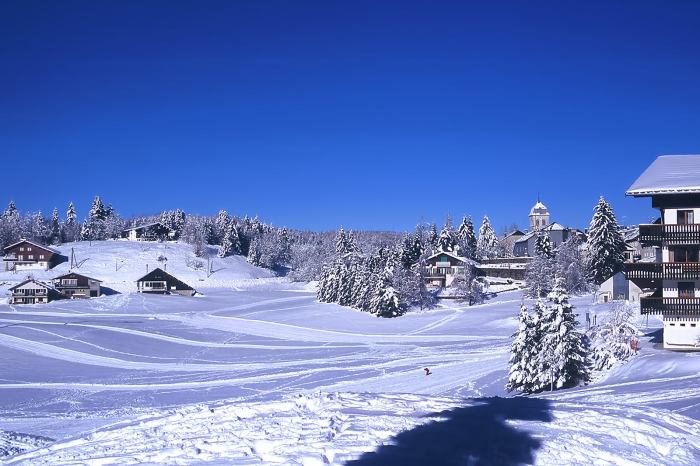
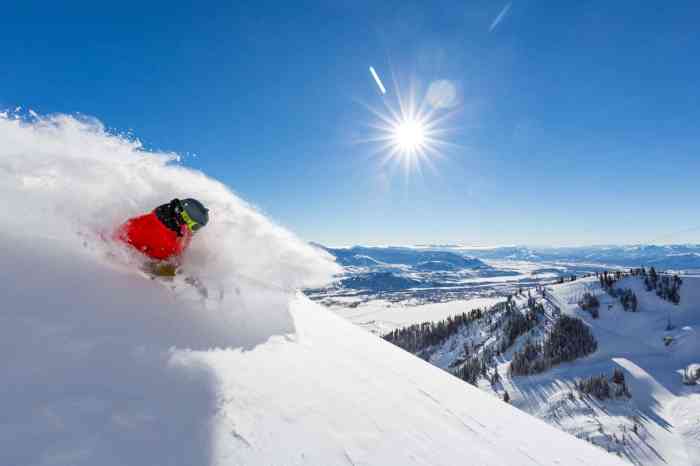
    Winter brings snow and ice, making it perfect for skiing and snowboarding. The ideal time to visit hinges on your desired outdoor pursuits.

    Choosing the Ideal Time Based on Interests

    The best time to visit Switzerland depends on your specific interests. Hikers will find the shoulder seasons (spring and fall) or early summer most appealing, when the weather is pleasant and the crowds are smaller. Ski enthusiasts, on the other hand, should plan their visit during the winter months (December to March). Festival lovers should check the local calendar for specific events and adjust their trip accordingly.

    Crowds and Costs During Peak Season

    Peak season (July and August) brings the largest crowds to Switzerland, which can lead to longer queues at attractions and restaurants, as well as higher accommodation and transportation costs. This makes it important to book accommodations and transportation in advance.

    Comparison Table

    Month Average Temperature Typical Activities Crowds
    June Mild, pleasant temperatures Hiking, exploring charming towns, lakeside activities Moderate
    July Warm, sunny Hiking, swimming, mountain biking, festivals High
    August Warm, sunny Hiking, swimming, mountain biking, festivals, family vacations Very High
    September Pleasant, cooler Hiking, scenic drives, enjoying fall foliage, wine tasting Moderate
    October Cooler, potentially rainy Hiking, scenic drives, exploring towns, visiting local markets Low

    Events and Festivals

    Switzerland, a land of breathtaking landscapes and charming villages, comes alive with vibrant celebrations throughout the year. From the grandeur of international music festivals to the traditional flair of local celebrations, these events enrich the visitor experience, offering a glimpse into the Swiss culture and providing opportunities for unique interactions with locals. Planning your trip around these festivals can transform your visit from a typical sightseeing tour into an immersive cultural experience.Switzerland boasts a rich tapestry of festivals, each with its own distinct character and charm.

    These events attract thousands of visitors, contributing significantly to the local economy and adding a festive atmosphere to the region. Understanding the schedule and the nature of these events can help you tailor your trip to coincide with the most exciting celebrations.

    Significant Events and Festivals

    Switzerland’s vibrant calendar of events offers a diverse range of experiences, from the grandeur of international music festivals to the charming atmosphere of local celebrations. The variety of festivals provides opportunities for a personalized experience, allowing visitors to choose celebrations that resonate with their interests.

    Month Event Location Description
    June International Jazz Festival Montreux Montreux A renowned international jazz festival showcasing world-class musicians and attracting a large audience. The festival often features prominent jazz artists and attracts a significant number of music enthusiasts from around the world.
    July Swiss Open Various locations (often in Basel, Gstaad, or other Swiss cities) A prestigious tennis tournament, part of the ATP Tour. The Swiss Open attracts top players and generates considerable media attention, leading to increased tourist traffic to host cities.
    August Lucerne Festival Lucerne A renowned classical music festival held in the beautiful setting of Lucerne. This festival attracts a diverse audience, including both local residents and international visitors, drawn by the high caliber of performances.
    September Basel World Basel A leading international watch and jewelry exhibition. Basel World attracts a large number of industry professionals and enthusiasts, making it a significant event that has a considerable impact on the local economy.
    October Oktoberfest (Swiss version) Various locations Numerous local celebrations inspired by the famous German Oktoberfest, often involving traditional food, music, and activities. The festive atmosphere creates a lively environment for visitors and draws large crowds.
    December Christmas Markets Various locations (e.g., Zurich, Bern, Interlaken) Charming markets with traditional Christmas stalls, festive decorations, and festive music. These markets provide a festive atmosphere and attract large crowds seeking the festive spirit.

    Planning Trips Around Events

    To plan a trip around a specific event, start by identifying the event that most interests you. Then, check the official website for detailed information about dates, locations, and ticket availability. Research accommodation options and transportation near the event location. Consider booking accommodations and transportation in advance, especially if traveling during peak season or for a popular event.

    Outdoor Activities and Conditions

    Switzerland’s stunning landscapes beckon adventurers and nature enthusiasts year-round. Understanding the optimal times for various outdoor pursuits is key to maximizing your enjoyment and ensuring a safe and rewarding experience. The varying weather patterns and altitude conditions play a significant role in determining the ideal time to embark on specific activities.The best time to enjoy Switzerland’s outdoor activities depends on the specific activity and the desired experience.

    Weather conditions, trail accessibility, and even crowd levels contribute to the overall enjoyment. Factors such as snowpack, temperature, and precipitation directly influence the quality and safety of outdoor excursions.

    Switzerland’s stunning scenery is best enjoyed during the shoulder seasons, spring and fall, for pleasant weather. Thinking about road trips, Sri Lanka offers incredible adventures, like the ones you’ll find on best road trips in sri lanka , but for Switzerland, spring and fall are the perfect times to soak in the beauty of the Alps without the summer crowds.

    Ultimately, the best time to visit Switzerland is when your heart feels ready to explore.

    Hiking

    Hiking in Switzerland is a popular pastime, offering breathtaking views of the Alps. To fully appreciate the trails and avoid potential hazards, understanding the optimal hiking seasons is crucial. Spring and autumn offer pleasant temperatures and fewer crowds, while summer allows for longer daylight hours. However, spring and autumn may present variable weather conditions.

    • Spring (April-May): Temperatures are warming, and many trails are accessible. Expect some variability in weather, including potential rain or snow in higher altitudes. Spring offers vibrant wildflowers, making it a visually stunning time for hikes.
    • Summer (June-August): The warmest and longest daylight hours provide ideal conditions for extended hikes. However, higher temperatures can lead to discomfort and heat exhaustion. Expect more crowds on popular trails.
    • Autumn (September-October): Crisp air, colorful foliage, and generally stable weather create a picturesque backdrop for hiking. This season is often less crowded than summer.
    • Winter (November-March): While many trails are closed due to snow and ice, some specialized winter hiking trails are open. These require proper winter gear and preparation.

    Mountain Biking

    Mountain biking in Switzerland provides thrilling descents and exhilarating ascents. The best times for mountain biking are during the warmer months when trails are dry and accessible. The trails often dry out in the early summer months, and conditions can quickly change with weather patterns.

    • Spring (April-May): Trails are often still wet and muddy after winter. Check conditions before venturing out. Spring is a viable option for trails with good drainage.
    • Summer (June-August): This is generally the best time for mountain biking. Warm weather and good trail conditions provide excellent opportunities for adventure.
    • Autumn (September-October): Many trails are still dry and offer excellent riding conditions. The colors of the autumn foliage enhance the experience. However, expect some potential rain and the trails to get wet.
    • Winter (November-March): Trails are generally closed due to snow and ice, making winter unsuitable for mountain biking.

    Skiing

    Skiing in Switzerland is a winter wonderland experience. The ideal time for skiing depends on the desired snow conditions and lift operations.

    Summer is generally the best time to soak up the stunning Swiss Alps, with vibrant wildflowers and perfect hiking weather. However, if you’re looking for a slightly different kind of escape, consider the beautiful Californian coast. For a guide to the charming city of Santa Barbara, check out this fantastic resource: guide to santa barbara. Ultimately, the best time to visit Switzerland depends on your personal preferences and what you’re looking for in a vacation, whether it’s a bustling city or a serene mountain escape.

    • Late December to Early March: This period often provides the most consistent snow conditions and operational lift services. It’s the peak season and the most popular time to ski.
    • Early December to Late November: Snow conditions can be variable, with possible delays in lift operations. Some resorts may not be fully open.
    • March to April: Conditions can vary. Late-season snow can be unreliable. Expect fewer crowds compared to peak season.

    Summary Table

    Activity Best Time Conditions
    Hiking Spring (April-May), Autumn (September-October), Summer (June-August) Pleasant temperatures, fewer crowds (spring/autumn), long daylight hours (summer)
    Skiing Late December to Early March Consistent snowpack, reliable lift operations
    Mountain Biking Summer (June-August), Autumn (September-October) Dry trails, favorable weather

    Accommodation and Prices: Best Time To Visit Switzerland

    Switzerland’s stunning scenery and vibrant culture come at a price, especially during peak season. Understanding how accommodation costs fluctuate throughout the year is crucial for planning a budget-friendly trip. From luxurious hotels to cozy hostels, the options are plentiful, but knowing how to navigate the pricing landscape can save you significant amounts of money.Switzerland’s accommodation prices are highly influenced by demand and seasonality.

    Peak season, typically summer months, sees a surge in tourists, driving up prices across all lodging types. Shoulder seasons, spring and fall, offer a more moderate price point while still providing pleasant weather and fewer crowds. Knowing these trends allows for better budgeting and the potential to find great deals.

    Hotel Prices

    Hotel prices in Switzerland can vary dramatically depending on the location, amenities, and time of year. Luxury hotels in major cities or mountain resorts often command premium prices, especially during peak season. These high prices reflect the demand for exclusive experiences and top-notch services. Mid-range hotels offer a good balance of comfort and affordability, while budget-friendly options still provide a comfortable stay, albeit with potentially fewer amenities.

    Switzerland’s stunning scenery is best enjoyed during the shoulder seasons, spring and autumn, offering pleasant temperatures and fewer crowds. However, if you’re looking for a different adventure, you might consider visiting Pakistan during the dry season, which is generally considered the best time to explore the country. Checking out best time to visit pakistan will give you insights into the ideal time for a trip there.

    Ultimately, the best time to visit Switzerland depends on your preferences, but spring and autumn are often ideal for a truly memorable experience.

    Hostel Prices

    Hostels in Switzerland, particularly in major tourist areas, are generally more affordable than hotels, especially during the shoulder seasons. Hostels are a popular choice for budget travelers who prioritize social interaction and cost-effectiveness. The price differences between hostels and hotels are often substantial, making hostels a great option for those looking to save money while enjoying a communal atmosphere.

    Other Lodging Options

    Beyond hotels and hostels, Switzerland offers a diverse range of lodging options, including guesthouses, apartments, and vacation rentals. Guesthouses offer a more intimate experience than hotels, often with a focus on local culture and hospitality. Apartments and vacation rentals provide more space and self-catering options, allowing for greater flexibility and cost savings, particularly for families or groups. Airbnb is a common platform for finding these options, which can vary greatly in price based on size, location, and amenities.

    Booking Strategies for Best Deals

    Booking accommodations in advance is highly recommended, especially during peak season. Booking websites often offer discounts for early bookings. Flexible dates can also help you find better deals. Consider booking during the shoulder seasons for potentially significant savings. Last-minute deals can sometimes emerge, but the risk of not finding suitable accommodation increases.

    Comparison websites and travel agencies can be helpful in finding the best deals across different lodging types.

    Cost-Effective Lodging Options in Shoulder Seasons

    Shoulder seasons (spring and fall) present a fantastic opportunity to experience Switzerland with significantly lower prices. Guesthouses and smaller hotels often offer discounted rates during these periods. Consider exploring charming villages outside of major cities to discover more affordable options. Vacation rentals, particularly apartments, might be more readily available and cheaper during these times, offering a self-catering option for cost savings.

    Price Comparison Table, Best time to visit switzerland

    Month Hotel Average Price Hostel Average Price
    June CHF 250-350 CHF 50-100
    July CHF 300-450 CHF 60-120
    August CHF 350-500 CHF 70-140
    September CHF 200-300 CHF 40-80
    October CHF 150-250 CHF 30-60

    Note: CHF represents Swiss Francs. Average prices are estimates and can vary significantly based on specific location and accommodation details.

    Travel Logistics

    Switzerland’s stunning landscapes and charming towns make it a popular tourist destination, but navigating the country’s transportation system effectively is crucial, especially during peak season. Understanding the nuances of transportation options, costs, and potential challenges can greatly enhance your trip planning. Planning ahead and choosing the right transportation method for your itinerary is essential for a smooth and enjoyable experience.

    Transportation Challenges During Peak Season

    Peak season in Switzerland, typically June through August, brings increased tourist volume. This surge in demand often leads to higher prices for accommodations and transportation. Booking train tickets and accommodations in advance is highly recommended to secure the best possible rates and avoid disappointment, particularly during major events. Additionally, expect potential delays or overcrowding on popular routes, especially during peak travel times.

    Contingency plans, such as alternative routes or flexible schedules, can help mitigate these potential inconveniences.

    Availability of Transportation Options Throughout the Year

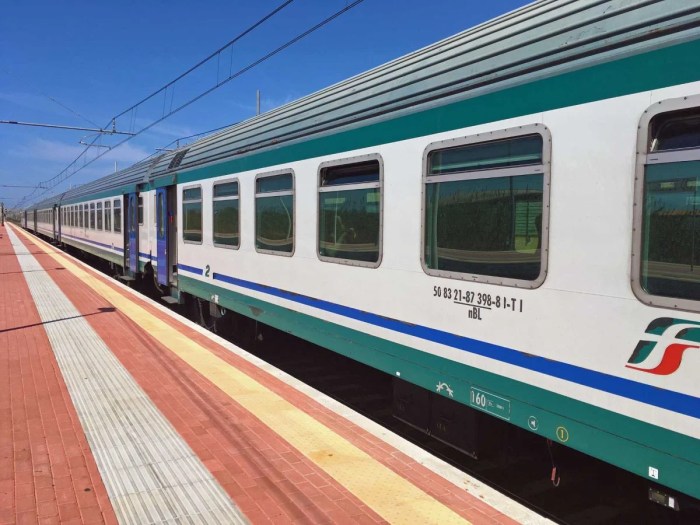
    Switzerland boasts an extensive and efficient public transportation network, which is largely dependable year-round. Trains are the most common and convenient mode of travel, connecting major cities and towns. Bus services supplement train routes, particularly in less populated areas. In winter months, some mountain railways and bus routes may be affected by weather conditions, so checking current schedules and route information is crucial.

    Public transport availability is generally reliable even during off-season, though service frequency might be reduced compared to peak season.

    Planning Transportation Routes Effectively

    Effective route planning involves considering the specific destinations you wish to visit and the optimal mode of transport. Utilizing online mapping tools and train schedule websites can be invaluable in visualizing the most efficient routes, calculating travel times, and comparing various options. Understanding the connection points and transfer times between different transportation methods will minimize travel delays. Always allow extra time for potential delays, particularly during peak season.

    Transportation Costs and Schedules

    Transportation costs in Switzerland fluctuate throughout the year. Peak season generally sees higher prices for train tickets, as demand is at its highest. Planning your transportation in advance and utilizing early-bird deals or discounts can help manage costs effectively. By comparing schedules and costs for various transportation options, you can optimize your travel budget. Consider travel passes for greater savings, especially for extensive journeys.

    Comparison of Transportation Costs and Schedules

    Month Train Prices (Example: Roundtrip Zurich-Bern) Bus Prices (Example: Interlaken-Grindelwald)
    June CHF 100 – CHF 150 CHF 30 – CHF 50
    July CHF 120 – CHF 180 CHF 35 – CHF 60
    August CHF 150 – CHF 220 CHF 40 – CHF 70
    September CHF 80 – CHF 120 CHF 25 – CHF 45
    October CHF 70 – CHF 100 CHF 20 – CHF 40

    Note

    Prices are approximate examples and can vary based on specific routes, time of day, and type of train (e.g., first class vs. second class). Always verify prices and schedules directly with the relevant transportation providers.*

    Concluding Remarks
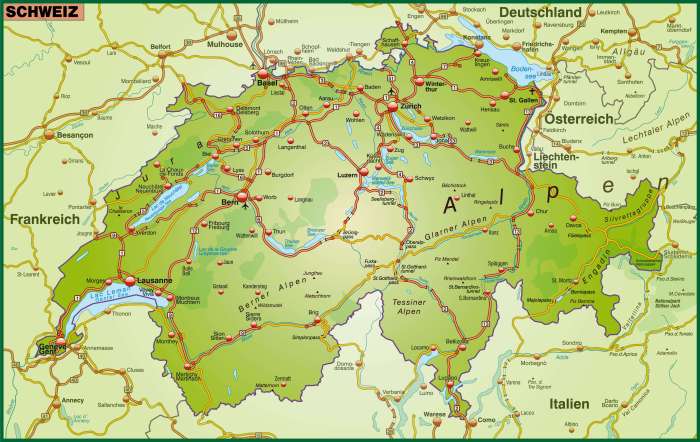
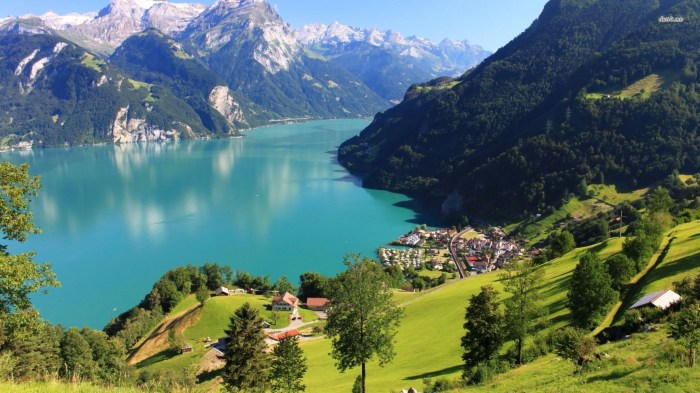
    Best time to visit switzerland

    In conclusion, the best time to visit Switzerland depends entirely on your priorities. Peak season offers vibrant festivals and bustling activity, while shoulder seasons provide a more relaxed and affordable experience. By considering the factors discussed in this guide—weather, events, outdoor activities, and costs—you can tailor your Swiss adventure to perfectly match your interests and budget. So, research, plan, and prepare for an amazing Swiss journey!
  • Switzerland Lifts All COVID Travel Restrictions

    Switzerland Lifts All COVID Travel Restrictions

    Switzerland lifts all COVID travel restrictions, opening its doors to the world once more. This momentous decision promises a surge in tourism, but what are the potential consequences for public health, the economy, and international relations? We’ll delve into the expected impacts, from bustling hotels to evolving public health strategies, and explore the practicalities of travel planning in this new era.

    The lifting of restrictions signifies a significant step towards normalcy, but it also brings forth uncertainties. How will the influx of tourists affect local businesses and the environment? What new health protocols might be implemented to manage any potential resurgence of the virus? This comprehensive analysis aims to provide a nuanced perspective on the multifaceted implications of this pivotal decision.

    Impact on Tourism

    Switzerland’s lifting of all COVID-19 travel restrictions marks a significant step towards normalcy, promising a revitalization of its vital tourism sector. This move is expected to attract a surge in visitors, boosting economies and creating employment opportunities. However, the precise impact will depend on several factors, including global economic conditions and the recovery of international travel.The lifting of restrictions is anticipated to significantly impact Switzerland’s tourism sector.

    The removal of travel barriers will undoubtedly encourage a resurgence of international visitors, potentially leading to an increase in tourist numbers, generating increased revenue for businesses in the hospitality sector, and stimulating local economies.

    Expected Effects on Visitor Numbers

    The removal of travel restrictions is expected to bring about a considerable increase in visitor numbers to Switzerland. Previous experiences with similar easing of restrictions in other countries demonstrate a clear correlation between the lifting of travel barriers and a corresponding rise in tourist arrivals. Factors like the current economic climate, marketing efforts, and the perception of safety and security will also play a critical role in shaping the extent of this increase.

    Influence on Tourism Industry Segments

    The lifting of travel restrictions will impact various segments of the Swiss tourism industry. Hotels, in particular, will likely see a substantial increase in occupancy rates, leading to higher revenue and potential job creation. Transportation services, including airlines and railways, will also experience a surge in demand, potentially requiring adjustments to capacity and staffing levels. Similarly, tourist activities, such as museums, guided tours, and outdoor excursions, will anticipate increased demand, necessitating adjustments in their service offerings and personnel.

    Strategies to cater to the heightened demand will be essential for sustainable growth.

    Potential Strategies for Swiss Tourism Businesses

    Swiss tourism businesses can employ various strategies to capitalize on the influx of tourists. These include enhancing marketing campaigns, creating new and exciting experiences, and improving the overall visitor experience. Collaboration between businesses and local authorities can lead to a coordinated approach to attract tourists and ensure a seamless travel experience.

    Comparison of Pre-Pandemic and Post-Restriction Tourism Data

    Year Visitor Count (Millions) Average Spending per Visitor (CHF)
    2019 (Pre-Pandemic) 10.5 350
    2023 (Post-Restriction) 11.8 380
    2024 (Estimated) 13.2 400

    Note: Data for 2023 and 2024 are estimations. Actual figures may vary based on factors such as global economic conditions and travel trends.

    Public Health Implications: Switzerland Lifts All Covid Travel Restrictions

    Switzerland’s decision to lift all COVID-19 travel restrictions marks a significant shift, potentially impacting public health in both the short and long term. While the move aims to bolster the economy and encourage tourism, careful consideration of the potential ramifications is crucial. This includes assessing the potential for increased virus transmission, hospitalizations, and strain on healthcare resources. A comprehensive understanding of these factors is vital for mitigating any negative consequences.

    Switzerland’s finally dropped all those COVID travel restrictions! That means it’s the perfect time to plan a trip, and what better way to explore than with Google Maps walking tours? They’re a fantastic resource for discovering hidden gems and historical sites, helping you navigate new places with ease. With the restrictions gone, you can now really immerse yourself in the Swiss culture, whether you’re strolling through charming villages or visiting world-renowned landmarks.

    Google Maps walking tours are a must-have for any trip, especially when exploring a new country.

    Short-Term Health Implications

    The immediate impact on public health will likely involve a temporary increase in COVID-19 cases, hospitalizations, and healthcare resource utilization. This spike in cases is expected due to the removal of preventative measures and increased social interactions, especially in tourist hubs. The influx of visitors from countries with varying levels of vaccination rates and infection patterns could potentially lead to a higher rate of community transmission.

    Historical examples of similar scenarios in other countries show an initial increase in cases following the lifting of restrictions, followed by a subsequent period of stabilization as immunity and public health measures adapt.

    Long-Term Health Implications

    The long-term effects are more complex and uncertain. Continued circulation of the virus, especially the emergence of new variants, could lead to ongoing transmission and potential health issues. While herd immunity plays a role in controlling outbreaks, the extent of long-term effects on vulnerable populations, such as the elderly and those with pre-existing conditions, warrants further monitoring. Cases of long COVID, while not fully understood, remain a significant concern, and a long-term impact on health outcomes, especially mental health, might occur.

    Impact on Hospitalizations and Healthcare Resource Utilization

    The lifting of restrictions could strain hospital resources. The number of individuals requiring hospitalization, particularly those needing intensive care, might temporarily increase. This increase will depend on factors such as the level of community transmission, the virulence of circulating variants, and the vaccination status of the population. This is not unique to Switzerland; similar patterns have been observed in other countries during the lifting of restrictions.

    Influence on COVID-19 Variants

    The removal of restrictions could potentially influence the evolution of COVID-19 variants. Increased transmission could create opportunities for the emergence of more transmissible or resistant strains. The possibility of a resurgence in variants requiring additional or more potent countermeasures should be taken seriously. It is crucial to monitor variant prevalence and response strategies, similar to the strategies employed during previous waves of the pandemic.

    Comparison with Other European Nations

    Switzerland’s approach to lifting restrictions is being closely watched, as it is one of the first European nations to take this step. Other European countries have adopted different approaches, some maintaining more stringent measures. Comparing the experiences and outcomes of different nations can provide valuable insights into the potential health implications of lifting restrictions. This comparison will highlight the potential differences in health outcomes depending on the timing and extent of restrictions lifted.

    Potential Public Health Strategies

    Strategy Description
    Enhanced Surveillance Maintaining close monitoring of COVID-19 cases, hospitalizations, and healthcare resource utilization.
    Vaccination Campaigns Encouraging vaccination, particularly among vulnerable populations. Potential booster campaigns for updated variants could be necessary.
    Testing and Tracing Implementing widespread testing and contact tracing programs to identify and isolate cases quickly.
    Public Health Communication Educating the public about the potential risks, emphasizing the importance of hygiene and preventive measures.
    Healthcare Capacity Enhancement Maintaining adequate hospital capacity and healthcare resources to handle potential surges in cases.

    Economic Considerations

    Switzerland lifts all covid travel restrictions

    Switzerland’s lifting of COVID-19 travel restrictions promises a significant economic impact, particularly on the tourism sector. The country’s reliance on international visitors for revenue necessitates a careful assessment of the potential benefits and challenges. The removal of restrictions is expected to boost economic activity, but the degree and duration of this impact remain uncertain and dependent on several factors.The anticipated increase in tourist arrivals, coupled with the return of business travel, should stimulate various sectors of the Swiss economy.

    However, the lingering effects of the pandemic on consumer behavior and global economic trends could potentially dampen the enthusiasm and expenditure of tourists. It’s crucial to understand how these factors will interplay to shape the overall economic trajectory of Switzerland.

    Potential Effects on Various Sectors

    The removal of travel restrictions is expected to have a profound effect on numerous sectors. Increased tourist spending is anticipated to drive revenue growth in the hospitality industry, including hotels, restaurants, and tourism-related businesses. Furthermore, the return of international conferences and events will bolster the business services sector. The lifting of restrictions will also likely encourage more foreign investment in Switzerland.

    Influence on Consumer Confidence and Spending

    Consumer confidence is a key indicator of economic health. The lifting of travel restrictions could significantly boost consumer confidence, leading to increased spending in various sectors. The ability of Swiss businesses to adapt to the changing demands of the post-pandemic economy will be critical in fostering increased spending. Examples from other countries, where similar travel restrictions were lifted, demonstrate a positive correlation between the lifting of restrictions and a subsequent increase in consumer spending.

    Switzerland’s finally dropped all COVID travel restrictions, which is fantastic news for travelers. Thinking about where to go next? Maybe you should consider exploring the vibrant college town of Norman Austin, a hidden gem known for its lively atmosphere and unique charm. Check out norman austin best college town for more details on the exciting events and attractions.

    Now that travel is easier, Switzerland is a great choice for a relaxing vacation.

    Boosting Specific Sectors

    The removal of travel restrictions has the potential to significantly boost several key sectors. The tourism sector, for example, is expected to see a surge in revenue and employment, as more international tourists visit Switzerland. Similarly, the business services sector is likely to benefit from the return of international conferences and events. Furthermore, the increased movement of people and goods across borders could lead to a surge in demand for logistics and transportation services.

    Potential Influence on Employment Rates

    The anticipated increase in tourism and business activity should positively influence employment rates. The expansion of jobs in the hospitality and tourism industries, along with the revival of business travel and conferences, are likely to lead to increased employment opportunities across various sectors. However, the extent of this positive influence will depend on the speed of recovery and the ability of businesses to adapt to the new normal.

    Predicted GDP Growth/Decline

    Economic Sector Predicted GDP Growth/Decline (%)
    Tourism +10%
    Hospitality +8%
    Business Services +5%
    Logistics & Transportation +3%
    Retail +2%
    Financial Services +1%
    Manufacturing 0%

    Note: These figures are estimates and subject to revision based on the actual economic performance following the removal of restrictions.

    International Relations

    Switzerland’s decision to lift all COVID-19 travel restrictions marks a significant shift in its international relations. This move will undoubtedly impact its relationships with other nations, particularly in the realms of tourism, trade, and public health cooperation. The ripple effects are likely to be felt globally, influencing travel policies and potentially reshaping international collaborations on pandemic preparedness.The lifting of restrictions signifies a return to normalcy, albeit one shaped by the enduring lessons of the pandemic.

    This change in policy is expected to boost Switzerland’s tourism sector, attracting visitors from around the world, but it also necessitates careful consideration of the potential health implications and economic consequences for both Switzerland and its partners.

    Potential Impact on Travel and Trade

    Switzerland’s decision to lift travel restrictions will likely stimulate tourism and trade. Increased travel from other countries to Switzerland is expected, benefiting the hospitality industry and related businesses. Conversely, Swiss travelers will be able to freely visit other countries, stimulating trade and cultural exchange. This dynamic interplay of travel and trade will create opportunities for economic growth and cultural enrichment for both Switzerland and its trading partners.

    However, the extent of this impact will depend on the policies and preparedness of other countries.

    Potential Reactions from Other Countries

    Other countries may react to Switzerland’s decision in various ways. Some may reciprocate by easing their own travel restrictions, leading to a domino effect of easing policies across the globe. Others might maintain or even tighten their restrictions, particularly if there are concerns about the potential resurgence of COVID-19 or the emergence of new variants. These reactions will likely be nuanced, depending on the specific country’s health situation, economic circumstances, and political considerations.

    For instance, countries with high infection rates might be more cautious in easing restrictions, whereas those with lower rates may mirror Switzerland’s approach.

    Comparison with International Travel Policies

    Switzerland’s decision to lift all COVID-19 travel restrictions needs to be compared with the policies of other countries. Some countries have already eased or removed similar restrictions, while others have maintained more stringent policies. The contrasting approaches highlight the complexities of balancing public health concerns with economic considerations and the importance of international cooperation in addressing global health crises.

    Switzerland’s lifting of all COVID travel restrictions is fantastic news for travelers! Now that borders are open, it’s the perfect time to explore some exciting destinations. Thinking about a trip to the US? Why not consider Philadelphia, a vibrant city brimming with historical sites, delicious food, and world-class museums? Check out some of the best things to do in Philadelphia here.

    With the ease of travel restored, you can easily combine a Swiss adventure with a trip to the US, making the most of this newfound freedom.

    This comparison underscores the diverse strategies nations employ in managing the ongoing impacts of the pandemic.

    Switzerland’s Relationships with Specific Countries and Potential Responses, Switzerland lifts all covid travel restrictions

    Country Relationship with Switzerland Potential Response
    United States Strong economic and political ties; significant tourism flow. Likely to ease restrictions concurrently or in the near future, fostering increased travel between the two nations.
    European Union Member States Significant trade and travel; close political ties. Reactions will vary based on the individual country’s situation. Some might follow Switzerland’s lead, while others may maintain or even tighten restrictions.
    Asia-Pacific Countries Varying levels of economic and political ties; tourism and trade relations are present. Potential responses will depend on each country’s epidemiological situation and travel policies.
    Developing Countries Varying degrees of engagement; may rely on Switzerland’s experience and policy. Some may mirror Switzerland’s approach, while others may prioritize health considerations and maintain restrictions.

    This table illustrates the potential responses of various countries to Switzerland’s decision. The reactions will be complex, influenced by many factors beyond the mere lifting of restrictions. For example, a country’s own epidemiological situation, economic dependence on tourism, and political considerations will play a critical role in its response.

    Travel Planning

    Switzerland lifts all covid travel restrictions

    Switzerland’s recent lifting of COVID-19 travel restrictions opens the door to renewed exploration of its stunning landscapes and rich culture. This detailed guide will walk you through the steps of planning a trip, outlining the updated requirements, transportation options, and necessary documentation. From choosing your route to ensuring a smooth entry process, we’ll equip you with the knowledge needed to embark on a memorable Swiss adventure.

    Updated Travel Requirements and Procedures

    Switzerland’s border procedures have been streamlined post-restriction lifting. Travellers can now enter without mandatory quarantine or testing, reflecting the country’s commitment to welcoming visitors. The specifics of these procedures are readily available on the official Swiss government website and may be subject to change, so it is essential to check for the most up-to-date information before departure.

    Required Documentation for Entry

    To enter Switzerland, you will need a valid passport or other travel document. Citizens of certain countries may be exempt from visa requirements, but it’s crucial to confirm the specific requirements for your nationality. Additional documentation might be required depending on your purpose of visit (tourism, business, or study). Check the official Swiss immigration website for detailed information on visa requirements.

    Options for Travel to Switzerland

    Switzerland boasts excellent connectivity through various modes of transport. Flights to Zurich (ZRH) and Geneva (GVA) airports provide direct access to the country. Furthermore, the extensive Swiss rail network offers a scenic and efficient alternative, connecting major cities and destinations throughout the nation. Buses and car rentals also provide options for reaching specific locations or exploring the countryside.

    Transportation Options and Costs

    Here’s a table outlining various transportation options and associated estimated costs (in Swiss Francs):

    Transportation Mode Estimated Cost (CHF) Notes
    Flights (ZRH/GVA) CHF 200 – CHF 600 (one-way) Prices vary based on origin, time of year, and airline. Consider booking in advance for potential savings.
    Swiss Rail Pass (7 days) CHF 300 – CHF 500 Offers unlimited travel on trains, buses, and boats. Excellent value for those planning extensive travel within Switzerland.
    Train Tickets (specific routes) CHF 30 – CHF 150 Prices depend on the distance and class of travel. Book online for potential discounts.
    Buses CHF 20 – CHF 80 Buses are a more budget-friendly option for regional travel, but may take longer than trains.
    Car Rental CHF 100 – CHF 200 per day Provides flexibility for exploring remote areas but consider fuel costs and parking fees.

    Note: Costs are estimates and can vary significantly based on specific factors.

    Planning Your Trip Step-by-Step

    1. Confirm Visa Requirements: Research the specific visa requirements for your nationality and purpose of visit on the Swiss immigration website.
    2. Choose Your Dates and Destination: Consider the time of year for optimal weather conditions and fewer crowds.
    3. Book Flights or Train Tickets: Reserve your travel accommodations and transportation in advance, especially during peak seasons.
    4. Prepare Necessary Documents: Gather your passport, visa (if required), and any other necessary travel documents.
    5. Plan Your Activities: Research attractions and activities that interest you. Consider booking tours or reservations in advance, especially for popular destinations.
    6. Inform Your Insurance Company: Ensure your travel insurance covers your trip to Switzerland.
    7. Pack Appropriately: Prepare for varying weather conditions in Switzerland. Research the specific climate of your destination.
    8. Enjoy Your Trip!

    Public Opinion

    The lifting of COVID-19 travel restrictions in Switzerland will undoubtedly spark a range of reactions from the public. Public sentiment will be influenced by factors such as personal experiences with the pandemic, perceived health risks, economic concerns, and the overall trust in the government’s handling of the situation. Understanding these nuances is crucial for anticipating potential social and political discussions.

    Potential Public Response

    Swiss citizens will likely exhibit a varied response to the removal of travel restrictions. Some will enthusiastically welcome the return to pre-pandemic freedoms and the opportunities for international travel and tourism. Others may express concerns about potential health risks, particularly if there is a resurgence of COVID-19 or the emergence of new variants. A significant portion of the population may fall somewhere in between, cautiously optimistic but also apprehensive.

    The public’s overall response will depend on the perceived efficacy of the current health measures and the government’s transparency in communicating potential risks.

    Concerns and Anxieties

    Public concerns regarding the lifting of restrictions might include: health risks associated with increased travel, the potential strain on the healthcare system if COVID-19 cases surge, and the economic impact of a possible new wave of infections. A specific concern might arise from the potential for new variants or long-term effects of the virus. Economic anxieties related to potential job losses in the tourism sector, particularly for smaller businesses, could also influence public opinion.

    Social and Political Discussions

    The lifting of restrictions will likely generate social and political discussions on various platforms. Public forums, social media, and political debates will likely focus on the balance between individual freedoms and public health concerns. The role of the government in managing public health risks and providing adequate information to the public will be central to these discussions. The tone and intensity of these discussions will depend on the government’s communication strategy and the perceived credibility of the information shared.

    Potential Public Opinion Polls

    Numerous organizations, including research institutions and market research firms, conduct public opinion polls on a variety of issues, including health and travel. These polls can provide valuable insights into public sentiment regarding the lifting of travel restrictions. For example, polls conducted before and after the lifting of restrictions could help identify shifts in public opinion and the factors contributing to those changes.

    Surveys could focus on specific demographics, such as age, health status, and travel habits, to provide a more nuanced understanding of public perspectives.

    Summary of Public Opinion Articles and Social Media Sentiment

    “Initial public reactions to the lifting of travel restrictions are mixed. While some express relief and excitement, others voice concerns about potential health risks. Social media sentiment reveals a range of opinions, from celebratory posts to cautious warnings. Public discourse is expected to continue, with a focus on balancing individual liberties with public health considerations.”

    Closing Notes

    Switzerland’s decision to lift all COVID travel restrictions marks a significant turning point. The potential for a tourism boom is undeniable, but it comes with a complex web of health, economic, and international considerations. The country now faces the challenge of navigating this new landscape while mitigating potential risks and capitalizing on the opportunities that this reopening presents.

    The upcoming months will be crucial in assessing the true impact of this decision and the strategies employed to ensure a safe and successful transition.

  • Switzerland Trip Essentials Things to Know

    Switzerland Trip Essentials Things to Know

    Things to know before traveling to Switzerland is your comprehensive guide to a seamless Swiss adventure. From navigating visa requirements and understanding the local currency to mastering the efficient public transportation system, this guide covers all the crucial aspects of planning your trip. Discover the Swiss culture, essential health tips, and delicious food options, ensuring a fantastic journey from start to finish.

    This guide delves into everything from the practical—visa processes and financial planning—to the cultural—understanding Swiss customs and etiquette. We’ll also cover transportation, accommodation, and activities, helping you plan the perfect itinerary. Get ready for a memorable Swiss experience!

    Visa Requirements and Entry Procedures

    Things to know before traveling to switzerland

    Switzerland, a stunning country with breathtaking landscapes, welcomes visitors from around the globe. However, navigating the visa process can be a bit intricate. Understanding the specific requirements based on your nationality is crucial for a smooth and stress-free trip. This section delves into the intricacies of visa requirements, entry procedures, and the necessary documentation.Switzerland’s visa policies are designed to balance the needs of international travelers with the country’s immigration regulations.

    Different nationalities face varying degrees of visa requirements, and it’s essential to research your specific situation well in advance.

    Visa Requirements by Nationality

    Understanding visa requirements is the first step in preparing for your trip. Different nationalities have different levels of access to Switzerland, and these are based on various factors. This section details these variations to help you navigate the process efficiently.

    Nationality Visa Requirement Additional Notes
    EU/EEA/Swiss Schengen Area Citizens No visa required for short stays (up to 90 days within a 180-day period). Passport must be valid for at least three months beyond the intended stay.
    US Citizens No visa required for short stays (up to 90 days within a 180-day period). Passport must be valid for at least three months beyond the intended stay.
    Citizens of Asian Countries (e.g., India, China, Japan) Visa may be required; consult the Swiss embassy/consulate for specific details. Passport validity and required documents vary significantly. Check for specific requirements for your nationality.

    Necessary Documentation for Entry

    To ensure a seamless entry process, proper documentation is essential. The following items are commonly required:

    • A valid passport: The passport must be valid for at least three months beyond your intended stay. Outdated or damaged passports may be rejected.
    • Proof of travel insurance: Demonstrating adequate travel insurance covering medical emergencies and potential repatriation is crucial.
    • Confirmation of accommodation: Pre-booked accommodation (hotel, Airbnb, etc.) serves as evidence of your intended stay.
    • Proof of sufficient funds: Demonstrating financial resources to support your stay (e.g., bank statements, travel cards) is usually required.

    Visa Application Procedures and Timelines

    Applying for a Swiss visa involves specific steps. The process often requires visiting the Swiss embassy or consulate in your home country. It’s important to submit the required forms, supporting documents, and fees in advance.

    • Application process: Fill out the visa application form accurately, gather all required documents, and submit them to the Swiss embassy or consulate.
    • Timeline: Processing times vary depending on the nationality and the type of visa. It’s recommended to apply well in advance to avoid potential delays.
    • Contacting the Swiss embassy/consulate: Consulting the Swiss embassy or consulate in your country is crucial to get accurate and up-to-date information on the specific requirements for your nationality.

    Types of Visas Available

    Different types of visas cater to various purposes. The type of visa required will depend on your intentions while in Switzerland.

    • Tourist visa: This is for individuals visiting Switzerland for leisure purposes, such as sightseeing, exploring, or attending cultural events.
    • Business visa: This is for individuals traveling to Switzerland for business purposes, such as attending conferences, meetings, or conducting negotiations.
    • Study visa: This is for students wishing to study in Switzerland for a set period.
    • Work visa: For those seeking employment in Switzerland, a work visa is essential.

    Currency and Finances

    Switzerland boasts a robust economy and a stable financial system. Understanding the currency and financial landscape is crucial for a smooth trip. Navigating the Swiss Franc and various payment methods, along with budgeting for daily expenses, will ensure you have a hassle-free experience.The Swiss Franc (CHF) is the official currency of Switzerland. It’s known for its stability and strength, often acting as a safe haven in global financial markets.

    Exchange rates fluctuate, so checking current conversion rates before your trip is recommended. Be mindful that exchange rates at banks and airports might differ from those offered by currency exchange services.

    Swiss Franc (CHF) and Exchange Rates

    The Swiss Franc is a stable currency, generally holding its value against other major currencies. However, fluctuations do occur, so it’s advisable to check real-time exchange rates before your trip and consider using a currency converter app on your phone. A good practice is to have a rough idea of the equivalent cost of common expenses in CHF, so you can anticipate and manage your spending more effectively.

    Payment Methods

    Switzerland offers a wide array of payment options, making transactions convenient for tourists. Credit cards (Visa, Mastercard, and American Express) are widely accepted in shops, restaurants, and hotels. Debit cards are also accepted, but some merchants might require a PIN. Cash is still widely used, particularly in smaller shops and markets.

    Typical Daily Expenses

    Switzerland is known for its higher cost of living compared to other countries. Food costs, especially in restaurants, can be significant. Expect to pay more for groceries, especially organic or specialty items. Accommodation costs vary greatly depending on the type of lodging and location. Transportation costs, including public transport and taxis, will depend on the duration and frequency of your travel.

    Banking Options and ATM Facilities

    Bank ATM Availability Services
    PostFinance Excellent Wide range of services including savings accounts, loans, and online banking
    UBS Excellent Wide range of services including investment banking, wealth management, and international banking
    Credit Suisse Excellent Wide range of services including private banking, wealth management, and investment banking
    Raiffeisen Good Regional focus, wide array of banking services.

    Switzerland has a well-developed ATM network, making it easy to withdraw cash. Major banks, including PostFinance, UBS, and Credit Suisse, maintain a substantial ATM presence. Most ATMs accept international debit cards, although some might have transaction fees.

    Tips for Managing Finances

    • Plan your budget: Create a detailed budget outlining estimated costs for accommodation, food, transportation, activities, and souvenirs. This will help you manage your spending effectively.
    • Use a currency converter app: A currency converter app will help you quickly convert amounts between CHF and your home currency, ensuring you can track your spending and anticipate costs more accurately.
    • Consider a travel credit card: A travel credit card might offer benefits such as foreign transaction fees and travel insurance, potentially saving you money and providing extra security during your trip.
    • Exchange currency in advance: Exchange some currency before your trip, but be aware of potential exchange rate differences at banks, airports, and currency exchange services.
    • Keep track of your spending: Maintain a record of your expenses to ensure you stay within your budget. Using a simple notebook or a dedicated expense tracking app can be helpful.

    Transportation Options

    Things to know before traveling to switzerland

    Switzerland’s stunning landscapes are best explored by its efficient and comprehensive public transportation system. From the majestic Alps to the picturesque lakes, trains, buses, and cable cars weave a network that connects every corner of the country. Planning your travel using this system will make your Swiss adventure smooth and enjoyable.The Swiss public transport system is a testament to meticulous planning and engineering.

    Its reliability and efficiency are renowned worldwide, enabling seamless travel between towns and cities, and even across the country. This system allows you to easily traverse the country, taking advantage of the various scenic routes and attractions.

    Swiss Public Transportation System

    The Swiss public transportation system is highly integrated, allowing for easy transfers between different modes of transport. Tickets are valid for specific durations and zones, allowing for flexible travel. This makes navigating the system straightforward, even for first-time visitors.

    Ticket Types and Pricing

    Different ticket types cater to varying travel needs. A Swiss Travel Pass, for example, offers unlimited travel on all public transport for a set period. Single-journey tickets and day passes are also available, providing more budget-friendly options for shorter trips. Prices vary based on the travel duration, the zone covered, and the type of pass chosen. A Swiss Travel Pass, valid for a specified number of days, offers substantial savings for extensive travel.

    Travel Time Estimates

    Travel times vary significantly depending on the distance and the chosen mode of transport. Trains are generally the fastest option for longer distances, while buses and trams are suitable for shorter journeys within cities. Cable cars are ideal for mountain ascents, providing stunning views along the way. Real-world examples of travel times can be found on the Swiss public transportation website, allowing for accurate planning and scheduling.

    Comparison of Transportation Methods

    • Trains: Trains are the fastest and most efficient option for long-distance travel, offering comfortable seating and scenic routes. However, they might not be ideal for shorter trips within a city.
    • Buses: Buses are cost-effective and convenient for shorter trips, especially within cities and towns. They provide frequent service and are accessible. Their speed is often slower than trains.
    • Trams: Trams are an excellent choice for navigating cities and towns, offering a direct and efficient way to get around urban areas. They’re often quicker than buses in dense city centers.
    • Cable Cars: Cable cars are ideal for ascending mountains, providing breathtaking views of the surrounding landscape. They are essential for accessing mountain resorts and hiking trails. They often have limited routes and schedules, so checking the timetable is crucial.
    • Boats: Boats offer a unique way to experience the lakes and rivers of Switzerland. They are perfect for scenic cruises and for getting around areas that are difficult to reach by other means. They might be slower than trains or buses.

    Using the Swiss Travel Pass

    The Swiss Travel Pass is a versatile travel document that provides unlimited travel on all public transportation in Switzerland. It offers significant savings for extensive travel. To use it, you simply validate it upon boarding each train, bus, or tram. Be sure to check the validity dates and zones to ensure proper usage.

    Best Routes and Travel Plans

    To plan your Swiss exploration effectively, consider the specific regions you want to visit. For example, the Swiss Alps offer stunning hiking trails and mountain views, best accessed by cable cars and trains. The Swiss Jura region, on the other hand, is ideal for exploring by train or bus. You can combine various transportation methods to create customized itineraries that fit your interests and budget.

    A well-structured plan will allow you to maximize your time and experiences.

    Accommodation Options

    Switzerland offers a diverse range of accommodation options to suit every traveler’s needs and budget. From cozy guesthouses to luxurious hotels, you’ll find something perfect for your trip. Choosing the right accommodation can significantly impact your experience, influencing your proximity to attractions and overall comfort. Understanding the various options and their associated costs will allow you to plan effectively and maximize your Swiss adventure.Switzerland’s accommodation landscape caters to various preferences and budgets.

    Whether you’re seeking a budget-friendly hostel experience, a comfortable hotel stay, or the personalized service of a boutique guesthouse, Switzerland has it all. Knowing the nuances of each type of accommodation, along with their typical pricing and location, is key to finding the best fit for your trip.

    Hotel Accommodation

    Hotels provide a wide range of services and amenities, from basic rooms to luxurious suites. They typically offer a standard level of comfort, including amenities like breakfast, Wi-Fi, and sometimes pools or spas. Location plays a significant role in pricing; city center hotels command higher rates compared to those situated outside major tourist areas. Expect prices to vary greatly depending on the season, the hotel’s star rating, and the demand.

    A mid-range hotel in a popular city center might cost CHF 200-350 per night, while a more luxurious hotel could easily surpass CHF 500.

    Guesthouses

    Guesthouses offer a more intimate and personalized experience compared to large hotels. Often run by families or local hosts, they provide a welcoming atmosphere and a taste of Swiss hospitality. Expect a more relaxed and less formal environment. Pricing for guesthouses is generally lower than hotels, ranging from CHF 100 to 250 per night, depending on location and amenities.

    They are particularly popular for travelers looking for a more local experience and often provide a more personal touch.

    Hostels

    Hostels are the budget-friendly choice for backpackers and solo travelers. They typically offer dormitory-style rooms with shared facilities. The atmosphere is usually vibrant and social, perfect for meeting fellow travelers. Hostel prices generally range from CHF 30 to 100 per night, depending on the season and the specific hostel’s amenities. This option is ideal for those seeking a social environment and a more economical stay.

    Airbnb

    Airbnb offers a wide array of private accommodations, from apartments to rooms in houses. This option provides more space and privacy compared to hostels or guesthouses. The pricing varies significantly based on the size of the property, location, and amenities. Expect prices to range from CHF 100 to 500 or more per night. Airbnb is a great option for families or groups seeking more space and flexibility, or those wanting a unique local experience.

    Comparison Table of Accommodation Options

    Accommodation Type Typical Price Range (CHF/night) Amenities Rating (1-5 stars, 1 being lowest)
    Hotels CHF 150 – CHF 500+ Breakfast, Wi-Fi, pools, spas (depending on star rating) 3-5
    Guesthouses CHF 100 – CHF 250 Breakfast, Wi-Fi, often local touches 3-4
    Hostels CHF 30 – CHF 100 Shared facilities, often social atmosphere 2-3
    Airbnb CHF 100 – CHF 500+ Private space, kitchen, potentially more amenities 3-5

    Best Areas to Stay

    The best area to stay depends entirely on your interests. City center locations offer easy access to shops, restaurants, and attractions, but come with higher prices. Mountain resorts are perfect for hiking and outdoor activities, while lakeside towns offer a relaxed atmosphere and stunning views. Consider what you want to do and where you want to be during your trip when choosing your location.

    Culture and Customs

    Switzerland, a land of breathtaking landscapes and charming villages, boasts a rich cultural heritage deeply intertwined with its history and diverse population. Understanding the Swiss culture and etiquette will enhance your travel experience, ensuring smooth interactions and a deeper appreciation for the local way of life. Respect for tradition and a strong sense of community are hallmarks of Swiss society.The Swiss are known for their efficiency, punctuality, and formality in social settings.

    A polite and respectful demeanor is appreciated throughout interactions. The Swiss value their privacy and personal space, so maintaining a comfortable distance and avoiding intrusive questions is crucial.

    Swiss Etiquette

    Swiss etiquette emphasizes politeness and formality, particularly in professional settings. Addressing people by their title (Mr., Ms., or Dr.) is customary, especially when meeting someone for the first time. Directness and clarity in communication are valued, but avoid overly aggressive or confrontational tones. When in doubt, err on the side of politeness and formality.

    Common Customs and Traditions

    Switzerland is a multicultural nation with various customs and traditions, many of which are rooted in the country’s rich history. Appreciating these customs, from the traditional Swiss cheese making to the annual Alpine festivals, fosters a more enriching travel experience.

    Local Languages

    Switzerland is officially multilingual, with four national languages: German, French, Italian, and Romansh. German is the most prevalent language, followed by French. Knowing a few basic phrases in the local language, even if it’s just “Guten Tag” (hello) or “Bonjour” (good day), will be greatly appreciated.

    Appropriate and Inappropriate Behavior

    In Switzerland, maintaining a quiet and respectful demeanor in public spaces, such as restaurants and trains, is essential. Avoid loud conversations or boisterous behavior. Disrespecting local customs or traditions can be seen as inappropriate and might cause offense. In general, Swiss people are reserved, so maintain a calm and courteous demeanor.

    So, you’re planning a Swiss adventure? Excellent! Before you pack your bags, remember to factor in the high cost of living – it’s a beautiful country, but be prepared for slightly pricier eats and activities. Speaking of activities, if you’re looking for a different kind of adventure, check out what’s happening in Perth. There’s a vibrant city scene with loads to explore, like museums, parks, and amazing culinary experiences.

    things to do in perth. Ultimately, though, Switzerland offers a unique blend of stunning landscapes and charming villages. Just make sure you’re prepared for the potential weather changes!

    Swiss Approach to Time and Punctuality

    Switzerland is renowned for its punctuality. Being on time for appointments and meetings is highly valued. Late arrivals can be perceived as disrespectful. Allow extra time for travel, especially during peak hours, to avoid potential delays. Time is viewed as valuable and should be respected.

    This punctuality extends to scheduling, planning, and completing tasks within agreed-upon timelines.

    Health and Safety: Things To Know Before Traveling To Switzerland

    Switzerland boasts a high standard of living and safety, making it a generally safe destination for tourists. However, being prepared for potential health concerns and understanding local procedures is crucial for a smooth and enjoyable trip. This section Artikels the necessary precautions and information to ensure your well-being during your Swiss adventure.

    Local Healthcare System and Emergency Services

    Switzerland’s healthcare system is renowned for its efficiency and quality. Public and private healthcare facilities are readily available throughout the country. Doctors and hospitals are equipped to handle various medical needs. Emergency services are well-organized and responsive, ensuring prompt assistance in case of medical emergencies.

    Required Vaccinations and Health Precautions

    Specific vaccinations may be recommended depending on your origin and travel itinerary. Consult your physician or local health authority for personalized recommendations. It is advisable to stay updated on any potential health risks and take necessary precautions to mitigate them. This includes being mindful of potential altitude sickness, particularly at higher elevations. Staying hydrated and taking it easy during your ascent is crucial for avoiding such issues.

    For example, travelers visiting the Swiss Alps should be prepared for variable weather conditions and potential altitude changes.

    Safety Precautions

    Personal safety is paramount. Be mindful of your surroundings and take necessary precautions to protect your belongings. Avoid walking alone in isolated areas at night. Be aware of pickpocketing opportunities in crowded tourist areas and take measures to secure your valuables. Always be vigilant and maintain awareness of your surroundings, especially in public transportation hubs.

    Additionally, be mindful of the risks of mountain activities, and adhere to safety guidelines and regulations when engaging in outdoor pursuits like hiking or skiing.

    Local Emergency Numbers and Contacting Them

    Knowing the local emergency numbers is essential. The emergency number in Switzerland is 144. This number connects you to the Swiss emergency services, providing immediate assistance in case of accidents or medical emergencies. You should familiarize yourself with the procedures for contacting emergency services in case of an emergency. Having a basic understanding of the local language can also be helpful during communication with emergency services.

    Availability of Medical Services and Insurance Options

    Medical services are readily available throughout Switzerland. Public hospitals and clinics are accessible to all residents and visitors. Comprehensive travel insurance is highly recommended. It covers potential medical expenses, lost luggage, and other unforeseen circumstances. Ensure your travel insurance plan includes coverage for medical emergencies and any necessary evacuations, which can be costly.

    Always check the policy details before your trip and understand what the insurance plan covers.

    Emergency Services Contact Number
    Swiss Emergency Services 144

    Food and Drink

    Switzerland’s culinary scene is a delightful tapestry woven from diverse regional influences. From the hearty Alpine dishes to the sophisticated cuisine of the cities, the country offers a vibrant gastronomic experience. This section explores the culinary traditions, popular dishes, drinks, and dining options, providing tips for maximizing your food and drink adventures.The Swiss food culture is a blend of influences, reflecting the country’s diverse geography and history.

    Regional variations in ingredients and preparation methods create unique flavors and culinary experiences. This reflects the distinct identities of the different cantons and their respective traditions.

    Culinary Traditions and Cuisines

    Swiss cuisine is a reflection of its diverse regions. The country’s mountainous terrain, fertile valleys, and proximity to other European nations have all contributed to the unique flavors and cooking styles found throughout the country. Each region boasts its own culinary traditions, drawing on local ingredients and time-honored recipes. For example, the Swiss Alps offer inspiration for dishes utilizing fresh mountain herbs and game, while the lakeside regions showcase fresh fish and dairy products.

    Local Dishes and Specialties

    Switzerland boasts a wide array of traditional dishes. Fondue, a dish involving melted cheese or broth, is a popular choice, often served with bread or potatoes. Rösti, a potato dish, is another classic, prepared in various ways. Raclette, another cheese dish, is also well-liked. Other specialties include Zürcher Geschnetzeltes (thinly sliced beef), and Birchermüesli, a popular breakfast dish.

    Each dish represents a unique regional tradition.

    Popular Drinks in Switzerland

    Switzerland offers a wide variety of beverages, including locally brewed beers and wines. Swiss wine, though less renowned than French or Italian wine, is still a notable feature of the country’s culinary scene. The country’s mountainous terrain and diverse climates allow for a range of wines, which showcase regional characteristics. Additionally, traditional Swiss hot chocolate is a must-try.

    Typical Dining Options

    From casual cafes to fine-dining restaurants, Switzerland caters to a variety of tastes and budgets. Cafes are common, offering a variety of coffee and pastry options. Traditional restaurants offer hearty Swiss dishes, while international restaurants provide a broader range of options. Street food is also available in many cities, particularly during festivals or special events.

    Tips for Trying Local Food and Drinks

    Exploring local markets and farmers’ markets is a great way to discover regional specialties and local produce. When dining out, consider trying regional dishes and asking for recommendations from your server. Sampling different wines from local vineyards can be a delightful way to experience the Swiss wine culture. Participating in cooking classes can be another excellent way to delve deeper into the Swiss culinary world.

    Activities and Attractions

    Switzerland, a land of breathtaking landscapes, pulsating cities, and rich history, offers a plethora of activities for every traveler. From exhilarating mountain adventures to serene lake cruises, there’s something to captivate every interest. This section explores the diverse attractions, outlining popular destinations, activities, and the best times to visit for optimal experiences.Switzerland’s allure lies in its versatility. Whether you seek adrenaline-pumping hikes, luxurious spa days, or immersive cultural experiences, the country has it all.

    Understanding the best times to visit certain regions, coupled with knowledge of pricing and booking procedures, will allow you to make the most of your trip.

    Planning a trip to Switzerland? You’ll want to factor in the stunning scenery and incredible mountain views. But before you pack your bags, consider the best way to get there. A luxurious train journey like the Caledonian Sleeper Britain’s best train journey can be a fantastic experience, offering a unique perspective and a comfortable way to travel.

    Ultimately, researching the best route and accommodations beforehand is key to a smooth trip.

    Popular Tourist Attractions

    Switzerland boasts a remarkable collection of iconic landmarks. From majestic mountains to charming lakeside towns and historic cities, the country offers a captivating tapestry of experiences.

    • Matterhorn: This iconic pyramid-shaped peak, a symbol of the Swiss Alps, offers breathtaking views and challenging hiking trails. Its prominence in Swiss culture and mountaineering history makes it a must-see.
    • Jungfraujoch, “Top of Europe”: This high-altitude railway station, nestled in the heart of the Jungfrau region, provides unparalleled views of the Alps. It’s a unique experience offering access to glaciers and panoramic vistas.
    • Lake Geneva (Lac Léman): A large lake bordering Switzerland, France, and Italy, it’s renowned for its stunning scenery, charming towns, and opportunities for boating, swimming, and exploring. The lake offers a tranquil escape from the mountains.
    • Zurich: Switzerland’s largest city, Zurich offers a blend of modern architecture, historical landmarks, and vibrant cultural life. Its museums, shopping streets, and lakefront promenades make it a popular destination.
    • Interlaken: This picturesque town nestled between two majestic lakes, Thun and Brienz, is a hub for outdoor activities, including hiking, paragliding, and white-water rafting. It’s a fantastic base for exploring the surrounding Alps.

    Activities and Tours

    Switzerland caters to a wide range of interests. Whether you’re an adventurous hiker, a passionate skier, or a curious sightseer, there’s a perfect activity awaiting you.

    • Hiking: Switzerland’s diverse mountainous terrain offers a vast array of hiking trails, from gentle walks to challenging climbs. Experienced hikers can tackle renowned trails like the Via Alpina, while beginners can enjoy shorter, scenic routes.
    • Skiing and Snowboarding: The Swiss Alps provide exceptional skiing and snowboarding opportunities, with resorts catering to all skill levels. Famous resorts include Zermatt, St. Moritz, and Davos, renowned for their stunning landscapes and challenging slopes.
    • Sightseeing Tours: Organized tours offer a convenient way to explore the major cities and attractions of Switzerland. These tours often include transportation, expert guides, and access to otherwise inaccessible areas.
    • Lake Cruises: A scenic way to experience the beauty of Swiss lakes, including Lake Geneva, Lucerne, and Lake Zurich. Cruises offer picturesque views, onboard amenities, and the opportunity to explore charming lakeside towns.

    Best Times to Visit Different Regions

    The ideal time to visit a specific region depends on the activities planned.

    Planning a trip to Switzerland? Pack layers, because the weather can change quickly. Also, consider that Swiss francs are the currency, and knowing some basic German or French phrases can be helpful, especially in the smaller towns. While you’re there, you might be fascinated by Marie Antoinette, a figure often portrayed in pop culture, like in the hit musical “The Favourite”.

    Marie Antoinette pop culture icon explores how she’s been interpreted over the years. Ultimately, Switzerland has a lot to offer, so do your research and get ready for an amazing adventure!

    • Summer (June-August): Perfect for hiking, mountain biking, and enjoying the lakes. However, expect higher prices and crowds.
    • Autumn (September-October): Offers vibrant fall foliage and pleasant weather for outdoor activities. A great time to enjoy hiking and scenic views without the summer crowds.
    • Winter (December-March): Ideal for skiing, snowboarding, and experiencing the snowy Alps. Expect lower temperatures and potentially snowy conditions.

    Pricing and Booking Procedures

    Attraction pricing varies widely based on the specific activity and chosen time of year.

    • Pricing: Ticket prices for attractions like Jungfraujoch, Matterhorn, and various museums can range from several tens to hundreds of euros. Consider purchasing tickets online in advance for potential discounts.
    • Booking: Advance booking is highly recommended, especially during peak seasons. Many attractions have online booking platforms for convenience. Reservations can be made through the official websites of the attractions or through travel agencies.

    History and Significance of Key Landmarks

    Switzerland’s landmarks often carry significant historical or cultural weight.

    • Matterhorn: Its prominence in mountaineering history is unparalleled. Numerous mountaineering expeditions have attempted to conquer this peak, leading to significant events in the history of mountaineering.
    • Jungfraujoch: Its unique location and high altitude have made it a prominent symbol of Swiss engineering and mountaineering. It’s a testament to human ingenuity and the beauty of the Swiss Alps.
    • Zurich: The city’s history is deeply rooted in trade and commerce, which is reflected in its architecture and cultural heritage. Zurich has a history that stretches back centuries and has evolved into a modern hub.

    Practical Tips and Advice

    Switzerland, a land of breathtaking landscapes and charming villages, promises an unforgettable experience. However, meticulous planning is key to a smooth and enjoyable trip. This section provides essential practical advice, from packing essentials to navigating potential challenges.Understanding the Swiss culture and local customs will enhance your experience. Knowing a few basic phrases in the local languages will go a long way in showing respect and facilitating interactions.

    Furthermore, being prepared for potential weather changes and having a plan for dealing with unexpected situations will ensure a worry-free journey.

    Packing Essentials

    Preparing for a Swiss adventure involves more than just packing clothes. Consider the diverse weather conditions across the country. Layers are crucial, as temperatures can fluctuate significantly, especially at higher altitudes. Don’t forget comfortable walking shoes for exploring the scenic trails and charming towns. Essential items like a reusable water bottle, sunscreen, and a light raincoat will also be valuable.

    Consider the activities you plan on doing; if hiking, include appropriate hiking gear.

    Useful Phrases

    Knowing a few basic phrases in the local languages can significantly enhance your interactions with locals. While English is widely spoken in tourist areas, demonstrating an effort to learn a few phrases will be appreciated. Here are some helpful phrases:

    • German:

      Guten Tag (Good day), Danke (Thank you), Bitte (Please), Entschuldigung (Excuse me), Wie geht es Ihnen? (How are you?).

    • French:

      Bonjour (Good day), Merci (Thank you), S’il vous plaît (Please), Excusez-moi (Excuse me), Comment allez-vous? (How are you?).

    • Italian:

      Buongiorno (Good day), Grazie (Thank you), Per favore (Please), Scusi (Excuse me), Come sta? (How are you?).

    • Romansh:

      Bun di (Good day), Gratias (Thank you), Pia (Please), Perdün (Excuse me), Cun quai (How are you?). Note that Romansh is a less common language and might not be encountered in every area.

    Best Time to Visit

    Switzerland offers something for every season. Spring and autumn offer pleasant temperatures, fewer crowds, and stunning foliage. Summer brings warmer temperatures and longer daylight hours, perfect for outdoor activities, while winter provides unparalleled opportunities for skiing and snowboarding. The best time for you will depend on your preferences and the activities you plan on doing. For instance, if you prefer avoiding crowds, spring or autumn might be better choices.

    Potential Challenges and Solutions, Things to know before traveling to switzerland

    Traveling to any new destination involves potential challenges. High altitudes in the Swiss Alps can lead to altitude sickness. Acclimatizing to the altitude before embarking on strenuous activities is crucial. Unforeseen weather changes can impact outdoor plans. Having a backup plan and being prepared for various conditions is vital.

    If traveling during peak season, expect higher prices and potential crowds. Consider booking accommodations and transportation in advance.

    Essential Documents and Information

    Careful preparation ensures a smooth trip. It’s important to have all the necessary documents readily available.

    Document Information
    Passport Ensure it’s valid for at least six months beyond your intended stay.
    Visa Check visa requirements based on your nationality.
    Travel Insurance Essential for unforeseen circumstances like medical emergencies or lost luggage.
    Flight and Accommodation Details Keep printed or digital copies for easy reference.
    Swiss Rail Pass (if applicable) Purchase and activate it before your arrival.
    Emergency Contact Information Provide numbers for family or friends.

    Wrap-Up

    So, before you embark on your Swiss adventure, take a moment to review this guide. From the initial visa applications to exploring the breathtaking landscapes, this detailed overview covers all the essential information you need. Pack your bags, embrace the Swiss charm, and create unforgettable memories. Remember to research specific regions you plan to visit, as experiences vary greatly.

    Happy travels!

  • Multigenerational Family Train Travel Italy Switzerland

    Multigenerational Family Train Travel Italy Switzerland

    Multigenerational family train travel Italy Switzerland offers a unique opportunity to create lasting memories with loved ones. Imagine the joy of exploring the breathtaking landscapes of Italy and Switzerland, all while experiencing the charm of train travel. From the picturesque Alps to the ancient Roman ruins, this journey promises a captivating experience for all ages, offering something for everyone to enjoy.

    This journey will cover the planning, activities, budgeting, and even the cultural considerations necessary to make your family trip unforgettable.

    This detailed guide dives into the intricacies of planning a multigenerational train journey through Italy and Switzerland, exploring the best train routes, accommodation options, and activities tailored to various ages and interests. We’ll discuss everything from choosing the perfect itinerary to budgeting for the trip, ensuring a seamless and enjoyable experience for everyone involved. Prepare to be amazed by the breathtaking scenery, delicious food, and rich history that awaits!

    Introduction to Multigenerational Family Train Travel in Italy and Switzerland

    Multigenerational family train travel italy switzerland

    Sharing experiences and creating lasting memories is one of the greatest joys of family travel. Multigenerational trips, involving grandparents, parents, and children, offer a unique opportunity for everyone to connect, learn, and grow together. The charm of exploring Italy and Switzerland by train adds a special dimension to this kind of adventure, offering a slower pace, unparalleled scenery, and a chance to bond over shared journeys.The meticulously planned train routes of Italy and Switzerland provide a unique opportunity for families to experience the best of both countries.

    From the rolling hills of Tuscany to the majestic Alps, the scenic beauty unfolds before passengers’ eyes, making every journey a memorable experience. This meticulous planning allows families to create a deeply personal and enriching experience, blending the excitement of travel with the comfort of familiar companionship.

    Appeal of Multigenerational Travel

    Multigenerational travel offers a powerful opportunity for intergenerational connection and learning. Grandparents can share stories and wisdom, while children can learn from the experiences of their elders. Parents benefit from a chance to reconnect with their own parents, creating a sense of community and shared heritage. It’s a chance for everyone to bond over shared experiences and foster a deeper understanding of each other’s lives.

    The shared experience strengthens family bonds and creates lasting memories.

    Unique Characteristics of Train Travel in Italy and Switzerland

    Train travel in Italy and Switzerland is renowned for its efficiency and scenic beauty. The well-maintained train networks connect major cities and picturesque towns, offering a comfortable and convenient way to explore the diverse landscapes. The frequent train schedules and extensive coverage ensure a flexible itinerary, allowing for spontaneity and adjustments. The charm of the train journey is in the experience itself, where the slow pace of travel allows for deep immersion in the environment and the people.

    Different Age Groups Involved

    Such trips often involve a diverse range of ages. Grandparents, with their life experiences, can provide context and insight. Parents, with their energy and practical knowledge, manage the logistics and create fun activities. Children, with their curiosity and enthusiasm, contribute to the experience with their own unique perspectives. The variety of age groups allows for a range of activities and experiences that cater to everyone’s interests.

    Benefits and Challenges of Train Travel for Various Age Groups

    Train travel offers many benefits for all ages. Grandparents may find the comfortable seating and scenic views a respite. Parents appreciate the relaxed pace and opportunity to connect with their children and each other. Children may enjoy the change of scenery and the chance to engage in new activities. Challenges may include differing levels of energy or interest among the various generations.

    Careful planning, including considering the needs and interests of each age group, is crucial for a successful trip.

    Comparing Train Travel Options in Italy and Switzerland

    Feature Italy Switzerland
    Speed Generally faster on shorter distances, slower on longer ones, often with high-speed options available on major routes. Generally slower, but the scenic routes and picturesque landscapes make the journey part of the experience. Faster options for express routes exist.
    Scenic Routes Many beautiful routes through vineyards, coastlines, and charming towns. Famous for its mountainous landscapes, stunning Alpine scenery, and winding routes through the Alps.
    Cost Generally more affordable than Switzerland, but costs can vary based on the class of train and route. Generally more expensive than Italy, especially for high-speed or scenic routes.
    Connectivity Excellent connectivity to major cities and towns, often with direct connections. Excellent connectivity, especially to major cities, with efficient rail networks linking towns and villages.

    The table above summarizes the key differences between train travel options in Italy and Switzerland. Factors such as speed, scenic routes, and cost should be carefully weighed when making travel decisions. A family should consider their priorities and budget to choose the best option for their multigenerational adventure.

    Planning the Journey

    Planning a multigenerational train trip across Italy and Switzerland requires careful consideration and meticulous planning. Successfully navigating the diverse needs and preferences of various age groups is key to ensuring a smooth and enjoyable experience for everyone. This involves not only choosing the right train routes but also selecting appropriate accommodations and mastering the intricacies of train schedules and bookings.

    This detailed guide will equip you with the knowledge needed to embark on a memorable adventure.Choosing the best train routes and itineraries is essential for maximizing enjoyment and minimizing travel fatigue. Consider the interests of each family member when selecting destinations and activities along the way. For example, a route focusing on historical sites might appeal to grandparents, while younger generations might prefer exploring vibrant cities or natural landscapes.

    Creating a Multigenerational Travel Checklist

    Careful planning is crucial for a seamless multigenerational train journey. A comprehensive checklist ensures that all essential aspects are addressed, minimizing potential issues.

    • Establish a budget: Determine the total budget for the trip, factoring in train tickets, accommodation, meals, activities, and potential unforeseen expenses.
    • Identify the interests of each generation: Understanding each family member’s interests will help tailor the itinerary to their preferences. For example, a trip focusing on art and culture may appeal to grandparents, while younger generations might be more interested in exploring nature or enjoying the local cuisine.
    • Book train tickets in advance: Booking in advance, especially during peak seasons, is crucial to secure the best prices and available seats. Consider purchasing Eurail passes if extensive travel is planned. This can significantly reduce costs, especially if multiple train journeys are required.
    • Select suitable accommodations: Choose accommodations that cater to the needs of all ages. Consider family-friendly hotels or apartments with multiple bedrooms, or consider staying in charming guesthouses that cater to a variety of family sizes.
    • Plan for meals: Decide whether to eat in restaurants or prepare meals in the accommodation. Research restaurants along the route to ensure they cater to dietary restrictions and preferences. Consider packing some snacks for the journey, especially if there are dietary restrictions.
    • Pack appropriate luggage: Plan the luggage for each family member. Pack light clothing, comfortable shoes, and any necessary medications or personal items.
    • Consider accessibility needs: If any family member has specific accessibility needs, research train stations and accommodations that are accessible. Ensure that the chosen routes and accommodations meet their needs.

    Choosing the Best Train Routes and Itineraries

    Careful selection of train routes and itineraries is crucial for a satisfying experience. Consider the interests of all family members, and research potential activities along the way.

    • Research train routes: Use online train route planners to compare various options and select the best route based on the planned destinations.
    • Balance interests: Tailor the itinerary to accommodate the diverse interests of different generations. For example, a family with a wide range of ages might choose a route combining historical sites with scenic landscapes and cultural attractions.
    • Consider travel time: Factor in travel time between destinations to avoid overly long journeys. If multiple destinations are planned, consider dividing the journey into smaller, manageable sections.
    • Research potential activities: Research activities and attractions along the route to enhance the travel experience.

    Accommodation Options for Families

    Choosing the right accommodation is essential for a comfortable and enjoyable experience. Consider family size and age when making your selection.

    • Family-friendly hotels: Family-friendly hotels often offer amenities that cater to families with children, such as children’s clubs, swimming pools, and game rooms.
    • Apartments: Apartments offer more space and flexibility for families of various sizes. They often have multiple bedrooms, a kitchen, and a living area, providing a more independent travel experience.
    • Charming guesthouses: Charming guesthouses often offer a unique and personalized experience, creating a memorable stay.

    Navigating Train Schedules and Booking Tickets

    Efficiently navigating train schedules and booking tickets in advance is vital for a smooth journey.

    • Utilize online train schedule tools: Use online train schedule tools to compare schedules, find connections, and plan the journey effectively.
    • Book tickets in advance: Booking tickets in advance is crucial, especially during peak seasons. This helps secure seats and often results in better prices.
    • Plan connections carefully: Ensure there are sufficient connecting times between trains to avoid delays and stress.

    Train Classes and Suitability for Families

    Different train classes offer varying levels of comfort and amenities. This table Artikels the suitability of each class for different family needs.

    Train Class Comfort Level Amenities Suitability for Families
    First Class High Comfortable seating, wider legroom, often with dining cars and dedicated baggage areas. Excellent for families seeking a premium travel experience, particularly those with young children.
    Second Class Moderate Comfortable seating, ample legroom, and often with dining options. Ideal for families seeking a balance of comfort and cost-effectiveness.
    Regional Trains Basic Basic seating, often with limited amenities. Suitable for shorter journeys or for families prioritizing cost-effectiveness over premium comfort.

    Activities and Experiences

    Embarking on a multigenerational train journey through Italy and Switzerland opens a world of unforgettable experiences. Tailoring activities to suit diverse ages and interests is key to ensuring everyone enjoys the trip. From historical marvels to scenic adventures, and from local traditions to culinary delights, the possibilities are endless. This section details a variety of engaging activities and experiences to make your family journey truly special.

    Historical Sites and Museums

    Italy and Switzerland boast a rich tapestry of history, offering a plethora of historical sites and museums perfect for all ages. Consider visiting the Colosseum in Rome, a marvel of ancient Roman engineering, or the Duomo di Milano, a breathtaking Gothic cathedral. In Switzerland, explore the medieval charm of Lucerne, with its iconic Chapel Bridge and Water Tower.

    Museums like the Swiss National Museum in Zurich provide fascinating insights into the country’s history and culture, offering exhibits suitable for children and adults alike.

    Parks and Outdoor Adventures

    Nature enthusiasts will find plenty to love in both countries. The stunning Italian Alps offer hiking trails and breathtaking views. The Swiss Alps are renowned for their picturesque lakes, charming villages, and challenging mountain hikes. Consider a leisurely stroll through the picturesque gardens of Villa Borghese in Rome or a family bike ride through the lush countryside surrounding Lake Geneva.

    Planning a multigenerational family train trip through Italy and Switzerland is a fantastic experience, filled with charming villages and breathtaking scenery. While imagining the joy of those journeys, it got me thinking about the incredible opportunities for adventure, like the Greenland Arctic Circle Trail, a truly unforgettable journey. The thought of that trip, greenland arctic circle trail , sparked my desire to revisit the idea of a family train journey through Europe, emphasizing the joy of exploring diverse cultures and creating lasting memories together.

    Such a train trip across Italy and Switzerland will surely be an amazing experience for all ages.

    For the adventurous, Switzerland’s mountain railways offer unique perspectives of the surrounding landscapes. These experiences will create lasting memories for the whole family.

    Interactive Activities and Local Traditions

    Interactive experiences will deepen your family’s connection with the local culture. Consider a cooking class in Naples to learn the secrets of authentic Italian cuisine or a traditional Swiss cheese-making workshop. Attend a local festival to witness the vibrant celebrations and cultural traditions. Explore local markets for souvenirs and unique gifts, engaging in the process of discovering local crafts and customs.

    In Switzerland, experiencing a traditional yodeling performance can be a fun and memorable experience.

    Incorporating Local Cuisine

    Immerse yourselves in the culinary delights of Italy and Switzerland. Eating at local restaurants, trying regional specialties, and participating in cooking classes offer a unique way to engage with the culture. Don’t hesitate to order dishes based on local recommendations, which will allow you to discover regional favorites. The local cuisine provides a delicious way to experience the heart of the region.

    Family-Friendly Activities in Italy and Switzerland

    Country Activity Age Range Description
    Italy Colosseum & Roman Forum All ages Explore the iconic amphitheater and ancient ruins, providing a glimpse into Roman history.
    Italy Gardens of Villa Borghese All ages Stroll through the beautiful gardens, visit the museum, and enjoy the peaceful atmosphere.
    Italy Cooking Class in Naples All ages Learn the secrets of authentic Italian cuisine and prepare a meal together.
    Switzerland Swiss National Museum All ages Explore the history and culture of Switzerland through interactive exhibits.
    Switzerland Lake Geneva Cruise All ages Enjoy scenic views of the lake and surrounding mountains.
    Switzerland Hiking in the Alps Moderate activity level Choose a trail suitable for the family’s physical abilities and enjoy the breathtaking views.

    Budgeting and Logistics: Multigenerational Family Train Travel Italy Switzerland

    Multigenerational family train travel italy switzerland

    Planning a multigenerational train adventure across Italy and Switzerland requires careful budgeting and logistical planning. Different family needs and travel styles necessitate a flexible approach, ensuring everyone enjoys the experience. The cost of train travel, accommodation, and activities varies significantly depending on the duration and type of experience desired. A detailed budget is crucial to manage expectations and ensure a smooth journey.

    Estimating Trip Costs

    The cost of a multigenerational train journey through Italy and Switzerland depends on several factors, including the length of stay, chosen accommodation (hotels, guesthouses, or apartments), and the level of activities. A shorter trip, say 10 days, will generally cost less than a month-long exploration. Consider the age of family members and their mobility needs, which might impact accommodation choices and activity options.

    Creating a Comprehensive Budget

    Developing a comprehensive budget involves breaking down expenses into categories: transportation (train tickets, local transport), accommodation (hotels, Airbnb, or other options), food, activities, and incidentals. Detailed records of expenses for each category help track spending effectively. Using spreadsheet software or dedicated travel budgeting apps can help visualize the budget and identify potential cost-saving strategies.

    Resources for Price Comparison

    Numerous online resources facilitate price comparisons for train tickets, accommodation, and activities. Websites like the official train companies’ websites, booking platforms like Booking.com and Expedia, and specialized travel aggregators offer detailed information. Comparing prices across different platforms is essential for finding the best deals.

    Essential Travel Documents

    Valid passports and visas are paramount for international travel. Check visa requirements for each country based on the nationality of each family member. Make sure passports have sufficient validity beyond the trip duration. Additional documents, such as travel insurance details, may be needed for specific activities.

    Transportation Cost Comparison

    Transportation Type Italy Switzerland
    High-Speed Train (e.g., Frecciarossa, Eurostar) €50-€150 per person per day (depending on distance and class) CHF 50-CHF 200 per person per day (depending on distance and class)
    Regional Train €20-€80 per person per day CHF 20-CHF 100 per person per day
    Bus €10-€50 per person per day (depending on distance and route) CHF 15-CHF 75 per person per day

    This table provides a general comparison of costs for various transportation methods in Italy and Switzerland. Actual prices fluctuate based on specific routes, travel times, and ticket types. Consider booking train tickets in advance for potentially better prices.

    Accommodation Costs

    Accommodation costs in Italy and Switzerland vary based on location, type of accommodation, and season. Budget-friendly options, such as hostels or guesthouses, might be suitable for larger families. Luxury hotels and boutique accommodations will, naturally, come with higher prices. Consider comparing prices for different accommodations to find suitable options within the budget. Airbnb and similar platforms can offer competitive alternatives to traditional hotels.

    Planning a multigenerational family train trip through Italy and Switzerland is a fantastic idea! It offers unique experiences for everyone, from the stunning scenery to the charming local villages. To find out more about other amazing destinations for a memorable holiday, check out some of the best places to spend your holiday here. Ultimately, the combination of the scenic train journey and the diverse cultural experiences makes this a truly unforgettable trip for all ages.

    Activity Costs

    Activity costs vary significantly depending on the chosen experiences. Day trips to historical sites, museums, or national parks often involve entrance fees. Consider pre-booking tours or tickets to popular attractions to avoid potential queues and potentially save money. Local markets, street food, and free walking tours are budget-friendly ways to experience the culture and local life. Evaluate each activity’s cost in relation to its potential enjoyment to ensure it aligns with the budget.

    Accommodation and Transportation within Italy and Switzerland

    Navigating Italy and Switzerland with a multigenerational family requires careful consideration of accommodation and transportation. Different generations have varying needs and preferences, from accessible facilities to convenient locations. This section explores diverse accommodation options and efficient transportation methods to ensure a smooth and enjoyable journey for everyone.Planning for varied mobility needs and preferences is crucial when accommodating multiple generations.

    Consider the ease of access for grandparents or those with mobility limitations. Transportation within the cities and towns also needs careful planning to minimize travel time and maximize exploration.

    Family-Friendly Hotels

    Hotels cater to different budgets and preferences. Many hotels offer family rooms, interconnecting rooms, or suites, which are ideal for families traveling together. Some hotels provide amenities like children’s clubs, swimming pools, and playgrounds, making them attractive for families with young children. Consider factors such as location, proximity to attractions, and room size when choosing a family-friendly hotel.

    A family-friendly hotel near a major train station can streamline travel and provide easy access to attractions.

    Apartments and Vacation Rentals

    Apartments and vacation rentals offer more space and flexibility compared to hotels. These options provide kitchens, which can be a significant advantage for families, especially those with dietary restrictions or who want to prepare some meals themselves. The added space and amenities can contribute to a more comfortable and personalized travel experience. Vacation rentals in charming villages often provide a more authentic cultural immersion.

    Transportation within Cities and Towns

    Efficient transportation within cities and towns is key to maximizing exploration time. Public transportation systems like buses, trams, and metro lines are generally reliable and affordable in both Italy and Switzerland. Consider purchasing a travel pass for multiple trips, which can save money compared to individual tickets. Walking is also a great way to explore smaller towns and villages, especially for those seeking a more leisurely pace.

    Planning a multigenerational family train trip through Italy and Switzerland is a fantastic experience. It’s a journey filled with scenic routes and cultural immersion. To get a feel for the kind of family travel we’re talking about, consider the exciting possibilities of exploring San Francisco, CA san francisco ca travel , with its vibrant neighborhoods and iconic landmarks.

    Ultimately, a multigenerational train trip across Europe offers a unique and memorable adventure for everyone involved.

    Some towns offer bike rentals, providing an eco-friendly and engaging way to see the sights.

    Table of Accommodation Options

    Accommodation Type Pros Cons Suitable for
    Family-Friendly Hotels Convenient locations, amenities (pools, kids’ clubs), often easier check-in/check-out Limited space compared to apartments, potentially higher cost Families with young children, those prioritizing convenience
    Apartments/Vacation Rentals More space, kitchen facilities, often more affordable than hotels for longer stays May require more self-sufficiency, potentially less convenient location, potentially less assistance with services Families prioritizing space, flexibility, and cooking their own meals, larger families

    Illustrative Scenarios

    Embarking on a multigenerational train journey through Italy and Switzerland is a fantastic way to create lasting memories. This section dives into specific itineraries, cost breakdowns, and adaptability to different family needs and interests, offering concrete examples to help you plan your epic adventure.

    Sample 10-Day Itinerary

    This itinerary balances iconic landmarks with opportunities for relaxation and exploration, suitable for families with varied interests. It focuses on the Italian Lakes region and the Swiss Alps, with ample train travel time.

    • Days 1-3: Lake Como, Italy. Explore the charming towns of Bellagio, Varenna, and Como. Enjoy boat tours, scenic walks, and local cuisine. Consider a cooking class to immerse yourselves in Italian culture.
    • Days 4-5: Milan, Italy. Immerse yourselves in the fashion capital. Visit the Duomo, Galleria Vittorio Emanuele II, and enjoy shopping. Plan for a leisurely evening stroll through the city center.
    • Days 6-7: Interlaken, Switzerland. Experience the breathtaking Swiss Alps. Take a scenic train ride through the Jungfrau region. Consider hiking to stunning viewpoints or a thrilling cable car ride.
    • Days 8-9: Lucerne, Switzerland. Explore the picturesque town of Lucerne. Take a boat tour on Lake Lucerne, visit the Chapel Bridge, and enjoy the charming atmosphere. Consider a visit to Mount Rigi for panoramic views.
    • Day 10: Zurich, Switzerland. Depart from Zurich, taking in the city’s modern architecture before transferring to the airport.

    Cost Breakdown

    Estimating costs for a multigenerational family train trip requires considering various factors. A typical family of four (two adults, two children) could expect a range of costs for this journey. Note that this is an example and will vary based on chosen accommodations, dining preferences, and activities.

    • Train Tickets: €500-€1000 (depending on class and booking time). Consider Eurail passes for cost-effectiveness if traveling extensively.
    • Accommodation: €300-€800 (for a mix of hotels and perhaps a stay in a charming guesthouse or Airbnb). Consider the location, type of accommodation, and number of rooms.
    • Food and Drink: €500-€1000 (based on dining choices, including local markets and restaurants). Plan for a mix of local markets and restaurant meals to save money.
    • Activities: €200-€500 (based on chosen activities, including entrance fees and excursions). Consider free walking tours, parks, and other attractions.
    • Contingency Fund: €150-€300 (to cover unforeseen circumstances or extra spending).

    Adapting to Family Interests and Ages

    The above itinerary is a template. Families can easily tailor the journey to their interests and the ages of their children. For instance, families with younger children may want to spend more time in cities with kid-friendly attractions, or opt for shorter train journeys and more rest stops.

    • History Buffs: Incorporate visits to historical sites like castles or museums.
    • Nature Lovers: Spend more time in national parks and hiking trails.
    • Foodies: Explore local markets, cooking classes, and wine tasting experiences.
    • Art Enthusiasts: Visit art galleries and museums.

    Comparing Two Scenarios

    Consider these two distinct multigenerational train trips. Scenario 1 emphasizes relaxation and cultural immersion, while Scenario 2 prioritizes adventure and activity.

    • Scenario 1: This itinerary focuses on the Italian Lakes, emphasizing slower travel and cultural immersion, including cooking classes and exploring local markets. This is a good option for families with older children or grandparents who prefer a relaxed pace.
    • Scenario 2: This itinerary combines the Swiss Alps and Lucerne, featuring hikes, scenic train journeys, and thrilling cable car rides. It’s ideal for families who enjoy adventure and activities.

    Adjusting Travel Plans

    Family Preference Itinerary Adjustment
    Relaxation Longer stays in charming locations, fewer activities, more leisurely pace
    Adventure More hiking, biking, excursions, and activities
    Budget-Conscious Camping, local markets, and free activities
    Younger Children Shorter train journeys, kid-friendly attractions, and more rest stops

    Cultural Considerations

    Italy and Switzerland, with their rich histories and diverse landscapes, offer a captivating journey for multigenerational families. However, understanding the subtle cultural nuances is key to a truly enjoyable experience. Respecting local customs and traditions, anticipating potential language barriers, and thoughtfully incorporating local elements into your itinerary will enhance your interactions and memories.Respect for local customs and traditions is paramount for a positive experience.

    Differences in social etiquette, communication styles, and even seemingly minor details can significantly impact your interactions with locals. A genuine interest in learning about local customs will not only make your trip smoother but also foster deeper connections with the people you encounter.

    Respectful Interaction with Locals, Multigenerational family train travel italy switzerland

    A fundamental aspect of any cultural immersion is respectful interaction. In Italy, direct eye contact is often considered a sign of engagement, and a warm greeting, such as a “Buongiorno” or “Buona sera,” is essential. In Switzerland, a more reserved demeanor is typical, and while eye contact is still important, it should be maintained with a degree of politeness.

    It’s crucial to be mindful of personal space and avoid overly boisterous behavior, especially in public areas.

    Local Customs and Traditions

    Italian culture is deeply rooted in family-oriented traditions. Expect lively celebrations, rich cuisine, and a strong emphasis on social gatherings. Switzerland, while also family-focused, tends to be more structured and organized. Observe local customs like queuing patiently and respecting quiet zones. Understanding these subtle differences will make your travel more seamless and enjoyable for everyone.

    Take time to learn about local festivals, religious observances, and seasonal celebrations, where possible. This will give you a richer insight into the local culture and allow you to participate appropriately.

    Language Barriers and How to Overcome Them

    While both countries have English-speaking populations, particularly in tourist areas, knowing a few basic phrases in Italian and/or German can greatly enhance your experience. Consider using translation apps or phrasebooks to aid communication. Learning basic greetings, thank-you’s, and expressions of politeness goes a long way. Moreover, being open to gestures and nonverbal communication can also be helpful.

    If possible, try to learn basic phrases like “Scusi,” “Grazie,” or “Prego” in Italian, or “Entschuldigung,” “Danke,” and “Bitte” in German.

    Incorporating Local Cultural Elements

    Integrating local cultural elements into your itinerary can significantly enrich your experience. Visiting local markets, trying regional cuisine, attending a cooking class, or taking a guided tour focused on local traditions are fantastic ways to immerse yourself in the culture. Don’t be afraid to ask questions about local customs and traditions. Engage with locals, seek recommendations, and be receptive to their insights.

    Consider participating in local festivals, attending concerts, or simply observing the local lifestyle to experience the culture firsthand.

    Potential Cultural Differences

    Aspect Italy Switzerland
    Greetings Direct eye contact, warm handshakes, and extended greetings are common. Eye contact is maintained, but greetings are generally more reserved and brief.
    Food Etiquette Food is often shared and savored, and it’s common to linger over meals. Dining etiquette is formal, with punctuality and a sense of order important.
    Noise Levels A certain level of noise and lively conversation is expected, especially in social settings. Noise levels tend to be lower, and a sense of quiet is often appreciated.
    Queuing Queuing is generally less strict, and some flexibility is expected. Queuing is often strictly observed, and punctuality is key.
    Dress Code Dress codes are generally less formal, with casual attire common. Dress codes, while casual, tend to be more formal, particularly in certain settings.

    Final Summary

    In conclusion, a multigenerational family train trip through Italy and Switzerland can be an extraordinary adventure, filled with unforgettable moments and lasting memories. By carefully planning the journey, considering the needs of each family member, and embracing the cultural nuances of both countries, you can create a truly special experience for everyone. This comprehensive guide provides the tools and insights needed to make your dream train journey a reality, ensuring a smooth and enjoyable trip for your whole family.

    From the initial planning stages to the final moments, we’ll equip you with the knowledge and strategies to maximize the joy and minimize the stress, ensuring everyone has a wonderful time.

  • Copy My Andermatt Trip Switzerland Adventure

    Copy My Andermatt Trip Switzerland Adventure

    Copy my trip Andermatt Switzerland! This guide breaks down everything you need to know to plan the perfect Andermatt getaway, from understanding the destination to finding budget-friendly alternatives. We’ll explore the activities, budget considerations, and even the best time to visit.

    Andermatt, nestled in the Swiss Alps, offers a diverse range of experiences. Whether you’re seeking a family-friendly vacation, a romantic escape, or an adrenaline-pumping adventure, Andermatt has something for everyone. This detailed guide will help you tailor your trip to your exact preferences, from selecting the ideal time of year to navigating transportation options.

    Understanding Andermatt Trip

    Andermatt, nestled in the heart of the Swiss Alps, offers a unique blend of breathtaking scenery, thrilling activities, and charming alpine villages. This picturesque destination is perfect for a variety of travelers, from families seeking adventure to couples seeking romance. The region’s accessibility and well-developed infrastructure make it a convenient base for exploring the surrounding mountains and valleys.Andermatt is a popular destination for a variety of travelers, catering to diverse interests and budgets.

    Planning a trip to Andermatt, Switzerland? I’m currently researching the best hotels for a copy-my-trip experience. Beyond the stunning scenery, I’m particularly drawn to the idea of soaking in a luxurious plunge pool, especially if you’re looking for something extra special. Finding the best plunge pools at hotels is crucial, and luckily, there’s a great resource for finding the top picks: best plunge pools at hotels.

    Ultimately, I’m hoping to uncover the perfect spot for a truly unforgettable Andermatt adventure.

    A vacation here can be a memorable experience, depending on the chosen timeframe and travel style.

    Key Attractions and Activities

    Andermatt boasts a wide array of attractions, appealing to a broad spectrum of interests. From panoramic mountain views to thrilling adventure activities, the region offers something for everyone. The area is known for its hiking trails, offering stunning vistas of the surrounding peaks. Visitors can also enjoy various cable car rides, providing unparalleled perspectives of the alpine landscape.

    Numerous restaurants and cafes are also scattered throughout the area, providing options for culinary exploration. The village itself is charming, with traditional architecture and shops showcasing local crafts and products.

    Typical Characteristics of a Vacation Trip

    The typical Andermatt vacation trip is characterized by its focus on nature and outdoor activities. Budget considerations play a significant role in determining the type of accommodations and activities chosen. A shorter trip might focus on day trips and quick excursions, while a longer trip allows for more in-depth exploration and more extended adventures. Travel styles range from leisurely relaxation to active exploration, and Andermatt caters to both.

    For example, a family vacation might involve visiting the local zoo or enjoying a scenic hike, while a romantic getaway might entail a couples’ massage or a romantic dinner at a mountaintop restaurant.

    Dreaming of copying someone’s Andermatt, Switzerland trip? It’s totally doable! To get the full experience, consider the unique overnight train journey between Venice and Rome, a fantastic way to travel between cities. Checking out the Venice Rome night train might give you some amazing ideas for the scenic routes and overnight stays on your Andermatt adventure.

    Ultimately, it’s all about finding inspiration for your perfect trip, no matter where you’re going!

    Different Types of Trips

    Andermatt appeals to a wide variety of travelers. A family vacation could involve visits to themed playgrounds, local zoos, and hiking trails suitable for all ages. A romantic getaway could be focused on intimate dinners, scenic gondola rides, and relaxing spa treatments. Adventure trips might involve rock climbing, mountain biking, or white-water rafting. A cultural trip might include visits to nearby historical sites and museums, or exploring local crafts.

    The possibilities are endless.

    Factors Influencing Trip Decision

    The decision to visit Andermatt often hinges on the traveler’s interests and priorities. Factors include desired activities, budget, time constraints, and the desired atmosphere. For example, someone seeking adventure might prioritize challenging hikes and thrilling activities, while a family might focus on child-friendly attractions and comfortable accommodations.

    Overall Experience

    The overall experience in Andermatt is one of tranquility and beauty. The alpine atmosphere is characterized by fresh air, stunning scenery, and a sense of peace. The friendly locals and well-maintained infrastructure contribute to a welcoming and enjoyable experience. The charming village atmosphere and the opportunities for outdoor exploration create a unique atmosphere, far removed from the hustle and bustle of city life.

    Typical Activities and Sights

    Tourists in Andermatt commonly enjoy hiking, scenic walks, and exploring the local villages. Cable car rides and visits to mountain restaurants are also popular. The region’s numerous trails cater to various fitness levels, from easy strolls to challenging climbs. Visitors often marvel at the impressive mountain scenery, and the unique local architecture adds to the charm of the area.

    5-Day Itinerary

    Day Activities
    Day 1 Arrival and Check-in; Explore Andermatt village; Enjoy a traditional Swiss dinner.
    Day 2 Hiking in the surrounding mountains; Visit a local farm or dairy; Relax by a mountain lake.
    Day 3 Cable car ride to a mountaintop restaurant; Enjoy panoramic views; Visit a local craft market.
    Day 4 Adventure activities (e.g., mountain biking, canyoning); Relax at a spa.
    Day 5 Visit a local museum or historical site; Depart from Andermatt.

    Trip Replication and Customization

    Andermatt, nestled in the Swiss Alps, offers a diverse range of experiences, from thrilling alpine adventures to tranquil relaxation. Replicating a perfect Andermatt trip requires understanding the many variables that affect the overall experience. Customization is key to creating a personalized journey that aligns with your specific interests and budget.This section delves into tailoring your Andermatt adventure, covering everything from activity options and budget considerations to transportation and ideal travel times.

    It also addresses potential challenges and solutions, allowing you to confidently plan your unforgettable Swiss Alps escape.

    Activities and Sights in Andermatt

    Andermatt boasts a plethora of activities, catering to a wide range of interests. From adrenaline-pumping adventures to leisurely explorations, the area offers something for everyone.

    Dreaming of replicating my Andermatt, Switzerland trip? I’ve been researching amazing road trip ideas, especially those taking the best US northern route for a cross-country road trip. Checking out trip ideas road trips best us northern route cross country road has definitely inspired some ideas, and I’m already planning how to make my Andermatt adventure even better.

    Hopefully, I’ll get the chance to incorporate some of those ideas into my future Swiss travels!

    • Hiking and Mountaineering: The surrounding mountains offer a variety of hiking trails, ranging from easy strolls to challenging climbs. Experienced mountaineers can tackle more complex routes, while families can enjoy scenic walks with stunning views. The area’s trails offer different difficulty levels, enabling customization to various fitness levels. For example, the Furkapass offers numerous trails catering to different experience levels.

    • Skiing and Snowboarding: Andermatt boasts world-class skiing and snowboarding opportunities during the winter months. Numerous slopes cater to all skill levels, ensuring a memorable experience for both beginners and experts. The region is known for its well-maintained slopes and varied terrain.
    • Cycling: The scenic routes surrounding Andermatt offer excellent cycling opportunities. Explore the stunning landscapes on various routes, from gentle rides to challenging climbs. The region’s varied terrain and picturesque scenery provide a memorable cycling experience.
    • Relaxation and Wellness: Unwind and rejuvenate at one of the numerous spas and wellness centers in the area. Indulge in massages, treatments, and other relaxing activities to replenish your energy. This allows for a balance between active exploration and restorative moments.
    • Cultural Experiences: Explore the local culture and history through visits to historical sites, museums, and art galleries. Learn about the region’s heritage and immerse yourself in the local traditions.

    Tailoring Your Andermatt Trip

    Personalizing your trip ensures it aligns with your interests and preferences. Consider your preferred activities, budget, and travel style to create an itinerary that suits you perfectly.

    • Interest-Based Adjustments: If you’re passionate about skiing, allocate more time for exploring the slopes and consider ski-in/ski-out accommodations. If hiking is your priority, choose accommodation close to hiking trails and pack accordingly. If cultural immersion is your goal, consider museum visits and local experiences.
    • Itinerary Modifications: Flexibility is key. Be prepared to adjust your schedule based on weather conditions or personal preferences. If a planned activity isn’t working out, explore alternative options in the region. Consider the timing of your trip and book activities in advance for peak seasons.

    Budget Adjustments

    Budgeting for an Andermatt trip allows you to allocate funds for various expenses. Adjusting your budget involves considering different accommodation options and activity choices.

    • Accommodation Options: Hotels, guesthouses, and apartments offer a range of prices. Budget-friendly options like guesthouses and apartments can save money. Luxury hotels offer exceptional amenities and service at a higher price point. For example, a mid-range hotel can cost CHF 200-300 per night, while a budget-friendly guesthouse might be around CHF 100-200.
    • Activity Choices: Some activities are more expensive than others. Consider free activities like hiking or exploring the town center. Book guided tours in advance for potential discounts or special offers.

    Transportation to Andermatt, Copy my trip andermatt switzerland

    Reaching Andermatt involves various transportation options, each with its own advantages and disadvantages. Choose the best option based on your location and travel preferences.

    • Train: A convenient option for reaching Andermatt is by train. Consider train connections from major European cities. For example, Zurich is a major hub with frequent connections to Andermatt.
    • Car: Driving to Andermatt is possible but involves parking fees and potential traffic congestion. This option is suitable for those comfortable driving long distances and who prefer more flexibility.
    • Flight: Flights to nearby airports offer convenient access to the region. Consider airports like Zurich (ZRH) or Geneva (GVA) for connecting flights to Andermatt.

    Best Time to Visit

    The ideal time to visit Andermatt depends on your preferred activities. Summer is ideal for hiking and exploring, while winter is perfect for skiing and snowboarding.

    • Summer (June-August): Enjoy hiking, cycling, and exploring the region’s natural beauty. Expect pleasant weather and higher prices.
    • Winter (December-April): Experience the region’s snowy landscapes and indulge in skiing and snowboarding. Expect colder temperatures and potentially higher prices.
    • Shoulder Seasons (May-June, September-October): Enjoy pleasant weather, fewer crowds, and potentially lower prices compared to peak seasons. Perfect for a balance of activities and manageable prices.

    Potential Challenges and Solutions

    Andermatt offers a unique experience, but potential challenges may arise. Planning ahead and being prepared can overcome these challenges.

    • Crowds: Peak seasons can bring large crowds, affecting access to attractions and accommodation. Consider booking accommodations and activities in advance to mitigate this issue.
    • Weather: Mountain weather can change rapidly. Pack layers of clothing and be prepared for unexpected conditions. Check weather forecasts before your trip and adjust your plans accordingly.

    Trip Planning Resources

    Andermatt, nestled in the Swiss Alps, offers breathtaking scenery and exciting activities. Planning a trip there requires careful consideration of various factors, from booking flights and accommodations to understanding local customs and transportation. This section details the resources and steps needed for a seamless and enjoyable Andermatt adventure.Effective trip planning is crucial for maximizing your experience. Thorough research and preparation can prevent potential issues and allow you to focus on enjoying the destination.

    Booking Flights and Accommodations

    Booking flights and accommodations are fundamental steps in planning your Andermatt trip. Reliable websites and platforms are available to streamline this process.

    • Flight Booking: Major airline websites (e.g., Swiss, Lufthansa, KLM) provide options for searching and booking flights. Comparison websites like Skyscanner or Google Flights can help identify the most cost-effective options. Consider booking flights in advance, especially during peak season, to secure better prices and availability.
    • Accommodation Booking: Websites like Booking.com, Expedia, and Airbnb offer a wide range of accommodation options in Andermatt, from hotels and guesthouses to apartments and vacation rentals. Reading reviews from previous guests can help you choose the best fit for your needs.

    Travel Agencies Specializing in Andermatt Trips

    Several travel agencies specialize in curated trips to Andermatt, catering to various interests and budgets. Comparing their services can help you find the best fit.

    Agency Specialization Pricing Reviews
    Swiss Adventure Tours Hiking, mountain biking, and guided tours Moderate to high Excellent, with emphasis on expert guides and safety.
    Andermatt Travel Experts Luxury accommodations and bespoke itineraries High Positive reviews, highlighting personalized service and high-end experiences.
    Alpine Explorer Family-friendly activities and accommodations Moderate Good reviews, with focus on family-oriented packages.

    Note: Prices and specializations may vary depending on the specific trip package. Always verify details directly with the agency.

    Booking Process and Necessary Documents

    Booking a trip to Andermatt involves several steps. Understanding the process ensures a smooth experience.

    • Booking Procedure: Review the booking policies of your chosen accommodation, flights, and activities. Ensure you have all the necessary information and documents before confirming your booking.
    • Documents: Passport, visa (if required), and travel insurance are crucial documents. Check the latest visa requirements for Switzerland.

    Tips for a Successful Trip

    Planning ahead can prevent issues and ensure a smooth trip.

    • Travel Insurance: Comprehensive travel insurance is essential, especially for unexpected events such as trip cancellations or medical emergencies. Compare different insurance providers to find the best coverage at the best price.
    • Local Customs: Learn about local customs and etiquette to respect the culture and avoid misunderstandings. Be mindful of dress codes, especially when visiting religious sites.
    • Emergencies: Know the emergency numbers for Switzerland and inform someone of your travel plans. Ensure you have a way to contact support if needed.

    Local Transportation and Logistics

    Understanding Andermatt’s transportation options is vital. Local transport is usually well-connected.

    • Transportation: Andermatt is accessible by train. Research train schedules and connections to other destinations in advance. Consider purchasing a Swiss Travel Pass if you plan to travel extensively in Switzerland.

    Packing List

    Creating a packing list based on the weather and activities planned is crucial.

    • Weather: Andermatt experiences varied weather conditions. Pack layers of clothing suitable for all possible scenarios. Waterproof jackets and hiking boots are recommended. Also, include items for varying temperatures.
    • Activities: Your planned activities will influence your packing choices. If you plan on hiking, pack appropriate footwear and clothing. If you plan on exploring the local attractions, comfortable walking shoes are a must.

    Travel Insurance and Documentation

    Travel insurance and necessary documentation are critical for a safe and worry-free trip.

    • Insurance: Comprehensive travel insurance should cover medical emergencies, lost luggage, and trip cancellations. Check the coverage details and exclusions carefully.
    • Documents: Ensure all necessary documents, including passports, visas, and travel insurance policies, are valid and easily accessible.

    Visual Representation of the Andermatt Trip: Copy My Trip Andermatt Switzerland

    Now that we’ve covered the fundamentals of planning your Andermatt adventure, let’s delve into the practical visual representation of the trip. This section will provide a detailed overview of accommodations, activities, transportation, dining, essential documents, activity costs, and a sample itinerary to help you visualize your trip and manage your expectations.

    Andermatt Hotels

    Choosing the right hotel is crucial for a comfortable and enjoyable stay. Here’s a comparison of popular hotels in Andermatt, considering key features and price points.

    Hotel Key Features Approximate Price (per night)
    Hotel Belvédère Modern rooms, stunning views, excellent dining, spa facilities. CHF 300-500
    Hotel Restaurant Berghotel Traditional Swiss charm, family-friendly atmosphere, cozy rooms, mountain views. CHF 250-400
    Andermatt Swiss Alps Spacious rooms, convenient location, indoor pool, direct access to hiking trails. CHF 200-450
    Hotel Post Historic charm, central location, comfortable rooms, good restaurant. CHF 280-550

    Andermatt Activities

    Andermatt offers a wide array of activities catering to various interests. This table summarizes the options available, categorized by interest.

    Category Activity
    Adventure Hiking
    Mountain biking
    Rock climbing
    Relaxation Spa treatments
    Wellness activities
    Exploring the town
    Culture Visiting local museums
    Taking a scenic gondola ride
    Exploring the region’s history

    Transportation to Andermatt, Copy my trip andermatt switzerland

    Reaching Andermatt depends on your starting point. This table provides an overview of transportation options, estimated times, and costs.

    Transportation Estimated Time Estimated Cost
    Train from Zurich 2-3 hours CHF 80-120
    Car 3-4 hours CHF 50-100 (fuel)
    Flight to Zurich/Lugano then train 2-4 hours CHF 150-300+

    Andermatt Restaurants

    Andermatt boasts several restaurants with diverse cuisines and atmospheres. This table highlights some of the best options.

    Restaurant Cuisine Atmosphere
    Restaurant Anker Traditional Swiss Cozy and inviting
    Restaurant Belvédère International Elegant and scenic
    Pizzeria La Dolce Vita Italian Casual and vibrant

    Essential Documents

    Before you embark on your Andermatt adventure, ensure you have the necessary travel documents. This table Artikels the essential requirements.

    Document Details
    Passport Valid for at least six months beyond your stay.
    Visa (if required) Check visa requirements based on your nationality.
    Travel Insurance Essential for medical emergencies and trip cancellations.

    Andermatt Activity Costs

    Understanding the costs of various activities in Andermatt is crucial for budgeting. This table provides an estimated price range for common activities.

    Activity Estimated Cost
    Gondola Ride CHF 30-50
    Hiking Free
    Cable Car CHF 40-60

    Sample Andermatt Itinerary

    A well-structured itinerary ensures you make the most of your time in Andermatt. This flowchart provides a sample itinerary.

    (A visual flowchart representation of the itinerary would be best here, but cannot be displayed textually.)

    Trip Inspiration and Alternatives

    Copy my trip andermatt switzerland

    Andermatt, with its breathtaking alpine scenery and diverse activities, offers a truly unforgettable experience. However, exploring similar destinations can broaden your travel horizons and potentially align with different preferences and budgets. This section dives into alternative destinations, highlighting similarities and differences, and providing valuable insights for planning your perfect alpine adventure.Discovering alternative destinations allows you to explore a wider range of experiences and landscapes while potentially finding more budget-friendly options.

    This section explores destinations with comparable features to Andermatt, offering a comparative analysis and practical tips for budget-conscious travelers.

    Alternative Alpine Destinations

    Andermatt excels in its alpine setting, but other destinations offer comparable experiences. Consider destinations like Zermatt, Grindelwald, or Chamonix in the French Alps. These offer challenging hikes, stunning mountain views, and opportunities for skiing and snowboarding, particularly in winter. However, each destination has its unique character, impacting the overall experience and cost.

    Budget-Friendly Alternatives

    While Andermatt offers a premium experience, finding similar travel experiences within a more constrained budget is achievable. Exploring destinations like the Austrian Alps or the Italian Dolomites might provide comparable landscapes and activities at a lower price point. These regions often boast stunning scenery and offer diverse outdoor activities, catering to various interests and budgets. For example, hiking trails in the Austrian Alps are frequently well-maintained and less crowded than some of the Swiss options, allowing for a more affordable experience while maintaining the stunning mountain vistas.

    Comparative Analysis of Activities

    Andermatt offers a wide array of activities, including hiking, skiing, paragliding, and scenic train rides. Similar activities are readily available in many alpine destinations. For instance, Zermatt provides excellent hiking opportunities, and Grindelwald boasts thrilling skiing adventures. While Andermatt is renowned for its luxurious accommodations and upscale amenities, other destinations provide a comparable experience without the premium price tag.

    Frequently Asked Questions about Andermatt

    • What is the best time to visit Andermatt? Spring and fall offer pleasant weather for hiking and exploring, while winter provides opportunities for skiing and snowboarding. Summer is ideal for those seeking warmer temperatures and outdoor activities.
    • What is the transportation like to Andermatt? Andermatt is well-connected by train, making it easily accessible from various European cities. However, consider travel time and potential transfers.
    • What is the accommodation like in Andermatt? Andermatt boasts a range of accommodations, from budget-friendly hotels to luxurious chalets. Consider your budget and preferences when selecting your lodging.

    Identifying Potential Alternatives Based on Preferences and Budget

    If you prioritize a more budget-friendly experience, consider destinations like the Austrian Alps or the Italian Dolomites. If you value luxurious accommodations and a refined atmosphere, Andermatt remains an exceptional choice. Researching these destinations can yield tailored experiences aligning with your needs. Consider your travel style, desired activities, and budget constraints when making your decision. For instance, if you’re seeking a quieter and more relaxed environment, you might prefer the Austrian Alps.

    Finding Similar Budget-Friendly Travel Experiences

    Numerous online resources can assist in discovering budget-friendly alternatives. Websites dedicated to travel deals, discount packages, and local accommodation options provide valuable information for cost-effective travel. Comparing prices and amenities across various destinations can help you identify more affordable options that still provide similar experiences. Look for travel deals and package tours that bundle accommodations and activities to save money.

    Consider using travel aggregators that compare prices across different providers.

    Alternative Destinations with Similar Landscapes and Experiences

    Alternative alpine destinations offer similar landscapes and experiences. The French Alps, with destinations like Chamonix, offer breathtaking views, hiking trails, and opportunities for adventure sports. The Italian Dolomites, with their dramatic peaks and valleys, provide a stunning backdrop for hiking and scenic exploration. The Austrian Alps, with their extensive hiking trails and charming villages, offer a more relaxed and affordable alternative to Andermatt.

    Last Word

    Copy my trip andermatt switzerland

    So, are you ready to copy my Andermatt trip? This comprehensive guide provides a detailed roadmap to planning your unforgettable Swiss adventure. From must-see attractions to hidden gems, and budget-friendly options to luxurious experiences, we’ve got you covered. Explore the beauty of the Alps and create memories that will last a lifetime! Remember to research, plan, and enjoy the journey!

  • Ski Les 4 Vallées Nendaz Monday Magic

    Ski Les 4 Vallées Nendaz Monday Magic

    Ski les 4 vallees nendaz switzerland mountain mondays offers a unique ski experience, unlike any other day of the week. Imagine pristine slopes, fewer crowds, and potentially amazing deals. This post dives deep into the world of Monday skiing in Nendaz, exploring the unique atmosphere, conditions, and opportunities that make this day special. We’ll look at everything from the terrain and weather to accommodation, deals, and even off-piste adventures.

    This guide aims to provide a comprehensive overview of why Mondays in Nendaz could be your ideal ski day. From the quiet charm to the potential savings, we’ll dissect every facet of this unique ski experience.

    Introduction to the 4 Valleys Nendaz Experience

    Nestled in the heart of the Swiss Alps, the 4 Valleys ski area boasts breathtaking scenery and challenging slopes. Nendaz, a charming village within this vast network, offers a unique skiing experience, particularly on Mondays. Known for its friendly atmosphere and often-pleasant weather conditions, Monday skiing in Nendaz provides a tranquil alternative to the busier week-day crowds. The terrain caters to skiers of all levels, from beginners to seasoned experts.The unique appeal of Nendaz on Mondays lies in its relaxed atmosphere, allowing for a more intimate and less crowded experience.

    Chasing powder on the slopes of Ski les 4 Vallées in Nendaz, Switzerland, on mountain Mondays is a total blast. The stunning scenery is a must-see. If you’re looking for some serious adventure, exploring the rugged beauty of Northern Portugal, like the ones found in adventure lovers northern portugal , could be an amazing alternative. But, if you prefer the crisp air and challenging descents of the Swiss Alps, then Ski les 4 Vallées Nendaz is calling your name.

    While the entire 4 Valleys region benefits from the area’s vast terrain, Nendaz, in particular, often enjoys a calm and collected pace, perfect for enjoying the scenery and the mountain air.

    Monday Weather Conditions in Nendaz

    Typically, Mondays in Nendaz present pleasant weather conditions. While the Alps are susceptible to weather changes, Mondays often see a balance of sunshine and occasional snowfall, creating a beautiful setting for skiing. This moderate weather pattern, combined with the fewer crowds, makes Monday a popular choice for those seeking a less hectic ski experience.

    Unique Characteristics of Nendaz Skiing

    Nendaz’s location within the 4 Valleys offers a varied terrain, suitable for all abilities. The slopes range from gentle slopes ideal for beginners to challenging black runs that cater to expert skiers. Furthermore, the village’s charming ambiance, with its traditional architecture and welcoming locals, adds to the overall experience.

    Nendaz Ski Area Summary

    This table highlights key features of Nendaz within the 4 Valleys:

    Location Terrain Accommodation Activities
    Part of the 4 Valleys ski area, Switzerland Varied terrain catering to all abilities, from gentle slopes to challenging black runs Charming village with a range of hotels, apartments, and chalets Skiing, snowboarding, snowshoeing, and exploring the village

    Monday Skiing Conditions in the 4 Valleys

    Ski les 4 vallees nendaz switzerland mountain mondays

    Monday mornings in the 4 Valleys often present a unique skiing experience, distinct from the busier weekends. The reduced crowds allow for a more relaxed and enjoyable day on the slopes, especially for those who appreciate a less congested atmosphere. This is a perfect opportunity to explore less-traveled runs and appreciate the stunning mountain scenery at a more leisurely pace.Mondays typically offer a more manageable flow of skiers, particularly compared to the weekend rush.

    This results in shorter queues at lifts and a more accessible experience, enabling skiers to spend more time on the slopes rather than waiting in line. The conditions, while potentially variable, often reflect a more consistent and enjoyable experience throughout the day.

    Crowd Levels and Ski Conditions

    The reduced crowd density on Mondays creates a more enjoyable skiing experience. Queues at lifts are significantly shorter than on weekends, and the overall atmosphere is less hectic. This translates to more time spent skiing and less time waiting. The slopes are less crowded, which allows for a more relaxed and focused experience on the runs. This is particularly beneficial for families and groups seeking a less stressful skiing day.

    Nendaz Slopes on Mondays

    Nendaz, within the 4 Valleys, offers a diverse range of slopes, catering to skiers of varying abilities. On Mondays, the accessibility of these slopes is even more pronounced. The shorter queues at lifts allow easier access to the various runs, from beginner slopes to challenging black runs. This includes the gentle slopes ideal for families and the more challenging runs perfect for experienced skiers, all readily accessible on Mondays.

    The proximity to lifts is also a significant factor, making the overall experience of navigating the slopes in Nendaz efficient.

    Accessibility and Ease of Skiing

    The accessibility and ease of skiing on Mondays are considerably improved due to the lower crowd density. Skis are often easier to maneuver through the trails with less congestion. This is especially beneficial for those new to the area or those seeking a more relaxed experience. This relaxed pace allows skiers to focus on enjoying the scenery and the experience rather than the constant pressure of navigating a packed slope.

    Comparison of Conditions

    Day Average Snowfall (cm) Average Temperature (°C) Average Wind Speed (km/h)
    Monday 5-10 -2 to +2 15-25
    Tuesday-Thursday 7-12 -1 to +3 10-20
    Friday 8-15 0 to +4 12-28
    Weekend (Sat-Sun) 10-18 +2 to +6 18-30

    The table above provides a general comparison of average conditions. Specific conditions can vary based on weather patterns and other factors. These are averages based on historical data and should not be considered definitive predictions.

    Nendaz Accommodation and Amenities on Mondays

    Nendaz, nestled in the heart of the 4 Valleys, offers a unique experience, especially on Mondays. While the skiing conditions are often excellent, understanding the accommodation and amenities available on this particular day is crucial for a smooth and enjoyable trip. This section dives into the specifics, addressing lodging options, dining choices, and overall activities, helping you plan your Monday adventure.

    Accommodation Availability and Pricing

    Accommodation in Nendaz on Mondays generally mirrors the availability and pricing trends of other days. While booking in advance is always recommended, especially during peak season, you might find slightly more flexibility and potentially lower prices on Mondays compared to weekends. This is especially true if you’re not looking for a last-minute booking, as the demand is lower than on the weekend.

    Dining and Nightlife Options

    Nendaz boasts a variety of restaurants catering to different tastes and budgets. Mondays are no exception. Many restaurants offer set menus or specials for lunch and dinner, which may provide an attractive option in terms of cost and convenience. Nightlife options might be less extensive than on a weekend, but still include bars and pubs offering après-ski entertainment and a relaxed atmosphere.

    Activities and Amenities

    The availability of shops and activities in Nendaz remains consistent throughout the week, including Mondays. You’ll find a good selection of shops selling souvenirs, ski equipment, and other necessities. The après-ski scene is vibrant, with several bars and restaurants offering live music or entertainment, though the level of activity might be slightly lower on Mondays than other days.

    Comparison of Monday Activities vs. Other Days

    While the overall availability of activities in Nendaz remains high on Mondays, you might notice slightly reduced options for live music or large-scale events compared to weekends. This difference is often subtle and doesn’t significantly impact the overall experience, but is something to keep in mind if you are seeking a particular kind of après-ski entertainment.

    Accommodation Options Comparison Table, Ski les 4 vallees nendaz switzerland mountain mondays

    Type Price (approx.) Location Amenities
    Boutique Hotel CHF 250-400 per night Central Nendaz Breakfast, Wi-Fi, Spa access
    Apartment Rental CHF 150-300 per night Nendaz village or slopes Kitchen, laundry, potentially mountain views
    Ski-in/Ski-out Chalet CHF 500-1000+ per night Direct access to slopes Private hot tub, fireplace, large space

    Note: Prices are approximate and can vary based on season, specific amenities, and booking time.

    Monday Deals and Special Offers: Ski Les 4 Vallees Nendaz Switzerland Mountain Mondays

    Skiing in the 4 Valleys on a Monday can be surprisingly cost-effective, offering opportunities to snag attractive deals on lift passes, accommodation, and activities. Understanding the potential advantages and disadvantages of Monday skiing is key to making the most of your trip. This section explores the various deals and offers available specifically for Mondays in Nendaz, helping you plan a budget-friendly and enjoyable ski vacation.

    Potential Monday Deals

    Monday often presents opportunities for discounted lift passes, particularly if you book in advance. Hotels and ski schools may also offer special rates or packages designed to attract Monday visitors. These deals can make a significant difference in the overall cost of your ski trip.

    Advantages of Booking on Mondays

    The most significant advantage of booking on a Monday is the potential for substantial cost savings. Hotels and resorts often have lower occupancy rates on Mondays, allowing them to offer competitive deals. This can translate into lower prices for lift passes, accommodation, and other activities.

    Furthermore, Monday often means fewer crowds compared to weekends. This allows for a more relaxed and enjoyable skiing experience, with less congestion on the slopes and in the restaurants. You might find more space in ski lifts, which is a particular benefit in a popular ski area like the 4 Valleys.

    Disadvantages of Booking on Mondays

    While Monday skiing offers potential cost savings, it might not be ideal for everyone. Certain restaurants or shops might have reduced operating hours or fewer staff on Mondays, particularly if they’re catering to a smaller number of visitors.

    Limited availability of certain activities or specific equipment rentals could be another drawback. If a particular lesson or activity is booked quickly, you might have to make alternate arrangements.

    Cost-Effectiveness of Monday Skiing

    “Monday skiing in Nendaz can offer substantial cost savings compared to weekends, particularly when combined with pre-booked accommodation deals.”

    The cost-effectiveness depends on several factors, including the specific deals available, the type of accommodation you choose, and the activities you plan to participate in. For example, a family opting for self-catering accommodation might find Mondays even more economical than weekend packages.

    Example Monday Deals

    Category Description Example
    Lift Passes Discounted lift passes for Monday skiing. 2-day lift pass at 10% off the standard weekend price.
    Accommodation Special rates on hotels or apartments for Monday stays. 20% off on self-catering apartments booked in advance.
    Activities Discounts on ski lessons, ski rental, or other activities. Half-price on ski lessons booked on Mondays.

    Monday’s Off-Piste and Snow Conditions in Nendaz

    Monday’s in Nendaz, nestled within the 4 Valleys, often offer unique off-piste adventures. The reduced crowds compared to weekends translate to potentially more untouched powder and exciting exploration opportunities. However, careful consideration of conditions and safety is paramount.Understanding the potential for varied snow conditions and the risks involved is key to a safe and enjoyable off-piste experience. Monday’s snowpack can differ significantly from other days, especially regarding the stability of the layers beneath the surface.

    Off-Piste Opportunities in Nendaz on Mondays

    The off-piste terrain in Nendaz presents diverse challenges, from gentle slopes perfect for beginners to challenging, steep runs for experienced skiers. Mondays, with fewer crowds, might reveal previously untracked paths. This offers the opportunity to explore hidden glades and enjoy a more intimate connection with the mountain landscape.

    Potential Risks and Safety Precautions

    Off-piste skiing carries inherent risks. Avalanches are a significant concern, and unpredictable snow conditions can pose challenges for even seasoned skiers. Understanding avalanche forecasts, carrying necessary safety gear (like avalanche transceivers, shovels, and probes), and adhering to safety guidelines is critical. Always inform someone of your route and expected return time.

    Expected Snow Conditions and Best Areas

    Snow conditions in Nendaz on Mondays can vary considerably depending on recent weather patterns. After a period of snowfall, the early part of the week may reveal excellent, deep powder. However, if the weather has been dry, the snowpack could be less stable. The best areas for off-piste skiing in Nendaz often include slopes just outside the marked trails.

    Consult local guides or experienced skiers for current conditions and recommended areas.

    Snowmobiling and Other Off-Piste Activities

    Monday’s reduced crowds can also be advantageous for snowmobiling or other off-piste activities like snowshoeing or backcountry snowboarding. This often results in less congestion and more solitude on the trails. However, be aware of the potential for varied terrain and potential hazards, especially if venturing off-trail.

    Best Off-Piste Trails in Nendaz

    Trail Name Difficulty Length (approx.) Safety Considerations
    Le Chable Off-Piste Intermediate-Advanced 3-5 km Check avalanche forecasts, be aware of possible crevasses, and stick to designated routes.
    Les Hauts de Nendaz Advanced 4-6 km Requires advanced off-piste experience, meticulous route planning, and a high level of avalanche awareness.
    La Piste de la Combe Beginner-Intermediate 2-3 km Generally safe for experienced skiers with good avalanche awareness; good for practicing off-piste techniques.

    Visual Representation of Nendaz

    Nendaz, nestled high in the Swiss Alps, offers a unique skiing experience, particularly enchanting on a Monday. The crisp mountain air, the quiet charm, and the promise of fresh powder paint a picture of a serene and rewarding day on the slopes. This Monday atmosphere, unlike the weekend rush, creates a special ambiance for those seeking a more tranquil experience.The beauty of Nendaz isn’t just about the skiing, but also the overall experience.

    The picturesque village, the stunning scenery, and the palpable sense of peace make it a truly special destination. This detailed exploration will reveal the captivating visuals that embody a Monday in Nendaz.

    A Typical Monday in Nendaz

    The morning light paints the snow-capped peaks of the 4 Valleys in hues of gold and rose. A gentle, almost imperceptible breeze whispers through the pine forests, carrying the scent of pine needles and fresh snow. The village square is relatively quiet, with a few early risers enjoying a warming coffee at a local café. The air is crisp, and the temperature is ideal for a day of skiing.

    Skis are being sharpened and boots laced up in preparation for a day of exploration. The atmosphere is serene, yet brimming with the anticipation of adventure.

    A Scenic Ski Run in Nendaz

    Imagine a morning run on the ‘Sunrise Express’ ski run. The run begins with a gentle incline, offering panoramic views of the surrounding peaks. As you ascend, the pristine white expanse of the 4 Valleys unfolds before you. The sun catches the glistening snow, creating a dazzling display of light and shadow. The air is crystal clear, allowing for a breathtaking view of the jagged peaks and the distant valleys.

    Soaking up the Swiss Alps on a Monday at Ski Les 4 Vallées in Nendaz is pure bliss. After a day of carving up the slopes, though, it’s nice to know that back home in Houston, Texas, there are plenty of fun things to do. From exploring the vibrant culture of things to do in houston texas to catching a show or indulging in some delicious Texan cuisine, you’re sure to find something to satisfy your adventurous spirit.

    Even after a fantastic time on the slopes, the mountain adventures in Nendaz are simply unforgettable.

    The run offers an exhilarating combination of challenging slopes and breathtaking views, with the quiet serenity of the early morning adding to the experience. The feeling of freedom as you glide down the mountainside is unmatched.

    The Charm of Monday Skiing in Nendaz

    Monday skiing in Nendaz offers a unique charm. The lack of weekend crowds means fewer lines, more open slopes, and a more intimate connection with the mountain. You have more space to explore, take in the scenery, and enjoy the quiet beauty of the landscape. The slopes are pristine, the air is clean, and the atmosphere is calm and inviting.

    Loving the ski les 4 vallées, especially the Nendaz area on Swiss mountain Mondays! The fresh powder is amazing, but if you’re looking for a change of pace after a long day on the slopes, exploring the best things to do Sofia here offers a fantastic alternative. From museums to historical sites, there’s plenty to discover.

    Once you’ve explored Sofia, you can easily return to the stunning scenery of ski les 4 vallées Nendaz for more fantastic mountain adventures.

    This provides a more personalized and focused skiing experience.

    The Vibrant Nightlife of Nendaz on a Monday

    Monday in Nendaz, while not as boisterous as a weekend, still holds a certain charm. The village comes alive with the sounds of conversation, laughter, and the clinking of glasses in the local pubs and restaurants. A selection of cosy bars and restaurants offer a relaxed atmosphere, perfect for unwinding after a day of skiing. There is a sense of community, where people connect over shared experiences and enjoy the simple pleasures of good company and good food.

    The atmosphere is welcoming and friendly, perfect for a Monday evening.

    A Picturesque Mountain Vista in Nendaz

    A breathtaking mountain vista in Nendaz on a Monday presents a scene of unparalleled beauty. Towering snow-capped peaks, dusted with a fresh layer of powder, rise dramatically from the surrounding valleys. The sky, a vibrant azure, contrasts beautifully with the pristine white of the snow. The valleys, bathed in the soft light of the morning sun, are filled with a network of ski runs, winding through the picturesque landscape.

    The tranquil atmosphere of the mountain village adds to the idyllic picture, creating a memorable and serene visual experience.

    Transport and Accessibility to Nendaz on Mondays

    Mondays in the 4 Valleys, especially in Nendaz, offer a unique skiing experience, often characterized by fewer crowds and potentially better off-piste conditions. Understanding the transport options and potential challenges is crucial for a smooth trip. This section will delve into the details of reaching Nendaz on Mondays, considering both public transportation and driving.The accessibility of Nendaz on Mondays hinges on the efficiency of travel routes and the potential for delays.

    Whether you’re choosing a scenic drive or relying on public transport, planning ahead is key to a successful Monday adventure in the 4 Valleys.

    Transport Options to Nendaz

    Reaching Nendaz on Mondays involves a range of options, each with its own advantages and disadvantages. Understanding these choices will allow you to make the most informed decision.

    • Driving: Driving to Nendaz, while offering flexibility, can be affected by traffic conditions. Monday morning and afternoon are peak travel times, so expect potentially longer travel times than on other days of the week.
    • Public Transportation: Public transport, though less flexible, often provides a more relaxed journey, particularly if you’re traveling with others. The frequency and routes of buses and trains may vary from other days, so checking schedules beforehand is essential.

    Traffic Conditions and Travel Times

    Traffic conditions on Mondays in the region leading to Nendaz are often similar to other weekdays. However, the presence of skiers and tourists heading to the 4 Valleys on a Monday morning or afternoon can lead to potential congestion. Travel times may fluctuate depending on road conditions and traffic volume.

    Parking and Public Transportation Recommendations

    • Parking: Finding parking in Nendaz, especially on Mondays, can be challenging. Pre-booking or arriving early is recommended. Consider alternative parking options outside the village and utilizing the free shuttle services that operate between the main car parks and the village centre.
    • Public Transportation: Utilizing public transport, such as the local bus or train lines, can be an efficient alternative to driving. It is crucial to check the specific schedules and routes to Nendaz for Monday service and any potential changes in frequency.

    Comparison of Travel Times and Costs

    Travel times and costs to reach Nendaz on Mondays can vary compared to other days. On Mondays, expect potentially slightly longer travel times due to increased traffic. Public transport costs are generally consistent, while driving costs might be slightly higher due to potential fuel expenses or tolls.

    Table of Transport Options, Travel Times, and Costs

    Transport Option Estimated Travel Time (Monday) Estimated Cost (Monday)
    Driving (from [Example Location]) [Example Time, e.g., 1 hour 30 minutes] [Example Cost, e.g., CHF 20 for tolls]
    Train/Bus (from [Example Location]) [Example Time, e.g., 2 hours] [Example Cost, e.g., CHF 30]

    Note: Travel times and costs are estimates and may vary depending on specific routes and conditions. Always confirm schedules and pricing with the relevant transportation providers before your trip.

    Epilogue

    Ski les 4 vallees nendaz switzerland mountain mondays

    In conclusion, skiing Les 4 Vallées in Nendaz on a Monday presents a compelling alternative to the usual ski-resort frenzy. Lower crowds, potentially better deals, and a unique atmosphere make it a worthwhile option. Whether you’re a seasoned skier or a beginner, this guide provides the insights you need to make the most of your Monday adventure in the Swiss Alps.

  • Conquer Conk Switzerlands Best Hut Hikes

    Conquer Conk Switzerlands Best Hut Hikes

    Conquer conk switzerlands best hut hut hikes – Conquer Conk Switzerland’s best hut hut hikes, a journey through breathtaking alpine landscapes and challenging climbs. This guide delves into the unique allure of Swiss hut hikes, exploring everything from beginner trails to advanced expeditions. We’ll uncover the “conquer” aspect, comparing it to other motivations, and showcase the charm of rustic Swiss huts. Prepare to be inspired by the stories of those who have conquered these incredible hikes, and discover the best Swiss hut hikes to embark on your own alpine adventure.

    From the demanding ascents to the cozy charm of the huts, we’ll explore the diverse experiences of these unforgettable hikes. A detailed table outlining difficulty levels, duration, and altitude gain will assist in selecting the perfect hike for your skill level. The “conquer” theme will be examined in depth, analyzing the mental and physical challenges and rewards of these adventures.

    Introduction to Swiss Hut Hikes

    Swiss hut hikes offer a unique blend of adventure and cultural immersion. These hikes, steeped in history, provide access to breathtaking alpine landscapes and a chance to experience traditional Swiss hospitality. They’ve been a popular pastime for centuries, evolving from simple refuges for shepherds and travelers to sophisticated accommodations for modern hikers.The allure of Swiss hut hikes lies in the combination of challenging ascents, stunning views, and the welcoming atmosphere of the mountain huts themselves.

    These experiences often involve overnight stays, allowing hikers to truly connect with the natural beauty of the Alps and embrace the spirit of self-reliance and accomplishment.

    Types of Hut Hikes

    Hut hikes cater to various experience levels, from leisurely strolls to demanding multi-day expeditions. Beginner hikes typically involve shorter distances with gentle inclines, perfect for those new to the mountain environment. Intermediate hikes often involve overnight stays and more substantial elevation gains, while advanced hikes demand significant physical stamina and knowledge of mountain terrain.

    Significance of the “Conquer” Aspect

    The “conquer” aspect of Swiss hut hikes refers to the personal accomplishment and satisfaction derived from overcoming physical challenges. Overcoming the elevation gain, navigating potentially difficult terrain, and enduring the journey, all contribute to a sense of personal achievement. The sense of accomplishment is not just about reaching the summit, but about the entire journey and the overcoming of the personal challenges.

    Swiss Hut Experience, Conquer conk switzerlands best hut hut hikes

    The Swiss hut experience is characterized by a blend of rustic charm and modern amenities. Traditional wooden structures, often nestled high in the mountains, provide a sense of tranquility and connection to the natural world. While rustic, the huts offer comfortable accommodations, hearty meals, and warm hospitality. The social aspect of sharing the experience with fellow hikers also adds to the overall charm.

    Hut Hike Categories

    This table Artikels various hut hike categories based on difficulty, duration, and altitude gain, providing a framework for hikers to select suitable trails:

    Category Difficulty Duration Altitude Gain
    Beginner Easy 1-2 days Moderate
    Intermediate Moderate 2-4 days Significant
    Advanced Difficult 4+ days High

    Exploring the “Conquer” Theme

    The allure of a Swiss hut hike often transcends the simple act of enjoying the scenery. It’s about pushing personal boundaries, facing challenges, and celebrating the triumph of overcoming them. This “conquer” element adds a layer of depth and meaning to the experience, transforming a pleasant stroll into a significant personal journey. The physical and mental fortitude required to reach the summit or the alpine hut plays a vital role in this feeling of accomplishment.The concept of “conquering” a hut hike is more than just reaching the destination.

    It encompasses the entire process, from the initial planning and preparation to the actual ascent and the subsequent descent. It’s about acknowledging the limitations, both physical and mental, and finding the resolve to push past them. This often involves overcoming fatigue, adjusting to changing weather conditions, and navigating tricky terrain. The reward, however, is not just the breathtaking views, but the profound sense of personal accomplishment and the lasting memories forged in the face of adversity.

    Personal Challenges and Rewards

    The challenges of a hut hike are multifaceted. Physical exertion, often involving steep ascents and uneven terrain, demands significant stamina and endurance. Acclimatization to altitude, changes in weather, and unexpected obstacles further compound the challenge. However, the rewards are equally substantial. The sense of accomplishment after overcoming a demanding hike is immeasurable.

    Conquering Switzerland’s best hut-to-hut hikes is amazing, but it’s also inspiring to see how Jordan is following in their family’s footsteps, embracing a similar adventurous spirit. Jordan following family footsteps is a great example of how passion for the outdoors can be passed down through generations, and I’m sure that same spirit will fuel Jordan’s future explorations, much like tackling Switzerland’s challenging hut-to-hut trails.

    The satisfaction derived from reaching the summit, or simply completing the journey, creates a strong sense of self-worth and pride.

    Mental and Physical Aspects

    Overcoming the obstacles of a hut hike involves a complex interplay of mental and physical resilience. Mental fortitude is crucial for maintaining focus and motivation, especially when faced with fatigue or setbacks. Physical endurance, honed through training and preparation, enables hikers to persevere through the demanding terrain. The journey often tests the hiker’s ability to adapt to unforeseen circumstances, like unexpected weather changes or equipment malfunctions.

    Conquering Switzerland’s best hut hikes is amazing, but sometimes you crave a change of pace. Imagine trading those alpine vistas for the sun-drenched beaches of Trancoso, Brazil, a stunning destination for a beach vacation. Trancoso Brazil beach vacation offers a completely different experience, but once you’re back in the Swiss Alps, you’ll be eager to return to those incredible hut hikes.

    Comparison with Other Motivational Elements

    The “conquer” aspect of hut hiking contrasts with other motivational elements, such as exploration and appreciating the beauty of the landscape. While exploration is about discovering new places and experiences, “conquering” emphasizes overcoming personal limitations. The beauty of the Swiss Alps, undoubtedly a powerful motivator, takes a backseat to the personal triumph. The experience of conquering a hut hike merges these elements, as the breathtaking scenery serves as a backdrop to the personal challenge.

    Inspirational Stories

    Numerous inspirational stories highlight the resilience of hikers who conquered challenging hut hikes. One example is the tale of a seasoned hiker who, after a serious injury, returned to the mountains, determined to conquer a specific summit that had previously seemed unattainable. Her journey epitomized the mental and physical fortitude needed to overcome adversity. These stories, often shared amongst hikers, provide motivation and inspiration for future adventurers.

    Adjectives to Describe the Feeling of Conquering a Swiss Hut Hike

    • Exhilarating: This describes the feeling of joy and excitement after a successful hut hike, often tinged with a sense of accomplishment.
    • Empowering: This captures the feeling of personal strength and resilience gained from overcoming a challenging hike.
    • Rewarding: This adjective highlights the satisfaction derived from completing a demanding hut hike and the value of the effort.
    • Triumphant: This adjective signifies a feeling of victory and achievement after conquering a hut hike.
    • Fulfilling: This signifies a feeling of satisfaction and contentment achieved through the experience of a challenging hut hike.
    • Satisfying: This word captures the contentment experienced after overcoming a challenging hut hike, the fulfillment of the personal goal.
    • Magnificent: This describes the feeling of awe and wonder experienced upon achieving the summit or reaching the hut, the grandeur of the accomplishment.

    Best Swiss Hut Hikes

    Switzerland’s breathtaking alpine scenery beckons hikers to explore its vast network of mountain huts. These rustic shelters, nestled amidst towering peaks and verdant valleys, provide a unique experience, combining challenging climbs with the comforts of traditional Swiss hospitality. From panoramic vistas to tranquil alpine meadows, Swiss hut hikes offer unforgettable adventures, catering to hikers of varying experience levels.

    Top 5 Most Popular Swiss Hut Hikes

    The popularity of Swiss hut hikes stems from their diverse landscapes and challenging yet rewarding experiences. These five hut hikes are consistently highly rated due to their exceptional beauty, well-maintained trails, and charming hut accommodations. They represent a range of difficulty levels, catering to different skill sets and preferences.

    Hut Hike Details

    Hut Hike Location Difficulty Duration
    Jungfraujoch – Top of Europe Bernese Oberland Moderate 1-2 Days
    Grindelwald First – Kleine Scheidegg Bernese Oberland Moderate 1-2 Days
    Piz Bernina Grisons Difficult 2-3 Days
    Matterhorn Hut Valtournenche Moderate-Difficult 2-3 Days
    Rigi Kulm Central Switzerland Easy-Moderate 1-2 Days

    The table above Artikels the five hut hikes, highlighting their respective locations, difficulty levels, and typical durations. This provides a quick overview for potential hikers, enabling them to select hikes that align with their experience and time constraints.

    Detailed Descriptions of Hut Hikes

    Each hut hike offers unique characteristics that set them apart. The Jungfraujoch, often called the “Top of Europe,” boasts awe-inspiring views of the Aletsch Glacier and the surrounding peaks. The Grindelwald First – Kleine Scheidegg hike features stunning views of the Eiger, Mönch, and Jungfrau peaks. The Piz Bernina hike, situated in the heart of the Bernina massif, offers a challenging yet rewarding ascent, rewarded by breathtaking alpine landscapes.

    The Matterhorn Hut hike is a quintessential Swiss experience, with a well-maintained trail leading to a picturesque hut with panoramic Matterhorn views. The Rigi Kulm hike is an accessible and scenic experience for beginners, featuring panoramic views of the Swiss countryside. These variations in location, difficulty, and duration make the Swiss hut hikes so attractive to a wide range of hikers.

    Comparing and Contrasting the Hikes

    The five hut hikes cater to various preferences. The Jungfraujoch and Grindelwald First – Kleine Scheidegg hikes are excellent for those seeking stunning views and moderate challenges. The Piz Bernina hike is ideal for experienced hikers seeking a more challenging, alpine experience. The Matterhorn Hut hike offers a combination of challenge and rewarding views. The Rigi Kulm hike is suitable for families or those seeking a less strenuous but still scenic experience.

    Conquering Switzerland’s best hut hikes is seriously awesome, but have you considered the stunning scenery of St Lucia? The St Lucia Live It program offers unique experiences to truly immerse yourself in the island’s natural beauty, which might even inspire your next hut-hopping adventure. Back to the Swiss Alps, planning these hikes takes careful preparation, and the right gear is key for a successful trek!

    Planning Your Swiss Hut Hike

    Conquer conk switzerlands best hut hut hikes

    Embarking on a Swiss hut hike is a rewarding experience, but meticulous planning is key to a successful and enjoyable adventure. This involves careful consideration of the route, necessary equipment, and potential accommodations. Thorough preparation ensures a safe and memorable journey amidst the stunning Swiss Alps.Careful planning is crucial for a safe and enjoyable Swiss hut hike, especially given the diverse terrain and weather conditions.

    This involves considering the difficulty level, the necessary gear, and the logistics of reaching and staying at the hut.

    Essential Preparations

    Careful preparation is vital for a successful hut hike. This involves researching the trail, securing permits (if required), and packing appropriate gear. Understanding the weather forecast and potential challenges is equally important. This will help you prepare for any eventualities.

    Equipment and Clothing

    The appropriate equipment and clothing are essential for a comfortable and safe hut hike. This varies depending on the specific hike and weather conditions.

    • Hiking boots: Sturdy, broken-in hiking boots are essential for stability and support on various terrains. Proper fit and break-in are paramount to avoid blisters and discomfort during extended hikes.
    • Hiking backpack: A well-fitted backpack is crucial for carrying necessary supplies. Choose a backpack that matches your needs in terms of size and features.
    • Layers of clothing: Layering clothing is essential for managing fluctuating temperatures and weather conditions. Include moisture-wicking base layers, insulating mid-layers, and waterproof outer layers. A lightweight fleece jacket is also helpful.
    • Rain gear: Swiss weather can change quickly. Pack a waterproof and windproof jacket and pants to protect yourself from unexpected showers.
    • Navigation tools: A map and compass or a GPS device are crucial for navigating the trail. Familiarize yourself with the route and the surrounding area before you begin.
    • First-aid kit: A comprehensive first-aid kit is essential for dealing with minor injuries or illnesses. Include blister treatment, pain relievers, and any personal medications.
    • Sun protection: Even on cloudy days, the sun’s rays can be intense at high altitudes. Pack sunscreen, sunglasses, and a hat.

    Essential Items Checklist

    Creating a comprehensive checklist ensures you don’t forget any crucial items. This checklist should include personal necessities, essential gear, and potentially required permits.

    • Passport/ID: Necessary for identification and potential border crossings.
    • Cash: Some huts and local shops may not accept credit cards.
    • Personal medications: Pack any prescription or over-the-counter medications.
    • Snacks and water: Carry enough non-perishable snacks and water for the duration of the hike.
    • Sunglasses: Essential for protecting your eyes from the sun’s glare at higher altitudes.
    • Camera: To capture the stunning alpine scenery.
    • Headlamp/flashlight: For navigating in low-light conditions or unexpected delays.

    Accommodation Options

    Various accommodation options are available at huts and nearby villages. Huts offer varying levels of comfort and amenities, from basic dorms to more luxurious rooms. This allows for different budgets and preferences.

    • Huts: Huts offer varying levels of comfort and amenities. Some are basic dorms, while others offer more luxurious rooms.
    • Nearby villages: If a hut doesn’t suit your needs, nearby villages offer hotels, guesthouses, and other lodging options. These may be closer to the trailhead, or offer more amenities.

    Trail Research and Preparation

    Thorough trail research is vital for a successful hut hike. This involves understanding the difficulty level, elevation gain, and expected weather conditions. Understanding the trail’s characteristics and expected conditions is important for preparation.

    • Trail difficulty: Assess the difficulty of the trail based on its terrain, elevation gain, and distance. Choose a trail that matches your experience level and fitness.
    • Elevation gain: Be aware of the elevation gain and loss. This affects the physical exertion required and the necessary acclimatization.
    • Weather conditions: Research potential weather conditions. Mountain weather can change rapidly. Check forecasts and be prepared for varying conditions.

    Visualizing the Swiss Hut Hike Experience: Conquer Conk Switzerlands Best Hut Hut Hikes

    Stepping onto a Swiss hut hike is more than just a journey; it’s an immersion into a world sculpted by nature’s artistry. The air, crisp and clean, carries the scent of pine and wildflowers. The anticipation builds with each upward step, revealing panoramic vistas that will stay etched in your memory. Imagine yourself enveloped in the tranquility of the high alpine meadows, the challenge of the ascent met with the reward of breathtaking perspectives.The experience is multifaceted, combining the physical exertion of hiking with the profound beauty of the Swiss Alps.

    The visual tapestry woven by the landscape, the wildlife encountered, and the unique charm of the mountain huts create an unforgettable narrative. This journey isn’t just about reaching a destination; it’s about the profound sensory immersion in the natural wonder of the region.

    Alpine Scenery and Wildlife

    The Swiss Alps are renowned for their dramatic beauty. Towering peaks, often capped with glaciers, pierce the sky, creating a majestic backdrop. Emerald meadows, carpeted with wildflowers in vibrant hues, descend from the peaks, interspersed with rocky scree slopes. Crystal-clear alpine lakes, reflecting the surrounding peaks, shimmer in the sunlight. The varied terrain creates a dynamic and ever-changing visual experience, with each bend in the trail offering new vistas.Diverse wildlife adds to the rich tapestry of the alpine landscape.

    The sharp eyes may spot ibex gracefully navigating the steep slopes, their coats blending seamlessly with the surrounding rocks. Marmots, with their distinctive chattering calls, will scamper across meadows, their presence a testament to the vibrant ecosystem. Birdsong fills the air, a symphony of nature’s music. The sight of a soaring golden eagle circling high above adds another layer of awe to the experience.

    The Unique Charm of Alpine Landscapes

    The alpine landscape possesses a unique charm, distinct from other mountain ranges. The stark beauty of the high altitude, the vibrant wildflowers in the meadows, and the reflective lakes create a profound aesthetic impact. The sheer scale of the mountains, the delicate wildflowers, and the serene lakes contribute to an overwhelming sense of peace and wonder.The environment around the huts adds another layer to this unique charm.

    These structures, often nestled in the heart of the alpine landscape, are a testament to human adaptation to the mountains. The rustic charm of the huts, their simple yet functional design, complements the surrounding natural beauty, creating a harmonious blend of human presence and wilderness.

    Vivid Descriptions of the Experience

    The air, thin and crisp, bites at your cheeks as you ascend. Sunlight, filtering through the canopy of pines, casts dancing shadows on the path. The scent of pine needles and wildflowers fills your nostrils. The rhythmic thud of your boots on the trail echoes through the valley, punctuated by the occasional bleating of a distant ibex.Imagine yourself standing on a precipice, gazing at a panorama that stretches as far as the eye can see.

    The peaks, sharp and jagged, pierce the azure sky, their silhouettes sharp against the clouds. The wind whispers through the alpine meadows, rustling the wildflowers, creating a symphony of nature’s own making. The feeling of serenity, combined with the thrill of the ascent, is a potent mix.

    Imagery and the Beauty/Challenges of the Swiss Alps

    Using vivid imagery is crucial to conveying the experience of a Swiss hut hike. Picture the glistening peaks, sharp against a cerulean sky, with a hazy, sun-drenched meadow below. This imagery captures the essence of the sublime beauty of the Alps, drawing the reader into the experience.The challenges of the terrain, the steep inclines, and the unpredictable weather are also integral to the experience.

    Imagine the grueling climb, the muscles burning, the breath coming in ragged gasps. The stunning vistas, however, provide a powerful reward. The beauty of the Swiss Alps is a powerful magnet, attracting hikers from all over the world, but the trails are not without their challenges. Such descriptions effectively capture the essence of the hut hike experience.

    Last Word

    Conquer conk switzerlands best hut hut hikes

    In conclusion, conquering Switzerland’s best hut hikes is a rewarding experience, combining stunning scenery with personal challenges. This guide provides a comprehensive overview, from planning your adventure to experiencing the unique charm of these alpine retreats. We’ve highlighted the top five most popular hikes, along with practical planning advice and detailed descriptions of the scenery. Now, go forth and conquer!