Best Things To Do Reunion Island
Reunion Island: Your Ultimate Guide to Unforgettable Experiences
Reunion Island, a jewel in the Indian Ocean, offers an unparalleled spectrum of natural wonders and cultural encounters, making it a premier destination for adventurous travelers seeking both adrenaline and serenity. This volcanic island, a French overseas department, is a microcosm of dramatic landscapes, from active volcanoes to lush rainforests, pristine beaches, and vibrant coral reefs. Its unique Creole culture, a melting pot of European, African, and Asian influences, adds another layer of richness to the visitor experience. For those planning a trip, understanding the best things to do is crucial to maximizing this extraordinary island’s potential.
The iconic Piton de la Fournaise, one of the world’s most active volcanoes, is an absolute must-see. This colossal shield volcano dominates the southeastern landscape and offers several ways to experience its raw power. Hiking to the summit is a challenging but immensely rewarding endeavor, allowing visitors to witness breathtaking panoramic views of the crater and surrounding lava fields. Several well-maintained trails cater to different fitness levels, from gentle walks around the caldera rim to more strenuous ascents. For those less inclined to hike, guided tours by 4×4 vehicles provide access to designated viewpoints, offering stunning perspectives of the volcanic massif and its recent eruptions. The Volcano Interpretation Centre (Maison du Volcan) is an excellent starting point, providing detailed information about the volcano’s geology, history, and the impact of its activity on the island. The sheer scale and geological significance of Piton de la Fournaise make it a cornerstone of any Reunion Island itinerary.
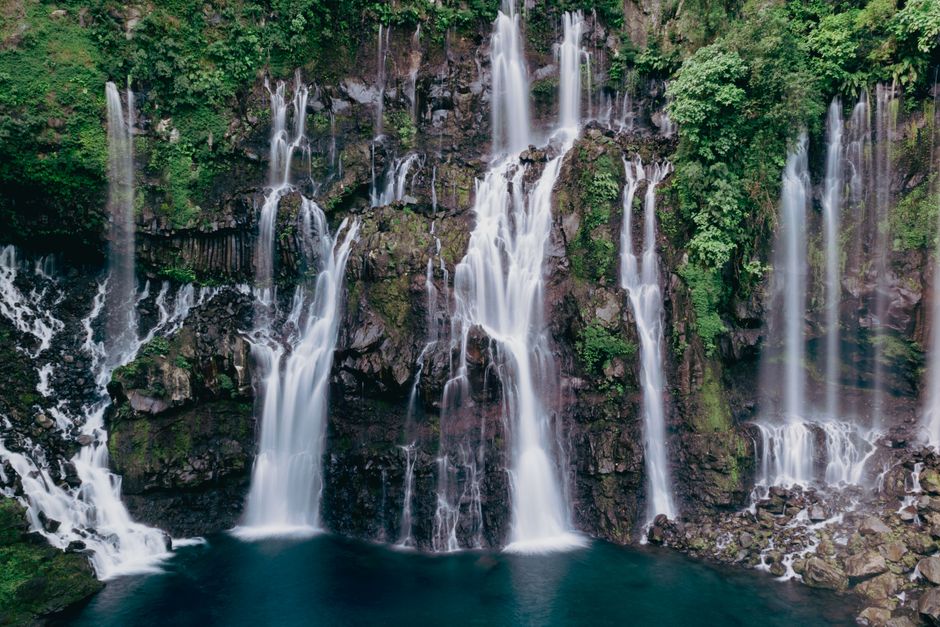
Beyond the volcanic might, Reunion Island boasts an incredible network of cirques, vast natural amphitheaters carved by erosion over millennia. The three main cirques – Mafate, Salazie, and Cilaos – each possess a distinct character and offer unique exploration opportunities. Cirque de Mafate, accessible only by helicopter or foot, is the most wild and remote, a hiker’s paradise characterized by its rugged terrain and isolated hamlets. Hiking through Mafate allows for an immersive experience in untouched nature, with trails leading to breathtaking viewpoints overlooking emerald valleys and dramatic cliffs. Cirque de Salazie, the most verdant and accessible, is renowned for its cascading waterfalls, including the spectacular Voile de la Mariée (Bridal Veil Falls). The scenic road winding through Salazie offers numerous viewpoints and picnic spots, perfect for a leisurely exploration. Cirque de Cilaos, known for its thermal springs and charming village, presents a more laid-back yet equally stunning environment. Hiking to Piton des Neiges, the island’s highest peak at 3,070 meters, often starts from Cilaos, offering a challenging climb rewarded with unparalleled 360-degree views of the entire island on clear days. Exploring these cirques is essential for understanding Reunion’s dramatic topography and its rich biodiversity.
The lush interior of Reunion Island is a haven for nature lovers and hikers. The island is crisscrossed with an extensive network of marked trails, often leading through dense tropical forests, past gushing rivers, and to secluded waterfalls. The Takamaka Forest is a prime example, offering trails through endemic vegetation and to stunning natural pools perfect for a refreshing dip. Bassins Blue and Bassins La Paix are popular natural swimming spots, with crystal-clear turquoise waters set amidst lush greenery. For those seeking a more challenging trek, the multi-day GR R2 (Grande Randonnée 2) trail traverses the island from north to south, passing through all three cirques and offering an epic adventure. Birdwatching enthusiasts will also find ample opportunities to spot endemic species within these diverse ecosystems. The sheer abundance and accessibility of hiking trails make Reunion an exceptional destination for outdoor exploration.
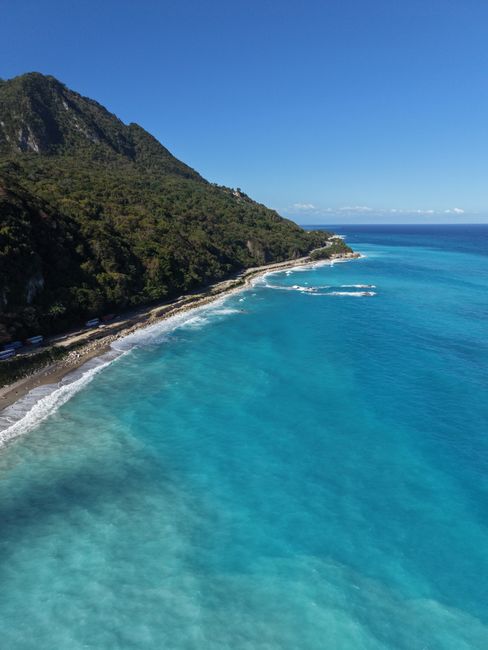
Reunion Island’s coastline offers a different but equally captivating set of experiences. While not renowned for vast stretches of white sand like some Caribbean islands, its beaches provide a unique charm and opportunities for relaxation and water sports. Saint-Gilles-les-Bains is the most popular coastal resort area, featuring sandy beaches like Plage de l’Hermitage and Plage de la Saline, known for their calm, turquoise waters protected by coral reefs, making them ideal for swimming and snorkeling. These fringed reefs are teeming with vibrant marine life, offering excellent opportunities to discover a kaleidoscope of tropical fish and corals. For those seeking a more dramatic coastal scenery, the black sand beaches near Piton de la Fournaise, formed by volcanic activity, offer a stark and beautiful contrast. Water activities such as scuba diving are highly recommended, with numerous dive sites offering encounters with sea turtles, rays, and a variety of reef fish.
For thrill-seekers, Reunion Island presents a playground of adventure sports. The island’s dramatic elevation changes and diverse landscapes lend themselves perfectly to activities like canyoning. Guided canyoning tours are available in various locations, offering the chance to rappel down waterfalls, slide down natural rock slides, and swim in pristine river pools. The Rivière Langevin and Rivière du Bras de Fer are popular spots for this exhilarating activity. Paragliding is another adrenaline-pumping option, with tandem flights offering breathtaking aerial views of the coast, cirques, and volcanic landscapes. Imagine soaring over the verdant valleys of Salazie or the dramatic coastline – an unforgettable perspective. Quad biking tours provide a fun way to explore some of the island’s more rugged terrain, particularly in the volcanic regions.
The cultural heart of Reunion Island beats strongly in its vibrant Creole culture. This unique fusion of French, African, Indian, and Chinese heritage is evident in its cuisine, music, and traditions. Exploring the local markets, such as the bustling Marché de Saint-Paul, is a sensory delight. Here, you can sample exotic fruits, local spices, and handcrafted souvenirs. The island’s cuisine is a true reflection of its multicultural past, with dishes like rougail (a spicy tomato-based relish), cari (a fragrant curry), and samoussas being local staples. Taking a cooking class is an excellent way to delve deeper into the island’s culinary traditions. Immerse yourself in the lively atmosphere of local festivals, often featuring traditional music and dance, showcasing the island’s vibrant spirit. Visiting historical sites like the Villages Créoles offers a glimpse into the island’s colonial past and architectural heritage.
No visit to Reunion Island is complete without experiencing its diverse flora and fauna. The island is a biodiversity hotspot, with a significant number of endemic species. The Conservatoire Botanique National de Mascarin is a remarkable botanical garden showcasing a vast array of endemic and exotic plants, offering a tranquil escape and an educational insight into the island’s rich botanical heritage. Birdwatching is particularly rewarding, with opportunities to spot species unique to the Mascarene Islands. The underwater world is equally captivating. Snorkeling and diving in the protected marine areas, particularly around the coral reefs, reveal a vibrant ecosystem of tropical fish, sea turtles, and even dolphins and whales during their migration season (typically July to October). The island’s commitment to preserving its natural heritage is evident in its numerous protected areas and national parks.
For those seeking a more relaxed pace, Reunion Island offers picturesque villages and towns that provide a glimpse into the island’s charm and lifestyle. Hell-Bourg, nestled in the Cirque de Salazie, is a designated "Most Beautiful Village of France" and a perfect example of traditional Creole architecture. Its colorful houses, botanical gardens, and the Maison Folio, a beautifully preserved colonial residence, make it a delightful place to explore. The coastal town of Saint-Leu offers a more bohemian vibe, with art galleries, craft shops, and a lively waterfront. The village of Grand’Anse on the south coast boasts a stunning bay with a distinctive black sand beach and is a popular spot for whale watching during the season. These charming locales offer a slower pace and an opportunity to connect with the local way of life.
Whale and dolphin watching excursions are a seasonal highlight, particularly between July and October when humpback whales migrate to the warm waters around Reunion Island to breed and calve. Boat tours depart from various coastal towns, offering a high chance of encountering these majestic creatures. Seeing a whale breach or a pod of dolphins play in their natural habitat is an awe-inspiring experience that adds a significant dimension to any visit. Even outside of whale season, the possibility of spotting dolphins is high. These marine encounters underscore the importance of the island’s rich marine biodiversity.
In summary, Reunion Island offers an extraordinary tapestry of experiences, catering to diverse interests. From the raw power of its active volcano and the dramatic landscapes of its cirques to the vibrant underwater world and the rich tapestry of its Creole culture, there is an adventure, a discovery, and a memory waiting for every traveler. The accessibility of these experiences, coupled with the island’s stunning natural beauty and unique cultural heritage, solidifies Reunion Island as a premier global destination for those seeking an unforgettable journey.