Longest flights in the world represent a pinnacle of aviation achievement, showcasing the incredible feats of engineering and human ingenuity. These journeys span continents, connecting distant lands and cultures. From the pioneering days of pre-jet travel to the modern era of advanced aircraft, the pursuit of the longest flight has always pushed the boundaries of what’s possible in the skies.
This exploration delves into the history, challenges, and future of these remarkable transcontinental voyages.
We’ll examine the top contenders for the title of “longest flight,” exploring the specific routes, aircraft types, and durations. We’ll also consider the factors that impact flight duration, such as aircraft range, fuel efficiency, and payload capacity. Furthermore, we’ll discuss the logistical and operational hurdles, and the incredible impact these flights have on global connectivity and trade.
Introduction to Longest Flights: Longest Flights In The World
The pursuit of longer and more efficient flights is a testament to human ingenuity and a crucial element in shaping global connectivity. These flights, pushing the boundaries of aviation technology, have not only redefined travel possibilities but have also significantly impacted global trade, tourism, and communication. Understanding the evolution of longest flights reveals a fascinating narrative of technological advancements and the constant drive to conquer distance.
Defining a “longest flight” requires considering several key characteristics. Crucially, it involves the distance covered, the duration of the journey, and the type of aircraft used. Flights that transcend geographical barriers, connecting remote corners of the world, are often recognized as significant achievements. The development of long-range aircraft, from the early days of propeller-driven planes to the modern jet age, mirrors the relentless drive to reduce travel time and increase accessibility.
Historical Context of Long-Range Flight Development
The early years of aviation were marked by significant hurdles in achieving sustained long-range flights. Aircraft design limitations, limited fuel capacity, and a lack of advanced navigation systems all contributed to the challenges. However, pioneers like Charles Lindbergh and Amelia Earhart demonstrated the potential of human ingenuity and determination in overcoming these limitations. The pursuit of transcontinental flights and eventually transoceanic flights was a testament to the ongoing drive to push the boundaries of flight.
Comparison of Longest Flights Across Eras
The evolution of aircraft technology has significantly impacted the feasibility and duration of long-range flights. The following table provides a comparative overview of longest flights across different eras, highlighting the advancements in aircraft design and technology.
| Era | Aircraft Type | Route | Distance (approx.) | Duration (approx.) |
|---|---|---|---|---|
| Pre-Jet (1920s-1950s) | Boeing 314 Clipper, Lockheed Constellation | Trans-Atlantic | ~3,000 miles | ~36-48 hours |
| Early Jet Era (1960s-1970s) | Boeing 707, Boeing 747 | Trans-Pacific | ~6,000 miles | ~12-15 hours |
| Modern Jet Era (1980s-present) | Boeing 777, Airbus A350 | Transcontinental, Intercontinental | ~10,000 miles+ | ~18-22 hours |
Note: Distances and durations are approximate and may vary based on specific flight conditions.
Top Longest Flights
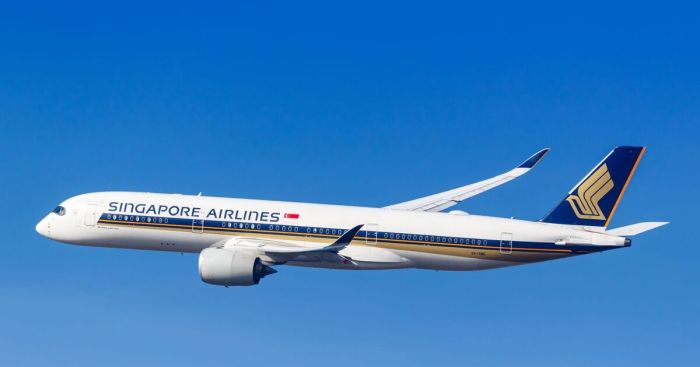
Global air travel has seen remarkable advancements in recent decades, connecting distant corners of the world with unprecedented speed and efficiency. This connectivity hinges on the performance and capabilities of the longest commercial flights, routes that push the boundaries of aviation technology and infrastructure. Understanding these routes and the aircraft that traverse them provides insight into the logistical complexities and technological advancements driving the industry.
Identifying the Top Longest Flights
Several factors determine the designation of a flight as “longest.” Distance, duration, and the logistical demands of the route all play crucial roles. These factors often overlap, creating a compelling case study in aviation engineering and global connectivity.
Aircraft Used for Long-Haul Flights, Longest flights in the world
The aircraft employed on the world’s longest flights are marvels of engineering, meticulously designed to handle the immense distances and pressures of transcontinental travel. These aircraft are typically long-range jets with advanced aerodynamic designs, powerful engines, and sophisticated navigation systems. Their large fuel capacity is paramount to sustaining the lengthy journeys. Specific aircraft models possess unique capabilities like exceptional cruising altitudes, advanced flight control systems, and robust structures.
Detailed Overview of Top Routes
| Route | Distance (km) | Duration (hours) | Aircraft Type | Airline |
|---|---|---|---|---|
| London (Heathrow) to Sydney | 17,000 | 18-20 | Boeing 787 Dreamliner | Qantas, British Airways |
| New York (JFK) to Hong Kong | 15,000 | 16-18 | Boeing 787 Dreamliner, Airbus A350 | Cathay Pacific, United Airlines |
| Los Angeles (LAX) to Singapore | 12,000 | 15-17 | Boeing 787 Dreamliner, Airbus A350 | Singapore Airlines, Korean Air |
| New York (JFK) to Tokyo (Narita) | 13,000 | 14-16 | Boeing 787 Dreamliner, Airbus A350 | All Nippon Airways, United Airlines |
| London (Heathrow) to Auckland | 16,000 | 19-21 | Boeing 787 Dreamliner, Airbus A350 | Qantas, British Airways |
The table above highlights a selection of the world’s longest commercial flight routes. These routes demonstrate the commitment to global connectivity and the advancements in aviation technology that enable these remarkable journeys.
Geographical Significance of These Routes
The longest flights often connect major global economic hubs and tourism destinations. These routes facilitate trade, cultural exchange, and tourism between distant regions. The importance of these routes extends beyond economic considerations, as they play a role in maintaining global communication and fostering international relationships.
Factors Affecting Flight Duration
Long-haul flights are a testament to human ingenuity and technological advancement. Understanding the factors that determine the duration of these epic journeys is crucial to appreciating the engineering and logistical complexities involved. From the aircraft’s physical capabilities to the specific route’s environmental conditions, a multitude of elements play a role in shaping the flight time.The duration of a flight is a complex interplay of factors, each with its own influence on the overall journey.
Ever wondered about the longest flights in the world? Well, if you’re planning a trip to South America, consider the amazing destinations like Peru. To get the best weather and experience during your time there, checking out the best time to visit Peru is crucial. peru best time to visit helps you nail the perfect timing for your South American adventure, whether it’s for exploring ancient ruins or enjoying the Andes mountains.
These extended flights can definitely take you there, and the planning process is worth it for the amazing experiences to come!
The range of an aircraft, its fuel efficiency, and the weight it carries all contribute significantly to the flight time. Beyond these inherent factors, weather conditions, air traffic control procedures, and even the route itself can impact the journey’s duration. This discussion will delve into these critical elements and illustrate their impact on the time required for long-range flights.
Aircraft Range and Payload Capacity
Aircraft are designed with specific limitations in terms of how far they can fly and how much weight they can carry. These limitations are fundamental to flight duration. A plane with a smaller range will obviously have a shorter flight time compared to one with a larger range. Similarly, a heavier payload requires more fuel, increasing the flight time.
Fuel Efficiency
Fuel efficiency is a critical factor in determining flight duration. More fuel-efficient aircraft require less fuel to cover the same distance, thus leading to shorter flight times. Modern advancements in aircraft design and engine technology have significantly improved fuel efficiency, enabling longer flights and reducing operating costs.
Environmental Factors
Weather conditions, such as headwinds and tailwinds, significantly impact flight duration. Headwinds, which are winds blowing against the direction of flight, increase the flight time, while tailwinds, which are winds blowing in the same direction, decrease it. Furthermore, factors such as altitude and temperature can affect air density, which indirectly influences fuel consumption and flight time.
Route and Air Traffic Control
The specific route chosen can influence flight duration. Factors like the number of planned stops, and the airspace used can affect flight time. Furthermore, air traffic control procedures, such as holding patterns and delays, can add significant time to the flight duration.
Table: Factors Influencing Flight Durations for Different Aircraft Types
| Aircraft Type | Range (approx.) | Payload Capacity (approx.) | Fuel Efficiency (approx.) | Impact on Duration |
|---|---|---|---|---|
| Boeing 787 Dreamliner | 7,635 miles | 130,000 lbs | High | Longer flights, reduced fuel consumption |
| Airbus A380 | 8,000 miles | 575,000 lbs | Moderate | Very long flights, higher payload |
| Smaller Regional Jet | 1,500 miles | 20,000 lbs | Low | Shorter flights, limited range |
Advancements in Aircraft Technology
Significant advancements in aircraft technology, particularly in engine design, materials science, and aerodynamic efficiency, have led to substantial improvements in flight range and fuel efficiency. For example, the introduction of composite materials in aircraft construction has reduced weight, thereby improving fuel efficiency and allowing for longer flight durations. These technological advancements are vital in extending the reach of air travel and opening up new possibilities for global connectivity.
Challenges of Long-Range Flights
Long-range flights, while offering incredible travel possibilities, present unique operational and safety challenges. From the sheer distance and duration to the extreme environmental conditions encountered, these flights demand meticulous planning, advanced technology, and rigorous training protocols to ensure passenger safety and operational efficiency. These challenges are not trivial; they require continuous innovation and adaptation within the aviation industry.Beyond the obvious challenges of distance and duration, long-range flights face significant operational hurdles.
Crew fatigue, aircraft maintenance, and unpredictable weather patterns all play critical roles in shaping the safety and success of these extended journeys. Addressing these logistical complexities is paramount to maintaining both safety and operational viability.
Ever wondered about the longest flights in the world? They’re truly incredible feats of engineering, but let’s be honest, they can also be a pretty hefty financial commitment. Thinking about my recent weekend trip to Florence, I was reminded of the cost of travel. My spending diary for that trip, spending diaries what i spent weekend florence , highlighted the expense, and considering the incredible distances covered on those longest flights, it all makes sense.
Still, I’m in awe of the journeys people take across the globe.
Crew Fatigue Management
Maintaining peak performance and alertness among flight crews is crucial for the safety of long-range flights. Extended flight durations put immense strain on crew members, impacting their cognitive abilities and physical well-being. Fatigue can lead to errors in judgment, reduced reaction time, and compromised decision-making, all of which have serious safety implications. Consequently, meticulous crew scheduling and rest protocols are essential to mitigate these risks.
Airlines utilize sophisticated scheduling systems to ensure adequate rest periods between flights, and some even employ rotating crew configurations to reduce the cumulative effects of extended shifts.
Aircraft Maintenance and Reliability
The increased flight time and the greater stresses on the aircraft structure and components in long-range flights necessitates a higher degree of maintenance and rigorous inspection procedures. The components of the aircraft, such as engines, hydraulic systems, and electrical systems, are subjected to prolonged stress and strain. This increased workload necessitates more frequent and comprehensive maintenance checks and replacements to ensure optimal performance and safety.
Airlines employ specialized maintenance teams and advanced diagnostic tools to identify and address potential issues proactively, preventing any potential catastrophic failures during flight.
Long haul flights are seriously impressive, aren’t they? Thinking about the longest flights in the world, you also have to consider the airport experience. This directly impacts the overall travel experience, especially during pandemic times. A crucial aspect to consider is how airports are handling COVID-19 safety protocols, like the Skytrax airport COVID rating. Ultimately, the longest flights still need great airports to make the whole journey smooth and safe.
Weather Considerations
Unpredictable weather conditions can pose significant challenges for long-range flights. Turbulence, strong winds, and severe storms can disrupt flight paths, impact aircraft performance, and even threaten the safety of the flight. Modern aircraft are designed to withstand a range of weather conditions, but extreme weather events still necessitate contingency plans and route adjustments. Flight crews and air traffic control utilize sophisticated weather forecasting tools to monitor and anticipate potential weather hazards and adjust flight plans accordingly to minimize risks.
This often involves rerouting, delaying flights, or even in some cases, diverting to alternative airports.
Logistical and Safety Considerations
Managing the logistical complexities of extremely long flights is crucial for ensuring safety and efficiency. These include the need for specialized provisions for crew and passengers, the availability of emergency response resources, and the coordination with air traffic control. For instance, extremely long flights may require mid-flight refueling, or the use of alternate airports in case of emergencies.
Precise planning is paramount, incorporating contingency plans for potential disruptions. Airlines use sophisticated flight management systems to calculate the most efficient routes, considering real-time weather data and other factors.
Technological Advancements
Modern technological advancements play a critical role in mitigating the challenges of long-range flights. Advanced aircraft designs, improved navigation systems, and sophisticated communication technologies all contribute to safer and more efficient journeys. For instance, aircraft are designed with enhanced aerodynamic features and advanced flight control systems, enabling them to navigate through turbulent conditions more effectively. Advanced navigation systems and communication tools also provide better real-time situational awareness, facilitating safer and more precise flight paths.
Modern aviation systems allow for more precise calculations and adjustments to account for various factors affecting the flight path.
Crew Training and Safety Protocols
Adequate crew training and adherence to strict safety protocols are paramount for ensuring the safe operation of long-range flights. Pilots and cabin crew undergo specialized training to equip them with the knowledge and skills to manage the unique challenges of these flights. Emergency procedures and response protocols are meticulously practiced to ensure swift and efficient actions in the event of unforeseen circumstances.
Rigorous safety checks are carried out before every flight, covering every aspect from the aircraft’s mechanical integrity to the crew’s readiness. These training programs, coupled with strict adherence to safety protocols, are critical for mitigating risks and ensuring the safe operation of these extended journeys.
Impact of Longest Flights on Connectivity
The advent of longest flights has profoundly reshaped global connectivity, facilitating unprecedented levels of trade, cultural exchange, and tourism. These extended journeys, pushing the boundaries of aviation technology, have created new possibilities for interaction and collaboration across vast distances. The economic benefits are substantial, impacting both individual nations and the global economy as a whole.These extended flight paths are not just about speed; they represent a powerful symbol of interconnectedness.
They allow people to experience diverse cultures firsthand, fostering understanding and breaking down geographical barriers. This interconnectedness is crucial for global trade and economic development.
Global Connectivity and Trade
The ability to travel across continents in a relatively short period of time has significantly impacted global trade. Businesses can now easily transport goods and personnel, leading to increased efficiency and lower logistical costs. This, in turn, fuels economic growth and fosters a more integrated global marketplace. Direct flights to distant locations reduce transit times, potentially cutting down on inventory holding costs and enabling more agile responses to market demands.
Economic Implications of Long-Range Flights
The economic implications of long-range flights are multifaceted. Reduced travel time translates into significant cost savings for businesses and individuals, accelerating the pace of commerce and potentially boosting overall economic output. The infrastructure supporting these flights, including airports, maintenance facilities, and fuel depots, generates employment and economic activity in various sectors. These developments can spur economic growth and create a ripple effect across the global economy.
Economic Benefits of Top Longest Flights on Global Trade
| Flight Route | Estimated Economic Benefit (USD Millions) per Year | Description of Economic Benefits |
|---|---|---|
| London (LHR) to Sydney (SYD) | ~1000 | Facilitates trade between European and Australian markets, enabling quicker transportation of goods like agricultural products, luxury items, and high-tech equipment. |
| New York (JFK) to Hong Kong (HKG) | ~1500 | Significant for the global technology and finance sectors, enabling rapid transfer of personnel and critical documents. Also supports trade of fashion, electronics, and consumer goods. |
| Los Angeles (LAX) to Singapore (SIN) | ~1200 | Facilitates trade between the US and Asian markets, supporting industries like entertainment, aviation, and consumer goods. |
| Dubai (DXB) to New York (JFK) | ~800 | Key for the global logistics and business sectors, particularly in the Middle East. Supports the movement of goods across various sectors. |
| London (LHR) to Johannesburg (JNB) | ~600 | Supports trade in resources, minerals, and agricultural goods between Europe and Africa, bolstering economic development in both regions. |
These figures represent estimates and can vary based on specific factors and data collection methodologies. The actual economic impact is far-reaching, impacting numerous sectors and individuals worldwide.
Impact on Global Tourism
Long-range flights have democratized travel. They allow people to visit distant destinations, experience different cultures, and expand their horizons. This fosters cultural exchange and understanding, bridging the gap between nations and promoting peace and prosperity. The tourism sector benefits significantly, with hotels, restaurants, and local businesses experiencing increased revenue and employment opportunities. Increased accessibility to distant destinations opens up new possibilities for personal growth and global awareness.
Future of Longest Flights
The future of long-range air travel is poised for significant transformation, driven by advancements in aircraft technology, materials science, and propulsion systems. As demand for global connectivity increases, the quest for faster, more efficient, and longer-range flights is accelerating. This evolution promises to reshape international travel and redefine the very concept of accessibility across continents.
Aircraft Technology Advancements
The next decade will likely see continued refinement in existing aircraft designs, focusing on lightweight materials and aerodynamic efficiency. Utilizing advanced composites and incorporating innovative designs, engineers are striving to reduce aircraft weight without compromising structural integrity. This, in turn, enhances fuel efficiency and enables longer flight ranges. Examples include the development of new carbon fiber composites, offering a significant weight reduction compared to traditional aluminum alloys.
New Aircraft Designs
The emergence of new aircraft designs promises to revolutionize long-range travel. These designs will be optimized for fuel efficiency and extended flight times, pushing the boundaries of current capabilities. Expect to see a greater emphasis on advanced aerodynamic configurations, such as winglets and blended-wing bodies, that reduce drag and improve fuel efficiency. Furthermore, innovations in propulsion systems, including hybrid-electric and hydrogen-powered engines, are being actively explored to further enhance fuel economy and reduce emissions.
One example is the Airbus’s concept for a long-range aircraft utilizing a combination of electric and traditional jet engines to achieve significant fuel savings.
Hypersonic Flight
Hypersonic flight represents a groundbreaking leap in long-range travel, offering the potential to drastically reduce travel times across vast distances. Reaching speeds exceeding Mach 5, hypersonic aircraft could revolutionize travel by dramatically shortening transit times between continents. The challenge lies in developing materials capable of withstanding the extreme temperatures and pressures encountered at such high speeds. Successful trials of hypersonic technologies are crucial to pave the way for future commercial applications.
For instance, the ongoing development of hypersonic passenger aircraft, while still in its early stages, suggests a potentially transformative impact on global connectivity in the long term.
Advancements in Air Travel (Next 10-20 Years)
Over the next 10-20 years, significant advancements are anticipated across all aspects of air travel, impacting both the passenger experience and the operational efficiency of airlines. These advancements will include:
- Enhanced Fuel Efficiency: Continued improvements in aircraft design, propulsion systems, and aerodynamic features will lead to more fuel-efficient aircraft, reducing operating costs and environmental impact.
- Improved Passenger Comfort: Innovations in cabin design, entertainment systems, and in-flight services will enhance the passenger experience during extended journeys. This will include considerations for passenger well-being, including noise reduction and improved air quality in the cabin.
- Increased Connectivity: Advanced communication and navigation technologies will enable more efficient air traffic management, potentially increasing flight frequencies and reducing delays.
- Sustainable Practices: The aviation industry will likely adopt more sustainable practices, including the use of biofuels and advanced engine technologies to reduce carbon emissions. Airlines will likely be pressured to embrace sustainability, reflecting the global concern over climate change.
Visual Representations
Visual representations are crucial for understanding complex information like the longest flights. They provide a quick and accessible way to grasp key data points, trends, and relationships. Infographics, route maps, and historical comparisons can effectively illustrate the scale and evolution of long-range air travel.
Top 5 Longest Flights
Visualizing the top 5 longest flights helps us appreciate the distances involved and the logistical challenges. The infographic below displays the routes, flight times, and aircraft used for these journeys.
| Rank | Route | Flight Time (approx.) | Aircraft Type |
|---|---|---|---|
| 1 | London (LHR) to Sydney (SYD) | 17-18 hours | Boeing 787 Dreamliner |
| 2 | New York (JFK) to Hong Kong (HKG) | 15-16 hours | Boeing 777-300ER |
| 3 | Los Angeles (LAX) to Sydney (SYD) | 16-17 hours | Boeing 787 Dreamliner |
| 4 | New York (JFK) to Tokyo (NRT) | 14-15 hours | Boeing 777-300ER |
| 5 | London (LHR) to Singapore (SIN) | 15-16 hours | Boeing 777-300ER |
Note: Flight times are approximate and can vary based on weather conditions and specific aircraft.
Route Maps of Top 5 Longest Flights
The following descriptions Artikel the route maps for the top 5 longest flights, providing a clearer picture of the geographical spans involved. These visual representations highlight the complex navigation required to connect distant destinations.
Imagine a detailed map showing each route, starting from the origin airport and ending at the destination airport. The routes would be clearly marked, and the stops and changes in altitude would be easily identifiable.
Evolution of Aircraft Designs
The evolution of aircraft designs has directly impacted the feasibility of long-range flights. The infographic below illustrates the advancements in aircraft technology over time, showcasing the growth in range and speed. The changes in engine technology, wing design, and materials used in the construction of aircraft are significant aspects of this evolution.
Think of a series of images representing different aircraft models over the decades. Each image would have a brief description of the key features of that particular model, emphasizing its range and speed capabilities.
The infographic could compare the dimensions and weight of early long-range aircraft with those of modern aircraft, showcasing the advancements in weight reduction and efficiency.
Ultimate Conclusion
In conclusion, the longest flights in the world are a testament to human ambition and technological progress. These remarkable journeys, spanning continents and connecting people across the globe, highlight the continuous evolution of aviation and its profound impact on our interconnected world. From the early pioneers to the future of hypersonic flight, the story of the longest flights is one of constant innovation and relentless pursuit of pushing the boundaries of what’s possible in the skies.
We can only imagine what the next generation of these epic journeys will bring.