Tag: long-haul flights

  • Longest Flights in the World A Journey Through the Skies

    Longest Flights in the World A Journey Through the Skies

    Longest flights in the world represent a pinnacle of aviation achievement, showcasing the incredible feats of engineering and human ingenuity. These journeys span continents, connecting distant lands and cultures. From the pioneering days of pre-jet travel to the modern era of advanced aircraft, the pursuit of the longest flight has always pushed the boundaries of what’s possible in the skies.

    This exploration delves into the history, challenges, and future of these remarkable transcontinental voyages.

    We’ll examine the top contenders for the title of “longest flight,” exploring the specific routes, aircraft types, and durations. We’ll also consider the factors that impact flight duration, such as aircraft range, fuel efficiency, and payload capacity. Furthermore, we’ll discuss the logistical and operational hurdles, and the incredible impact these flights have on global connectivity and trade.

    Introduction to Longest Flights: Longest Flights In The World

    The pursuit of longer and more efficient flights is a testament to human ingenuity and a crucial element in shaping global connectivity. These flights, pushing the boundaries of aviation technology, have not only redefined travel possibilities but have also significantly impacted global trade, tourism, and communication. Understanding the evolution of longest flights reveals a fascinating narrative of technological advancements and the constant drive to conquer distance.

    Defining a “longest flight” requires considering several key characteristics. Crucially, it involves the distance covered, the duration of the journey, and the type of aircraft used. Flights that transcend geographical barriers, connecting remote corners of the world, are often recognized as significant achievements. The development of long-range aircraft, from the early days of propeller-driven planes to the modern jet age, mirrors the relentless drive to reduce travel time and increase accessibility.

    Historical Context of Long-Range Flight Development

    The early years of aviation were marked by significant hurdles in achieving sustained long-range flights. Aircraft design limitations, limited fuel capacity, and a lack of advanced navigation systems all contributed to the challenges. However, pioneers like Charles Lindbergh and Amelia Earhart demonstrated the potential of human ingenuity and determination in overcoming these limitations. The pursuit of transcontinental flights and eventually transoceanic flights was a testament to the ongoing drive to push the boundaries of flight.

    Comparison of Longest Flights Across Eras

    The evolution of aircraft technology has significantly impacted the feasibility and duration of long-range flights. The following table provides a comparative overview of longest flights across different eras, highlighting the advancements in aircraft design and technology.

    Era Aircraft Type Route Distance (approx.) Duration (approx.)
    Pre-Jet (1920s-1950s) Boeing 314 Clipper, Lockheed Constellation Trans-Atlantic ~3,000 miles ~36-48 hours
    Early Jet Era (1960s-1970s) Boeing 707, Boeing 747 Trans-Pacific ~6,000 miles ~12-15 hours
    Modern Jet Era (1980s-present) Boeing 777, Airbus A350 Transcontinental, Intercontinental ~10,000 miles+ ~18-22 hours

    Note: Distances and durations are approximate and may vary based on specific flight conditions.

    Top Longest Flights
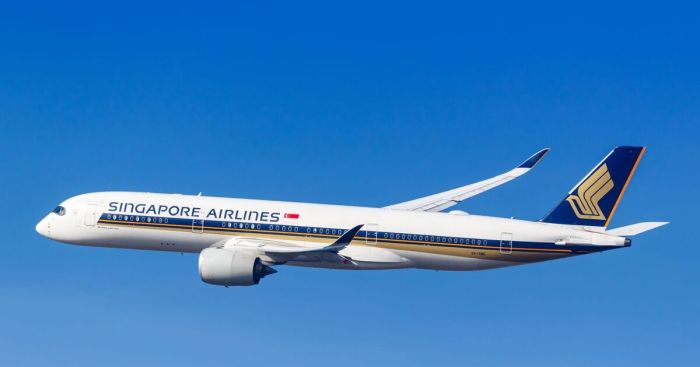
    Longest flights in the world

    Global air travel has seen remarkable advancements in recent decades, connecting distant corners of the world with unprecedented speed and efficiency. This connectivity hinges on the performance and capabilities of the longest commercial flights, routes that push the boundaries of aviation technology and infrastructure. Understanding these routes and the aircraft that traverse them provides insight into the logistical complexities and technological advancements driving the industry.

    Identifying the Top Longest Flights

    Several factors determine the designation of a flight as “longest.” Distance, duration, and the logistical demands of the route all play crucial roles. These factors often overlap, creating a compelling case study in aviation engineering and global connectivity.

    Aircraft Used for Long-Haul Flights, Longest flights in the world

    The aircraft employed on the world’s longest flights are marvels of engineering, meticulously designed to handle the immense distances and pressures of transcontinental travel. These aircraft are typically long-range jets with advanced aerodynamic designs, powerful engines, and sophisticated navigation systems. Their large fuel capacity is paramount to sustaining the lengthy journeys. Specific aircraft models possess unique capabilities like exceptional cruising altitudes, advanced flight control systems, and robust structures.

    Detailed Overview of Top Routes

    Route Distance (km) Duration (hours) Aircraft Type Airline
    London (Heathrow) to Sydney 17,000 18-20 Boeing 787 Dreamliner Qantas, British Airways
    New York (JFK) to Hong Kong 15,000 16-18 Boeing 787 Dreamliner, Airbus A350 Cathay Pacific, United Airlines
    Los Angeles (LAX) to Singapore 12,000 15-17 Boeing 787 Dreamliner, Airbus A350 Singapore Airlines, Korean Air
    New York (JFK) to Tokyo (Narita) 13,000 14-16 Boeing 787 Dreamliner, Airbus A350 All Nippon Airways, United Airlines
    London (Heathrow) to Auckland 16,000 19-21 Boeing 787 Dreamliner, Airbus A350 Qantas, British Airways

    The table above highlights a selection of the world’s longest commercial flight routes. These routes demonstrate the commitment to global connectivity and the advancements in aviation technology that enable these remarkable journeys.

    Geographical Significance of These Routes

    The longest flights often connect major global economic hubs and tourism destinations. These routes facilitate trade, cultural exchange, and tourism between distant regions. The importance of these routes extends beyond economic considerations, as they play a role in maintaining global communication and fostering international relationships.

    Factors Affecting Flight Duration
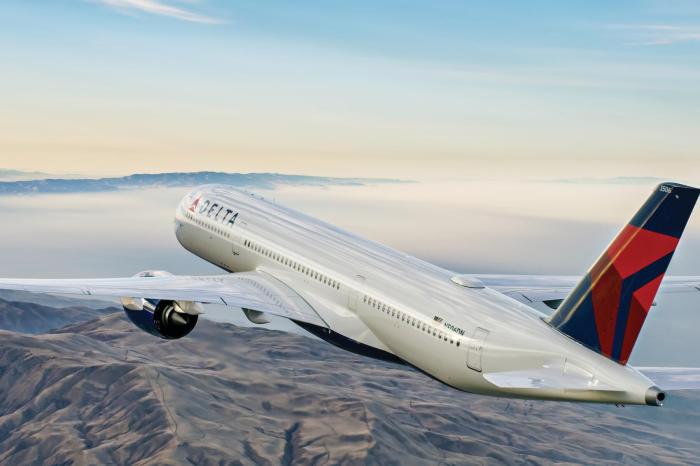
    Longest flights in the world

    Long-haul flights are a testament to human ingenuity and technological advancement. Understanding the factors that determine the duration of these epic journeys is crucial to appreciating the engineering and logistical complexities involved. From the aircraft’s physical capabilities to the specific route’s environmental conditions, a multitude of elements play a role in shaping the flight time.The duration of a flight is a complex interplay of factors, each with its own influence on the overall journey.

    Ever wondered about the longest flights in the world? Well, if you’re planning a trip to South America, consider the amazing destinations like Peru. To get the best weather and experience during your time there, checking out the best time to visit Peru is crucial. peru best time to visit helps you nail the perfect timing for your South American adventure, whether it’s for exploring ancient ruins or enjoying the Andes mountains.

    These extended flights can definitely take you there, and the planning process is worth it for the amazing experiences to come!

    The range of an aircraft, its fuel efficiency, and the weight it carries all contribute significantly to the flight time. Beyond these inherent factors, weather conditions, air traffic control procedures, and even the route itself can impact the journey’s duration. This discussion will delve into these critical elements and illustrate their impact on the time required for long-range flights.

    Aircraft Range and Payload Capacity

    Aircraft are designed with specific limitations in terms of how far they can fly and how much weight they can carry. These limitations are fundamental to flight duration. A plane with a smaller range will obviously have a shorter flight time compared to one with a larger range. Similarly, a heavier payload requires more fuel, increasing the flight time.

    Fuel Efficiency

    Fuel efficiency is a critical factor in determining flight duration. More fuel-efficient aircraft require less fuel to cover the same distance, thus leading to shorter flight times. Modern advancements in aircraft design and engine technology have significantly improved fuel efficiency, enabling longer flights and reducing operating costs.

    Environmental Factors

    Weather conditions, such as headwinds and tailwinds, significantly impact flight duration. Headwinds, which are winds blowing against the direction of flight, increase the flight time, while tailwinds, which are winds blowing in the same direction, decrease it. Furthermore, factors such as altitude and temperature can affect air density, which indirectly influences fuel consumption and flight time.

    Route and Air Traffic Control

    The specific route chosen can influence flight duration. Factors like the number of planned stops, and the airspace used can affect flight time. Furthermore, air traffic control procedures, such as holding patterns and delays, can add significant time to the flight duration.

    Table: Factors Influencing Flight Durations for Different Aircraft Types

    Aircraft Type Range (approx.) Payload Capacity (approx.) Fuel Efficiency (approx.) Impact on Duration
    Boeing 787 Dreamliner 7,635 miles 130,000 lbs High Longer flights, reduced fuel consumption
    Airbus A380 8,000 miles 575,000 lbs Moderate Very long flights, higher payload
    Smaller Regional Jet 1,500 miles 20,000 lbs Low Shorter flights, limited range

    Advancements in Aircraft Technology

    Significant advancements in aircraft technology, particularly in engine design, materials science, and aerodynamic efficiency, have led to substantial improvements in flight range and fuel efficiency. For example, the introduction of composite materials in aircraft construction has reduced weight, thereby improving fuel efficiency and allowing for longer flight durations. These technological advancements are vital in extending the reach of air travel and opening up new possibilities for global connectivity.

    Challenges of Long-Range Flights

    Long-range flights, while offering incredible travel possibilities, present unique operational and safety challenges. From the sheer distance and duration to the extreme environmental conditions encountered, these flights demand meticulous planning, advanced technology, and rigorous training protocols to ensure passenger safety and operational efficiency. These challenges are not trivial; they require continuous innovation and adaptation within the aviation industry.Beyond the obvious challenges of distance and duration, long-range flights face significant operational hurdles.

    Crew fatigue, aircraft maintenance, and unpredictable weather patterns all play critical roles in shaping the safety and success of these extended journeys. Addressing these logistical complexities is paramount to maintaining both safety and operational viability.

    Ever wondered about the longest flights in the world? They’re truly incredible feats of engineering, but let’s be honest, they can also be a pretty hefty financial commitment. Thinking about my recent weekend trip to Florence, I was reminded of the cost of travel. My spending diary for that trip, spending diaries what i spent weekend florence , highlighted the expense, and considering the incredible distances covered on those longest flights, it all makes sense.

    Still, I’m in awe of the journeys people take across the globe.

    Crew Fatigue Management

    Maintaining peak performance and alertness among flight crews is crucial for the safety of long-range flights. Extended flight durations put immense strain on crew members, impacting their cognitive abilities and physical well-being. Fatigue can lead to errors in judgment, reduced reaction time, and compromised decision-making, all of which have serious safety implications. Consequently, meticulous crew scheduling and rest protocols are essential to mitigate these risks.

    Airlines utilize sophisticated scheduling systems to ensure adequate rest periods between flights, and some even employ rotating crew configurations to reduce the cumulative effects of extended shifts.

    Aircraft Maintenance and Reliability

    The increased flight time and the greater stresses on the aircraft structure and components in long-range flights necessitates a higher degree of maintenance and rigorous inspection procedures. The components of the aircraft, such as engines, hydraulic systems, and electrical systems, are subjected to prolonged stress and strain. This increased workload necessitates more frequent and comprehensive maintenance checks and replacements to ensure optimal performance and safety.

    Airlines employ specialized maintenance teams and advanced diagnostic tools to identify and address potential issues proactively, preventing any potential catastrophic failures during flight.

    Long haul flights are seriously impressive, aren’t they? Thinking about the longest flights in the world, you also have to consider the airport experience. This directly impacts the overall travel experience, especially during pandemic times. A crucial aspect to consider is how airports are handling COVID-19 safety protocols, like the Skytrax airport COVID rating. Ultimately, the longest flights still need great airports to make the whole journey smooth and safe.

    Weather Considerations

    Unpredictable weather conditions can pose significant challenges for long-range flights. Turbulence, strong winds, and severe storms can disrupt flight paths, impact aircraft performance, and even threaten the safety of the flight. Modern aircraft are designed to withstand a range of weather conditions, but extreme weather events still necessitate contingency plans and route adjustments. Flight crews and air traffic control utilize sophisticated weather forecasting tools to monitor and anticipate potential weather hazards and adjust flight plans accordingly to minimize risks.

    This often involves rerouting, delaying flights, or even in some cases, diverting to alternative airports.

    Logistical and Safety Considerations

    Managing the logistical complexities of extremely long flights is crucial for ensuring safety and efficiency. These include the need for specialized provisions for crew and passengers, the availability of emergency response resources, and the coordination with air traffic control. For instance, extremely long flights may require mid-flight refueling, or the use of alternate airports in case of emergencies.

    Precise planning is paramount, incorporating contingency plans for potential disruptions. Airlines use sophisticated flight management systems to calculate the most efficient routes, considering real-time weather data and other factors.

    Technological Advancements

    Modern technological advancements play a critical role in mitigating the challenges of long-range flights. Advanced aircraft designs, improved navigation systems, and sophisticated communication technologies all contribute to safer and more efficient journeys. For instance, aircraft are designed with enhanced aerodynamic features and advanced flight control systems, enabling them to navigate through turbulent conditions more effectively. Advanced navigation systems and communication tools also provide better real-time situational awareness, facilitating safer and more precise flight paths.

    Modern aviation systems allow for more precise calculations and adjustments to account for various factors affecting the flight path.

    Crew Training and Safety Protocols

    Adequate crew training and adherence to strict safety protocols are paramount for ensuring the safe operation of long-range flights. Pilots and cabin crew undergo specialized training to equip them with the knowledge and skills to manage the unique challenges of these flights. Emergency procedures and response protocols are meticulously practiced to ensure swift and efficient actions in the event of unforeseen circumstances.

    Rigorous safety checks are carried out before every flight, covering every aspect from the aircraft’s mechanical integrity to the crew’s readiness. These training programs, coupled with strict adherence to safety protocols, are critical for mitigating risks and ensuring the safe operation of these extended journeys.

    Impact of Longest Flights on Connectivity

    The advent of longest flights has profoundly reshaped global connectivity, facilitating unprecedented levels of trade, cultural exchange, and tourism. These extended journeys, pushing the boundaries of aviation technology, have created new possibilities for interaction and collaboration across vast distances. The economic benefits are substantial, impacting both individual nations and the global economy as a whole.These extended flight paths are not just about speed; they represent a powerful symbol of interconnectedness.

    They allow people to experience diverse cultures firsthand, fostering understanding and breaking down geographical barriers. This interconnectedness is crucial for global trade and economic development.

    Global Connectivity and Trade

    The ability to travel across continents in a relatively short period of time has significantly impacted global trade. Businesses can now easily transport goods and personnel, leading to increased efficiency and lower logistical costs. This, in turn, fuels economic growth and fosters a more integrated global marketplace. Direct flights to distant locations reduce transit times, potentially cutting down on inventory holding costs and enabling more agile responses to market demands.

    Economic Implications of Long-Range Flights

    The economic implications of long-range flights are multifaceted. Reduced travel time translates into significant cost savings for businesses and individuals, accelerating the pace of commerce and potentially boosting overall economic output. The infrastructure supporting these flights, including airports, maintenance facilities, and fuel depots, generates employment and economic activity in various sectors. These developments can spur economic growth and create a ripple effect across the global economy.

    Economic Benefits of Top Longest Flights on Global Trade

    Flight Route Estimated Economic Benefit (USD Millions) per Year Description of Economic Benefits
    London (LHR) to Sydney (SYD) ~1000 Facilitates trade between European and Australian markets, enabling quicker transportation of goods like agricultural products, luxury items, and high-tech equipment.
    New York (JFK) to Hong Kong (HKG) ~1500 Significant for the global technology and finance sectors, enabling rapid transfer of personnel and critical documents. Also supports trade of fashion, electronics, and consumer goods.
    Los Angeles (LAX) to Singapore (SIN) ~1200 Facilitates trade between the US and Asian markets, supporting industries like entertainment, aviation, and consumer goods.
    Dubai (DXB) to New York (JFK) ~800 Key for the global logistics and business sectors, particularly in the Middle East. Supports the movement of goods across various sectors.
    London (LHR) to Johannesburg (JNB) ~600 Supports trade in resources, minerals, and agricultural goods between Europe and Africa, bolstering economic development in both regions.

    These figures represent estimates and can vary based on specific factors and data collection methodologies. The actual economic impact is far-reaching, impacting numerous sectors and individuals worldwide.

    Impact on Global Tourism

    Long-range flights have democratized travel. They allow people to visit distant destinations, experience different cultures, and expand their horizons. This fosters cultural exchange and understanding, bridging the gap between nations and promoting peace and prosperity. The tourism sector benefits significantly, with hotels, restaurants, and local businesses experiencing increased revenue and employment opportunities. Increased accessibility to distant destinations opens up new possibilities for personal growth and global awareness.

    Future of Longest Flights

    The future of long-range air travel is poised for significant transformation, driven by advancements in aircraft technology, materials science, and propulsion systems. As demand for global connectivity increases, the quest for faster, more efficient, and longer-range flights is accelerating. This evolution promises to reshape international travel and redefine the very concept of accessibility across continents.

    Aircraft Technology Advancements

    The next decade will likely see continued refinement in existing aircraft designs, focusing on lightweight materials and aerodynamic efficiency. Utilizing advanced composites and incorporating innovative designs, engineers are striving to reduce aircraft weight without compromising structural integrity. This, in turn, enhances fuel efficiency and enables longer flight ranges. Examples include the development of new carbon fiber composites, offering a significant weight reduction compared to traditional aluminum alloys.

    New Aircraft Designs

    The emergence of new aircraft designs promises to revolutionize long-range travel. These designs will be optimized for fuel efficiency and extended flight times, pushing the boundaries of current capabilities. Expect to see a greater emphasis on advanced aerodynamic configurations, such as winglets and blended-wing bodies, that reduce drag and improve fuel efficiency. Furthermore, innovations in propulsion systems, including hybrid-electric and hydrogen-powered engines, are being actively explored to further enhance fuel economy and reduce emissions.

    One example is the Airbus’s concept for a long-range aircraft utilizing a combination of electric and traditional jet engines to achieve significant fuel savings.

    Hypersonic Flight

    Hypersonic flight represents a groundbreaking leap in long-range travel, offering the potential to drastically reduce travel times across vast distances. Reaching speeds exceeding Mach 5, hypersonic aircraft could revolutionize travel by dramatically shortening transit times between continents. The challenge lies in developing materials capable of withstanding the extreme temperatures and pressures encountered at such high speeds. Successful trials of hypersonic technologies are crucial to pave the way for future commercial applications.

    For instance, the ongoing development of hypersonic passenger aircraft, while still in its early stages, suggests a potentially transformative impact on global connectivity in the long term.

    Advancements in Air Travel (Next 10-20 Years)

    Over the next 10-20 years, significant advancements are anticipated across all aspects of air travel, impacting both the passenger experience and the operational efficiency of airlines. These advancements will include:

    • Enhanced Fuel Efficiency: Continued improvements in aircraft design, propulsion systems, and aerodynamic features will lead to more fuel-efficient aircraft, reducing operating costs and environmental impact.
    • Improved Passenger Comfort: Innovations in cabin design, entertainment systems, and in-flight services will enhance the passenger experience during extended journeys. This will include considerations for passenger well-being, including noise reduction and improved air quality in the cabin.
    • Increased Connectivity: Advanced communication and navigation technologies will enable more efficient air traffic management, potentially increasing flight frequencies and reducing delays.
    • Sustainable Practices: The aviation industry will likely adopt more sustainable practices, including the use of biofuels and advanced engine technologies to reduce carbon emissions. Airlines will likely be pressured to embrace sustainability, reflecting the global concern over climate change.

    Visual Representations

    Visual representations are crucial for understanding complex information like the longest flights. They provide a quick and accessible way to grasp key data points, trends, and relationships. Infographics, route maps, and historical comparisons can effectively illustrate the scale and evolution of long-range air travel.

    Top 5 Longest Flights

    Visualizing the top 5 longest flights helps us appreciate the distances involved and the logistical challenges. The infographic below displays the routes, flight times, and aircraft used for these journeys.

    Rank Route Flight Time (approx.) Aircraft Type
    1 London (LHR) to Sydney (SYD) 17-18 hours Boeing 787 Dreamliner
    2 New York (JFK) to Hong Kong (HKG) 15-16 hours Boeing 777-300ER
    3 Los Angeles (LAX) to Sydney (SYD) 16-17 hours Boeing 787 Dreamliner
    4 New York (JFK) to Tokyo (NRT) 14-15 hours Boeing 777-300ER
    5 London (LHR) to Singapore (SIN) 15-16 hours Boeing 777-300ER

    Note: Flight times are approximate and can vary based on weather conditions and specific aircraft.

    Route Maps of Top 5 Longest Flights

    The following descriptions Artikel the route maps for the top 5 longest flights, providing a clearer picture of the geographical spans involved. These visual representations highlight the complex navigation required to connect distant destinations.

    Imagine a detailed map showing each route, starting from the origin airport and ending at the destination airport. The routes would be clearly marked, and the stops and changes in altitude would be easily identifiable.

    Evolution of Aircraft Designs

    The evolution of aircraft designs has directly impacted the feasibility of long-range flights. The infographic below illustrates the advancements in aircraft technology over time, showcasing the growth in range and speed. The changes in engine technology, wing design, and materials used in the construction of aircraft are significant aspects of this evolution.

    Think of a series of images representing different aircraft models over the decades. Each image would have a brief description of the key features of that particular model, emphasizing its range and speed capabilities.

    The infographic could compare the dimensions and weight of early long-range aircraft with those of modern aircraft, showcasing the advancements in weight reduction and efficiency.

    Ultimate Conclusion

    In conclusion, the longest flights in the world are a testament to human ambition and technological progress. These remarkable journeys, spanning continents and connecting people across the globe, highlight the continuous evolution of aviation and its profound impact on our interconnected world. From the early pioneers to the future of hypersonic flight, the story of the longest flights is one of constant innovation and relentless pursuit of pushing the boundaries of what’s possible in the skies.

    We can only imagine what the next generation of these epic journeys will bring.

  • Lonely Planet Tips Long Haul Low Cost Airline

    Lonely Planet Tips Long Haul Low Cost Airline

    Lonely Planet tips long haul low cost airline provide a roadmap for budget-conscious globetrotters. This guide dives deep into planning, budgeting, and navigating the unique challenges of long-haul flights with budget carriers. From researching flights to packing light and understanding policies, we’ll equip you with the know-how to make your next adventure both exciting and affordable.

    Discover the best strategies for creating a detailed budget for your trip, including accommodation and food costs. We’ll share tips on minimizing expenses while maximizing your experience. Plus, we’ll address potential issues like flight delays and cancellations, offering practical solutions to help you stay stress-free.

    Long Haul Travel Planning

    Planning a long-haul trip, especially when budget is a concern, requires careful strategizing. This involves more than just picking a destination; it’s about meticulous research, smart booking, and packing for comfort during extended flights. Low-cost airlines offer a compelling way to experience the world without breaking the bank, but understanding their nuances is key to a smooth and enjoyable journey.Effective planning minimizes stress and maximizes enjoyment during your long-haul adventure.

    It’s about understanding the specifics of low-cost carriers, anticipating potential challenges, and preparing for the journey.

    Researching and Booking Flights

    Thorough research is paramount when choosing low-cost airlines for long-haul travel. Different airlines have varying policies regarding baggage allowances, seat selection, and in-flight amenities. Understanding these policies beforehand helps you make informed decisions. Websites dedicated to flight comparison tools are invaluable for finding the best deals. These sites allow you to compare prices, baggage allowances, and other important factors across multiple airlines, enabling a more efficient search process.

    For example, sites like Google Flights, Skyscanner, and Kayak provide extensive information to assist you in the search.

    Booking Flights with Low-Cost Airlines

    Booking flights with low-cost airlines for long-haul journeys typically involves several steps. First, determine your desired travel dates and destinations. Then, use flight comparison websites to identify potential low-cost options. Be aware of any restrictions on baggage allowances, seat selection, and other services. Consider purchasing additional insurance, especially for baggage loss or flight delays.

    Booking in advance is often crucial for securing the best deals.

    Packing Essentials for Long-Haul Flights

    Packing light is crucial for long-haul flights, especially when using low-cost airlines with strict baggage restrictions. A well-organized packing list is essential for a smooth and comfortable journey. This list should include comfortable clothing for the flight and destination, any necessary medications, personal care items, entertainment for the flight, and important documents. A compact backpack or carry-on suitcase will be helpful in this endeavor.

    • Comfort items: Choose comfortable clothing that allows for movement during the flight, and layers for changing temperatures. Consider a neck pillow, eye mask, and earplugs to enhance sleep during the flight.
    • Entertainment: Download movies, music, and audiobooks to keep you entertained during the flight. Bring a portable charger and any necessary headphones.
    • Essential documents: Carry your passport, visa (if required), tickets, and any other necessary travel documents. Make digital copies of important documents for added security.

    Comparing Low-Cost Airlines

    A table comparing various low-cost airlines can provide a clear overview of their baggage allowances, seat policies, and in-flight amenities. This comparison is crucial for choosing the most suitable option based on individual needs and preferences.

    Airline Baggage Allowance Seat Policies In-Flight Amenities
    Airline A 20 kg checked, 5 kg carry-on Limited seat selection, extra fees for preferred seats Free water, basic snacks available for purchase
    Airline B 15 kg checked, 10 kg carry-on Free seat selection, extra fees for upgraded seats Free water, basic snacks and drinks for purchase
    Airline C 25 kg checked, 7 kg carry-on Limited seat selection, extra fees for preferred seats Free water, complimentary snacks and drinks

    Note: Baggage allowances and in-flight amenities can vary depending on the specific route and booking class. Always confirm details with the airline before booking.

    Budgeting for Long Haul Trips

    Planning a long-haul trip can be incredibly exciting, but it’s crucial to have a solid budget in place. Without careful planning, even the most thrilling adventure can quickly become a financial strain. This section dives into strategies for creating a budget, minimizing expenses on low-cost airlines, and tracking your spending throughout the journey.A well-structured budget empowers you to make informed choices, ensuring your trip is both fulfilling and financially responsible.

    It allows you to allocate funds for flights, accommodation, food, activities, and unforeseen expenses. This detailed approach is vital for maximizing your travel experience while adhering to a realistic budget.

    Strategies for Creating a Budget

    A robust budget for a long-haul trip requires careful consideration of various factors. First, determine your desired travel duration and destinations. Next, identify potential expenses, including transportation, accommodation, food, activities, and visa costs. Prioritize needs versus wants to allocate funds efficiently. Detailed research is key to accurate estimations.

    Minimizing Expenses on Low-Cost Airlines

    Low-cost airlines can significantly reduce travel costs, but strategic planning is essential. Choosing the right time to book is critical. Often, booking well in advance or during off-peak seasons can result in substantial savings. Consider flexible travel dates to find the most affordable options.Furthermore, look into baggage fees and associated costs. Some low-cost airlines charge for checked baggage.

    Pack light to avoid these fees. Taking advantage of onboard meals or purchasing food at local restaurants can help reduce dining expenses. Remember to research the airline’s policies regarding carry-on items and any restrictions on personal items.

    Tips for Tracking Expenses Throughout the Trip

    Keeping track of your expenses during a long-haul trip is crucial for maintaining budget control. Utilize a dedicated travel journal or a mobile budgeting app to meticulously record all spending. Categorize expenses to understand where your money is going. This allows you to identify areas where you can potentially cut costs.Regularly reviewing your spending allows you to make adjustments to your budget in real-time.

    Consider using a budgeting spreadsheet or mobile app to monitor expenses throughout the journey. This proactive approach helps to maintain financial control and prevent unexpected budget overruns.

    Sample Budget Template for a Long-haul Trip

    Category Estimated Cost Actual Cost
    Flights (Low-Cost Airline) $800 $850
    Accommodation (Hostels/Budget Hotels) $600 $550
    Food (Local Markets/Restaurants) $500 $450
    Activities & Entertainment $300 $250
    Visa Fees $100 $100
    Contingency Fund $200 $100
    Total Estimated Cost $2500 $2250

    This sample budget template provides a framework for your long-haul trip. Adjust the categories and amounts based on your specific needs and preferences. A contingency fund for unexpected expenses is vital for smooth travel. Remember that actual costs might vary depending on your choices and experiences. Be prepared to adjust the budget as needed throughout your trip.

    Accommodation Options for Low-Cost Travelers

    Finding affordable and comfortable accommodation is crucial for any long-haul, budget-conscious traveler. This section explores various options, from hostels to budget hotels, providing insights into their pros and cons, and tips for securing deals, especially during peak season. Understanding these choices will help you maximize your travel experience without breaking the bank.Budget travel often involves making smart choices about where you’ll sleep.

    Planning a long haul flight on a budget? Lonely Planet’s got some great tips for low-cost airlines, but if you’re looking for a truly amazing beach destination to relax after your journey, you can’t go wrong with Siesta Beach Florida, consistently ranked as one of the best in the USA by TripAdvisor visitors. Siesta beach florida best in the usa tripadvisor is a must-see.

    Seriously, the sand is practically powder-soft, and the turquoise water is perfect for swimming. Once you’ve soaked up the sun and the sand, remember to keep those Lonely Planet low-cost airline tips in mind for your next adventure!

    The key is to balance comfort, location, and price to ensure a positive experience. This guide will help you navigate the world of budget accommodations, from the social atmosphere of hostels to the quiet convenience of budget hotels.

    Snagging cheap flights on long haul low-cost airlines is key for backpacking, as Lonely Planet often highlights. But once you’re in New Zealand, consider a unique way to experience the country, like working on a farm and exploring the amazing scenery. Finding WWOOF opportunities is a fantastic way to experience local life and save money, making the most of your trip.

    Check out this guide on how to wwoof around new zealand for tips on getting started. Afterwards, you can dive back into the Lonely Planet wisdom for planning the rest of your trip, focusing on your next low-cost adventure.

    Budget-Friendly Accommodation Options

    Choosing the right accommodation depends on your travel style and priorities. Whether you crave a social atmosphere or prefer solitude, there’s a budget-friendly option to suit your needs. From the vibrant community of hostels to the quiet efficiency of budget hotels, various choices offer value and convenience.

    • Hostels: Hostels are popular among budget travelers, providing dorm rooms with shared bathrooms and often communal spaces. They offer a chance to meet fellow travelers and experience a vibrant social atmosphere. Hostels are ideal for solo travelers or groups seeking a cost-effective and social environment.
    • Guesthouses: Guesthouses are often smaller, family-run establishments, providing a more personalized and intimate experience compared to hostels. They usually offer private rooms, often with en-suite bathrooms, while still maintaining budget-friendly prices. Guesthouses offer a balance between affordability and a more home-like experience.
    • Budget Hotels: Budget hotels provide a more independent environment than hostels, offering private rooms and typically en-suite bathrooms. They offer a good balance of convenience and cost-effectiveness. These hotels usually have basic amenities but are a reliable option for a comfortable night’s sleep.

    Comparing Hostels, Guesthouses, and Budget Hotels

    A critical aspect of budget travel involves understanding the differences between hostels, guesthouses, and budget hotels. Each option caters to a specific traveler profile and offers a unique experience.

    Lonely Planet’s tips for long haul, low-cost flights are fantastic, but planning a trip to Tokyo and wanting to see Mt. Fuji requires a bit more than just budget airlines. For example, figuring out the best train routes to get from Tokyo to Mt. Fuji is crucial, and you’ll find helpful info on that here. Once you’ve got that sorted, you can really focus on the other money-saving tricks from Lonely Planet, like booking accommodations in advance or finding affordable food options.

    Accommodation Type Price Range Amenities Location
    Hostels $10-$30 per night (dorm beds) Shared bathrooms, kitchen facilities, common areas, often with social events Typically located in central areas, near transportation hubs
    Guesthouses $20-$50 per night (private rooms) Private rooms, often with en-suite bathrooms, sometimes with kitchen facilities Can be found in central locations or slightly outside city centers, offering a balance of accessibility and quiet
    Budget Hotels $30-$70 per night (private rooms) Private rooms, en-suite bathrooms, basic amenities like breakfast, Wi-Fi Often found in central areas, close to transportation and attractions

    Finding Affordable Accommodation During Peak Season

    Booking in advance is key to securing affordable accommodation during peak travel seasons. Travelers often benefit from booking well in advance to ensure they get the best deals and the accommodations they want. Websites like Booking.com, Hostelworld, and Airbnb can be great resources for searching and comparing options.

    Booking well in advance, especially during peak seasons, often yields the best deals and allows you to choose from a wider range of options.

    Consider alternative locations and explore options slightly outside the main tourist hubs to find more affordable accommodations. Flexibility in your travel dates and destinations can significantly impact your budget. Exploring less popular destinations, or traveling slightly off-season, can dramatically impact your accommodation costs.

    Tips for Dealing with Delays and Unexpected Issues

    Lonely planet tips long haul low cost airline

    Long-haul flights, especially with budget airlines, can be unpredictable. Unexpected delays, cancellations, or lost luggage are all possibilities. Being prepared with strategies to handle these situations can significantly reduce stress and ensure a smoother trip. This section provides actionable steps to navigate potential problems and maintain a positive travel experience.Dealing with the unexpected is an inevitable part of long-haul travel, especially when using budget airlines.

    Understanding potential issues and having a plan can turn a frustrating experience into a manageable one. This section Artikels common problems, strategies for handling them, and valuable resources to contact if needed.

    Potential Issues During Long-Haul Budget Flights

    Budget airlines often face operational challenges due to factors such as weather conditions, maintenance issues, or air traffic control delays. These factors can lead to flight delays, cancellations, or other unforeseen circumstances. Passengers should be aware of these possibilities and have contingency plans in place.

    Handling Flight Delays

    Flight delays are a common occurrence. Passengers should remain calm and follow the airline’s instructions. Checking the airline’s website or app for updates is crucial. If the delay is significant, understand your rights to compensation or rebooking options. Contact the airline’s customer service immediately to explore these options.

    Airlines often have specific procedures for handling delays, and following these guidelines will help streamline the process.

    Handling Flight Cancellations

    Flight cancellations can be disruptive, but understanding the process can make it easier to manage. Immediately contact the airline and request assistance with rebooking or finding alternative travel options. If you’ve booked through a travel agency, contact them as well. Check for potential compensation options based on the airline’s policies. This proactive approach will ensure you minimize disruption and get back on track as quickly as possible.

    Handling Lost Luggage

    Lost luggage is another potential problem on long-haul flights. File a report with the airline immediately. Provide details about the lost luggage, including its contents, and keep copies of any documentation. The airline may offer compensation or assistance in locating your luggage. This documentation will be crucial in case of any future inquiries.

    Navigating Unexpected Events with Minimal Stress

    Developing a plan of action before departure can minimize the stress of unforeseen circumstances. Have a backup plan in place for alternative travel routes or accommodation if necessary. Keep your travel documents, including flight information, contact numbers, and accommodation details, easily accessible. This preparedness will enable you to handle unforeseen circumstances efficiently.

    Contact Numbers and Resources

    Airline Contact Information
    [Airline Name 1] [Phone Number] [Website]
    [Airline Name 2] [Phone Number] [Website]
    [Airline Name 3] [Phone Number] [Website]

    These are examples; be sure to verify the current contact information for each airline. Additionally, consider contacting your travel insurance provider for assistance if necessary. They can provide valuable guidance and resources to resolve any issues.

    Understanding Low-Cost Airline Policies

    Navigating the world of low-cost airlines for long-haul trips requires a deep dive into their policies. These policies often differ significantly from traditional carriers, impacting everything from baggage allowances to in-flight amenities. Understanding these nuances is crucial for budget-conscious travelers to avoid unpleasant surprises and optimize their journey.

    Baggage Allowance Policies

    Low-cost airlines often implement strict baggage allowance policies, charging extra fees for checked or oversized bags. These fees can quickly add up, potentially negating the cost savings of flying with a low-cost carrier. It’s essential to carefully review the specific baggage allowance policies of the airline you’re flying with, paying close attention to restrictions on size and weight limits for checked baggage, as well as any fees for carry-on items exceeding the permitted size or weight.

    For example, Ryanair often charges significant fees for checked bags, encouraging passengers to stick to the limited free carry-on allowance. Similarly, Norwegian Air Shuttle might have higher carry-on weight limits but stricter restrictions on checked bags.

    Seat Selection and Upgrade Options

    Low-cost airlines typically offer a limited selection of seat options at a premium price. Often, passengers must pay extra for preferred seating positions or for upgrades. Many low-cost airlines, while providing a basic seating arrangement, will offer a limited selection of seats with extra legroom or other amenities for an additional cost. For example, budget airlines like EasyJet often require passengers to pay for their chosen seat assignments at the time of booking.

    In-Flight Amenities and Services

    In-flight amenities and services on low-cost airlines are often more basic than on traditional carriers. These may include limited or no complimentary food and beverages, and basic entertainment options. Be prepared for potential costs for drinks, snacks, and even in-flight entertainment. This aspect can significantly impact your overall travel budget, so plan accordingly. For example, some low-cost carriers may charge for basic beverages like water, forcing passengers to consider bringing their own.

    Policy Comparison Table

    Airline Checked Baggage Allowance (kg) Carry-on Baggage Allowance (dimensions) Seat Selection In-Flight Amenities
    Ryanair Limited, high fees Small, specific dimensions Limited, extra cost Basic, often chargeable items
    EasyJet Limited, high fees Carry-on with restrictions Pay-per-seat selection Basic, potential costs for extras
    Norwegian Air Shuttle Limited, higher fees for oversized items Carry-on with weight restrictions Pay-per-seat selection Limited options, higher cost for extras

    Food and Drink Considerations: Lonely Planet Tips Long Haul Low Cost Airline

    Lonely planet tips long haul low cost airline

    Planning meals for long-haul flights on budget airlines can be tricky, but it’s definitely manageable with a little foresight. Knowing what to expect and how to strategize can make a huge difference in keeping your wallet happy and your stomach satisfied. This section dives into meal planning, healthy options, saving money, and specific airline offerings to help you navigate the culinary landscape of budget air travel.

    Long-Haul Flight Meal Planning

    Successfully navigating the food and drink options on a long-haul budget flight involves a proactive approach. Researching the airline’s in-flight menu (if available) beforehand helps you anticipate the choices and plan accordingly. Packing light snacks and drinks, especially those you can bring through security, will alleviate potential surprises and cost overruns.

    Healthy and Affordable Meal Options

    A balanced diet doesn’t have to break the bank, even on a long journey. Fruits, vegetables, nuts, and protein bars are readily available and offer a healthy alternative to pricey airline meals. Consider packing reusable containers for your own snacks, minimizing waste and saving money.

    Strategies for Saving Money on Food and Drinks

    One of the most effective strategies for saving money on food and drinks is to pack your own. This minimizes the temptation to buy overpriced snacks and drinks on board. Alternatively, consider a combination of self-packed items and some purchases from the airport before boarding, allowing for some variety. Checking for any special deals or promotions offered by the airline or airport for food and drink can save money.

    Food and Drink Options on Specific Low-Cost Airlines

    Different budget airlines have different policies and offerings regarding food and drink. For instance, some airlines may offer a small selection of meals for purchase, while others might only allow you to bring your own food and drinks. Thorough research into the specific airline you are flying with is essential to fully understand their policies. Some airlines provide a limited menu for purchase, including snacks and drinks, with prices often higher than outside the aircraft.

    Cultural Considerations for Long-Haul Travelers

    Embarking on a long-haul journey is an enriching experience, but it’s crucial to understand and respect the cultural nuances of your destinations. Ignoring local customs can lead to misunderstandings and even offense, potentially impacting your entire trip. This section offers valuable insights into navigating cultural differences with sensitivity and grace.Respecting local customs is paramount to a positive travel experience.

    It involves more than just adhering to etiquette; it’s about demonstrating genuine interest in and appreciation for the culture you’re immersing yourself in. A thoughtful approach fosters stronger connections and allows you to fully appreciate the richness of your surroundings.

    Respecting Local Customs and Traditions

    Understanding and respecting local customs and traditions is fundamental to a successful long-haul journey. This goes beyond simply following rules; it involves actively seeking out and appreciating the unique characteristics of each culture. Researching the cultural norms of your destination beforehand can equip you with the knowledge to avoid inadvertently causing offense.

    • Dress modestly when visiting religious sites. In many cultures, modest attire is a sign of respect for religious traditions. Checking the dress code for religious sites or specific areas is always recommended to ensure you are appropriately dressed.
    • Be mindful of public displays of affection. Public displays of affection may be considered inappropriate or offensive in some cultures. Observing the locals and adapting your behavior accordingly can help you avoid misunderstandings.
    • Be aware of local greetings and customs. A simple “hello” can take on different meanings in different cultures. Researching the appropriate greetings and customs of your destination can enhance your interactions with locals.

    Important Etiquette Guidelines for Different Cultures

    Etiquette varies significantly across cultures. Knowing these differences will allow you to navigate interactions with grace and understanding. Being aware of cultural nuances in dining, communication, and social interactions can foster respect and positive relationships.

    • Dining etiquette. In some cultures, it’s considered impolite to use your left hand while eating. Knowing this simple rule demonstrates respect and shows that you are aware of their customs.
    • Gift-giving customs. In some cultures, the timing, type, and presentation of gifts are critical. Researching these aspects of the local customs is vital for a successful gift-giving interaction.
    • Conversation etiquette. Some cultures prefer direct communication, while others value indirect communication. Understanding these cultural preferences can help you avoid misinterpretations and build stronger relationships.

    Best Practices for Interacting with Local People

    Positive interactions with locals are a key element of a fulfilling travel experience. Learning how to interact respectfully and meaningfully can enhance your trip and build a deeper understanding of the culture.

    • Engage in respectful conversations. Actively listening and showing genuine interest in learning about the local culture can foster stronger connections with locals. Avoid making assumptions or generalizations about a culture based on limited interactions.
    • Learn basic phrases in the local language. Even a few basic phrases, such as “hello,” “thank you,” and “excuse me,” can go a long way in showing respect and appreciation.
    • Respect personal space. Personal space varies greatly across cultures. Being aware of these differences and adapting your behavior accordingly will contribute to a more comfortable interaction.

    Resources for Learning Basic Phrases

    Learning a few basic phrases in the local language is highly recommended. It’s a sign of respect and can significantly enhance your interactions. Numerous resources are available to help you learn essential phrases.

    • Language learning apps: Apps like Duolingo, Babbel, and Memrise offer interactive lessons for learning basic phrases.
    • Online dictionaries and phrasebooks: Websites and apps that provide translations and common phrases can be invaluable tools for learning basic greetings and useful expressions.
    • Local language learning communities: Joining language exchange groups or communities can provide opportunities to practice speaking the language with native speakers.

    Staying Connected on the Go

    Staying connected is crucial for long-haul travelers, whether it’s for work, entertainment, or simply staying in touch with loved ones. Knowing how to access and manage internet connectivity effectively can significantly enhance your travel experience, especially on budget-friendly flights. This section will detail the options available and how to use them wisely.Staying connected during long-haul flights and while exploring new destinations can be a lifesaver.

    It allows you to stay informed, manage bookings, and maintain contact with family and friends. This section provides essential information on accessing internet connectivity and effectively managing mobile data.

    Methods for Staying Connected

    Accessing the internet during long-haul flights and travel is now more accessible than ever. Several options exist, ranging from using the airline’s in-flight Wi-Fi to relying on mobile data. Understanding these options allows you to choose the most economical and reliable method.

    In-Flight Wi-Fi

    Many airlines offer in-flight Wi-Fi, although access and pricing vary. In some cases, this service is available for a fee, while in others, it’s part of a paid package or offered as a complimentary feature. Researching the specific policies and pricing structure of your chosen airline is essential to determine the best approach.

    Mobile Data

    Mobile data is a valuable tool for travelers, allowing you to access the internet wherever you are. However, international roaming charges can quickly add up. A crucial step is understanding your mobile provider’s roaming options.

    Mobile Data Providers and Roaming Options

    Choosing the right mobile data provider and understanding their roaming plans is critical for budget-conscious travelers. This requires research to identify the best fit for your needs and destination.

    Provider Roaming Options Pricing
    AT&T Various plans, often with international data packages. Variable, dependent on plan and destination. Check the specific plan for details.
    T-Mobile International data packages, often with bundled voice and text options. Variable, dependent on plan and destination. Check the specific plan for details.
    Verizon International data packages. Variable, dependent on plan and destination. Check the specific plan for details.
    Other providers Variable. Check with your provider for international roaming options. Variable, dependent on plan and destination. Check the specific plan for details.

    Note: Pricing and availability of roaming options can vary significantly. Always check with your provider for the most up-to-date information.

    Using Mobile Data Effectively

    Effective use of mobile data involves optimizing your internet usage. Actively managing data usage and utilizing free Wi-Fi whenever possible is a cost-effective approach. Turning off background data for apps not in use can significantly reduce data consumption.

    Choosing the Right Destination

    Planning a long-haul trip on a budget often means considering destinations accessible by low-cost airlines. This involves a careful balancing act between your travel interests, your budget, and the available options. Finding the perfect destination requires research and a willingness to compromise.Choosing a destination is a crucial step in planning your long-haul, low-cost adventure. It’s not just about picking a place; it’s about aligning your travel desires with the realities of budget airlines and the unique experiences each destination offers.

    Potential Destinations for Low-Cost Flights

    Several destinations are frequently served by low-cost carriers, offering great value for long-haul travelers. These destinations often combine affordability with fascinating cultural experiences. Consider destinations like Southeast Asian countries (Thailand, Vietnam, Indonesia), parts of South America (Colombia, Peru), and some regions of Eastern Europe (Bulgaria, Romania). Even some cities in North Africa can be surprisingly accessible.

    • Southeast Asia: Thailand, Vietnam, and Indonesia offer a diverse range of experiences, from bustling city life to serene beaches and lush jungles. Low-cost airlines often connect major hubs in these countries, allowing you to explore various regions.
    • South America: Colombia and Peru, while offering a unique blend of history, culture, and natural beauty, are sometimes accessible via low-cost carriers with careful route planning. Be aware that connecting flights may be necessary.
    • Eastern Europe: Countries like Bulgaria and Romania can be budget-friendly destinations with rich historical sites and vibrant cultures. Their accessibility via low-cost carriers can make them attractive options.
    • North Africa: While not always the first choice for budget travelers, some North African destinations can be surprisingly affordable with low-cost airlines. However, be sure to check visa requirements.

    Criteria for Choosing Destinations

    When selecting a destination, several factors need to be considered, particularly when working with a budget.

    • Budget: The cost of flights, accommodation, food, and activities directly impacts your overall budget. Compare prices for different destinations, considering potential fluctuations during peak seasons.
    • Interests: What do you enjoy doing? Do you prefer beaches, cities, nature, history, or something else? Destinations should align with your interests to make the trip more enjoyable.
    • Travel Time: The duration of the flight and any connecting flights should be factored in. Consider the potential for jet lag and how it might affect your trip.

    Pros and Cons of Different Long-Haul Destinations

    Each destination has its own advantages and disadvantages when considering a budget trip.

    • Southeast Asia: Pros: affordable flights, diverse culture, variety of activities, beautiful landscapes. Cons: potential for crowded tourist areas, varying levels of infrastructure development.
    • South America: Pros: unique cultural experiences, stunning natural scenery, rich history. Cons: potential for higher accommodation costs compared to Southeast Asia, fluctuating currency exchange rates.
    • Eastern Europe: Pros: rich history, affordable accommodation, vibrant nightlife. Cons: potential language barriers, different cultural norms.
    • North Africa: Pros: ancient history, unique cultural experiences, sometimes affordable accommodation. Cons: potential for cultural sensitivities, varying levels of infrastructure development.

    Destination Comparison Table, Lonely planet tips long haul low cost airline

    This table offers a simplified overview of potential destinations, highlighting travel costs and cultural aspects.

    Destination Travel Costs (Estimated) Cultural Aspects
    Thailand $500-$1500 (roundtrip flight, accommodation, food) Rich history, vibrant culture, friendly people, diverse landscapes
    Colombia $600-$1800 (roundtrip flight, accommodation, food) Unique blend of European and Indigenous cultures, stunning natural beauty, diverse cuisine
    Bulgaria $400-$1200 (roundtrip flight, accommodation, food) Rich history, charming architecture, warm hospitality, affordable options
    Morocco $500-$1500 (roundtrip flight, accommodation, food) Ancient history, rich culture, stunning landscapes, bustling markets

    Conclusion

    This comprehensive guide provides a treasure trove of knowledge for planning and executing your dream long-haul adventure using low-cost airlines. By understanding the ins and outs of budget travel, you’ll be able to explore the world on a budget while still enjoying a memorable experience. From efficient travel planning to handling unexpected events, this resource will be your go-to companion for stress-free, budget-friendly international travel.

    Remember to always research and compare different airlines and destinations to find the best fit for your needs and preferences. Happy travels!