Tag: first timers

  • First Timers Guide to Hiking and Camping Your Adventure Starts Here

    First Timers Guide to Hiking and Camping Your Adventure Starts Here

    First timers guide to hiking and camping: Embark on your outdoor adventure with confidence and ease! This comprehensive guide will equip you with the knowledge and skills to plan and execute unforgettable hiking and camping trips. From choosing the perfect trail to setting up camp, we’ll cover every aspect to ensure a smooth and enjoyable experience.

    Whether you’re a complete beginner or have some experience, this guide provides practical advice and essential information. We’ll explore the fundamental gear, planning essentials, safety considerations, and etiquette for responsible outdoor enjoyment.

    Introduction to Hiking and Camping

    Embarking on a hiking or camping adventure can be a rewarding experience, connecting you with nature and fostering a deeper appreciation for the outdoors. Hiking involves traversing trails on foot, often with a focus on exploration and scenic views. Camping complements this by providing an overnight stay in a natural environment, allowing for extended immersion in nature’s beauty. While distinct, these activities often overlap, with many hikers choosing to camp overnight at a trailhead or campsite.Planning and preparation are paramount for a successful trip.

    Thorough planning, encompassing route selection, weather forecasts, and appropriate gear, minimizes risks and maximizes enjoyment. First-time adventurers should prioritize learning about the specific trails and campsites, understanding the potential challenges, and practicing safety precautions.

    Defining Hiking and Camping

    Hiking and camping are distinct outdoor activities, yet often intertwined. Hiking primarily focuses on traversing trails, exploring landscapes, and enjoying the scenery. Camping adds the element of overnight stays in designated areas, enabling a more extended experience and immersion in the natural environment. Both activities require careful preparation, proper gear, and an understanding of safety protocols.

    Importance of Planning and Preparation

    Successful hiking and camping experiences hinge on meticulous planning and preparation. Understanding the chosen trail’s difficulty, expected weather conditions, and potential hazards is crucial for minimizing risks. Researching the specific campsite’s amenities, rules, and surroundings is also essential. This proactive approach ensures a safer and more enjoyable adventure.

    Benefits of Hiking and Camping

    Hiking and camping offer numerous physical, mental, and social benefits. The physical exertion involved in hiking strengthens cardiovascular health, builds endurance, and improves overall fitness. Camping fosters a sense of tranquility, reduces stress, and promotes mental well-being. Both activities often involve social interaction with fellow hikers and campers, creating a supportive and engaging atmosphere.

    Fundamental Gear for Hiking and Camping

    Essential gear ensures a comfortable and safe experience. Proper clothing, footwear, and equipment are crucial for navigating varied terrains and weather conditions. A checklist of essentials helps avoid critical omissions, ensuring a smooth and memorable adventure.

    Essential Gear Checklist

    Category Item Description Suggested Brands/Models
    Clothing Moisture-wicking base layers Essential for regulating body temperature and keeping you dry. Patagonia, Smartwool
    Clothing Insulating mid-layers Provide warmth when temperatures drop. Arc’teryx, Columbia
    Clothing Waterproof/windproof outer layers Protect against rain, wind, and extreme temperatures. Marmot, North Face
    Footwear Hiking boots Provide ankle support, stability, and traction on various terrains. Salomon, La Sportiva
    Backpack Daypack/Backpack Carry essentials like water, snacks, and first-aid supplies. Osprey, Deuter
    Navigation Map and compass/GPS device Crucial for navigation, especially in remote areas. Various options available
    Food and Water Water bottles/hydration reservoir Essential for staying hydrated. Hydro Flask, Camelbak
    Food and Water High-energy snacks Provide quick energy boosts during hikes. Various options based on preference
    First Aid First-aid kit Include essentials like bandages, antiseptic wipes, pain relievers. Various options available
    Camp Gear Tent Provides shelter from the elements. Big Agnes, Coleman
    Camp Gear Sleeping bag Essential for warmth during cold nights. Therm-a-rest, Western Mountaineering
    Camp Gear Sleeping pad Provides insulation and comfort. Therm-a-rest, Big Agnes

    Planning Your First Hike

    First timers guide to hiking and camping

    Choosing the right trail is crucial for a safe and enjoyable hiking experience, especially for beginners. A poorly chosen trail can lead to frustration, injury, or even danger. Understanding your experience level and desired difficulty is the first step in selecting a suitable hike. This will help you avoid unnecessary challenges and ensure you’re well-prepared for the experience.

    So, you’re a first-time hiker and camper? Awesome! Getting started can be a bit daunting, but it’s super rewarding. For a change of pace, checking out the stunning art scene in San Juan is a fantastic way to complement your outdoor adventures. For example, exploring the diverse galleries and museums in best places to see art in san juan offers a unique cultural experience, perfect for a day trip between hikes.

    Then, you can return to the great outdoors, ready to tackle those trails!

    Trail Selection Based on Experience Level

    Hiking trails vary significantly in difficulty, ranging from easy strolls to strenuous climbs. Beginners should prioritize trails with moderate difficulty and minimal elevation gain. This will allow them to build confidence and experience while gradually increasing their physical capabilities. Experienced hikers, on the other hand, can select trails with higher elevation gains, challenging terrain, and longer distances.

    Researching Hiking Trails

    Thorough research is vital before embarking on any hike. This involves checking key aspects like elevation gain, distance, and terrain. Websites and apps dedicated to hiking trails offer detailed information, including maps, elevation profiles, and user reviews.

    Comparing Hiking Trails

    A table comparing different trails can be extremely helpful in making informed decisions. Consider factors such as distance, elevation gain, terrain, and difficulty rating. This allows for a direct comparison of various options.

    Trail Name Distance (miles) Elevation Gain (feet) Terrain Difficulty
    Easy Valley Trail 3 100 Flat, well-maintained Easy
    Moderate Mountain Ascent 5 500 Steep inclines, rocky sections Moderate
    Challenging Peak Trail 8 1500 Very steep inclines, exposed sections Difficult

    Checking Weather and Trail Conditions

    Before heading out, it’s essential to check the weather forecast and trail conditions. Unforeseen weather changes, like sudden rain or storms, can pose safety risks. Furthermore, check if there are any recent reports of trail closures or hazards.

    Informing Others of Your Plans

    Letting someone know about your hiking plans and expected return time is a crucial safety measure. Share the trail name, estimated time of return, and your contact information with a friend or family member. This is especially important for longer or more challenging hikes. It ensures someone knows your whereabouts and expected return time.

    So, you’re planning your first hiking and camping trip? Awesome! To get the most out of your adventure, finding the cheapest car hire in Europe is key. This will allow you to explore more of the stunning landscapes and make the most of your trip. Check out cheapest car hire europe for some fantastic deals.

    No matter how you plan your route, a well-priced rental car will be a crucial part of your first timers guide to hiking and camping, especially if you’re planning to visit multiple locations.

    Planning Your First Camping Trip

    Embarking on your first camping trip can be an exhilarating adventure, filled with the beauty of nature and the joy of shared experiences. Choosing the right campsite and having the necessary gear is crucial for a smooth and enjoyable trip. Careful planning ensures that your first foray into the wilderness is a positive one, setting the stage for future explorations.Choosing the right campsite is a critical aspect of a successful camping trip.

    It directly impacts your comfort, safety, and overall enjoyment. Consider several factors when making your selection.

    Choosing the Right Campsite

    Selecting a campsite involves evaluating several key aspects. Proximity to amenities like restrooms, water sources, and visitor centers is essential, especially for first-time campers. Accessibility, including the distance to your chosen trailheads or activities, should also be considered. Availability is another crucial factor. Popular campsites book up quickly, so making reservations in advance is highly recommended.

    Consider the terrain and layout of the campsite. A flat, level spot is ideal for setting up your tent and ensuring comfort.

    Campsite Reservations and Permits

    Securing a campsite requires proper planning. Reservations can be made through various online platforms or directly at the park’s visitor center. These reservations often involve fees and payment procedures. Some campsites may require specific permits, such as for dispersed camping or backcountry trips. Review the regulations of the specific park or area you are planning to visit, as requirements may vary.

    Be sure to obtain any necessary permits prior to your trip. Understanding the reservation process and permit requirements is essential for a smooth experience.

    Campsite Cleanup and Leave No Trace

    Respect for the environment is paramount in camping. Proper campsite cleanup is not just a courtesy but a crucial part of preserving the natural beauty of the area. Pack out everything you pack in, ensuring no trash or remnants of your stay are left behind. This includes food scraps, paper products, and even leftover firewood. Adhering to the “leave no trace” principles minimizes your impact on the environment and ensures that future visitors can enjoy the same pristine experience.

    Organizing Camping Gear

    A well-organized approach to packing your gear ensures a hassle-free and enjoyable camping trip. A comprehensive checklist is essential for avoiding last-minute panics.

    • Tents: Select a tent appropriate for the number of people and weather conditions expected. Consider the weight, space, and setup time when making your choice.
    • Sleeping Bags: Choose a sleeping bag rated for the expected temperature range. Proper insulation is key to a comfortable night’s sleep.
    • Cooking Equipment: Plan for a lightweight, efficient cooking system. Portable stoves, cookware, and utensils are essential.
    • Personal Items: Don’t forget essentials like clothing, toiletries, sunscreen, insect repellent, and a first-aid kit.

    Comparison of Camping Equipment, First timers guide to hiking and camping

    Different types of camping equipment cater to varying needs and preferences. A comparative analysis can help in making informed choices.

    Equipment Type Description Features Considerations
    Tent Shelter for camping Waterproof, durable, easy setup, size, weight Number of people, weather conditions, portability
    Sleeping Bag Insulation for warmth Temperature rating, fill material, weight, size Temperature range, personal comfort preference
    Cooking Stove Portable cooking unit Fuel type, power, weight, cooking capacity Fuel availability, cooking needs
    Cooking Utensils Tools for preparing meals Durability, size, weight, functionality Ease of use, storage, durability

    Essential Hiking and Camping Skills

    Embarking on a hiking or camping adventure requires more than just packing your gear. Developing essential skills equips you to navigate the outdoors safely and confidently. From understanding basic navigation to preparing for unexpected weather, mastering these skills will elevate your experience and ensure a memorable trip.

    Basic Navigation Techniques

    Navigating the wilderness effectively is crucial for safety and enjoyment. Understanding map reading and compass use allows you to find your way, avoid getting lost, and efficiently reach your destination. A detailed map provides a visual representation of the terrain, including trails, landmarks, and elevation changes. Learning to interpret map symbols and scales is key to understanding the layout of the area.

    A compass helps you determine your direction and maintain a course.

    Staying Hydrated and Energized

    Proper hydration and energy management are essential for any outdoor activity, especially when hiking or camping. Dehydration can lead to serious health issues, while insufficient energy can hinder your ability to complete your planned route. Carry plenty of water and consume it regularly, even if you don’t feel thirsty. Plan your food intake strategically, focusing on high-energy foods like fruits, nuts, and energy bars to sustain your energy levels throughout the day.

    Proper Food Storage and Waste Disposal

    Proper food storage and waste disposal are vital for maintaining the cleanliness and safety of the wilderness. Improper food storage can attract unwanted animals, potentially leading to conflicts and safety risks. Using bear-resistant containers or employing other secure storage methods, depending on the region, is crucial. Proper waste disposal, including the segregation of biodegradable materials, is essential to minimize environmental impact and preserve the natural beauty of the area.

    Follow Leave No Trace principles for responsible waste management.

    Dealing with Unexpected Weather Conditions and Emergencies

    Weather conditions in the wilderness can change rapidly. Being prepared for unexpected weather changes, including rain, snow, or extreme temperatures, is crucial. Pack layers of clothing to adapt to varying conditions. Understanding the typical weather patterns of the region you are visiting will greatly assist you in preparing adequately. Always have a plan for emergencies, such as getting lost or injured.

    Carry a first-aid kit and know how to use its contents. Inform someone of your hiking or camping plans and estimated return time.

    Essential First-Aid Supplies and Procedures

    A well-stocked first-aid kit is indispensable for dealing with minor injuries or illnesses. Include bandages, antiseptic wipes, pain relievers, blister treatment, and any personal medications. Knowing how to treat common ailments, such as blisters, cuts, or insect bites, can be crucial. Be familiar with basic first-aid procedures and know when to seek professional medical attention.

    Safety Considerations
    First timers guide to hiking and camping

    Hiking and camping are fantastic ways to connect with nature, but safety should always be paramount. Understanding potential hazards and implementing preventative measures is crucial for an enjoyable and safe experience. This section will cover essential safety precautions, from wildlife encounters to altitude sickness and communication strategies.

    Potential Hazards and Risks

    Hiking and camping adventures can present various risks, and being aware of them is the first step to minimizing potential dangers. These risks range from the natural environment to human error. Understanding these hazards allows you to proactively plan for and mitigate potential issues. Accidents, injuries, and illnesses are all possibilities.

    Essential Safety Precautions

    Safety is a multifaceted concept when it comes to hiking and camping. A thorough approach encompasses various aspects, from meticulous planning to immediate response. These precautions should be considered and applied meticulously.

    • Emergency Preparedness: Having a well-stocked first-aid kit, a map and compass or GPS device, and knowing how to use them are essential. Always inform someone of your itinerary, including expected return time, and share this information with them through a phone call or a text message.
    • Weather Awareness: Before heading out, check the forecast. Sudden changes in weather can quickly become dangerous. Be prepared for unexpected rain, storms, or extreme temperatures.
    • Wildlife Encounters: Be aware of the wildlife in your area. Learn how to react safely to animals like bears, mountain lions, or venomous snakes. Store food properly to avoid attracting unwanted guests. Never approach or feed wild animals. Knowing the animal’s behavior is key to safe interaction.

    Altitude Sickness Prevention

    High-altitude hiking poses specific risks. Acclimatization is crucial. Ascent should be gradual, allowing your body to adjust to the lower oxygen levels. Symptoms like headache, nausea, and shortness of breath are indicators of altitude sickness, and you should descend immediately if experiencing these symptoms. Consult with your doctor before attempting high-altitude hikes if you have any underlying health conditions.

    • Gradual Ascent: Ascend gradually to allow your body to adjust to the lower oxygen levels. This helps prevent acute mountain sickness (AMS).
    • Hydration: Drink plenty of water, especially at high altitudes. Dehydration can exacerbate AMS symptoms.
    • Rest: Ensure adequate rest during your ascent. Allow your body time to acclimatize.

    Environmental Risks

    Hiking and camping expose you to various environmental factors that can be risky. Being aware of these risks is paramount to safety. Awareness of your surroundings is critical.

    • Falling Rocks and Debris: Watch out for loose rocks and debris on trails, especially in mountainous areas. Be aware of potential hazards, such as unstable slopes or rock faces. Look for signs of recent storms or seismic activity that may have affected the area.
    • Water Safety: If hiking near water, exercise caution. Be aware of the currents and depth of water bodies. Avoid wading in unfamiliar streams or rivers.
    • Sun Exposure: Protect yourself from the sun, especially at high altitudes where the UV rays are stronger. Wear sunscreen, a hat, and sunglasses.

    Importance of Reliable Communication

    A reliable communication device is critical for safety in remote areas. Cell service can be unreliable, and emergencies can arise. A satellite phone or personal locator beacon (PLB) can be invaluable in such situations.

    • Satellite Phones: These offer communication capabilities even in areas with limited or no cell service.
    • Personal Locator Beacons (PLBs): These devices transmit your location to rescue services in case of emergency.

    Common Hazards and Safety Procedures

    | Hazard | Safety Procedure ||—|—|| Wildlife Encounters | Maintain a safe distance, store food properly, carry bear spray (if necessary). || Altitude Sickness | Acclimatize gradually, drink plenty of water, descend immediately if symptoms appear. || Falling Rocks | Stay on designated trails, be aware of unstable slopes, watch out for rockfalls. || Extreme Weather | Check the forecast, be prepared for changes, have appropriate gear.

    || Injuries | Carry a first-aid kit, know basic first aid, and seek help immediately if needed. || Lost or Disoriented | Let someone know your itinerary, carry a map and compass or GPS device, know basic navigation. |

    Packing Essentials

    Packing light and efficiently is crucial for a successful hiking and camping trip. Proper planning minimizes weight and maximizes space in your backpack, making for a more comfortable and enjoyable experience. The right gear, strategically organized, can transform a challenging trek into a rewarding adventure. This section focuses on essential clothing, gear, and personal items for a smooth trip.

    Clothing for Hiking and Camping

    Packing the right clothing is key to staying comfortable and protected throughout your trip. Layering is essential to adapt to changing weather conditions. A base layer of moisture-wicking material will keep you dry, a mid-layer provides insulation, and a waterproof outer layer protects you from rain and wind.

    • Base Layers: Moisture-wicking fabrics like merino wool or synthetic materials are excellent for keeping you dry and comfortable, even during intense activity. Consider multiple tops and bottoms to ensure you have enough for layering and quick changes if needed.
    • Mid-Layers: Fleece jackets or lightweight down jackets provide insulation against the cold. Choose a mid-layer that fits your expected temperature range.
    • Outer Layers: A waterproof and windproof jacket and pants are crucial for unpredictable weather. Look for breathable fabrics to prevent overheating.
    • Hiking Pants/Shorts: Durable, quick-drying materials are ideal. Consider convertible pants or shorts for versatility. Choose pants or shorts that offer good protection from the elements and are suitable for the terrain.
    • Hiking Socks: Moisture-wicking, thick hiking socks are crucial for preventing blisters and keeping your feet warm and dry. Consider a wool or synthetic blend.
    • Hiking Shoes/Boots: Proper footwear is essential for comfort and safety on the trail. Ensure the shoes or boots are broken in before your trip and provide sufficient ankle support for the terrain.
    • Warm Hat and Gloves: These are important for protecting your head and hands from cold temperatures. Choose materials that provide adequate warmth and are easy to pack.

    Lightweight and Compact Gear

    Optimizing your packing list is essential for carrying capacity. Consider the weight and bulk of each item before packing it. Lightweight alternatives to traditional gear often offer similar functionality.

    • Backpack: Choose a backpack with the appropriate size and features for your trip. A well-fitting backpack is critical for comfort and prevents strain.
    • Tent: Lightweight, compact tents are ideal for backpacking trips. Consider the number of people the tent accommodates to avoid unnecessary weight.
    • Cooking System: A lightweight stove, pot, and utensils will make cooking easy. Consider a compact stove and pot set designed for backpacking.
    • Sleeping Bag and Pad: Choose a sleeping bag rated for the expected temperature range. A lightweight sleeping pad provides insulation and comfort.
    • Navigation Tools: A map and compass are crucial for navigation, especially in remote areas. Consider a GPS device or a smartphone with offline maps for backup.
    • First-Aid Kit: Include essential supplies for treating minor injuries. A comprehensive first-aid kit should cover potential injuries and illnesses.

    Personal Hygiene and Essentials

    Maintaining hygiene on a trip is essential for both personal well-being and minimizing odor.

    • Toiletries: Pack travel-sized toiletries like toothpaste, toothbrush, soap, shampoo, and conditioner. Choose solid or travel-sized options for compactness.
    • Sunscreen and Insect Repellent: These are essential for protecting your skin from the sun and insects. Choose broad-spectrum sunscreen and a repellent with DEET or picaridin.
    • Water Bottles or Hydration System: Pack reusable water bottles or a hydration system for easy access to water.
    • Trash Bags: Pack trash bags to properly dispose of waste and minimize your impact on the environment.

    Backpack Organization

    Proper backpack organization is essential for comfortable carrying and easy access to items.

    • Weight Distribution: Distribute the weight evenly throughout the backpack, placing heavier items closer to your back.
    • Compression Straps: Use compression straps to secure items and prevent shifting during travel.
    • Backpack Fit: Adjust the backpack straps and hip belt to ensure a snug fit. Ensure the pack is fitted to your body.
    • Accessibility: Place frequently used items like water bottles and snacks in easily accessible pockets or compartments.

    Backpack Comparison Table

    Different backpack models offer varying features. Choosing the right backpack for your trip and intended use is crucial.

    Backpack Type Capacity (Liters) Features Weight (lbs)
    Daypack 20-35 Lightweight, good for day hikes, often with multiple compartments 2-4
    Hiking Backpack 40-65 Good for multi-day hikes, often with multiple compartments and hip belts 4-6
    Backpacking Backpack 65-80+ Designed for extended backpacking trips, features a strong frame and large capacity 6-8+

    Setting Up Camp: First Timers Guide To Hiking And Camping

    Getting your campsite ready is a crucial step in a successful camping trip. It’s more than just pitching a tent; it’s about creating a comfortable and functional space for your adventure. This involves careful planning, from selecting the right spot to organizing your belongings for easy access. Proper setup ensures a pleasant and safe stay in the great outdoors.Choosing the right campsite location and setting up your tent correctly are paramount to a positive camping experience.

    Careful consideration of factors like weather conditions, proximity to water sources, and the terrain is essential. These factors directly impact the comfort and safety of your camping trip.

    Choosing a Suitable Campsite Location

    Proper campsite selection minimizes potential problems and maximizes enjoyment. Look for a level, firm spot that’s away from overhanging trees or rocks that could pose a risk. Avoid areas prone to flooding or high winds. Consider proximity to water sources for convenience but be mindful of potential hazards like unstable ground or the proximity of animals. A well-chosen spot will make your camping experience far more enjoyable.

    Setting Up Your Tent

    The proper setup of your tent is critical for both comfort and safety. Follow the manufacturer’s instructions meticulously, paying close attention to the staking procedures. A correctly staked tent will be more stable in windy conditions. Ensure that the tent is properly aligned and that all poles are firmly connected. This will prevent any unwanted movement during the night.

    Setting Up Cooking Equipment and Food Storage

    A well-organized cooking area is essential for efficient meal preparation. Select a level surface and position your cooking equipment, ensuring it’s stable and safe. Keep food securely stored in airtight containers to prevent unwanted pests or wildlife from accessing it. Consider using bear-resistant containers in areas where wildlife is present.

    Creating a Comfortable Sleeping Area

    A comfortable sleeping area is a key element of a relaxing camping experience. Lay down a sleeping pad for insulation and cushioning. Ensure your sleeping bag is appropriate for the expected temperature. Organize your personal belongings within easy reach but out of the way of your sleeping area.

    Managing Personal Belongings

    Proper organization of your belongings is key for easy access and minimizing clutter. Use storage containers or backpacks to keep items neatly organized and readily available. Designate a specific area for storing potentially hazardous items like matches or fuel.

    So, you’re planning your first hiking and camping trip? That’s awesome! To make the most of your adventure, consider a comfortable base camp like the hotels resorts the beatrice hotel providence rhode. They offer a great place to relax and recharge after a day exploring the trails, which is perfect for first-timers. Plus, you can use the hotel as a starting point for your hiking excursions.

    Hopefully, this first timers guide to hiking and camping will help you make your next trip a memorable one!

    Proper Waste Disposal

    Proper waste disposal is crucial for maintaining a clean and healthy environment. Pack out everything you pack in, including trash, food scraps, and used toilet paper. Use designated waste receptacles when available, and dispose of waste according to local regulations.

    Tent Setup Procedures

    Step Action Visual Description
    1 Choose a level, firm spot away from hazards. Level ground, clear of trees or rocks.
    2 Lay out tent according to instructions. Tent fabric spread correctly.
    3 Secure tent poles according to instructions. Poles properly attached and aligned.
    4 Stake tent firmly at each corner. Tent anchored securely with stakes.
    5 Check tent for stability. Tent remains stable with no movement.

    Hiking and Camping Etiquette

    Stepping into the wilderness is a privilege, one that demands respect for the environment and fellow adventurers. Responsible behavior ensures that future generations can enjoy the beauty and solitude of these natural spaces. This section will explore the essential etiquette for hiking and camping, focusing on minimizing your environmental impact and fostering a positive experience for everyone.

    Minimizing Environmental Impact

    Respecting the natural world is paramount. Your actions have a direct impact on the delicate ecosystems you encounter. Leave No Trace principles are a guiding framework for minimizing your impact. By following these principles, you help preserve the pristine beauty of the wilderness for others.

    • Minimize Campfire Impacts: Campfires, while a cherished part of camping, can significantly damage the environment if not managed properly. Use established fire rings and completely extinguish any embers before leaving. Avoid using firewood collected from the area. This preserves the natural balance of the ecosystem and prevents the spread of wildfires.
    • Pack Out What You Pack In: Every item you bring into the wilderness should be carried out. This includes trash, food scraps, and even toilet paper. Proper waste disposal prevents pollution and protects wildlife from harmful substances.
    • Respect Water Resources: Water sources are crucial for both humans and wildlife. Minimize your water consumption and avoid contaminating water sources with trash, waste, or human waste. Never pour any substances into waterways.
    • Leave Nature as You Found It: Maintain the natural beauty of the area. Avoid disturbing plants, rocks, and animals. Step carefully on trails and avoid creating new ones.

    Respecting Wildlife

    Wildlife is a vital part of the wilderness experience. Responsible interactions with animals are crucial for their safety and well-being, and for maintaining a safe and respectful environment for all.

    • Observe, Do Not Disturb: Observe wildlife from a safe distance. Avoid approaching or feeding animals. This helps prevent the animals from becoming habituated to humans and losing their natural fear of people, which can be harmful to them.
    • Store Food Properly: Store food and scented items securely to prevent attracting animals. Animals that have access to human food sources may become aggressive.
    • Leave No Tracks: Respect wildlife by staying on marked trails and avoiding areas where animals might be nesting or feeding. This preserves their habitat and avoids disturbing their natural behaviors.

    Staying on Marked Trails and Respecting Others

    Maintaining designated trails and respecting fellow adventurers is crucial for a positive experience for everyone.

    • Staying on Trails: Staying on established trails protects the environment from erosion and damage. It also avoids disturbing wildlife habitats. This allows for the natural ecosystem to maintain its balance.
    • Yielding to Others: When encountering other hikers or campers, be courteous and yield the trail to those who are coming from the opposite direction. This prevents collisions and maintains a respectful atmosphere.
    • Maintain a Safe Distance: Maintain a respectful distance from other hikers and campers. This helps ensure everyone’s safety and enjoyment.

    Respecting the Local Environment and Cultural Heritage

    Understanding and respecting the local environment and cultural heritage is an essential part of responsible recreation.

    • Learn About Local Customs: Research the local customs and regulations of the area you plan to visit. This helps you understand how to act in a way that respects the local culture.
    • Leave No Trace of Your Visit: Minimize your impact on the environment by packing out all trash, respecting natural resources, and avoiding damage to the landscape.
    • Respect Indigenous Knowledge: Learn about the history and culture of the local Indigenous people and show respect for their land and heritage.

    Leave No Trace Principles

    The Leave No Trace principles provide a comprehensive framework for responsible outdoor recreation. Adhering to these principles ensures that you enjoy the wilderness while minimizing your impact.

    Principle Description
    Leave No Trace Pack it in, pack it out. Minimize campfire impacts, respect wildlife, stay on marked trails, dispose of waste properly, and leave what you find.
    Plan Ahead and Prepare Research the area, inform someone of your plans, and be prepared for any conditions.
    Respect Wildlife Observe wildlife from a distance, do not feed animals, and store food properly.
    Minimize Campfire Impacts Use established fire rings, completely extinguish embers, and avoid collecting firewood from the area.
    Dispose of Waste Properly Pack out all trash and waste, including toilet paper.

    Last Word

    In conclusion, this first timers guide to hiking and camping provides a roadmap to exploring the great outdoors. By understanding the planning process, packing essentials, and practicing safety precautions, you can confidently embark on your first hiking and camping adventures. Remember to respect the environment and have fun!
  • Vietnam Tips A First-Timers Guide

    Vietnam Tips A First-Timers Guide

    Vietnam tips a first timers guide – Vietnam Tips: A First-Timers Guide unlocks the secrets to an unforgettable trip. From navigating visa requirements and delicious street food to must-see destinations and cultural insights, this guide is your essential companion for exploring the vibrant landscapes and captivating culture of Vietnam. Prepare to be amazed by the rich history, stunning scenery, and warm hospitality that awaits you.

    This comprehensive guide covers everything from essential travel tips and must-see destinations to a deeper dive into Vietnamese cuisine, culture, and customs. Discover the best time to visit, practical budgeting advice, and even suggested itineraries for a memorable 10-day adventure. We’ve also included a wealth of practical information to ensure your trip is safe, smooth, and truly unforgettable.

    Introduction to Vietnam for First-Timers

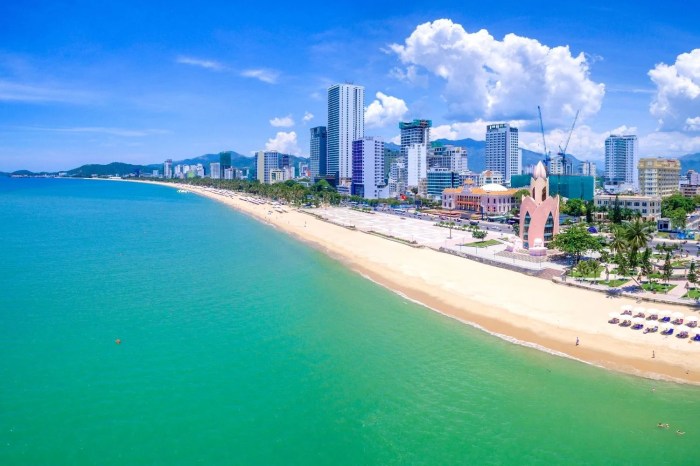
    Vietnam, a Southeast Asian nation, captivates visitors with its rich history, stunning landscapes, and vibrant culture. From ancient temples to bustling cityscapes, and from emerald rice paddies to dramatic coastlines, Vietnam offers a unique blend of experiences. This diverse nation presents a captivating journey for first-time travelers, blending the echoes of the past with the energy of the present.This guide provides a comprehensive overview of Vietnam, designed to equip first-time visitors with the essential knowledge and insights to navigate this fascinating country.

    Understanding the historical context, diverse geography, and cultural nuances will enrich your travel experience and allow you to fully appreciate the beauty and charm of Vietnam.

    Overview of Vietnam

    Vietnam boasts a captivating blend of ancient traditions and modern advancements. The country’s long history has left an indelible mark on its culture, architecture, and daily life. Vietnam’s unique cultural identity is reflected in its vibrant festivals, delicious cuisine, and warm hospitality.

    Planning a trip to Vietnam? First-timers often wonder where to start. Beyond the usual tourist traps, connecting with fellow travelers can unlock hidden gems and offer invaluable advice. Finding your community travel networks that inspire, like those on forums or social media groups, can be incredibly helpful. These groups can share insider tips on local experiences, transportation, and even budget-friendly eats.

    This is a great way to prepare for your trip and learn about Vietnam from the perspective of those who have already explored the country. So, before you book your flight, take a look at find your community travel networks that inspire and get connected with a supportive network of Vietnam explorers.

    History of Vietnam

    Vietnam’s history is a tapestry woven with threads of resistance, resilience, and cultural exchange. From the early kingdoms to the French colonial period and the Vietnam War, key events have shaped the nation’s character. The struggle for independence and reunification has profoundly influenced the Vietnamese people’s values and perspectives. A deep understanding of Vietnam’s history provides a crucial context for comprehending its present.

    Vietnam’s a fantastic first-time destination, but knowing where to start can be tricky. For example, navigating the bustling markets and delicious street food can be overwhelming. Luckily, there are plenty of resources online, like a helpful guide on Spain’s incredible hiking trails inspired by the Lord of the Rings spain hiking trail lord of the rings , that offer tips on everything from budgeting to transportation.

    Ultimately, though, the best advice for a successful trip to Vietnam is to embrace the unexpected and enjoy the journey!

    Landscapes and Geography

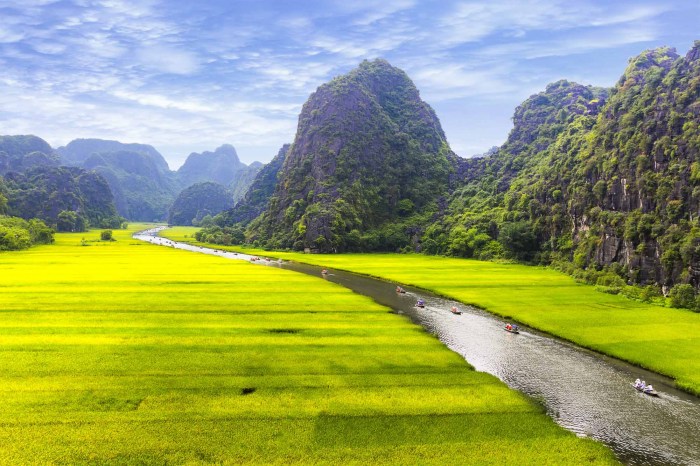
    Vietnam’s geography is as diverse as its history. Stretching along the Indochinese Peninsula, Vietnam encompasses a remarkable array of landscapes, from the towering peaks of the Annamite Mountains to the lush rice paddies of the Mekong Delta, and the picturesque coastline of the South China Sea. These diverse landscapes offer a wealth of natural beauty and opportunities for exploration.

    The country’s rivers, like the Mekong, are vital to the nation’s agricultural and cultural life.

    Lifestyle and Traditions

    Vietnamese people are known for their warm hospitality, strong family values, and deep respect for tradition. Family ties are paramount, and social interactions often revolve around communal gatherings. Respect for elders is deeply ingrained in the culture, and traditional customs, like tea ceremonies and festivals, play an essential role in daily life. The rich tapestry of Vietnamese traditions adds a unique charm to the country’s cultural experience.

    Regional Overview

    Vietnam’s diverse regions offer unique experiences for travelers. Each region possesses its own distinct character, from bustling cities to tranquil countryside settings. Understanding the key attractions, local cuisine, and cultural nuances of each region is essential for a well-rounded journey.

    Region Key Attractions Local Cuisine Cultural Experiences
    Northern Vietnam Ha Long Bay, Hue Imperial City, Sapa Pho, Bun Cha, Banh Mi Temple visits, water puppet shows, festivals
    Central Vietnam Hoi An Ancient Town, My Son Sanctuary, Marble Mountains Banh Xeo, Cao Lau, Mi Quang Traditional crafts, exploring ancient ruins, experiencing the culture of the Cham people
    Southern Vietnam Mekong Delta, Cu Chi Tunnels, Ho Chi Minh City Com Tam, Bun Bo Hue, Nem River cruises, visiting local markets, learning about the War Remnants Museum

    Essential Travel Tips for First-Time Visitors: Vietnam Tips A First Timers Guide

    Vietnam, a land of vibrant culture, stunning landscapes, and delicious cuisine, beckons travelers from around the globe. To make your trip unforgettable, understanding essential travel tips is crucial. This section provides vital information on visas, health, packing, ideal travel times, transportation, and practical planning, ensuring a smooth and enjoyable journey.

    Visa Requirements and Procedures

    Visa requirements for Vietnam vary significantly depending on your nationality. Some nationalities can obtain a visa on arrival, while others require pre-approval. It’s vital to check the official Vietnamese immigration website or your embassy for the most up-to-date information. Pre-application is highly recommended to avoid delays and potential issues at the airport. Ensure your passport has at least six months of validity remaining beyond your intended stay.

    A thorough understanding of the specific visa requirements for your nationality will streamline the entry process.

    Recommended Vaccinations and Health Precautions

    Staying healthy during your trip is paramount. Consult your doctor well in advance of your trip to discuss recommended vaccinations and necessary health precautions. Malaria risk exists in certain areas, so preventive measures are crucial. Always carry insect repellent and take necessary precautions against mosquito bites. Ensure you have travel insurance that covers medical emergencies.

    Maintaining good hygiene practices, such as washing hands frequently and drinking bottled water, is also essential for preventing illness.

    Packing for Vietnam

    Packing appropriately for Vietnam’s diverse weather conditions is key to a comfortable trip. Vietnam experiences varying climates, from tropical heat in the south to cooler temperatures in the north. Pack light, versatile clothing suitable for both hot and humid days and potentially cooler evenings. Consider bringing comfortable walking shoes for exploring cities and countryside. A light raincoat or poncho is helpful for sudden showers.

    A versatile outfit that can be adapted for different situations is ideal.

    Best Time to Visit Vietnam

    Vietnam’s weather patterns influence the best time to visit. The dry season, typically from November to April, is ideal for most activities. During this time, the weather is generally sunny and pleasant, making it perfect for outdoor exploration. However, keep in mind that peak season can lead to higher prices and more crowded destinations. The monsoon season, from May to October, brings heavy rainfall and humidity, impacting some activities.

    So, you’re planning a trip to Vietnam? Great choice! Learning a few basic Vietnamese phrases will go a long way, and researching local customs is always a good idea. Thinking about the different landscapes, from bustling cityscapes to serene rice paddies, will help you prepare for the unique experiences you’ll have. To get a feel for the amazing natural beauty beyond Vietnam, check out some of the stunning bayou boardwalks in Louisiana; they offer a completely different, yet equally captivating, glimpse into the outdoors.

    Bayou boardwalks best Louisiana outdoors are a fantastic example of how diverse outdoor adventures can be. Hopefully, these tips will make your Vietnam trip unforgettable!

    Consider visiting during the shoulder seasons (late April and early May, or late October and early November) for pleasant weather and fewer crowds. Consider specific festivals or events that may occur during your chosen travel time, such as Tet (Vietnamese New Year) for a cultural immersion experience.

    Navigating Public Transportation

    Vietnam boasts a robust public transportation system, including buses, trains, and local taxis. Buses are an economical option for longer distances. Trains offer a scenic way to travel between major cities. Local taxis and motorbike taxis are convenient for shorter trips within cities. Familiarize yourself with the local transportation system before your trip, including fares, routes, and operating hours.

    Research and familiarize yourself with the local transportation system beforehand.

    Practical Planning Checklist

    Activity Preparation Necessary Items Important Considerations
    Flights Book flights in advance, especially during peak season. Passport, visa (if required), boarding pass Check baggage allowance, flight schedule, and any transfer requirements.
    Accommodation Book accommodations in advance, especially during peak season. Hotel/homestay booking confirmation Confirm hotel location and amenities. Consider booking near transportation hubs or tourist attractions.
    Currency Exchange Exchange currency before your trip or use ATMs in Vietnam. Cash, credit cards Familiarize yourself with the local exchange rates and ATM fees.
    Language Learn basic Vietnamese phrases. Phrasebook or language learning app Be prepared for language barriers and use translation apps.

    Must-See Destinations for First-Time Travelers

    Vietnam, a land of vibrant culture, stunning landscapes, and delicious cuisine, offers a diverse range of experiences for first-time visitors. Beyond the iconic Hanoi and Ho Chi Minh City, countless captivating destinations await, each with its own unique charm. This exploration delves into five must-see spots, highlighting their historical significance, unique experiences, and accommodation options.

    Top 5 Must-See Destinations

    Vietnam’s diverse geography and rich history present a plethora of unforgettable destinations. These five locations represent a compelling introduction to the country’s multifaceted appeal.

    Location Description Activities Accommodation
    Hanoi The capital city, Hanoi, boasts a blend of ancient architecture and modern vibrancy. Its Old Quarter is a maze of bustling streets, offering a glimpse into traditional Vietnamese life. Explore the Old Quarter, visit Ho Chi Minh Mausoleum, enjoy water puppet shows, indulge in delicious street food, and take a cyclo ride through the city. From budget-friendly hostels to luxurious boutique hotels, Hanoi caters to all budgets. Examples include the Hanoi Opera Hotel, and various charming homestays in the Old Quarter.
    Hoi An Hoi An, a charming ancient trading port, is a UNESCO World Heritage Site. Its well-preserved architecture, including Japanese Covered Bridges, reflects its rich history. Explore the ancient town, take a cooking class, visit the Japanese Covered Bridge, enjoy a boat trip to nearby islands, and stroll along the beach. Hoi An offers a range of accommodation options, from boutique hotels to guesthouses, many located within the ancient town. Consider the Indochine Hoi An or a traditional guesthouse for a local experience.
    Hue Hue, the former imperial capital, showcases magnificent royal tombs and palaces. Its serene atmosphere and historical significance make it a captivating destination. Visit the Imperial Citadel, explore the royal tombs (e.g., Minh Mang Tomb), experience a traditional water puppet show, enjoy the scenic beauty of the Perfume River, and sample local cuisine. Hue offers a variety of hotels and resorts catering to different preferences, from budget-friendly guesthouses to luxurious hotels like the Imperial Resort Hue.
    Ha Long Bay Ha Long Bay, a UNESCO World Heritage Site, is a stunning limestone karst landscape with thousands of islands. Kayaking, swimming, and exploring the caves are popular activities. Enjoy kayaking or boat trips to explore the bay, visit the caves (e.g., Sung Sot Cave), swim in the crystal-clear waters, and witness the breathtaking scenery. Cruise ships are a popular accommodation option, offering a unique experience exploring the bay. Various hotels and resorts are also located near the bay, such as the Sofitel Legend Metropole Ha Long Bay.
    Mekong Delta The Mekong Delta, a vast river system, is known for its lush rice paddies, fruit orchards, and floating markets. It’s a wonderful place to experience rural Vietnam. Visit the floating markets, explore the fruit orchards, take a boat trip on the rivers, and sample the local fruits and cuisine. A range of homestays and guesthouses provide an authentic experience within the delta. Consider staying in a local houseboat for a unique stay.

    Food and Drink Experiences

    Vietnamese cuisine is a vibrant tapestry woven from regional influences and historical traditions. From the bustling street food stalls to the elegant family restaurants, the flavours of Vietnam offer a sensory journey that tantalizes the taste buds and celebrates the country’s rich culinary heritage. The diverse landscape, from the rice paddies of the north to the coastal seafood markets of the south, shapes the distinct tastes and textures of Vietnamese dishes.Vietnamese food is deeply ingrained in the culture, often reflecting the seasons and available ingredients.

    Meals are more than just sustenance; they are a social ritual, bringing families and friends together to share stories and experiences over steaming bowls of pho or fragrant banh mi. The meticulous preparation and presentation of food further demonstrate the respect and care that goes into each dish.

    Regional Specialties

    Vietnamese cuisine boasts a wide array of regional specialties, each with its own unique characteristics. Northern Vietnam, known for its cooler climate, favours rich broths and hearty stews, often featuring pork and mushrooms. Central Vietnam is famed for its fresh seafood, while Southern Vietnam is renowned for its vibrant flavours and spicy dishes, particularly in the Mekong Delta.

    History and Cultural Significance

    The history of Vietnamese food is intertwined with the country’s rich history. Centuries of trade and cultural exchange have shaped the culinary landscape, leading to the incorporation of Chinese, French, and other influences. Vietnamese food is not just about the taste; it’s a reflection of the country’s heritage and traditions, reflecting the country’s history and evolution. This culinary fusion is a testament to Vietnam’s adaptability and openness to new experiences.

    Popular Street Food and Local Restaurants

    Vietnamese street food is a must-try experience for any visitor. From the fragrant aroma of pho to the crispy crunch of banh xeo, the vibrant street food stalls offer a taste of local life. These stalls often feature simple, yet delicious dishes, cooked fresh and served in a welcoming atmosphere. Local restaurants, often family-run, offer more elaborate options, providing an authentic glimpse into Vietnamese culinary traditions.

    Dishes and Drinks for First-Time Visitors

    First-time visitors should definitely try Pho, a flavorful noodle soup, often featuring beef, chicken, or vegetarian options. Banh mi, a delicious sandwich with various fillings, is another must-try. For a taste of fresh seafood, try Com Hen (fresh clams with rice). Other noteworthy options include Goi Cuon (fresh spring rolls), Banh Xeo (crispy crepe), and Che (Vietnamese dessert).

    These dishes showcase the versatility and creativity of Vietnamese cuisine.

    Comparison of Popular Dishes

    Dish Ingredients Preparation Method Regional Variations
    Pho Beef or chicken broth, rice noodles, herbs (basil, cilantro), bean sprouts, lime The broth is simmered for hours, then noodles and other ingredients are added. Northern Vietnam’s pho is often thicker and spicier than in the south, while the southern version typically has more herbs.
    Banh Mi Baguette, various fillings (meat, vegetables, pate), cilantro, pickled vegetables The baguette is sliced, filled with ingredients, and topped with cilantro and pickled vegetables. Northern Banh Mi is often simpler in terms of fillings. Central and Southern Vietnam have variations in fillings and flavors.
    Goi Cuon Rice paper, fresh vegetables (lettuce, herbs, bean sprouts), shrimp or pork, dipping sauce Fresh ingredients are rolled into rice paper and served with a variety of dipping sauces. The types of fillings and dipping sauces can vary widely based on region.

    Culture and Customs

    Stepping into a new culture can be both exhilarating and daunting. Understanding the fundamental cultural norms and etiquette in Vietnam is key to a respectful and enriching experience. Respect for elders, mindful communication, and awareness of social customs will help you navigate social situations with ease and allow you to connect with the local community on a deeper level.Vietnamese culture places a high value on tradition, family, and harmony.

    This emphasis on respect and social harmony influences daily interactions and communication styles. Learning a few basic Vietnamese phrases and demonstrating cultural sensitivity will go a long way in fostering positive relationships and creating memorable experiences.

    Essential Cultural Norms and Etiquette

    Vietnamese society is highly hierarchical, with respect for elders and those in authority deeply ingrained. Showing deference to older generations through gestures like bowing or using respectful titles is common practice. Similarly, maintaining eye contact during conversations is not always the norm and can be interpreted as confrontational in some situations.

    Traditional Vietnamese Festivals and Celebrations

    Vietnamese festivals are vibrant displays of cultural heritage. Tết, the Lunar New Year, is the most significant festival, characterized by family reunions, elaborate decorations, and traditional foods. Other notable festivals include the Mid-Autumn Festival (Tết Trung Thu), marked by lantern displays and moon worship, and various regional festivals celebrating local traditions and deities. These events offer a unique opportunity to experience the spirit of Vietnamese culture firsthand.

    Vietnamese Art, Music, and Literature

    Vietnamese art, music, and literature reflect a rich history and diverse artistic expressions. Traditional Vietnamese painting, often featuring landscapes and portraits, showcases intricate details and symbolic meanings. The country’s musical traditions encompass various genres, from folk songs to classical music, each with its own unique characteristics and instruments. Vietnamese literature, with its rich poetic tradition, explores themes of love, loss, and social commentary.

    Visiting museums and cultural centers can provide a deeper appreciation for these artistic expressions.

    Common Phrases and Greetings

    Knowing a few basic Vietnamese phrases can enhance your interactions with locals. A simple “Chào” (hello) or “Xin chào” (hello) demonstrates respect and goodwill. “Cảm ơn” (thank you) and “Vui lòng” (please) are essential phrases for expressing gratitude and politeness. Learning these phrases will not only improve your interactions but also demonstrate your respect for the local culture.

    Table of Vietnamese Customs

    Custom Explanation Example
    Addressing Elders Use respectful titles like “anh” (brother) or “chị” (sister) for people slightly older than you. Avoid casual terms. Instead of “bạn” (friend), use “chị” to address a woman slightly older than you.
    Removing Shoes Removing your shoes before entering a home or temple is a sign of respect. Taking off your shoes before entering a friend’s house.
    Gift-Giving Gifts are often given in pairs, symbolizing completeness and harmony. Presenting a pair of lucky red envelopes during Tet.

    Budgeting and Money Management

    Vietnam tips a first timers guide

    Planning your budget is crucial for a smooth and enjoyable trip to Vietnam. Understanding the cost of various aspects, from accommodation to activities, empowers you to allocate funds effectively and avoid unexpected financial strain. This section details estimated costs, payment methods, saving strategies, and affordable options, helping you make the most of your Vietnamese adventure without breaking the bank.Effective budgeting allows you to prioritize experiences and allocate funds wisely, ensuring that you maximize your time and enjoy Vietnam to the fullest.

    This includes researching costs, identifying savings opportunities, and selecting suitable accommodation and food options.

    Accommodation Costs

    Accommodation costs in Vietnam vary significantly depending on the location and type of accommodation. Budget-friendly hostels and guesthouses typically range from $10 to $30 USD per night, while mid-range hotels can cost $30 to $80 USD per night. Luxury hotels in popular tourist destinations can exceed $100 USD per night. Consider staying in less-touristy areas outside major cities for more budget-friendly options.

    Food Costs

    Vietnamese cuisine is incredibly affordable. Street food, local restaurants, and small eateries offer delicious meals for under $5 USD. Mid-range restaurants typically cost between $5 and $15 USD for a meal. Higher-end restaurants, especially those with international cuisine, can cost significantly more. Taking advantage of local eateries and street food stalls is an excellent way to experience authentic Vietnamese flavors at budget-friendly prices.

    Transportation Costs

    Transportation costs in Vietnam are relatively low. Public buses and trains are a budget-friendly way to travel between cities, with fares ranging from $2 to $15 USD per trip. Motorbikes are a popular choice for getting around cities, and renting a motorbike can be an economical option, especially for longer trips. Taxis and ride-sharing services are also readily available, but can be more expensive.

    Activity Costs

    The cost of activities varies widely. Visiting historical sites and temples often has low entrance fees, ranging from $1 to $5 USD. Day trips to nearby destinations, such as Halong Bay or Mui Ne, will have a range of prices depending on the tour package. Consider your interests and choose activities that align with your budget.

    Payment Methods

    Vietnamese Dong (VND) is the official currency. Credit cards are widely accepted in major tourist areas, but it’s essential to check with your bank about international transaction fees. Cash is still the most common payment method, especially in smaller businesses and local markets. Mobile wallets like Momo and ZaloPay are also gaining popularity for quick and easy transactions.

    Saving Money Tips

    Travel during the shoulder seasons (spring and fall) for lower prices on accommodation and flights. Look for deals and discounts on tours and activities. Taking advantage of free activities, such as exploring local markets and parks, can save money. Consider packing snacks and drinks to avoid expensive tourist traps.

    Affordable Accommodation and Food Options

    Hostels and guesthouses are excellent budget-friendly options for accommodation. Local eateries and street food vendors offer a wide range of affordable and delicious meals. Look for restaurants with “buffet” or “all-you-can-eat” options for significant cost savings.

    Budgeting Table, Vietnam tips a first timers guide

    Expense Category Estimated Cost Savings Tips Alternative Options
    Accommodation $15- $80 USD/night Choose hostels or guesthouses, consider off-season travel. Homestays, Airbnb (if available)
    Food $3- $15 USD/meal Eat at local restaurants and street food stalls, pack snacks. Prepare some meals yourself, take advantage of “buffet” options.
    Transportation $2- $15 USD/trip Utilize public transportation, consider motorbike rental. Walking, cycling (if applicable)
    Activities $1- $50+ USD/activity Look for free activities, choose affordable day trips. Explore local markets, parks, and temples.

    Practical Information

    Navigating a new country, especially one with a different culture and language, can be exciting but also a little daunting. Knowing the practicalities, from staying safe to communicating effectively, will help you enjoy your trip to Vietnam to the fullest. This section provides essential information to ensure a smooth and safe experience.

    Staying Safe and Avoiding Scams

    Vietnam is generally a safe country for tourists, but it’s important to remain vigilant. Be aware of your surroundings, especially in crowded areas. Avoid displaying expensive jewelry or electronics, and keep your belongings close. Don’t accept drinks or food from strangers, and be wary of anyone offering assistance who seems overly eager. Negotiate prices openly and honestly before agreeing to purchases.

    Stick to well-lit and populated areas at night.

    Emergency Contact Information and Resources

    Knowing how to access help in case of an emergency is crucial. Keep a copy of your passport, visa, and important travel documents in a safe place, separate from the originals. Write down the contact information for your embassy or consulate in Vietnam, and share it with someone back home. The Vietnamese emergency number is 114 for police and 115 for fire.

    In case of a medical emergency, seek immediate attention at the nearest hospital.

    Local Time Zone and Communication Options

    Vietnam observes Indochina Time (ICT), which is GMT+7. This means that when it’s noon in Vietnam, it’s 5 AM in New York. Local SIM cards offer convenient and affordable data and calling options. Public Wi-Fi is also widely available in cities and tourist areas.

    Staying Connected to Family and Friends

    Maintaining contact with loved ones is essential. Purchase a local SIM card for convenient data access. Use messaging apps like WhatsApp, Viber, or Telegram for affordable communication. Inform someone back home of your itinerary and estimated arrival times at each location. Utilize Wi-Fi hotspots in hotels, cafes, or other public places for cost-effective internet access.

    Useful Vietnamese Phrases for Emergencies or Assistance

    Knowing a few basic Vietnamese phrases can be invaluable, particularly in emergencies. Here are some useful phrases:

    Situation Vietnamese Phrase Pronunciation (approximate)
    Seeking Help Xin lỗi, tôi cần giúp đỡ. Seen loi, toi can giup do.
    Lost Tôi bị lạc. Tôi bi lạc.
    Need a doctor Tôi cần bác sĩ. Tôi cần bác sĩ.
    Police Cảnh sát Canh sat
    Hospital Bệnh viện Benh vien

    Xin lỗi, tôi cần giúp đỡ. (Excuse me, I need help.)

    Tôi bị lạc. (I am lost.)

    Tôi cần bác sĩ. (I need a doctor.)

    Knowing these phrases can make a significant difference in gaining assistance or communicating effectively in case of any unforeseen situations.

    Planning Your Trip

    Vietnam tips a first timers guide

    Vietnam, a land of vibrant culture, stunning landscapes, and delicious cuisine, offers a captivating experience for first-time visitors. Crafting a well-planned itinerary is crucial for maximizing your time and ensuring a smooth journey. This section provides a detailed framework for organizing your 10-day adventure, from choosing your route to managing transportation and activities.A carefully structured itinerary will help you navigate the diverse regions of Vietnam, allowing you to experience the best of its offerings.

    This includes maximizing your time in each location, choosing appropriate transportation methods, and managing potential travel challenges.

    Creating a 10-Day Itinerary

    A 10-day trip allows for a taste of Vietnam’s highlights, from bustling cities to serene landscapes. This itinerary focuses on a balanced approach, encompassing cultural immersion, natural beauty, and culinary exploration.

    • Days 1-3: Hanoi
      -Immerse yourself in the historical charm of Hanoi, exploring Hoan Kiem Lake, the Temple of Literature, and the bustling Old Quarter. Enjoy delicious street food and traditional Vietnamese cuisine. Consider a cooking class for a hands-on cultural experience.
    • Days 4-6: Ha Long Bay
      -Experience the breathtaking beauty of Ha Long Bay, renowned for its limestone karsts and emerald waters. Enjoy a cruise, kayak through the bay, and explore hidden caves. Consider a day trip to nearby Cat Ba Island.
    • Days 7-8: Hue
      -Journey to Hue, the former imperial capital, and explore the magnificent Citadel, the Royal Tombs, and the Perfume River. Experience the rich history and cultural heritage of this captivating city.
    • Days 9-10: Ho Chi Minh City
      -Conclude your trip in Ho Chi Minh City, exploring iconic landmarks like the Notre Dame Cathedral, the Central Post Office, and the War Remnants Museum. Experience the vibrant street life, bustling markets, and diverse culinary scene. Consider a visit to the Cu Chi Tunnels for a glimpse into Vietnam’s history.

    Suggested Route

    This suggested route balances popular destinations with less-visited gems, ensuring a well-rounded experience.

    1. North to SouthThis route allows you to experience the diverse landscapes and cultures of Vietnam, from the bustling cities to the tranquil countryside. This is often the most popular and logical way to travel. It allows for the full spectrum of Vietnamese experiences.

    Booking Flights, Accommodation, and Tours

    Efficiently booking your travel components is vital for a smooth trip.

    • Flights
      -Utilize online travel agencies (OTAs) like Expedia, Skyscanner, or Kayak to compare prices and book flights. Consider booking in advance for better deals, especially during peak season.
    • Accommodation
      -Explore various options like hotels, guesthouses, or homestays. Websites like Booking.com, Agoda, or Airbnb provide extensive listings and reviews to aid your decision.
    • Tours
      -Pre-booking tours, especially for popular destinations like Ha Long Bay or the Cu Chi Tunnels, ensures availability and often provides better pricing than purchasing on-site.

    Transportation Options

    Vietnam offers a range of transportation options to suit different needs and budgets.

    Mode Description Suitability
    Domestic Flights Efficient for longer distances. Ideal for traveling between major cities like Hanoi and Ho Chi Minh City.
    Trains Scenic and affordable for longer journeys. Excellent for experiencing the countryside and smaller towns.
    Buses Budget-friendly and accessible. Suitable for shorter distances and connecting cities.

    Organizing Activities and Excursions

    Organizing activities in advance, especially for popular destinations, is recommended.

    • Ha Long Bay
      -Book cruises and tours in advance to secure your preferred dates and options.
    • Cu Chi Tunnels
      -Pre-booking ensures availability, particularly during peak seasons.
    • Other Activities
      -Research and book activities like cooking classes, cooking tours, or cultural experiences in advance to avoid disappointment.

    Closing Summary

    In conclusion, this Vietnam tips a first-timers guide provides a well-rounded overview of the country, ensuring first-time visitors are well-equipped to navigate its diverse landscapes, rich culture, and delicious cuisine. From the bustling cities to the tranquil countryside, Vietnam promises an unforgettable experience. This guide acts as a compass, helping you navigate the intricacies of planning your trip and ensuring a smooth and enriching journey.

    So, are you ready to embark on your Vietnamese adventure?