Tag: family activities

  • Keeping Kids Busy Fun Activities for All Ages

    Keeping Kids Busy Fun Activities for All Ages

    Activities to keep kids busy are crucial for their development and well-being. This guide explores a wide range of indoor and outdoor activities, suitable for preschoolers, elementary and middle schoolers, and adaptable to various weather conditions. We’ll delve into the benefits of structured and unstructured play, offering creative ideas for rainy days, promoting physical activity, and fostering problem-solving and artistic expression.

    From imaginative play to educational games, we’ll cover everything from planning activities to safety considerations and resources for inspiration. We’ll also address the unique needs of children with special needs, ensuring that every child has the opportunity to engage in enriching activities. This comprehensive guide empowers parents and caregivers to keep their children entertained and engaged, encouraging their growth and development.

    Types of Activities

    Keeping kids engaged and entertained is a constant challenge for parents and caregivers. A well-rounded approach to activities considers both indoor and outdoor options, catering to different ages and preferences. This allows children to develop essential skills and enjoy their time.

    Indoor Activities by Age Group, Activities to keep kids busy

    Different ages require varying levels of stimulation and complexity. Preschoolers benefit from activities that encourage imaginative play and sensory exploration, while older children might gravitate towards more challenging tasks and creative pursuits.

    • Preschool (ages 3-5): Activities like building blocks, drawing, coloring, play-dough, simple puzzles, and pretend play (dress-up, role-playing) stimulate creativity and fine motor skills. These activities also help them develop social skills by interacting with other children. Storytelling, singing, and dancing are also excellent choices.
    • Elementary (ages 6-12): This age group is ready for more complex activities that encourage problem-solving and critical thinking. Board games, card games, building with LEGOs, arts and crafts, science experiments, and coding activities are well-suited for this stage. Encourage hobbies like reading, writing stories, or creating art.
    • Middle School (ages 13-15): Middle schoolers are often interested in more independent and social activities. Encouraging hobbies like music, sports, gaming, coding, debate, or volunteering can help them develop responsibility and independence. They might also enjoy watching movies, reading books, and participating in social events with friends.

    Outdoor Activities for Different Weather

    Outdoor activities are crucial for physical and mental well-being. Adapting to various weather conditions ensures that children can enjoy the outdoors throughout the year.

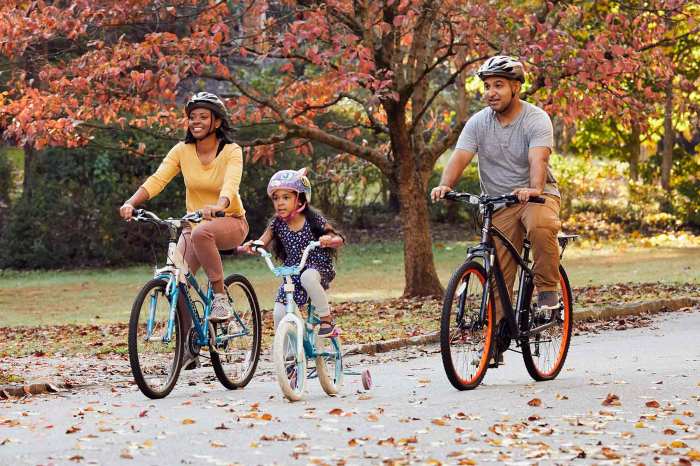
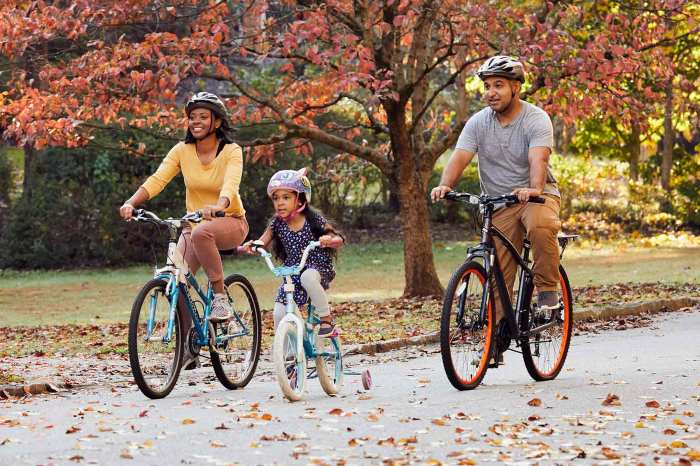
    • Sunny Days: Outdoor games like tag, hide-and-seek, frisbee, soccer, and biking are ideal for sunny days. Visit a park, zoo, or botanical garden to enjoy the fresh air and scenery.
    • Rainy Days: Rainy days offer opportunities for indoor activities, such as board games, reading, arts and crafts, or building forts. You could also visit a museum or indoor play area.
    • Cold Days: Activities like sledding, ice skating, building snowmen, or playing in the snow provide fun winter experiences. Make sure to dress warmly.
    • Hot Days: Swimming, water balloon fights, sprinklers, or visiting a water park are excellent ways to beat the heat. Avoid strenuous activities during peak heat hours.

    Structured vs. Unstructured Play

    Structured play involves pre-planned activities with specific goals and guidelines. Unstructured play, on the other hand, allows children to explore and create their own activities. Both types offer unique benefits.

    Structured play helps children develop specific skills and learn to follow instructions, while unstructured play fosters creativity, problem-solving, and imagination.

    Structured play can provide a framework for learning specific skills, but unstructured play allows for the development of crucial social and emotional skills.

    Activity Types and Skill Development

    Different activities contribute to various skill development in children.

    Activity Type Age Group Materials Needed Time Required
    Building with blocks Preschool Blocks, cardboard 30 minutes
    Board games Elementary Board game pieces, game board 60 minutes
    Coding activities Middle School Computer, coding software 1-2 hours
    Outdoor games All ages Balls, frisbees, sports equipment Variable
    Arts and crafts All ages Paper, crayons, paint Variable

    Activity Ideas: Activities To Keep Kids Busy

    30 Fun and Engaging Activities for Elementary Students - Teaching Expertise

    Rainy days or unexpected indoor time can be a wonderful opportunity for imaginative play and learning. These activities can spark creativity and foster a love for learning, even when the weather is less than ideal. It is important to adapt these ideas to the specific interests and ages of the children involved.These activity ideas are designed to be engaging and fun, promoting various skills and fostering a positive learning environment.

    They encourage creativity, problem-solving, and teamwork, all while keeping kids entertained and challenged.

    Indoor Imaginative Play Activities

    These activities will spark the child’s imagination and help them develop crucial skills.

    Finding fun activities to keep kids entertained can be a challenge, especially on a long trip. Planning a family fishing trip in Alaska, for example, offers a fantastic solution! Plan fishing trip in alaska with kid-friendly accommodations and plenty of opportunities for catching fish, and then there’s the sheer joy of exploring nature together.

    These kinds of adventures make keeping kids occupied much easier, and create lasting memories.

    • Fort Building Extravaganza: Transforming a spare room or a corner of the living room into a magical fort can unleash hours of imaginative play. Children can create a spaceship, a castle, a pirate ship, or anything their imagination conjures. Providing blankets, pillows, chairs, and even cardboard boxes will encourage elaborate storytelling and role-playing.
    • Mystery Box Challenge: Fill a box with various objects – a feather, a smooth stone, a small toy – and ask children to describe what they think is inside without looking. This fosters observation skills, critical thinking, and creative storytelling.
    • Costume Creation Station: Gather old clothes, scarves, hats, and other items to inspire costume creation. This activity promotes creativity, encourages imaginative storytelling, and develops fine motor skills as children manipulate materials to create their costumes.
    • Puppet Show Preparation: Encourage children to craft puppets from socks, paper bags, or other materials. This activity develops fine motor skills and allows for elaborate storytelling and performance.
    • Dream House Design: Provide construction paper, markers, crayons, and other art supplies. Children can design their dream house, focusing on details, colors, and architectural styles. This encourages creativity and spatial reasoning.

    Outdoor Physical Activities and Teamwork

    Outdoor activities offer an excellent way for children to interact and cooperate.

    • Obstacle Course Challenge: Use household items or natural elements like logs and rocks to create an obstacle course. This activity promotes physical activity, problem-solving, and teamwork as children help each other navigate the course.
    • Scavenger Hunt: Create a list of items for children to find in the backyard or local park. This activity promotes observation, critical thinking, and physical activity. Divide children into teams for added competitiveness and collaboration.
    • Team Relay Races: Organize relay races using different tasks like carrying objects, jumping, or throwing. This promotes physical activity, teamwork, and friendly competition.

    Problem-Solving Activities

    These activities encourage critical thinking and problem-solving skills.

    • Puzzle Solving: Puzzles of various complexities can engage children in problem-solving. Select puzzles that match the child’s cognitive level and skill.
    • Building with Blocks: Encourage children to build structures using blocks or LEGOs, focusing on specific design requirements. This encourages creative thinking and problem-solving skills.
    • Logic Puzzles: Engage children with logic puzzles, such as riddles, brain teasers, or Sudoku-like puzzles. This promotes logical thinking and problem-solving skills.
    • Coding Games: Introduce basic coding concepts through interactive games or apps designed for children. This helps build critical thinking and problem-solving skills.
    • Card Games: Games like Go Fish, Rummy, or Crazy Eights involve strategic thinking and problem-solving as children develop strategies to win.

    Creative and Artistic Expression Activities

    These activities foster creativity and artistic skills.

    • Color Mixing Experiments: Provide various colors of paints or food coloring and let children experiment with color mixing. This activity encourages creativity and understanding of color theory.
    • Nature Art: Gather natural materials like leaves, twigs, and stones to create art. This activity fosters creativity, promotes appreciation for nature, and develops fine motor skills.
    • Storytelling Through Art: Ask children to create a piece of art that depicts a story. This activity encourages creativity, artistic expression, and narrative skills.

    Limited Resource Activities

    These activities are ideal when resources are limited.

    • Charades or Pictionary: These games require minimal materials and can be played indoors or outdoors. They promote creativity, communication, and vocabulary development.
    • Homemade Playdough: Create playdough from simple ingredients like flour, salt, and water. This activity promotes creativity and sensory exploration.
    • Outdoor Obstacle Course (Using Natural Materials): Use natural objects like rocks, branches, and leaves to create a unique obstacle course. This activity promotes physical activity and problem-solving.
    • Storytelling with Pictures: Use magazines or newspapers to create a story with pictures. This activity promotes creativity and imagination.
    • Homemade Masks: Use paper plates or construction paper to create masks. This activity promotes creativity and imaginative play.

    Educational Games for Diverse Learning Styles

    These games cater to different learning styles.

    • Board Games: Board games like Chess, Checkers, or Monopoly involve strategic thinking and problem-solving. They cater to a variety of learning styles and cognitive levels.
    • Role-Playing Games: Create a scenario or theme, and let children role-play different characters. This activity encourages imaginative play and communication, catering to kinesthetic and social learning styles.
    • Interactive Learning Apps: Explore educational apps that cater to different learning styles. This approach combines technology with learning, targeting visual, auditory, and kinesthetic learners.

    Activity Table

    Activity Description Materials Needed Skill Developed
    Fort Building Transform a space into a fort using blankets, pillows, etc. Blankets, pillows, chairs, cardboard boxes Imaginative play, problem-solving
    Obstacle Course Create a course using household items or natural objects. Household items, logs, rocks, cones Physical activity, teamwork, problem-solving
    Color Mixing Experiment with color mixing using paints or food coloring. Paints, food coloring, mixing trays Creativity, color theory understanding
    Board Games Engage in strategic thinking and problem-solving. Board game pieces, game board Strategic thinking, problem-solving

    Planning and Organization

    Planning engaging activities for children is crucial for their development and well-being. A well-structured schedule fosters a sense of routine, promotes independence, and allows for exploration of various interests. Careful planning also helps prevent boredom and meltdowns, ensuring a more enjoyable and productive experience for everyone.A well-structured schedule fosters a sense of routine, promotes independence, and allows for exploration of various interests.

    It also helps prevent boredom and meltdowns, creating a more enjoyable and productive experience for everyone. Planning allows you to incorporate learning opportunities into everyday activities, making the learning process more seamless and engaging.

    Age-Appropriate Activity Selection

    Selecting activities that align with a child’s developmental stage is essential. Young children benefit from activities that encourage physical development, sensory exploration, and social interaction. Older children might thrive in activities that stimulate their cognitive skills, creativity, and problem-solving abilities. Matching the activity to the child’s current skill level and interests ensures a positive and productive experience.

    This fosters a love for learning and exploration.

    Creating a Weekly Activity Schedule

    Creating a weekly activity schedule involves several steps. First, consider your child’s age, interests, and developmental needs. Next, brainstorm a variety of activities that cater to those interests and developmental stages. Ensure a balance of indoor and outdoor activities, creative and active pursuits, and structured and unstructured play. Consider incorporating time for relaxation, quiet activities, and free play.

    Keeping the kids entertained on a trip can be tricky, but luckily, Chile offers some fantastic kid-friendly activities. Planning a trip to Chile? You’ll want to check out the delicious local cuisine, like the famous empanadas and fresh seafood, what to eat and drink in Chile is a must-read for your trip! Plus, there are tons of parks and museums to keep them busy, ensuring a memorable family adventure.

    Finally, schedule the activities into a weekly planner, allowing flexibility for unexpected events.

    Tools and Resources for Planning

    Numerous tools and resources can assist parents in planning activities. A weekly planner, a digital calendar, or a simple notebook can be used to jot down ideas and schedule activities. Online resources, such as parenting blogs, educational websites, and activity suggestion websites, can provide inspiration and ideas. Talking to other parents, teachers, or pediatricians can also provide valuable insights and suggestions.

    Engaging Children in Activities

    To engage children in the chosen activities, it’s important to make them feel involved and excited. Explain the purpose and benefits of the activity. Let them choose some elements of the activity, such as the theme or the materials used. Make the activity interactive and fun. Praise their efforts and encourage them to explore their creativity and interests.

    Involving Children in Planning

    Involving children in planning their activities can boost their independence and decision-making skills. For younger children, involve them in choosing the activity materials or the specific game. Older children can participate in more complex planning, such as selecting the theme for a project or deciding on the order of activities. Consider creating a weekly activity board where children can visually plan and participate in the process.

    Incorporating Learning into Everyday Activities

    Learning doesn’t have to be confined to structured lessons. Everyday activities can be turned into learning experiences. While playing outdoors, point out different types of plants and animals. Cooking together can be a chance to learn about measurements and fractions. During a visit to a museum, encourage your child to ask questions and explore exhibits in depth.

    Learning opportunities are everywhere, and parents can weave them into everyday activities, making learning a natural and engaging part of their child’s life.

    Weekly Activity Schedule Template

    Day Time Activity Notes
    Monday 9:00-10:00 Outdoor Play (park visit) Encourage exploration of nature.
    Monday 10:00-11:00 Arts & Crafts (drawing) Provide various art supplies.
    Tuesday 9:00-10:00 Story Time & Reading Choose books based on interests.
    Tuesday 10:00-11:00 Indoor Games (board games) Select games appropriate for age.
    Wednesday 9:00-10:00 Cooking together (simple recipe) Incorporate math concepts.
    Wednesday 10:00-11:00 Visit a library Introduce new books.
    Thursday 9:00-10:00 Science Experiment Choose age-appropriate experiments.
    Thursday 10:00-11:00 Free Play Encourage creativity and exploration.
    Friday 9:00-10:00 Educational Video Choose videos aligned with interests.
    Friday 10:00-11:00 Outdoor Sports (ball games) Encourage teamwork and physical activity.

    Safety Considerations

    Activities to keep kids busy

    Keeping kids safe while they’re engaged in fun activities is paramount. A well-thought-out safety plan can transform playtime from a source of potential danger to a source of joyful learning and development. This section delves into crucial safety considerations for various activities, emphasizing age-appropriateness, supervision, and hazard identification.Outdoor activities, for example, require specific attention to potential hazards. A thorough understanding of these risks and the appropriate safety measures will ensure a positive and secure experience for children.

    Understanding the balance between freedom and safety is essential for creating an environment where children can explore and grow while remaining protected from harm.

    Identifying Potential Safety Hazards

    Identifying potential hazards associated with activities is the first step in creating a safe environment. These hazards can range from simple trips and falls to more serious risks, depending on the activity. A proactive approach to identifying potential dangers allows for the implementation of effective safety measures.

    • Outdoor activities like biking or playing in a park may involve traffic, uneven terrain, or encounters with animals. Careful consideration of these elements is crucial to mitigate potential risks.
    • Indoor activities such as arts and crafts can present hazards from sharp objects, small parts that could be choking hazards, or the use of potentially harmful chemicals.
    • Water-based activities, whether in a pool or a creek, require constant supervision due to the inherent risk of drowning. Proper safety equipment and lifeguard presence are essential.

    Safety Precautions for Outdoor Activities

    Safety precautions for outdoor activities are essential for minimizing risks. These precautions need to be tailored to the specific activity and the age of the child.

    • Ensure appropriate clothing and gear for the weather conditions. This includes hats, sunscreen, and rain gear.
    • Establish clear boundaries and supervision zones for children in open areas.
    • Inform children about traffic safety rules, especially when near roads or streets. Teach them to look both ways before crossing.
    • Supervise children closely around water, even in shallow areas. Drowning can happen quickly and unexpectedly.

    Choosing Age-Appropriate Activities Based on Safety

    Choosing activities that align with a child’s developmental stage and capabilities is crucial. Activities should be tailored to the child’s physical and cognitive abilities, preventing potential injuries and ensuring a positive experience.

    • Young children require activities that promote gross motor skills and sensory exploration in safe environments. Avoid activities that might be too challenging or potentially dangerous for their age.
    • Older children can engage in more complex activities that involve teamwork, problem-solving, and physical exertion, but safety precautions remain paramount.
    • Consider the child’s individual needs and limitations when selecting activities. Consult with parents or guardians to determine the most appropriate choices.

    Childproofing Your Home

    Childproofing your home is an essential step in creating a safe play environment. Simple precautions can significantly reduce the risk of accidents.

    • Secure cabinets and drawers containing potentially harmful items like cleaning supplies, medications, or sharp objects.
    • Install safety gates at the top and bottom of stairs to prevent falls.
    • Cover electrical outlets with safety plugs to prevent accidental shocks.
    • Place heavy furniture against walls to prevent tipping over.

    Supervision Guidelines

    Appropriate supervision is crucial for ensuring the safety of children during activities. The level of supervision should be tailored to the activity and the child’s age.

    • Never leave young children unattended, especially around water or in potentially dangerous areas.
    • Maintain consistent visual contact with children during activities.
    • Provide clear instructions and guidelines for the activity.
    • Be prepared to intervene if a child is in danger or exhibiting unsafe behavior.

    Managing Potential Conflicts or Misbehavior

    Dealing with conflicts and misbehavior during activities requires a calm and proactive approach. Addressing issues promptly and constructively helps maintain a positive environment.

    • Encourage positive behavior through praise and rewards.
    • Address conflicts calmly and fairly.
    • Teach children conflict resolution skills and problem-solving strategies.
    • Maintain clear communication channels with parents or guardians about any behavioral issues.

    Safety Considerations Table

    Activity Potential Hazards Safety Precautions Supervision Requirements
    Outdoor Bike Riding Traffic, falls, collisions Helmets, traffic rules, clear boundaries Constant supervision, especially near roads
    Arts and Crafts Sharp objects, choking hazards, chemicals Adult supervision, appropriate tools, safety goggles Close monitoring of materials and techniques
    Swimming Drowning, injuries Life vests, constant supervision, designated areas Continuous visual contact, trained lifeguard if possible
    Playing with Balls Eye injuries, property damage Appropriate balls, supervision in confined spaces Guidance on safe throwing and catching techniques

    Resources and Inspiration

    Finding inspiration and resources is crucial for planning engaging and enriching activities for kids. Knowing where to look for ideas, books, and community support can transform playtime from mundane to memorable. This section will explore various avenues for gathering inspiration and resources to support your child’s development and enjoyment.

    Utilizing a variety of resources—online, in print, and within your community—can greatly expand your options for planning activities. This approach will ensure a diverse range of experiences, catering to different interests and learning styles.

    Online Resources for Activity Ideas

    The internet offers a wealth of information for kids’ activities. Exploring websites specifically designed for parenting and child development can be a valuable source of ideas.

    • Activity Village: A website offering a broad range of printable activities, crafts, and games. They often feature seasonal themes and special event ideas.
    • The Imagination Tree: This site provides a variety of creative ideas, including arts and crafts projects, storytelling prompts, and nature-based activities.
    • National Geographic Kids: Offers engaging articles and videos on various subjects, sparking curiosity and inspiring a wide range of activities.
    • PBS Kids: Known for its educational programming, this website provides age-appropriate activities and games that align with educational concepts.
    • Pinterest: A visual platform where you can find a vast array of ideas for activities, crafts, and recipes, organized by themes and interests.

    Books and Articles on Child Development

    Understanding child development can inform your activity choices. Books and articles offer insights into different stages and learning styles.

    Finding fun and engaging activities to keep kids busy can be a real challenge, especially during long trips. Planning a budget-friendly solo vacation can actually be a great source of inspiration for creative and inexpensive activities. For example, checking out some budget solo vacation tips might reveal some surprisingly simple and inexpensive ways to keep the kids entertained, like visiting local parks or exploring nature trails.

    Ultimately, the key to keeping kids entertained is to be resourceful and embrace the unexpected!

    • “How Children Learn” by Robert Siegler: This book provides a comprehensive overview of the cognitive development process, including how children learn through various activities.
    • “The Whole-Brain Child” by Daniel Siegel and Tina Payne Bryson: This work explores the importance of integrating the different parts of the brain for optimal learning and emotional regulation, providing practical strategies for parents.
    • Articles from the American Academy of Pediatrics: The AAP offers a wealth of research-based articles on child development, providing evidence-based approaches to parenting and activity planning.

    Local Community Centers and Organizations

    Community centers and organizations often provide structured activities and resources tailored to children’s needs. These resources are valuable additions to your own planning efforts.

    • Local libraries: Often offer story times, craft workshops, and summer programs.
    • Parks and Recreation departments: Frequently host seasonal events, sports programs, and nature walks.
    • YMCA/YWCA: Provide a wide range of programs, including sports, arts, and after-school activities.
    • Museums: Many museums offer special programs and activities for children, connecting learning with hands-on experiences.
    • Community centers: Often have programs tailored to children’s age groups, fostering social interaction and skill development.

    Utilizing Local Parks and Recreational Facilities

    Local parks and recreational facilities offer abundant opportunities for outdoor play and exploration. These venues provide a natural setting for various activities.

    • Nature walks: Encourage observation of plants, animals, and natural phenomena.
    • Picnics and games: Foster family time and interaction in a relaxed setting.
    • Sports fields: Provide opportunities for physical activity and team play.
    • Playgrounds: Offer structured and unstructured play options for children of various ages.

    Finding and Utilizing Free Online Resources

    Numerous free online resources provide valuable support for parents. These resources can save you time and money while providing educational and creative opportunities for children.

    • Educational websites: Many educational websites offer free games, videos, and interactive activities.
    • Creative Commons: Provides access to freely usable images, music, and other materials for activities and crafts.
    • YouTube Channels: Many channels provide free educational and entertainment content.

    Supporting Local Businesses Offering Children’s Activities

    Supporting local businesses that cater to children’s needs is essential for fostering a vibrant community. Patronizing these businesses contributes to the local economy and provides diverse experiences for children.

    • Local bookstores: Offer a wide range of children’s books, fostering literacy and imagination.
    • Art studios: Provide opportunities for artistic expression and skill development.
    • Music schools: Offer lessons and performances, introducing children to musical talents.

    Resource Table

    Resource Type Description Link/Location
    Online Websites Websites offering kids’ activity ideas, crafts, and games. Activity Village, The Imagination Tree, etc. (See above list)
    Books/Articles Provides insights into child development and activity planning. “How Children Learn,” “The Whole-Brain Child,” etc. (See above list)
    Community Centers Local organizations offering structured activities for kids. Local libraries, parks, YMCAs, museums, community centers.

    Activities for Special Needs

    Creating a fun and engaging environment for all children is crucial, especially those with special needs. Tailoring activities to meet individual requirements ensures that every child feels included and empowered to participate fully. This section dives into specific adaptations for various needs, offering practical strategies for making playtime inclusive and enriching.

    Activities for Children with Learning Disabilities

    Children with learning disabilities, such as dyslexia or ADHD, may require adjustments in activity presentation and pacing. Strategies that incorporate multi-sensory experiences and visual aids can greatly enhance learning and participation. For example, using hands-on activities, manipulatives, and visual schedules can help children with processing information more effectively. Breaking down tasks into smaller, manageable steps and providing clear instructions can be beneficial for children with ADHD.

    Utilizing visual organizers and graphic representations of concepts can aid in comprehension and organization. Activities like building with blocks, creating artwork with various textures, or playing musical instruments can promote fine motor skills and sensory integration.

    Adapting Activities for Children with Physical Limitations

    Children with physical limitations might need modifications to participate fully in activities. Adaptations can range from providing assistive devices to adjusting the activity space. Consider using ramps, wider doorways, or adjustable furniture to ensure accessibility. Modifying equipment, such as using larger-handled tools or weighted utensils for fine motor tasks, can facilitate participation. Utilizing adaptive seating or positioning aids can also contribute to comfort and engagement.

    Activities that emphasize gross motor skills, like swimming, or that encourage creative expression, like painting or sculpting, can be adapted to suit diverse physical capabilities.

    Activities Promoting Social Interaction for Children with Social Challenges

    Children with social challenges may benefit from activities that provide structured opportunities for interaction. Activities focused on communication skills, such as role-playing or social stories, can foster social understanding. Group activities with clear expectations and guidelines, such as cooperative games or arts and crafts, can offer structured social interaction. Pairing children with a peer mentor can create a supportive environment.

    Using visual aids, such as social scripts, can assist children in understanding and practicing social cues. Structured playdates or group activities can provide a supportive environment.

    Adapting Activities for Children with Sensory Sensitivities

    Children with sensory sensitivities may require modifications to activities to minimize potential sensory overload. Activities should consider the child’s specific sensory needs, and accommodations may involve modifying the environment or materials. For example, providing noise-canceling headphones or a quiet corner during a loud activity can be beneficial. Activities focusing on calming sensory input, like deep pressure activities or weighted blankets, can be integrated into the schedule.

    Introducing tactile materials like playdough or textured fabrics can be a positive experience for some. Creating a predictable and consistent environment can be key to minimizing sensory overload.

    Engaging Children with Diverse Interests and Needs

    Catering to diverse interests and needs is crucial for creating a positive and inclusive experience. Recognizing individual preferences and passions is essential for engaging children. Providing options within an activity can cater to varied interests. Incorporating children’s favorite themes, characters, or colors can make activities more appealing. Offering choices in activities allows children to feel a sense of ownership and agency in their learning.

    For example, allowing children to choose between different art supplies or incorporating their favorite books into a reading activity can foster engagement. Adapting the activity to meet the child’s preferred learning style (visual, auditory, kinesthetic) can also be very beneficial.

    Table of Activity Adaptations for Special Needs

    Special Need Activity Adaptation Materials Needed Considerations
    Learning Disability (e.g., Dyslexia) Break down tasks into smaller steps; use visual aids and graphic organizers; provide multi-sensory experiences; adjust pacing. Visual schedules, manipulatives, tactile materials, timers. Ensure clear instructions and consistent routines; consider alternative assessments.
    Physical Limitation Modify equipment to accommodate assistive devices; adjust activity space; use adaptive seating; modify activity to suit mobility needs. Assistive devices, ramps, adaptive equipment, adjustable furniture. Prioritize safety and accessibility; involve the child in decision-making.
    Social Challenges Provide structured opportunities for interaction; incorporate communication skills practice; use social stories; create supportive peer pairings. Social scripts, role-playing props, visual aids, group activity materials. Establish clear expectations and guidelines; provide positive reinforcement.
    Sensory Sensitivities Minimize sensory overload; provide quiet spaces; offer calming sensory activities; modify materials and environments. Noise-canceling headphones, weighted items, textured materials, quiet areas. Ensure a predictable and consistent environment; consult with therapists for personalized recommendations.

    Closing Summary

    In conclusion, keeping kids busy doesn’t have to be a daunting task. With a variety of activities, planning strategies, and safety precautions, you can create a vibrant and engaging environment for your children. This guide provides practical ideas, from creative indoor games to outdoor adventures, emphasizing the importance of age-appropriateness, safety, and learning. Ultimately, fostering a love of learning and play through these activities is key to a child’s holistic development.

  • Socially Distant Outdoor Activities A Guide

    Socially Distant Outdoor Activities A Guide

    Socially distant outdoor activties – Socially distant outdoor activities are gaining popularity as people seek safe and enjoyable ways to connect with nature. This guide explores the nuances of these activities, from defining them to planning events, considering mental well-being, adapting existing options, and catering to specific needs. We’ll delve into the specifics of social distancing measures, equipment, and space requirements, providing practical advice for both individuals and groups.

    The rise of socially distanced outdoor activities reflects a desire for accessible and engaging ways to enjoy nature while prioritizing safety. This guide provides a comprehensive overview of planning, implementing, and participating in these activities, covering everything from selecting appropriate activities to ensuring environmental responsibility.

    Defining Socially Distant Outdoor Activities

    Socially distant outdoor activities are a response to the need for safe and enjoyable outdoor experiences during periods of public health concerns. These activities prioritize minimizing close contact between individuals, thus reducing the risk of transmission of contagious diseases. They are a vital component of maintaining physical and mental well-being while adhering to safety guidelines.These activities differ significantly from traditional outdoor pursuits in their emphasis on spacing, interaction, and safety protocols.

    Looking for socially distant outdoor adventures? National parks, especially in the Western US, offer fantastic opportunities to connect with nature while maintaining space from others. Check out some of the top picks for socially distanced outdoor fun at best national parks western us. From vast wilderness areas to scenic overlooks, these parks provide ample room for solo exploration and mindful relaxation, making them ideal for a peaceful and safe outdoor escape.

    The core principle is to create environments that encourage social distancing while maintaining the benefits of being outdoors. This necessitates careful planning and consideration of the specific activity and its potential for close contact.

    Characteristics of Socially Distant Outdoor Activities, Socially distant outdoor activties

    Socially distant outdoor activities are characterized by several key principles. These include maintaining a safe distance from others, limiting group sizes, and implementing hygiene practices. Clear signage and designated areas are crucial for managing crowd density and ensuring the safety of participants.

    Types of Socially Distant Outdoor Activities

    A variety of outdoor activities can be adapted for social distancing. These include:

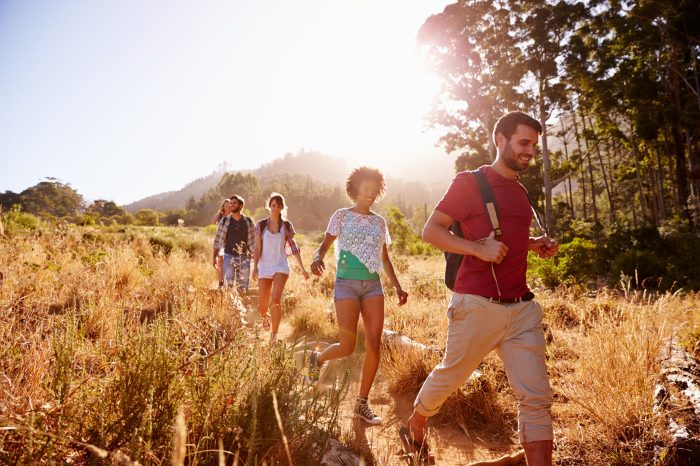
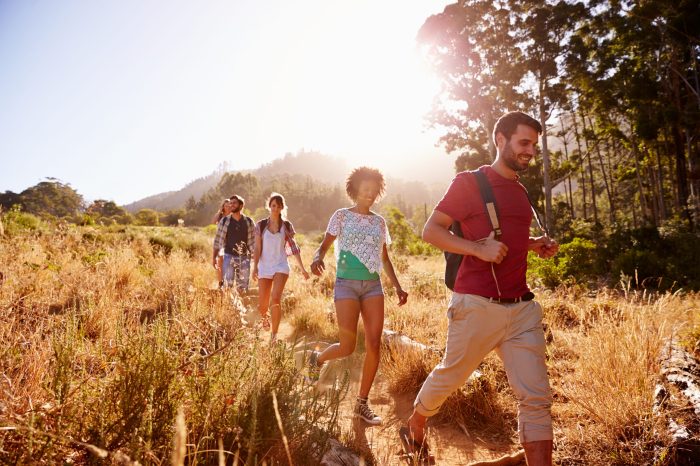
    • Hiking and Trail Walking: Designate specific trails or sections to allow for appropriate distancing. This might involve using alternate routes, utilizing quieter sections of trails, or even designating specific times for access.
    • Picnics and Outdoor Dining: Arrange picnic tables or designated areas with ample space between families or individuals. This might involve reserving tables in advance or staggering arrival times.
    • Fishing: Maintain a safe distance from other anglers. Ensure fishing spots are adequately spaced to minimize interactions.
    • Biking and Cycling: Utilize designated bike paths or routes that allow for adequate separation from other cyclists. Consider different times of day or routes to avoid crowded areas.
    • Park Visits and Recreation: Designate specific areas within parks for different activities. This might involve reserving spaces for specific groups or staggering access to playgrounds.

    Comparison of Socially Distant and Traditional Outdoor Activities

    The table below highlights the key differences between socially distant and traditional outdoor activities:

    Feature Socially Distant Traditional
    Space Required Larger, dispersed areas to accommodate physical distancing Variable, can be concentrated or dispersed depending on the activity
    Interaction Limited interaction, emphasis on individual or small group activities Varies widely, from minimal interaction to close contact
    Equipment May require specific gear for maintaining distance or minimizing contact (e.g., masks, hand sanitizer) May or may not require specific equipment, depending on the activity

    Examples of Socially Distant Outdoor Activities

    Socially distant outdoor activties

    Embracing the outdoors while maintaining safe social distancing practices is crucial for well-being and connection. This section explores various unique outdoor activities that encourage physical activity and enjoyment without compromising safety. From leisurely walks to engaging sports, diverse options are available to cater to different preferences and age groups.

    Unique Socially Distant Outdoor Activities

    Exploring the great outdoors safely and effectively involves choosing activities that naturally lend themselves to social distancing. Here are five examples, each tailored to encourage interaction while prioritizing personal space.

    • Picnic in a Park with Designated Zones: Plan a picnic in a park, but designate specific areas for different groups. This could involve marked picnic tables spaced apart, or designated areas for each family or friend group. Clear communication about the zone boundaries is key. This fosters a sense of community while keeping individuals separated. The activity is ideal for families and friends, promoting shared enjoyment while respecting personal space.

    • Guided Nature Walks with Small Groups: Hire a local naturalist or nature guide to lead small, guided walks through a park or nature reserve. This ensures the group is spread out naturally during the walk. Clear communication about appropriate walking distances and safe observation practices should be provided. The guide can point out interesting sights and engage the group in a conversation about nature without the need for close proximity.

      This approach is beneficial for all ages, fostering a shared appreciation for nature.

    • Socially Distant Kayaking or Canoeing: Rent kayaks or canoes and explore a lake or river. Ensure participants maintain a safe distance between each other while paddling. This encourages physical activity and a sense of adventure. You can enjoy the serene environment and the fresh air while keeping safe distances from others. This activity is suitable for those who enjoy water sports.

    • Bike Rides on Designated Trails: Choose bike trails with designated lanes or areas that encourage physical distancing. Encourage participants to maintain a safe distance between each other, and to avoid close interactions while riding. The activity promotes fitness and exploration. Families and friends can enjoy a bike ride while keeping the required safe distance.
    • Outdoor Yoga or Meditation Sessions: Find a spacious outdoor area, like a park or a beach, and organize individual or small group yoga or meditation sessions. Ensure ample space between participants to allow for individual practice. This encourages mindfulness and physical well-being. This activity is suitable for all ages and promotes a sense of calm and well-being.

    Social Distancing Measures

    The success of socially distant outdoor activities hinges on the implementation of effective social distancing measures. These measures vary based on the chosen activity.

    • Designated Zones/Areas: Marking off specific areas for different groups in parks or trails is crucial. This allows individuals to maintain a safe distance from others.
    • Controlled Group Sizes: Limiting the number of participants in each group is essential to manage density and maintain safe distances.
    • Communication Protocols: Clear instructions and communication regarding appropriate distances and interactions are paramount.
    • Individual Equipment: Providing individual equipment whenever possible, like water bottles, is crucial to prevent the spread of germs.

    Activities for Different Age Groups

    Tailoring activities to different age groups is vital to ensure inclusivity and engagement. Here’s a breakdown:

    | Activity | Age Group | Equipment | Space Required | |—|—|—|—| | Picnic in a Park with Designated Zones | Families, Friends | Picnic blankets, food, drinks | Park with designated picnic areas | | Guided Nature Walks with Small Groups | All Ages | Walking shoes, water bottles | Park or nature reserve | | Socially Distant Kayaking or Canoeing | Adults, Older Children | Kayaks/Canoes, life vests | Lake or River | | Bike Rides on Designated Trails | Children, Teens, Adults | Bikes, helmets | Designated bike trails | | Outdoor Yoga or Meditation Sessions | All Ages | Yoga mats, comfortable clothing | Spacious outdoor area |

    Planning and Implementing Socially Distant Outdoor Events

    Socially distant outdoor activties

    Organizing outdoor events while prioritizing social distancing requires careful planning and execution. This meticulous approach ensures the safety and well-being of attendees while fostering a positive and engaging experience. This guide Artikels the key steps and considerations for successful implementation.Effective planning minimizes risks and maximizes the enjoyment of the event for all participants. By understanding the necessary procedures and adhering to safety protocols, organizers can confidently navigate the challenges of hosting socially distanced outdoor gatherings.

    Step-by-Step Guide for Planning a Socially Distant Outdoor Event

    Careful planning is essential for successful execution. This involves a phased approach that begins with meticulous initial assessment and culminates in post-event evaluation. The steps below represent a comprehensive framework for organizing socially distanced outdoor events:

    • Thorough Site Assessment: Evaluate the chosen location’s capacity to accommodate the expected number of attendees while ensuring sufficient space for maintaining social distancing. Consider factors such as natural barriers (trees, hills), existing infrastructure, and potential congestion points. Identify areas suitable for designated entrances and exits, ensuring smooth traffic flow and minimizing interaction points.
    • Establish Clear Social Distancing Guidelines: Develop clear and concise guidelines for attendees, outlining specific social distancing requirements, such as maintaining a minimum distance of six feet apart, utilizing designated seating arrangements, and limiting group sizes. These guidelines should be communicated proactively through various channels, including event materials, pre-event emails, and signage on-site. Enforcement mechanisms should be established to ensure compliance.
    • Optimize Venue Layout: Arrange seating, activity stations, and other elements to facilitate social distancing. Create designated areas for various activities and ensure adequate space between participants. Employ directional signage to guide attendees through the event space and encourage adherence to social distancing.
    • Robust Communication Strategy: Maintain open communication with attendees before, during, and after the event. This involves providing pre-event instructions, reminding participants of social distancing protocols, and collecting feedback post-event. Utilize a variety of channels, including email, social media, and on-site signage.
    • Comprehensive Safety Measures: Implement necessary safety precautions to mitigate health risks. Provide hand sanitizer stations, encourage handwashing, and ensure proper sanitation procedures. Incorporate hygiene reminders and ensure accessibility to sanitation facilities.
    • Contingency Planning: Develop a plan to address potential unforeseen circumstances. Consider alternative solutions for inclement weather, sudden changes in attendance, or any other unexpected challenges.
    • Post-Event Evaluation: Gather feedback from attendees to assess the event’s effectiveness in terms of safety and experience. Identify areas for improvement in future events. Document these insights for future planning and execution.

    Considerations for Safety and Well-being

    Ensuring participant safety and well-being is paramount. This requires proactive measures and careful attention to detail. Considerations should include a proactive approach to risk assessment and mitigation.

    • Health Protocols: Establish clear guidelines for attendees, including mask-wearing requirements, hand hygiene protocols, and procedures for handling potential illnesses. Provide accessible sanitation facilities and encourage the use of hand sanitizer.
    • Accessibility: Ensure the event space and activities are accessible to all participants, including those with disabilities. Consider accessibility features and accommodations to ensure a welcoming and inclusive environment.
    • First Aid and Emergency Preparedness: Establish a system for handling medical emergencies, including the location of first aid stations and procedures for contacting emergency services. Ensure trained personnel are available to assist with any unforeseen situations.

    Procedures for Managing Crowds and Maintaining Social Distancing

    Efficient crowd management is critical for maintaining social distancing and minimizing the risk of close contact. A strategic approach to crowd control is essential for a safe and enjoyable experience.

    • Traffic Flow Management: Establish clear pathways for entry, exit, and movement within the event space. Use directional signage and staff to guide attendees through the venue. Employ queuing systems to regulate the flow of people, preventing congestion and facilitating social distancing.
    • Crowd Density Monitoring: Utilize methods to monitor crowd density in real-time. Consider employing crowd sensors or visual observation to adjust event procedures if necessary.
    • Staff Training: Train staff to effectively communicate and enforce social distancing guidelines. Equip them with the necessary tools and resources to manage crowds effectively.

    Essential Safety Protocols and Contingency Plans

    Protocol Description Contingency Plan
    Mask-wearing Mandatory mask use for all attendees Alternative face coverings available; clear communication about mask exceptions
    Hand Sanitizer Stations Strategically placed hand sanitizer stations Backup supply of hand sanitizer; alternative handwashing facilities
    Social Distancing Maintain a minimum distance of six feet Adjust venue layout; implement staggered entry/exit times
    Hygiene Reminders Regular reminders on hygiene practices Additional signage; announcements throughout the event

    Impact of Socially Distant Activities on Mental Well-being

    Socially distant outdoor activities, while seemingly isolating, can offer surprisingly profound benefits for mental well-being. By shifting our focus from the constraints of close-quarters interactions to the liberating expanse of nature, we can discover a wealth of emotional and psychological advantages. This exploration delves into the positive impacts of these activities, examining how they affect participants’ feelings and highlight the vital role of nature in mental health.The emotional and psychological benefits of socially distanced outdoor activities often stem from a reduction in the pressure and expectations associated with social interactions.

    This respite can be incredibly restorative, allowing individuals to reconnect with their inner selves and experience a profound sense of peace and tranquility. The natural environment, with its diverse landscapes and calming sounds, provides a sanctuary for reflection and self-discovery.

    Potential Positive Impacts on Mental Well-being

    Socially distant outdoor activities can positively impact mental well-being in numerous ways. These activities often involve engaging in physical activity, such as hiking, biking, or simply enjoying a scenic walk. Physical exertion releases endorphins, which have mood-boosting effects. Exposure to natural elements, such as sunlight and fresh air, also contributes to improved mood and reduced stress.

    Emotional and Psychological Benefits

    These activities foster a sense of calm and tranquility. Reduced social interaction allows individuals to slow down, focus on their own thoughts and feelings, and appreciate the beauty of the surroundings. The sense of solitude, often perceived as negative in social contexts, can be surprisingly liberating in a natural setting, promoting introspection and self-awareness. Furthermore, the challenge and accomplishment associated with outdoor pursuits can lead to increased feelings of competence and self-efficacy.

    Impact of Reduced Social Interaction

    Reduced social interaction, though initially concerning, can foster a different kind of connection. The focus shifts from superficial interactions to deeper introspection and self-discovery. Participants often report increased self-reliance, a stronger connection to their inner selves, and a renewed appreciation for solitude and reflection. It’s a chance to re-evaluate priorities and cultivate a stronger sense of self-identity.

    Research Findings on Nature and Mental Health

    Extensive research consistently highlights the positive correlation between nature and mental health. Studies show that spending time in natural environments can reduce stress, anxiety, and depression. Exposure to nature has been linked to improved cognitive function, reduced blood pressure, and a heightened sense of well-being. These findings underscore the importance of incorporating nature into our daily lives, particularly for mental restoration.

    For example, a study by the National Park Service demonstrated a significant reduction in symptoms of anxiety and depression among participants who regularly visited national parks.

    Contribution to Community and Connection

    Socially distant outdoor activities can contribute to a sense of community and connection, even in the absence of direct social interaction. Participating in organized events or joining virtual groups for discussions related to these activities can foster a sense of shared experience and support. Shared appreciation for nature and the outdoors can create a sense of belonging, particularly for those who might feel isolated or disconnected in their daily lives.

    For example, hiking clubs and outdoor photography groups provide opportunities for social interaction while adhering to socially distanced protocols.

    Enjoying socially distanced outdoor activities is a great way to recharge and connect with nature. Packing light is key, and a stylish travel bag, like the best laptop bags, is crucial for carrying all your essentials. Choosing the right style travel bags best laptop can significantly enhance your experience, allowing you to focus on the present moment and explore without unnecessary burdens.

    This way, you can fully enjoy your socially distant outdoor adventures without the added stress of lugging around a bulky bag.

    Adapting Existing Outdoor Activities for Social Distancing

    Embracing social distancing doesn’t mean abandoning our love for the outdoors. Instead, it’s about adapting familiar activities to ensure everyone can enjoy nature while prioritizing safety. This involves thoughtful modifications to existing protocols and spaces, allowing us to maintain the positive mental and physical benefits of outdoor time while respecting public health guidelines.

    Modifying Parks and Trails for Social Distancing

    Parks and trails, often hubs of community activity, need careful consideration during social distancing periods. These spaces are crucial for maintaining mental well-being and physical health. Implementing changes to these areas ensures safe use and enjoyment for everyone.

    Activity Before (Pre-Social Distancing) After (Socially Distant)
    Picnicking Large groups congregating at picnic tables, often closely packed. Designated picnic areas with ample space between groups. Clear markings on the ground indicating appropriate distances. Provision of hand sanitizer stations and increased frequency of cleaning.
    Hiking Crowded trails, with people walking closely together. Trail markings indicating one-way traffic flow, or designated areas for hikers to maintain distance. Increased frequency of trail maintenance to remove debris and hazards.
    Outdoor Concerts/Events Large crowds gathered closely for events. Seating arrangements that prioritize social distancing. One-way traffic flow for entering and exiting the venue. Increased frequency of cleaning and sanitizing of high-touch surfaces.
    Sports Activities Large groups participating in sports with minimal space between players. Smaller team sizes or adjusted playing formats to maintain distance. Designated areas for players to avoid crowding. Clear guidelines and reminders for maintaining social distancing during games.

    Creative Suggestions for Adapting Familiar Outdoor Activities

    Adapting familiar activities for social distancing requires a blend of practical solutions and creative approaches. This includes reimagining activities to maintain safe distances while still allowing people to connect with nature.

    • Modified Scavenger Hunts: Instead of large groups, organize smaller teams or individuals to complete a scavenger hunt across the park. Focus on unique challenges or hidden treasures to keep the experience engaging.
    • Solo Nature Walks: Encourage individuals to explore nature at their own pace. Provide educational resources or guided audio tours to enhance the experience. Focus on mindful walking and appreciating the natural surroundings.
    • Distanced Yoga Sessions: Lead outdoor yoga sessions with a focus on individual practice. Use markers or designated areas to ensure spacing between participants. Use natural elements like trees or rocks as props for a more immersive experience.

    Specific Examples of Modifying Parks or Trails for Social Distancing

    Implementing changes to park and trail layouts and protocols enhances social distancing. This requires a proactive approach to create a safe and welcoming environment for outdoor activities.

    • Trail Markings: Implementing one-way pedestrian traffic systems on trails and adding clear markings for social distancing. Use paint, signage, or even natural markers to create visual cues for safe distances.
    • Picnic Area Redesign: Reorganizing picnic tables to increase spacing between groups. Use clear dividers or designated areas to create buffer zones. This ensures everyone can enjoy a picnic while respecting the guidelines.
    • Enhanced Cleaning Protocols: Increase the frequency of cleaning and disinfecting high-touch surfaces in parks, such as picnic tables, benches, and restrooms. Provide hand sanitizer stations at strategic locations to encourage frequent handwashing.

    Socially Distant Outdoor Activities for Specific Needs

    Finding safe and enjoyable outdoor activities that accommodate diverse needs is key to ensuring everyone can experience the benefits of nature during social distancing. This involves considering accessibility, inclusivity, and the unique requirements of individuals with disabilities, families, and those seeking solitude. Understanding these needs will help create a more equitable and welcoming outdoor experience for all.Outdoor activities can be tailored to meet a wide array of physical abilities and preferences.

    This includes providing options for those with limited mobility, different fitness levels, and those seeking more introspective experiences. By understanding and adapting, we can make the outdoors accessible and enjoyable for everyone.

    Activities Suitable for People with Disabilities

    Accessibility in outdoor spaces is crucial for people with disabilities. This means providing pathways and areas free of obstacles, ensuring accessible restrooms, and designating parking areas for those with special needs. Consider providing ramps, tactile paving, and clear signage for wayfinding.

    • Accessible Trails and Parks: Look for parks and trails with paved sections, wide paths, and gentle inclines. These options are perfect for wheelchairs, walkers, and individuals with mobility limitations. Specific parks may have designated accessible picnic areas and restrooms. Examples of such parks include those designed with accessibility in mind, like parks within municipalities that are built with universal design principles.

    • Adaptive Activities: Partner with adaptive sports organizations or instructors to offer adapted versions of outdoor activities. For example, wheelchair-accessible kayaking, adapted hiking with support animals, or visually guided nature walks. These programs can be offered in partnership with local community centers or disability service providers.
    • Sensory Gardens and Nature Trails: Designate sensory gardens with different textures, smells, and sounds to appeal to those with specific sensory needs. Create nature trails with informative signage and tactile elements. Sensory gardens are specifically designed with sensory stimulation in mind, with diverse textures, scents, and elements. These could include areas for tactile exploration, water features, or themed displays.

    Activities for Families with Children

    Creating engaging and safe outdoor experiences for families with children is essential. This includes activities that are both entertaining and educational, as well as opportunities for bonding and interaction within social distancing guidelines.

    • Nature Scavenger Hunts: Design scavenger hunts tailored to different age groups. The hunts can incorporate educational components, like identifying local flora and fauna. Create checklists with pictures and descriptions of items for kids to find in nature.
    • Picnic and Storytelling: Organize family picnics in designated areas with ample space for social distancing. Incorporate storytelling or nature-based games. This allows for relaxation and conversation in a controlled environment. Families can enjoy a meal together while maintaining social distancing by setting up separate picnic tables or areas.
    • Outdoor Playgrounds with Designated Zones: Modify existing playgrounds to accommodate social distancing. This includes creating designated zones for different age groups and limiting the number of children in each area. Outdoor play areas can be adapted to encourage social distancing by dividing them into smaller play zones with designated play areas and rules.

    Options for Solitude and Introspection

    Providing opportunities for solitude and introspection is important for mental well-being. This involves designated areas with minimal distractions, allowing individuals to connect with nature in a peaceful way.

    • Nature Meditation Walks: Establish quiet trails or areas in parks specifically designed for meditation and reflection. Use soft music or guided meditation apps to enhance the experience. Quiet zones in parks could be identified with signage or designated seating areas for meditation.
    • Designated Quiet Zones in Parks: Designate specific areas within parks for individuals seeking solitude. These could be shaded areas, secluded corners, or spots along a trail away from main walkways. This ensures a dedicated space for peace and reflection.

    Adapting Activities for Various Abilities

    Outdoor activities should be adaptable to accommodate different physical abilities and fitness levels. This includes providing options for varying paces and intensities.

    • Modified Hiking Trails: Designate trails with different levels of difficulty, allowing participants to choose a route that suits their fitness level. Include shorter, easier trails alongside longer, more challenging ones. Highlight different trail difficulty levels with signage, color-coded maps, or online resources.
    • Assisted Activities: Partner with local organizations or individuals to provide assistance for those with physical limitations. This could involve hiring trained volunteers to help with navigation or carrying equipment. Volunteers could be trained in providing assistance for different activities, such as carrying gear or helping with navigation.
    • Group Exercise Classes: Offer outdoor exercise classes tailored to different fitness levels. Include options for beginners, intermediate, and advanced participants. Outdoor exercise classes could include yoga, tai chi, or brisk walking.

    Ensuring Inclusivity and Accessibility

    Inclusivity means creating an environment where all participants feel welcome and valued, regardless of their background or abilities. This involves actively seeking input from diverse groups and ensuring clear communication about accessibility features.

    • Diverse Programming: Offer a range of activities to cater to diverse interests and preferences. This could include nature photography workshops, birdwatching tours, or guided stargazing sessions. These sessions could be designed to cater to specific interests and preferences.
    • Clear Communication: Communicate clearly about accessibility features and any necessary accommodations for participants. Include information on the accessibility of trails, restrooms, and parking in promotional materials. Promotional materials should clearly explain the accessibility features of the venue.

    Environmental Considerations in Socially Distant Outdoor Activities

    Embarking on outdoor adventures while maintaining social distancing presents a unique opportunity to reconnect with nature and enhance our well-being. However, this newfound focus on outdoor spaces requires careful consideration of our environmental impact. Responsible practices are crucial to minimize our footprint and ensure the preservation of these vital spaces for future generations.A thoughtfully planned socially distant outdoor activity can be a positive force in the environment, or conversely, a significant source of environmental harm if not managed with awareness.

    Careful consideration of our actions and choices is paramount to mitigating negative consequences.

    Minimizing the Environmental Footprint

    Our actions have a direct impact on the environment. From the equipment we choose to the waste we generate, every decision contributes to the overall ecological footprint. Conscious choices can help reduce this impact significantly.

    Enjoying socially distanced outdoor activities is a great way to recharge, and if your Global Entry membership is expiring soon, remember to renew it promptly. You can find a helpful guide on how to renew global entry membership here. Whether it’s a scenic hike or a quiet picnic in a park, these activities offer a chance to reconnect with nature while keeping a safe distance from others.

    Perfect for a stress-free way to spend your time outdoors!

    • Choosing Sustainable Transportation: Opting for cycling, walking, or using public transport instead of private vehicles reduces carbon emissions. Carpooling or using ride-sharing services is another environmentally friendly alternative.
    • Sustainable Equipment Selection: Prioritize reusable water bottles, food containers, and gear made from recycled or sustainable materials. Consider renting equipment rather than purchasing if possible.
    • Waste Management: Properly dispose of waste according to local guidelines. Pack out everything you pack in, including food scraps and packaging. Utilize designated waste receptacles or composting facilities.
    • Minimizing Disturbance: Stay on marked trails and avoid disturbing wildlife or natural habitats. Maintain quiet conversations and respect the peace and tranquility of the environment.

    Sustainable Practices and Equipment

    Selecting sustainable practices and equipment is key to reducing the environmental impact of outdoor activities.

    • Eco-friendly Gear: Look for equipment made from recycled materials or sustainably sourced wood and other materials. Consider durable and repairable options over disposable ones.
    • Water Conservation: Carry reusable water bottles and refill them at water sources. Avoid excessive water usage in activities like washing dishes.
    • Reducing Energy Consumption: Limit the use of electronic devices, such as mobile phones and power tools, and choose activities that do not rely on electricity. Consider using solar-powered alternatives where possible.

    Promoting Responsible Resource Management

    Responsible resource management is essential for preserving natural beauty and ensuring its availability for future generations.

    • Water Conservation: Minimize water usage during activities. Refrain from wasting water, especially in areas with water scarcity.
    • Energy Efficiency: Use energy-efficient equipment and practices. Turn off lights and electronic devices when not in use. Optimize equipment usage to minimize energy consumption.
    • Respect for Natural Habitats: Avoid disturbing wildlife or their habitats. Respect local regulations and guidelines for the protection of wildlife and natural spaces.

    Leaving No Trace Principles

    Adhering to Leave No Trace principles is paramount for minimizing our impact on the environment and ensuring the preservation of natural beauty.

    • Minimize Campsite Impact: Choose designated campsites and minimize your footprint by packing out all trash and waste. Avoid disturbing natural features or vegetation.
    • Respect Wildlife: Observe wildlife from a safe distance and never feed or approach them. Do not interfere with their natural behaviors.
    • Conserve Water and Energy: Conserve water resources by taking shorter showers, turning off faucets, and utilizing water-efficient appliances. Reduce energy consumption by turning off lights and appliances when not in use.

    Future Trends and Developments in Socially Distant Outdoor Activities

    Socially distanced outdoor activities have become a crucial part of our lives, adapting to the changing needs and preferences of individuals and communities. As the world continues to evolve, these activities will likely undergo significant transformations, influenced by emerging technologies and evolving societal norms. This exploration delves into potential future trends and developments, envisioning how these activities might shape the outdoor experience in the years to come.The future of socially distanced outdoor activities is likely to be characterized by a blend of innovation, technological advancements, and evolving preferences.

    We can anticipate a growing emphasis on personalized experiences, tailored to individual needs and preferences. Moreover, the integration of technology will play a significant role in shaping how we interact with and enjoy the outdoors.

    Emerging Trends in Personalized Experiences

    Personalized experiences are becoming increasingly popular across various sectors. In the context of socially distanced outdoor activities, this trend suggests a move toward customized itineraries, tailored to individual preferences and physical capabilities. For example, hiking trails could feature designated areas for solo or small group walks, with digital markers indicating potential rest stops and scenic viewpoints. Similarly, virtual reality (VR) simulations of various outdoor destinations might allow individuals to “explore” these locations virtually, practicing socially distant activities before embarking on physical adventures.

    These personalized approaches could significantly enhance the user experience and encourage broader participation.

    Technological Advancements in Outdoor Activities

    Technological advancements will undoubtedly play a pivotal role in shaping socially distanced outdoor activities. Wearable technology, such as fitness trackers and GPS devices, can provide real-time data on individual activity levels and distances, facilitating self-monitoring and social distancing. Smart applications could also be developed to create dynamic maps of outdoor spaces, identifying areas with low pedestrian traffic and providing real-time updates on social distancing adherence.

    Integration of augmented reality (AR) could allow users to interact with virtual elements within the physical environment, creating enriching and engaging experiences.

    Potential Shifts in Outdoor Activity Preferences and Behaviors

    The pandemic has profoundly impacted people’s preferences and behaviors. Outdoor activities are likely to become even more important as a means of escaping stress and seeking solace in nature. We might observe a shift towards more solitary activities, such as hiking or wildlife observation, as a way to enjoy nature while maintaining personal space. Additionally, collaborative outdoor activities might evolve to incorporate a greater degree of flexibility and adaptability, allowing individuals to participate based on their own schedules and preferences.

    Timeline of Potential Future Developments

    Year Development
    2025 Integration of wearable technology for enhanced tracking and social distancing in outdoor activities.
    2027 Development of interactive AR applications for enriching outdoor experiences and providing personalized information.
    2030 Emergence of personalized outdoor activity platforms, featuring customized itineraries and virtual explorations.
    2035 Greater emphasis on solitary outdoor activities and increased adoption of virtual reality simulations for pre-trip exploration.

    Final Conclusion: Socially Distant Outdoor Activties

    In conclusion, socially distant outdoor activities offer a refreshing blend of nature appreciation and responsible social interaction. By understanding the principles of social distancing, adapting existing activities, and considering the unique needs of participants, we can foster a thriving outdoor community that prioritizes both well-being and environmental stewardship. This guide has hopefully provided valuable insights into making the most of these opportunities, and we encourage readers to explore the possibilities further.

  • Houston Texas Things to Do

    Houston Texas Things to Do

    Things to do in houston texas – Things to do in Houston, Texas, offers a vibrant tapestry of experiences for every interest. From family-friendly adventures to cultural immersions, outdoor escapes to culinary delights, Houston has it all. Explore historic landmarks, discover diverse neighborhoods, and indulge in the city’s unique culinary scene.

    This guide will explore Houston’s diverse offerings, providing insights into family-friendly attractions, cultural experiences, outdoor recreation, and foodie delights. We’ll also cover shopping, historical sites, accommodation options, events, and transportation, ensuring a comprehensive look at what Houston has to offer.

    Introduction to Houston

    Houston, Texas, is a sprawling metropolis renowned for its vibrant culture, diverse neighborhoods, and iconic landmarks. Boasting a rich history interwoven with the spirit of innovation and progress, Houston has emerged as a global hub for commerce, industry, and entertainment. From the bustling energy of its downtown core to the tranquil beauty of its parks, Houston offers a unique blend of urban excitement and natural serenity.

    Houston, Texas, offers a vibrant mix of activities, from exploring museums to enjoying delicious food. But if you’re looking for something truly unique, consider checking out the incredible architectural design and culture showcased in the world’s highest infinity pool, located at a luxurious beach resort. This incredible feat of design, found at culture design architecture design worlds highest infinity pool address beach resort , is sure to be a highlight of any trip.

    Ultimately, Houston has something for everyone, whether you’re seeking world-class design or a more relaxed experience.

    The city’s diverse population has contributed to a rich tapestry of experiences, shaping its distinct character and offering a multitude of attractions for visitors and residents alike.Houston’s history is deeply intertwined with its role as a major port city and its pivotal position in the growth of the oil and gas industry. This legacy, coupled with its strategic location, has propelled the city into a position of significant influence in the global economy.

    The city’s resilience and adaptability have allowed it to thrive amidst various challenges, showcasing its spirit of innovation and forward-thinking approach.

    Houston’s Diverse Neighborhoods

    Houston’s neighborhoods offer a kaleidoscope of experiences, each with its own distinct personality and character. From the historic charm of the Heights to the trendy boutiques of Montrose, each neighborhood presents a unique atmosphere and reflects the city’s diverse population. The presence of various ethnic enclaves and cultural districts showcases the city’s rich tapestry of traditions and customs.

    These distinct communities contribute to the city’s overall appeal and vibrant social fabric.

    • The Heights: Known for its historic architecture, tree-lined streets, and vibrant art scene, The Heights offers a unique blend of history and modern appeal. Many local restaurants and shops cater to a sophisticated, yet approachable, clientele.
    • Montrose: A trendy neighborhood known for its upscale boutiques, art galleries, and lively nightlife. Montrose presents a sophisticated and trendy atmosphere, perfect for those seeking a sophisticated experience.
    • Downtown Houston: The heart of the city, downtown Houston pulsates with energy. It is home to numerous skyscrapers, including iconic structures such as the Bank of America Tower and the JPMorgan Chase Tower. The area is a focal point for business, finance, and tourism.

    Houston’s Attractions

    Houston boasts a wide array of attractions, catering to diverse interests. From world-class museums to sprawling parks, the city offers a variety of experiences for all ages and preferences. The city’s dedication to preserving its historical significance is evident in its various museums and historical sites.

    Attraction Type Examples
    Museums Museum of Fine Arts, Houston, Houston Museum of Natural Science
    Parks Hermann Park, Buffalo Bayou Park
    Restaurants Numerous diverse options ranging from fine dining to casual eateries
    Entertainment Astros Baseball, Rockets Basketball, various theaters and concert venues

    Family-Friendly Activities

    Houston offers a plethora of exciting experiences perfect for families. From captivating animal encounters to thrilling rides, there’s something to delight every member of the family. Whether you’re seeking educational adventures or fun-filled entertainment, Houston has you covered.

    Kid-Friendly Attractions

    Houston boasts a remarkable array of kid-friendly attractions, catering to diverse interests and ages. These destinations provide engaging and enriching experiences for the entire family.

    • Houston Zoo: A premier destination for animal enthusiasts of all ages. The zoo features a wide variety of species, from majestic elephants to playful primates. Interactive exhibits and educational programs provide valuable insights into the natural world.
    • Houston Museum of Natural Science: Explore fascinating exhibits on dinosaurs, space, and the natural world. Hands-on exhibits and engaging displays make learning fun for children of all ages. The museum also features a planetarium, perfect for stargazing enthusiasts.
    • Discovery Green Park: A vibrant urban oasis, Discovery Green offers a multitude of activities for families. Picnics, playgrounds, and interactive features provide ample opportunities for recreation and enjoyment. The park also hosts various events and festivals throughout the year.
    • Children’s Museum of Houston: A haven for young explorers, this museum provides engaging exhibits that stimulate creativity and imagination. Hands-on activities and interactive displays encourage learning through play.
    • Space Center Houston: A must-visit for space enthusiasts. The center features a vast collection of artifacts and interactive exhibits that explore the history and future of space exploration. The Rocket Park offers stunning views of historic rockets.

    Family-Friendly Dining Experiences

    Houston offers a diverse culinary landscape, catering to diverse tastes and budgets. Finding kid-friendly restaurants is easy, with many options offering kid-sized portions, kid-friendly meals, and family-style dining.

    • Several casual restaurants offer kid-friendly menus with options like burgers, pizza, and chicken tenders.
    • Many Tex-Mex restaurants provide appealing options for families, often featuring larger portions and kid-friendly favorites.
    • Many upscale restaurants offer family-style platters, accommodating larger groups.
    • Consider trying local cafes, which frequently offer light meals and snacks for kids.

    Family-Friendly Accommodations

    Houston offers a variety of accommodations to suit different budgets and preferences. Families can find hotels, vacation rentals, and other lodging options that cater to their needs.

    • Hotels often provide amenities such as kids’ clubs, pools, and game rooms.
    • Vacation rentals offer more space and flexibility, allowing families to cook their own meals and spend more time together.
    • Consider options that are conveniently located near attractions or parks.

    Comparing Kid-Friendly Attractions

    This table provides a comparison of various kid-friendly attractions, categorized by age appropriateness and activities.

    Attraction Age Appropriateness Activities
    Houston Zoo All ages Animal viewing, exhibits, educational programs
    Houston Museum of Natural Science All ages Interactive exhibits, planetarium, dinosaur exhibits
    Discovery Green Park All ages Picnics, playgrounds, events, festivals
    Children’s Museum of Houston Preschool – elementary Hands-on activities, interactive exhibits
    Space Center Houston All ages Space exploration exhibits, rocket displays

    Cultural Experiences

    Houston, a melting pot of cultures, offers a vibrant tapestry of experiences for every visitor. From world-class museums to thrilling festivals, the city pulsates with artistic expression and culinary delights. The diverse population has contributed to a unique cultural landscape, making Houston a city where you can immerse yourself in the richness of different traditions and tastes.Houston’s cultural scene is not just about museums and theaters; it’s about the daily lives of its people, the stories woven into its neighborhoods, and the unique perspectives that come from a city built on the spirit of immigration.

    Houston, Texas, is buzzing with amazing attractions! From the Space Center to the vibrant downtown scene, there’s something for everyone. But, let’s be honest, navigating a new city’s airport can be a hassle, especially when you’re tired and stressed after a long flight. That’s where an airport greeter comes in handy. Hiring a professional greeter, like the ones at why an airport greeter is worth the price , can save you precious time and energy, letting you focus on enjoying the city rather than fumbling with directions.

    And with your time freed up, you’ll have even more time to experience all Houston has to offer!

    The city embraces its heritage through festivals, cuisines, and artistic expressions, providing a dynamic and engaging experience for everyone.

    Museums and Galleries

    Houston boasts an impressive array of museums, each offering a unique window into different aspects of human history and creativity. These institutions showcase a wide range of collections, from art and history to science and nature. Exploring these museums provides insight into the city’s rich cultural heritage and artistic achievements.

    Museum Collection Focus
    Museum of Fine Arts, Houston Extensive collection of international and American art, spanning various periods and styles, including renowned works by masters like Van Gogh, Monet, and Picasso.
    Houston Museum of Natural Science Features diverse exhibits on natural history, space exploration, and human origins. Interactive displays engage visitors of all ages.
    The Menil Collection Renowned for its exceptional collection of modern and contemporary art, featuring works by renowned artists such as Rothko, Warhol, and Picasso.
    The Holocaust Museum Houston Dedicated to preserving the memory of the Holocaust and educating visitors about the dangers of hatred and intolerance.

    Festivals and Events

    Houston’s vibrant cultural calendar is filled with a variety of festivals and events, celebrating everything from music and food to art and heritage. These events offer a fantastic opportunity to experience the city’s energy and connect with its diverse communities. The festivals are more than just celebrations; they’re a reflection of the city’s rich tapestry of cultures.

    • Houston Livestock Show and Rodeo: A massive event spanning several days, showcasing the city’s agricultural heritage, livestock, and entertainment. This event is a significant part of Houston’s annual calendar and draws visitors from across the nation.
    • Houston Asian Festival: Celebrates the diverse cultures of Asia with vibrant performances, traditional food, and cultural displays. This festival allows participants to experience the richness of Asian traditions.
    • Houston International Festival: A significant event that brings together numerous cultures through performances, cuisine, and arts. This is an important opportunity to witness the city’s commitment to diversity.

    Culinary Delights

    Houston’s culinary scene is as diverse as its population. From traditional Tex-Mex to international flavors, the city offers a wide array of culinary experiences. Exploring Houston’s diverse neighborhoods is an excellent way to discover new and exciting tastes. The city’s food scene is a reflection of its history and cultural melting pot.

    • Diverse Neighborhoods: Each neighborhood has its own unique culinary offerings. Explore Chinatown for authentic Chinese cuisine, or visit the Heights for a taste of upscale dining. The city’s diverse neighborhoods provide a unique culinary experience.

    Outdoor Recreation

    Houston, while known for its urban landscape, offers surprisingly diverse outdoor recreation opportunities. Beyond the bustling city center, nature enthusiasts and outdoor adventurers can find respite and exploration in nearby parks, trails, and natural areas. From leisurely strolls to thrilling water activities, Houston’s outdoor spaces cater to a wide range of interests.

    Houston Parks and Trails

    Houston boasts a network of parks, varying in size and character, catering to diverse needs. These parks offer more than just green spaces; they provide opportunities for picnics, sports, and relaxation. These green spaces are vital to the city’s residents and visitors, providing places to escape the hustle and bustle of daily life.

    • Buffalo Bayou Park: This sprawling park system along Buffalo Bayou offers a variety of activities, from walking and biking trails to kayaking and fishing. The park provides an urban oasis where nature meets city life.
    • Hermann Park: A popular destination, Hermann Park is a large park with a zoo, a Japanese Garden, a rose garden, and picnic areas. It’s a great place for families and those seeking a peaceful escape.
    • Discovery Green Park: A revitalized urban park, Discovery Green offers a beautiful green space in the heart of downtown Houston. It’s an ideal spot for people-watching, enjoying street performers, or simply relaxing in the shade.

    Boating and Fishing Opportunities

    The Buffalo Bayou system is a prime location for boating and fishing enthusiasts. Numerous access points allow for kayaking, canoeing, and paddleboarding. Fishing opportunities are also plentiful, with various species of fish inhabiting the bayou.

    Exploring Surrounding Natural Areas

    Beyond the city limits, Houston offers access to the natural beauty of surrounding areas. For instance, the Texas Hill Country, located a few hours drive from Houston, features stunning landscapes, hiking trails, and opportunities for camping and wildlife viewing.

    Park Information Table

    Park Name Size (approx.) Amenities Activities
    Buffalo Bayou Park Extensive Trails, fishing piers, boat ramps, picnic areas, playgrounds Walking, biking, kayaking, canoeing, paddleboarding, fishing, picnicking
    Hermann Park Large Zoo, Japanese Garden, rose garden, picnic areas, sports fields Picnicking, visiting the zoo, walking, biking, enjoying the gardens
    Discovery Green Park Medium Picnic areas, walking paths, public art installations, performance spaces Picnicking, relaxing, attending events, enjoying the scenery

    Foodie Delights

    Houston, a melting pot of cultures, boasts a vibrant and diverse culinary scene. From renowned restaurants to bustling food trucks and local markets, there’s a culinary adventure waiting around every corner. This city’s unique blend of flavors reflects its rich history and the diverse population that calls it home. This section will delve into Houston’s culinary treasures, highlighting its unique traditions, diverse options, and must-try experiences.Houston’s culinary landscape is a testament to its multicultural heritage.

    Influences from across the globe converge, creating a unique and exciting tapestry of flavors. This diverse culinary heritage extends beyond the fine dining scene, encompassing casual eateries, food trucks, and vibrant local markets, each offering a glimpse into Houston’s rich cultural identity.

    Renowned Restaurants

    Houston is home to a plethora of award-winning restaurants, each with its own unique style and ambiance. From upscale steakhouses to cozy cafes, the city caters to a wide range of tastes and preferences. The diverse culinary options in Houston offer something for every palate.

    Food Trucks and Local Markets

    Houston’s food truck scene is incredibly popular, offering a wide variety of cuisines from around the world. These mobile kitchens are often the heart of vibrant neighborhood gatherings, and their convenience and affordability make them a beloved part of the city’s culinary landscape. Likewise, Houston’s local markets are bustling hubs of culinary activity, offering a wide array of fresh produce, local goods, and a wide selection of prepared foods.

    Culinary Traditions and Influences

    Houston’s culinary traditions are a reflection of its rich history. Tex-Mex cuisine, with its distinctive blend of Mexican and American flavors, is a cornerstone of the city’s culinary heritage. The city’s large population of Vietnamese, Chinese, and Indian immigrants has also contributed significantly to the city’s culinary scene, resulting in a diverse and rich culinary landscape.

    Diverse Culinary Options

    Houston’s restaurants offer a wide array of culinary experiences. Whether you’re craving a traditional Tex-Mex meal, a flavorful Vietnamese pho, or a sophisticated Italian dinner, Houston has something to satisfy every taste. The city’s diversity extends to its vegetarian and vegan options, with numerous restaurants catering to those dietary needs.

    Restaurant Comparison, Things to do in houston texas

    Restaurant Cuisine Ambiance Price Range
    Uchi Japanese Modern, upscale $$-$$$
    Brennan’s Seafood, Cajun Elegant, historic $$$
    The Original Ninfa’s Tex-Mex Casual, family-friendly $
    Pho 79 Vietnamese Casual, bustling $

    Note

    Price ranges are approximate and can vary depending on the specific menu items ordered.*

    Shopping and Retail Experiences

    Houston offers a diverse range of shopping experiences, from bustling malls to charming boutiques and unique local shops. Whether you’re seeking high-end fashion, quirky souvenirs, or artisanal crafts, you’ll find it here. Beyond the typical retail outlets, Houston boasts a vibrant local artisan scene and a wealth of unique shops catering to diverse tastes. This section explores the many options available for retail therapy in the city.Houston’s retail landscape caters to a wide spectrum of interests and budgets.

    From the sprawling retail complexes to the intimate boutiques, there’s a shopping experience to suit every desire. Discover unique treasures, local crafts, and one-of-a-kind souvenirs.

    Shopping Destinations by Type and Location

    Houston’s shopping destinations are categorized by location and type, catering to different needs and preferences. This table provides a concise overview of some key options.

    Category Location Description
    Malls Various Large, enclosed shopping centers, often featuring department stores, specialty shops, and restaurants. Examples include the Galleria and Willowbrook Mall.
    Boutiques Various, often upscale areas like Montrose and River Oaks Smaller, independent shops offering unique and stylish merchandise. Often feature designer or locally sourced items.
    Local Shops Various, often in neighborhoods like Heights, Midtown, and the Third Ward Independent stores with distinctive offerings, including local crafts, art, and apparel.
    Specialty Stores Various Focused on particular products, such as home goods, electronics, or sporting equipment.
    Outlet Malls Various Offer discounted brands and products.

    Finding Souvenirs and Local Products

    Discovering authentic Houston souvenirs and locally crafted products is an essential part of experiencing the city’s unique character. Look beyond the large tourist shops.

    • Neighborhood markets and craft fairs: These events provide opportunities to purchase handmade goods and support local artisans. They offer a chance to connect with the community and acquire truly unique souvenirs.
    • Local shops: Many independent boutiques and shops feature handcrafted items and local products, including jewelry, pottery, paintings, and clothing.
    • Specialty stores: Some stores focus on specific products, such as home décor, or offer local products as part of their inventory. They often highlight the regional craftsmanship.

    Unique Shopping Experiences

    Houston offers several unique shopping experiences beyond the typical mall or boutique.

    • Exploring vintage and antique shops: These stores provide a glimpse into the city’s past and offer unique and often collectible items.
    • Participating in pop-up shops and markets: These events provide opportunities to discover emerging designers, local artisans, and find limited-edition merchandise.
    • Visiting farmers’ markets: Farmers’ markets often offer locally grown produce, fresh baked goods, and handcrafted items, providing a taste of the local culinary scene.

    Historical Sites and Landmarks

    Houston boasts a rich tapestry of history woven into its modern fabric. From its humble beginnings as a trading post to its emergence as a major energy and space center, the city’s past continues to shape its present. Exploring Houston’s historical sites provides invaluable insight into the city’s evolution and the lives of those who came before.Houston’s architectural heritage reflects its diverse past.

    Buildings from various eras, ranging from Victorian-era homes to modern skyscrapers, stand as testaments to the city’s growth and changing tastes. These structures often tell stories of the communities that inhabited them, revealing important facets of Houston’s social and economic history. Preserving these landmarks is crucial to maintaining Houston’s unique identity and ensuring future generations can understand its past.

    Houston’s Significant Landmarks

    Houston’s landmarks offer a glimpse into its past. These sites often serve as important reminders of historical events, pivotal figures, or significant moments in the city’s development. Recognizing and preserving these sites ensures that the stories they tell remain vibrant and relevant.

    Preservation Efforts

    Preservation efforts in Houston are crucial to maintaining the city’s historical identity. Dedicated organizations and initiatives play a key role in safeguarding these landmarks for future generations. These efforts not only protect physical structures but also safeguard the cultural and social narratives they embody. Many preservation initiatives emphasize education and public engagement, encouraging broader appreciation for Houston’s historical legacy.

    Table of Houston’s Significant Historical Sites

    Landmark Historical Context
    Sam Houston Park Honoring the namesake of the city, this park commemorates the life and legacy of Sam Houston, a pivotal figure in Texas history. It often hosts events celebrating Texas heritage.
    Buffalo Bayou Park A vital component of Houston’s early development, Buffalo Bayou has been transformed into a stunning park. The park provides a glimpse into the city’s history through its preserved historical structures and landscapes.
    Houston Museum of Natural Science This museum houses extensive collections related to natural history and science, providing valuable insights into the region’s past environments and geological formations.
    The Historic District This district houses many buildings from various eras, from the 1800s to the mid-20th century, offering a snapshot of Houston’s growth and architectural evolution.
    Downtown Houston Downtown Houston features iconic buildings and structures that reflect the city’s transformation from a small trading post to a global hub. Many buildings reflect the city’s growth and evolution.

    Accommodation Options: Things To Do In Houston Texas

    Things to do in houston texas

    Houston offers a diverse range of accommodation options to suit every budget and preference, from luxurious hotels to cozy vacation rentals. Whether you’re traveling with family, a group of friends, or solo, you’ll find lodging that meets your needs. Understanding the various neighborhood options and the amenities available is key to making the right choice for your Houston adventure.Houston’s accommodation landscape is as varied as its attractions.

    The city caters to every travel style, from budget-conscious travelers to those seeking opulent experiences. Choosing the right accommodation will significantly impact your overall Houston experience, from convenience to comfort.

    Hotel Options

    Houston boasts a wide array of hotels, from budget-friendly options to high-end luxury resorts. These establishments offer a range of services, from convenient locations to well-equipped rooms and excellent amenities. The variety of hotel options ensures a satisfying experience for all travelers.

    • Downtown Hotels: Centrally located, these hotels are ideal for exploring the city’s business district, museums, and entertainment venues. They often feature upscale amenities like restaurants, bars, and meeting spaces.
    • Upscale Hotels: Located in premier areas, these hotels provide lavish accommodations with high-end amenities, such as luxurious rooms, fine dining options, and impeccable service.
    • Budget-Friendly Hotels: These hotels offer comfortable and clean rooms at affordable prices, making them suitable for budget-conscious travelers.

    Vacation Rentals

    Vacation rentals provide a more home-like experience, often with full kitchens and living spaces. They are popular choices for families and groups seeking greater flexibility and privacy. This option often leads to cost savings compared to hotels, especially for extended stays.

    • Luxury Villas: These vacation homes are designed for lavish living, with expansive living spaces, multiple bedrooms, and top-tier amenities.
    • Condos: Condominiums offer a mix of amenities, from fully equipped kitchens to swimming pools and other shared spaces.
    • Houses: Entire houses offer a home-away-from-home experience, ideal for families and groups seeking more space and privacy.

    Neighborhood Accommodation Options

    Houston’s neighborhoods offer varying accommodation options. Consider the proximity to attractions and your desired level of comfort when choosing a neighborhood.

    Houston’s got some amazing museums and vibrant nightlife, but if you’re looking for something truly unique, check out the fascinating geological wonders at Nilpena Ediacara National Park in South Australia. It’s a completely different experience, but a great reminder that the world is full of incredible places to explore. Once you’ve had your fill of nature, you can always head back to Houston and hit up the Space Center for some more out-of-this-world fun.

    • Downtown: Excellent for business travelers and those wanting to be near the city’s attractions.
    • The Heights: A trendy neighborhood with a mix of boutique hotels, vacation rentals, and cozy bed and breakfasts.
    • River Oaks: This upscale neighborhood is known for its luxurious hotels and upscale vacation homes.

    Cost and Amenities Comparison

    The cost of accommodation in Houston varies significantly based on the type of lodging and location. Luxury hotels often come with a premium price tag but offer lavish amenities. Vacation rentals, particularly those in more residential neighborhoods, can be more budget-friendly for extended stays.

    Type of Lodging Price Amenities Location
    Luxury Hotels High High-end amenities, concierge services, fine dining, swimming pools Downtown, upscale neighborhoods
    Vacation Rentals (Houses) Medium to High (depending on size and location) Full kitchens, living areas, laundry facilities, potentially pools or yards Various neighborhoods, often outside of downtown
    Budget-Friendly Hotels Low Basic amenities, clean rooms, often located near public transportation Various neighborhoods

    Events and Festivals

    Houston, a vibrant city, comes alive with a calendar bursting with festivals and events throughout the year. From cultural celebrations to outdoor adventures, there’s something for every taste and interest. These events showcase the city’s diverse population and rich history, attracting locals and tourists alike.The city’s events calendar is a testament to its multiculturalism and energetic spirit. These celebrations provide opportunities for community engagement, showcasing local talent, and fostering a sense of belonging.

    Upcoming Events and Festivals

    Houston’s vibrant calendar offers a multitude of events, from large-scale festivals to intimate performances. The events listed below are just a glimpse of the exciting activities awaiting you.

    Event Dates Times Location
    Houston Livestock Show and Rodeo February 2024 Various times NRG Park
    Houston International Festival March 2024 Various times Hermann Park
    Houston Grand Prix April 2024 Various times Downtown Houston
    Houston Pride Festival June 2024 Various times Various locations
    Houston Food & Wine Festival October 2024 Various times Various locations

    Major Events and Their Significance

    Houston’s major events often have deep historical roots or reflect the city’s current cultural identity. The Houston Livestock Show and Rodeo, for example, is a beloved tradition, showcasing the city’s agricultural heritage and supporting local livestock communities. The Houston International Festival is a celebration of the city’s diversity, with performances and cultural displays from various regions around the globe.

    Local Concerts, Plays, and Exhibitions

    Houston boasts a thriving arts scene, offering diverse concert experiences, theatrical productions, and captivating exhibitions. Local venues often host a range of performances, from popular music concerts to intimate chamber music recitals.

    Transportation and Getting Around

    Things to do in houston texas

    Houston, with its sprawling expanse and diverse neighborhoods, demands a well-planned transportation strategy. Navigating the city effectively is key to maximizing your time and enjoyment. Whether you’re a visitor or a resident, understanding the various options available is crucial for a smooth and stress-free experience. Houston’s transportation landscape is a blend of public transit, ride-sharing services, and personal vehicles, each with its own strengths and weaknesses.Houston’s traffic patterns are notoriously complex, influenced by the city’s size and the frequent congestion on major highways.

    Commute times can vary greatly depending on the specific route and time of day. Understanding these factors is essential for optimizing your travel plans. Knowing the best methods for getting around is vital for a productive and enjoyable trip.

    Public Transportation Options

    Houston’s public transportation system, operated by METRO, includes buses, light rail, and the METRO Rail. This system provides a cost-effective way to travel within the city, but its reach is not uniform across all areas. Buses are the most widely accessible option, serving numerous routes. The light rail and METRO Rail offer faster, more direct connections between key destinations, but their coverage area is more limited.

    Knowing which mode to choose based on your destination is important.

    Ride-Sharing Services and Taxis

    Ride-sharing services like Uber and Lyft are prevalent in Houston, providing a convenient alternative to personal vehicles. These services offer flexible and readily available transportation, particularly for shorter trips or when public transit isn’t convenient. Taxis are also available, often offering a more structured and reliable option, but they may be less flexible and potentially more expensive than ride-sharing services.

    Ride-sharing services are increasingly popular due to their convenience and cost-effectiveness for many trips.

    Traffic Patterns and Commute Times

    Houston’s traffic is known for its potential delays, especially during peak hours. Commute times can vary significantly, depending on the route and time of day. For example, a trip that typically takes 30 minutes during off-peak hours might easily double or triple during rush hour. Traffic patterns are influenced by events, construction, and unforeseen circumstances.

    Tips for Navigating the City Efficiently

    Utilizing real-time traffic information apps and websites can significantly enhance your ability to navigate the city. These tools provide valuable insights into potential delays, allowing you to adjust your route or schedule accordingly. Knowing alternative routes, especially during rush hour, can be crucial for a smooth commute. Taking advantage of available tools like traffic apps can make navigating the city more manageable.

    Comparing Transportation Options

    Transportation Option Cost Convenience Time
    Public Transportation (METRO) Affordable Variable, depending on route and time Can be slower than ride-sharing or driving
    Ride-Sharing Services (Uber/Lyft) Variable, depending on distance and demand Very convenient, flexible Generally faster than public transportation
    Taxi Generally more expensive Relatively convenient Can vary, depending on traffic

    Consider factors like distance, time of day, and potential traffic delays when choosing the most efficient transportation method.

    Conclusion

    Houston, a city brimming with character and diversity, invites exploration. From its historical heart to its modern attractions, there’s something for everyone. This comprehensive guide provides a starting point for planning your Houston adventure, ensuring you discover the best this dynamic city has to offer. We encourage you to embrace the energy, culture, and unique character that Houston possesses.