Things To Know Before Traveling To Switzerland
Switzerland Travel Essentials: Your Comprehensive Pre-Trip Guide
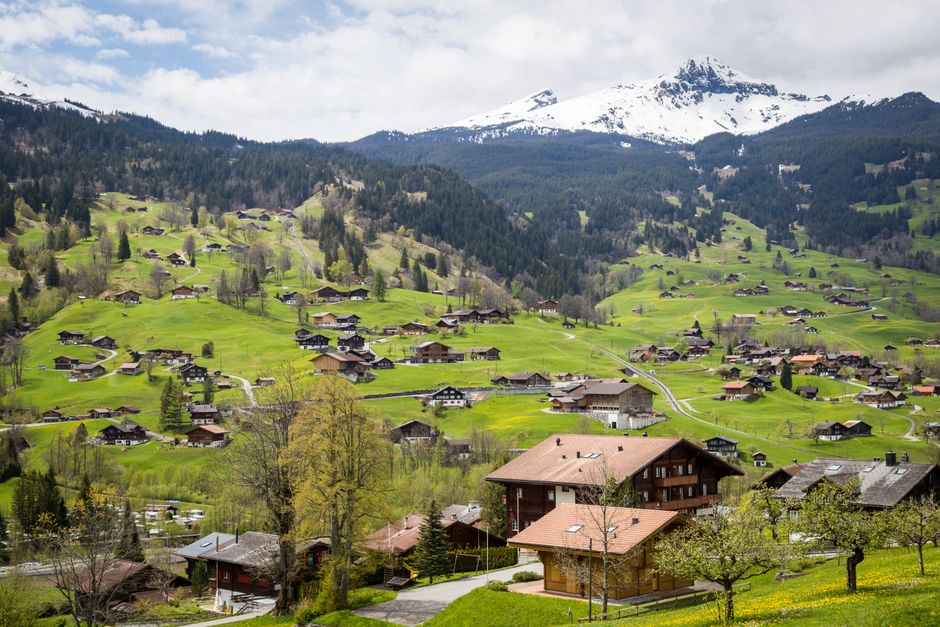
Switzerland, a land of breathtaking alpine vistas, pristine lakes, and charming medieval towns, demands meticulous planning for an optimal travel experience. Understanding key aspects like currency, language, transportation, accommodation, and cultural nuances beforehand will significantly enhance your journey and prevent common pitfalls. This guide provides essential information to ensure your Swiss adventure is seamless and memorable.
The Swiss Franc (CHF) is the official currency. While credit cards are widely accepted in major cities, tourist areas, and larger establishments, carrying some cash is advisable for smaller purchases, rural markets, or remote mountain huts. ATMs are readily available, but it’s wise to inform your bank of your travel dates to avoid card blocking. Exchange rates can vary, so checking current rates before you travel is recommended. Be aware that tipping is not as ingrained as in some other countries. Service charges are often included in restaurant bills, and rounding up the bill or leaving a small tip for exceptional service is appreciated, but not mandatory.
Switzerland is a multilingual country, with four official languages: German, French, Italian, and Romansh. German is spoken by the majority, particularly in the central and eastern regions. French is prevalent in the western part of the country, while Italian is spoken in the southern canton of Ticino. Romansh, an ancient Romance language, is spoken by a small minority in the canton of Graubünden. English is widely spoken and understood in tourist centers, hotels, and by younger generations, making communication generally easy for English-speaking travelers. However, learning a few basic phrases in the local language of the region you are visiting can be beneficial and is often appreciated by locals. Phrases like "Grüezi" (Hello in Swiss German), "Bonjour" (Hello in French), "Buongiorno" (Hello in Italian), and "Danke" (Thank you) will go a long way.
Switzerland boasts one of the most efficient and extensive public transportation systems in the world, a critical element for any traveler. The Swiss Travel System (STS) offers a comprehensive network of trains, buses, and boats, all meticulously coordinated. A Swiss Travel Pass is highly recommended for tourists, offering unlimited travel on public transport, free entry to over 500 museums, and even discounts on mountain railways and cable cars. These passes come in durations of 3, 4, 6, 8, or 15 consecutive days and can be purchased online or at major train stations. Trains are punctual to the minute, clean, and offer stunning scenic routes like the Glacier Express and the Bernina Express. For those who prefer driving, renting a car offers flexibility, but be prepared for narrow, winding mountain roads, potentially expensive parking, and strict speed limits. Vignettes (toll stickers) are required for using Swiss motorways and can be purchased at border crossings or post offices.
Accommodation in Switzerland ranges from luxurious five-star hotels and charming boutique guesthouses to cozy mountain chalets and budget-friendly hostels. Booking in advance, especially during peak seasons (summer and winter), is crucial to secure desirable locations and better rates. Consider the proximity to public transport hubs and attractions when choosing your lodging. Many hotels offer breakfast, and some may have amenities like spas or on-site restaurants. Airbnb and other vacation rental platforms are also popular, offering more space and self-catering options, which can be cost-effective for families or longer stays. For a truly authentic experience, consider staying in a mountain hut or a farm stay.
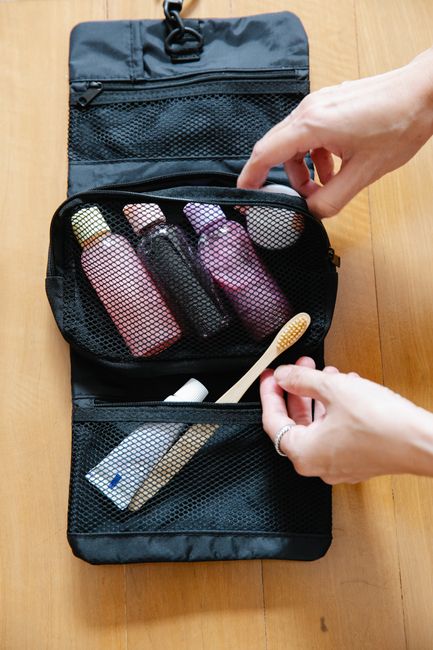
Switzerland’s climate varies significantly depending on altitude and season. Summers (June-August) are generally warm with average temperatures ranging from 18-28°C (64-82°F), ideal for hiking and outdoor activities. Winters (December-February) are cold with average temperatures around 0°C (32°F), perfect for skiing and snowboarding, with temperatures dropping well below freezing at higher altitudes. Spring and autumn offer milder temperatures but can be unpredictable, with occasional snow even in lower elevations during spring and autumn. Packing layers is essential for any season, as mountain weather can change rapidly. Waterproof and windproof outer layers are highly recommended. Comfortable walking shoes are a must, regardless of your planned activities. Sunscreen, sunglasses, and a hat are advisable year-round, especially at higher altitudes where UV radiation is stronger.
Switzerland is renowned for its safety and cleanliness. Crime rates are very low, and you can generally feel secure walking around, even at night. However, it’s always wise to take standard precautions, such as being aware of your surroundings and securing your valuables. Switzerland has strict regulations regarding waste disposal; look for designated bins for different types of refuse. The tap water is of excellent quality and safe to drink throughout the country, saving you money and reducing plastic waste.
When it comes to food, Switzerland offers a delightful culinary journey. Iconic dishes include fondue, raclette, and rösti. Swiss chocolate and cheese are world-famous and are must-tries. Be prepared for higher dining costs, especially in tourist areas. Supermarkets are a good option for purchasing groceries and preparing your own meals if your accommodation has kitchen facilities. Many restaurants offer a "menu du jour" (dish of the day) at lunchtime, which is often a more affordable option.
Tipping customs in Switzerland are different from those in many other countries. A service charge is typically included in the bill at restaurants and hotels. It is not customary to leave a large tip. If you receive excellent service, rounding up the bill or leaving a small additional amount (5-10%) is a polite gesture. For taxi drivers, rounding up the fare is common.
Switzerland observes specific public holidays, which can affect opening hours for shops and attractions. Major public holidays include New Year’s Day (January 1), Epiphany (January 6, mainly in Catholic regions), Ascension Day, Corpus Christi (in some Catholic cantons), Swiss National Day (August 1), and various regional holidays. It’s advisable to check the specific dates and their impact on your itinerary.
When it comes to electrical outlets, Switzerland uses Type J plugs and sockets, which are slightly different from those in most of Europe. The standard voltage is 230V, and the frequency is 50Hz. You will likely need an adapter for your electronics. Many modern devices have universal chargers that can handle different voltages, but checking your device specifications is recommended.
Respect for local customs and etiquette is key to a positive travel experience. Punctuality is highly valued in Switzerland. If you have an appointment, aim to arrive on time. When entering someone’s home, it is customary to remove your shoes. Direct and loud communication is generally avoided; people tend to be more reserved and polite in public spaces. Be mindful of noise levels, especially in residential areas and on public transport.
Switzerland’s healthcare system is of a very high standard, but it can be expensive for non-residents. It is strongly recommended to have comprehensive travel insurance that covers medical emergencies and repatriation. Ensure your policy is adequate for the activities you plan to undertake, especially adventure sports like skiing or mountaineering.
For entry into Switzerland, most tourists from the EU/EFTA and many other countries do not require a visa for short stays. However, always check the latest visa requirements based on your nationality and the purpose of your visit well in advance. For U.S. and Canadian citizens, for example, short-term tourist stays typically do not require a visa, but it’s essential to confirm current regulations. Switzerland is part of the Schengen Area, meaning if you can enter other Schengen countries, you can generally enter Switzerland.
Respecting the environment is paramount in Switzerland. The country is committed to sustainability and protecting its natural beauty. Stick to marked trails when hiking to prevent erosion and damage to vegetation. Do not litter; always dispose of waste properly. Be mindful of noise pollution in natural areas. Switzerland’s pristine landscapes are a treasure, and responsible tourism ensures they remain so for future generations.
When planning your itinerary, consider the seasonality of attractions. While summer offers excellent hiking and lake activities, winter is prime time for snow sports. Spring and autumn can offer beautiful scenery with fewer crowds, but some mountain passes and high-altitude attractions might be closed. For a diverse experience, consider visiting different regions to appreciate the cultural and geographical variations within the country. The Jura mountains offer a different landscape than the Alps, and the Italian-speaking Ticino has a distinct Mediterranean feel.
Understanding these practicalities will allow you to fully immerse yourself in the beauty and culture of Switzerland without encountering unnecessary stress. A well-prepared traveler is a happy traveler, and with this guide, you are well on your way to an unforgettable Swiss adventure.